What to Wear to a Pakistani Wedding
Safe outfit formulas and colour etiquette for every Pakistani wedding function.
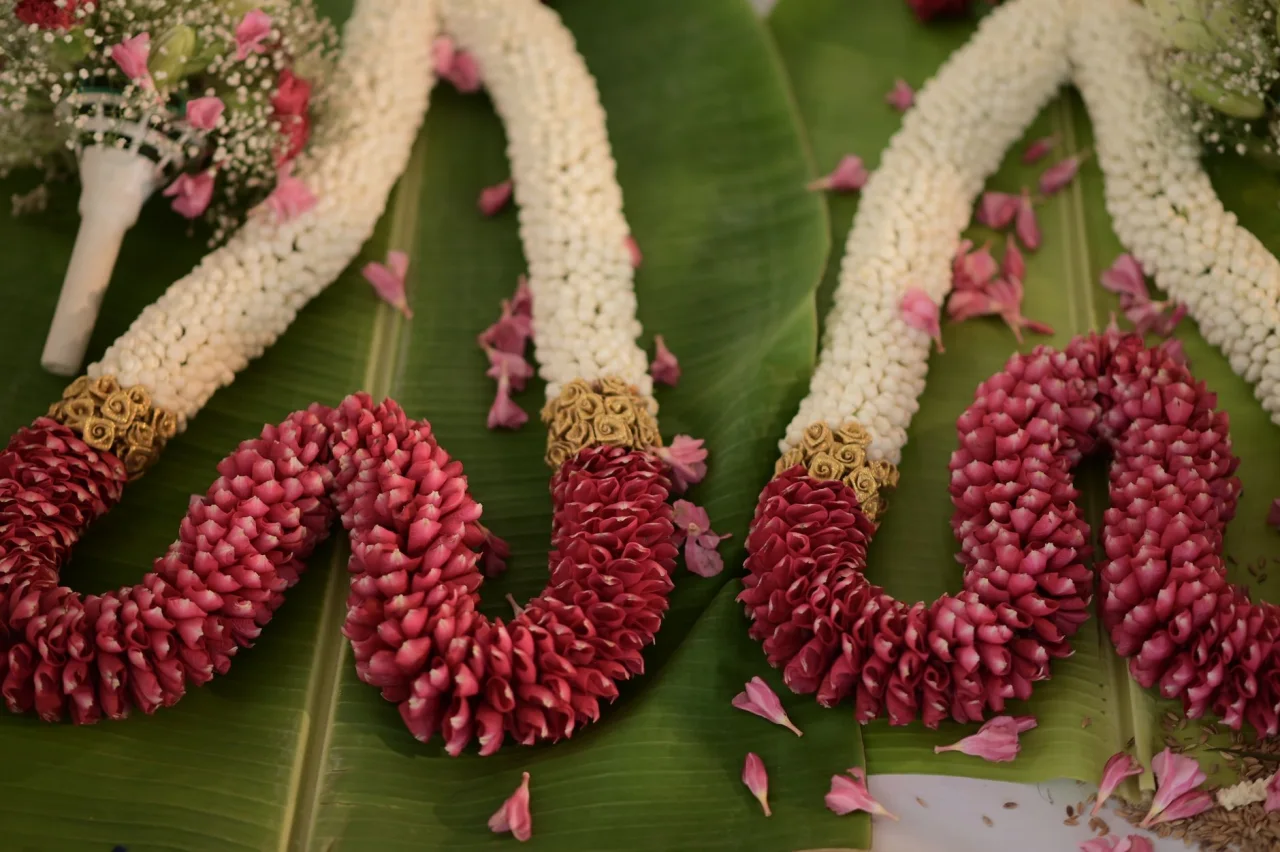
A Pakistani wedding is rarely one night: it is a run of events, each with its own mood, colour code and level of formality. As a guest, the trick is to dress celebratory without stepping on the couple, and to pitch your outfit correctly for a mehndi versus a nikah versus a walima. This event-by-event guide gives you a safe formula for each function so you can enjoy the party instead of second-guessing your outfit.
The short version
- Match the outfit to the event: bright and playful for mehndi, refined and modest for nikah, glamorous for baraat and walima.
- Never compete with the couple: avoid full bridal red and complete ivory-gold if you are a guest.
- When an invitation names a colour theme, follow it; when it says nothing, default to elegant and covered.
- Comfort counts: these are long, seated, photo-heavy evenings, so pick fabrics and shoes you can last in.
How Pakistani wedding dress codes work
Pakistani weddings unfold across several distinct functions rather than a single ceremony. As the overview of Pakistani wedding customs notes, events such as the mehndi, the nikah and the walima each carry their own tone, and the walima in particular is the formal reception hosted by the couple that makes the marriage public. Your job as a guest is to read where each event sits on the scale from playful to black-tie, then dress to suit.
The single rule that never changes is this: do not dress like the bride. Steer clear of heavy bridal reds and maroons and of complete ivory-and-gold or all-white-and-gold looks, which in many desi families read as bridal. Everything else is a question of matching the mood of the function. If you are attending the whole week, plan your outfits together so each night looks distinct in the album.
Mehndi: bright, playful and full of colour
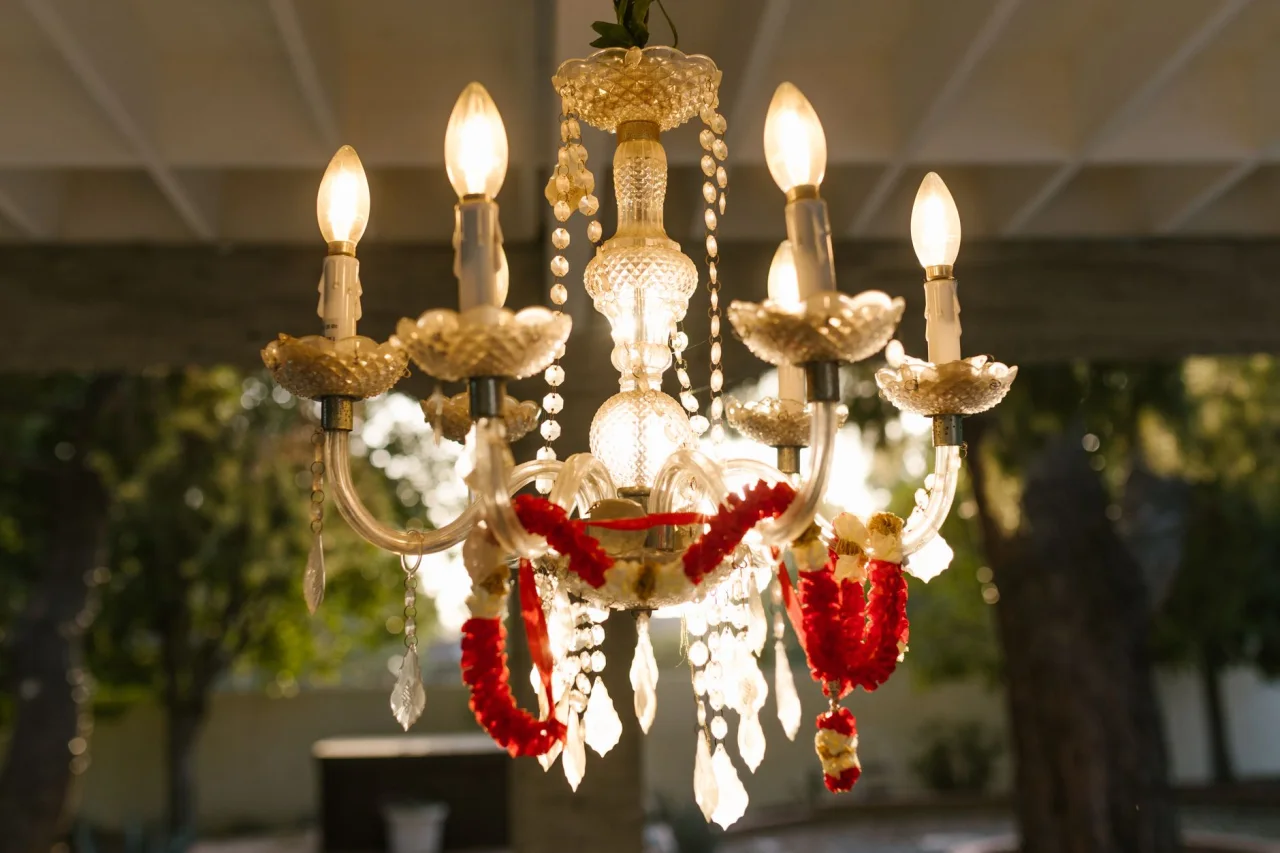
The mehndi is the henna celebration, held a few days before the main wedding, and it is the most colourful and relaxed of the events. It is traditionally a night of singing, dancing and yellow, orange, green and pink tones. Guests are expected to lean into vivid colour rather than away from it.
A safe, festive formula: a bright embroidered kurta or gharara set, a sharara, or a colourful lawn or khaddar suit with a contrasting dupatta and fresh-flower jewellery if you like. Keep the fabrics comfortable because you will likely be dancing. Flat or low heels are your friend here. For ready-made looks to copy, our mehndi dress ideas and the fuller mehndi dress guide break the palette and silhouettes down in detail.
Styling note: mehndi is the one night to go loud
- Yellows, oranges, greens, fuchsia and multi-colour prints all belong here.
- Fresh-flower jewellery (gajra, floral bangles) is traditional and photographs beautifully.
- Prioritise movement: choose a gharara or sharara you can dance in, not a tight floor-length gown.
Nikah: refined, modest and elegant
The nikah is the formal marriage contract, the moment the nikahnama is signed before witnesses, and it carries a more solemn, religious tone. According to the overview of the nikah ceremony, it centres on the contract, the bride's acceptance and the witnessing, so the dress code leans modest and refined rather than flashy.
Guest formula: a graceful covered silhouette such as an anarkali, a formal shalwar kameez, a saree or a simple lehenga in soft or pastel tones, with a dupatta you can draped over the head for the ceremony. Pastels, soft neutrals, powder tones and gentle jewel shades all suit the mood. Keep jewellery elegant rather than heavy. Our nikah outfit ideas and the complete nikah guide cover coverage and colour in more depth.
Baraat: the grand, formal celebration
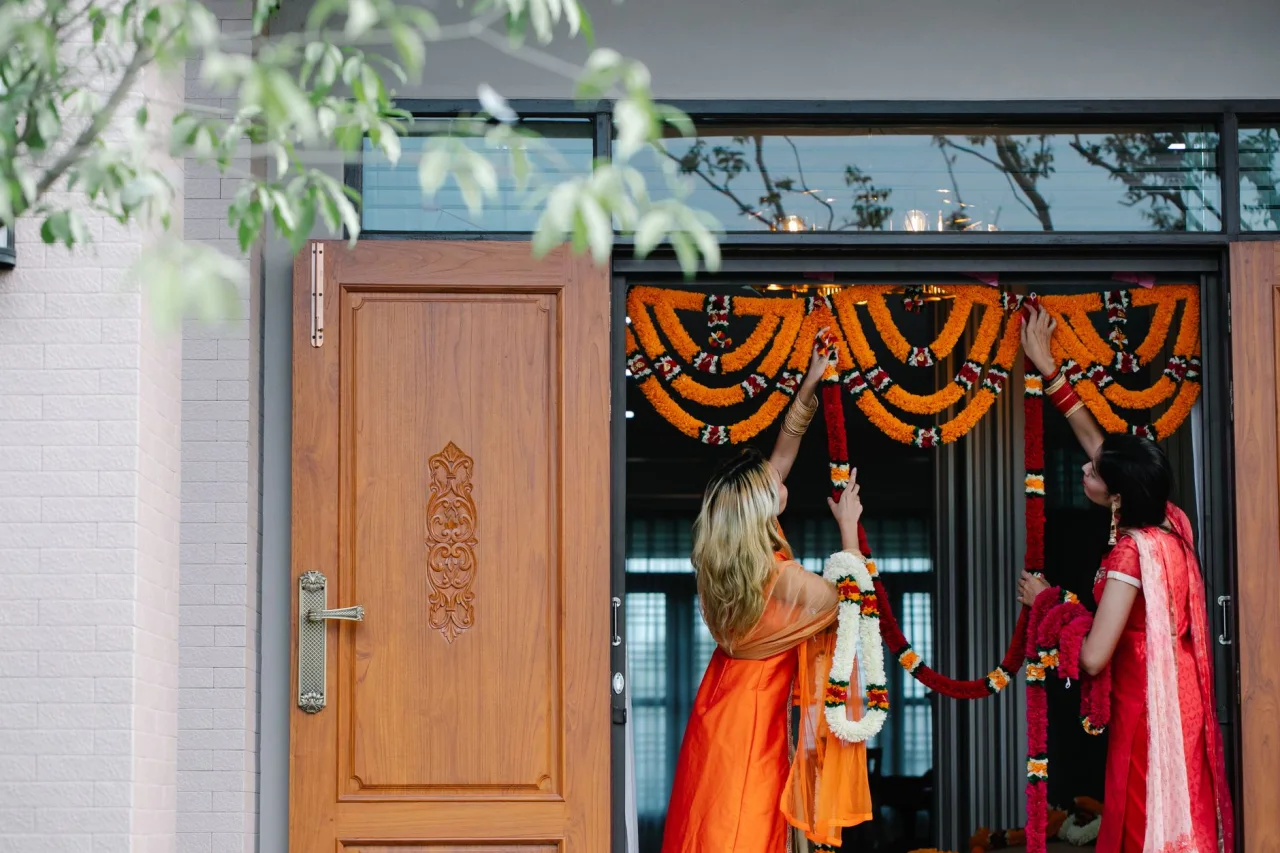
The baraat is the main wedding gathering, often the groom's procession and the largest, most formal party of the week. This is where guests bring out their most glamorous occasion wear short of bridal. Expect heavy fabrics, full embroidery and proper jewellery.
Guest formula: a worked lehenga, a heavy formal saree, a formal gharara or sharara, or a long embroidered anarkali in a rich jewel tone or metallic. Because the bride typically wears red at the baraat, this is the event where avoiding red and maroon matters most. Emerald, sapphire, wine, teal, plum and champagne are all safe, celebratory choices that photograph well under evening lighting.
Walima: the formal reception
The walima is the reception banquet hosted by the couple that officially makes the marriage public, and it is usually the most formal event of the week. As the overview of walima explains, it is widely regarded as a Sunnah, an encouraged practice, and functions as the open announcement and celebration of the marriage. For guests, this means your most finished occasion outfit.
Guest formula: a floor-length or ankle-length worked silhouette, a lehenga, a heavy saree, a formal gharara or a structured formal suit, with a full jewellery set and evening-appropriate heels. Since brides often pivot to pastels or metallics for walima, guests have wide colour freedom: jewel tones, deep pastels, wine, teal, champagne and charcoal all work. Black is generally accepted for evening walimas among many communities, though a few conservative families prefer guests avoid it, so gauge the crowd. Our walima dress guide goes deeper on formality.
Colours to avoid as a guest
- Full bridal red or maroon, especially at the baraat where the bride usually wears it.
- Complete ivory-and-gold or all-white-and-gold, which reads as bridal in many families.
- Anything that matches a stated bridal colour theme too closely: when in doubt, ask the family.
Fabrics, jewellery and comfort for a long night
Desi wedding events are long, seated and heavily photographed, so choose fabrics with body that hold up over hours: silk, raw silk, organza, net and velvet in winter all catch light gracefully. Very thin or crushable fabrics can look tired by the end of the night. Let your jewellery follow the outfit, statement earrings with heavy embroidery, a fuller set with a plainer silhouette, and match your metals to the embroidery.
Finally, break in your shoes before the day, carry a small clutch and a few spare pins, and rehearse any drape (a saree pallu or a dupatta) so you are not fighting your outfit during the entrance and family photos. For coordinating the details, see our matching shoes guide and dupatta styling tutorial. If you would rather start from finished looks, the wedding guest outfit ideas assemble complete ensembles by event.
Frequently asked questions
What should I wear to a Pakistani mehndi as a guest?
Lean into bright colour. Yellows, oranges, greens and fuchsia all belong at a mehndi, in a comfortable silhouette such as an embroidered kurta, gharara or sharara that you can dance in. Fresh-flower jewellery is traditional, and flat or low heels are practical for a night of celebration.
What colours should I avoid at a Pakistani wedding?
Avoid full bridal red and maroon, especially at the baraat where the bride usually wears them, and steer clear of complete ivory-and-gold or all-white-and-gold looks that read as bridal in many families. If the invitation names a bridal colour theme, do not match it too closely.
How formal is the walima compared to other events?
The walima is usually the most formal event of the week. It is the reception that makes the marriage public, so guests should wear their most finished occasion outfit: a full-length worked silhouette, proper jewellery and evening heels rather than casual daywear.
Can I wear black to a Pakistani wedding?
Black is generally accepted for evening events such as the walima among many communities and photographs well under warm lighting. A small number of conservative families still prefer guests avoid it, so if you are unsure, check the crowd or add colour through a bright dupatta or bold jewellery.
What should I wear to a nikah ceremony?
The nikah carries a more solemn, religious tone, so dress modest and refined. A covered silhouette such as an anarkali, a formal shalwar kameez or a simple saree in soft or pastel tones, with a dupatta you can drape over the head, suits the mood. Keep jewellery elegant rather than heavy.
More on Wedding & Occasion Fashion
Have a question or a topic to suggest?
We read every message. Tell us what you would like to see next in the journal.
Get in touch