The Complete Walima Dress Guide
How formal to go, the colours to wear and rethink, and the finishing touches for a desi wedding reception.
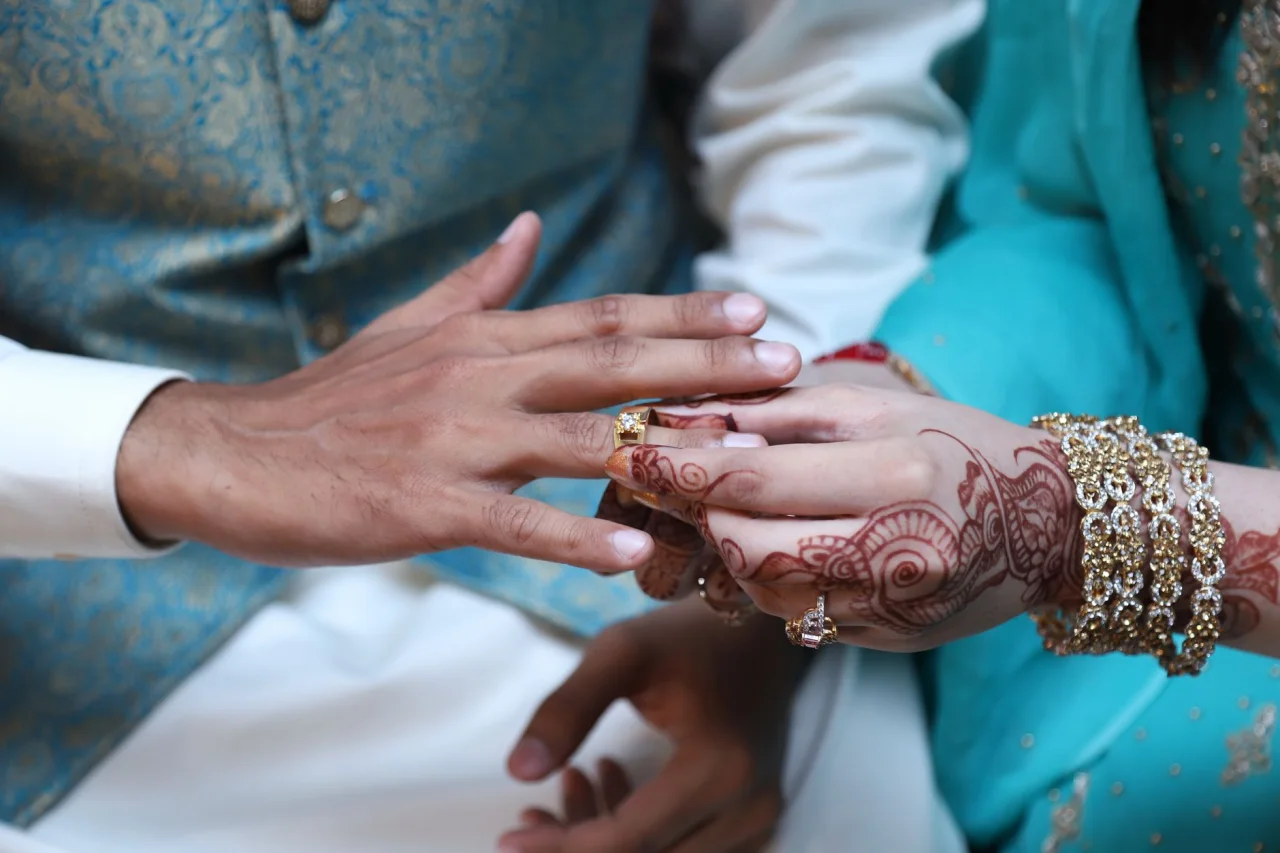
The walima is the reception banquet that follows the nikah, and it is usually the most glamorous night of a desi wedding. Because it is hosted and dressed up a notch, guests, brides and grooms all field the same question: how formal is too formal, and which colours are safe? This guide walks through the etiquette and the styling so you can dress with confidence.
The short version
- The walima leans formal to black-tie by desi standards: think full-length, worked fabrics and proper jewellery, not casual daywear.
- Guests should look celebratory but avoid heavy bridal reds and full ivory-gold combinations that read as bridal.
- Brides often choose pastels, jewel tones or metallics for walima, a deliberate contrast to the red or deep tones of nikah and mehndi.
- Comfort matters: it is a long, seated, photo-heavy evening, so pick fabrics and heels you can last in.
What the walima is, and why it dresses up
In Islamic tradition the walima is the wedding banquet that announces the marriage openly and is typically hosted by the groom or his family. According to the overview of walima, it is regarded as a Sunnah, an encouraged practice for those able to afford it, and generally takes place after the nikah. In practice, across Pakistani and North Indian weddings, the walima has become the polished evening reception: banquet hall, staged seating for the couple, and a dress code that is a clear step above everyday festive wear.
Knowing the host and the venue tells you almost everything about how to dress. A hotel ballroom walima with a formal invitation calls for your most finished occasion outfit. A smaller family walima at home can be dialled down to a rich but simpler ensemble. When in doubt, ask the family or look at what the hosts wore to comparable events. It is always easier to remove a statement piece than to feel underdressed in the room.
The walima dress code: how formal to go
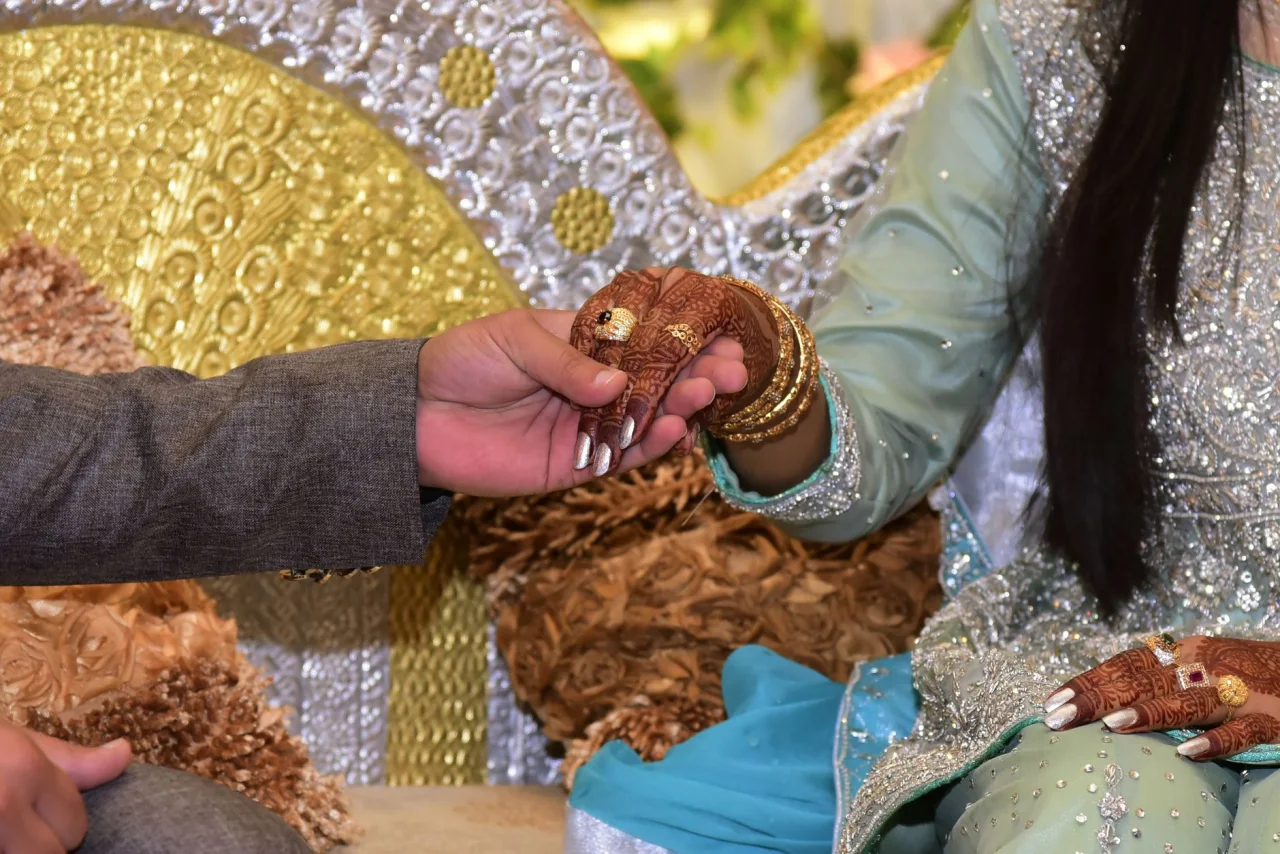
Read the walima as the formal peak of the wedding week. For women that usually means a floor-length or ankle-length silhouette in a worked fabric: an embroidered lehenga, a heavy saree, a formal gharara or sharara, a long anarkali or a structured formal suit. Day-to-day cotton prints and lawn suits, however pretty, will feel out of place. For men it means a suit, a bandhgala, or a sherwani where the occasion is traditional.
If your invitation names a colour theme or asks for formal or black-tie, take it at face value. If it says nothing, default to elegant and covered rather than flashy. For inspiration on assembling specific looks, our walima dress outfit ideas break the choices down by budget and body type, and the bridal dresses roundup is useful if you are the one being celebrated.
Styling note: match the light
- Most walimas are evening events under warm banquet lighting, which flatters jewel tones, metallics and deep pastels.
- Very pale or washed-out shades can disappear on camera at night; add contrast with a darker dupatta or bold jewellery.
- If it is a daytime or garden walima, lighter and brighter fabrics come into their own.
Colours to wear, and which to rethink
For guests, the celebratory palette is wide open: emerald, sapphire, wine, dusty rose, teal, mustard, champagne and charcoal all work beautifully. The two families to be careful around are the couple. Avoid full bridal reds and maroons if you know the bride is wearing them, and steer clear of a complete ivory-and-gold or all-white-and-gold look, which in many desi families reads as bridal. Black is generally accepted for evening walimas in Pakistan and among many communities, though a few conservative families still prefer guests avoid it, so gauge the crowd.
For the bride, the walima is the classic moment to pivot away from the reds of nikah and mehndi. Popular walima choices are ice pastels (blush, powder blue, mint, lilac), soft metallics (champagne, rose gold, silver, pale gold) and rich jewel tones (emerald, sapphire, deep teal) that photograph as regal without competing with an earlier red bridal. The point is contrast and a fresh look for the album, not a rigid rule.
What the bride and groom traditionally wear
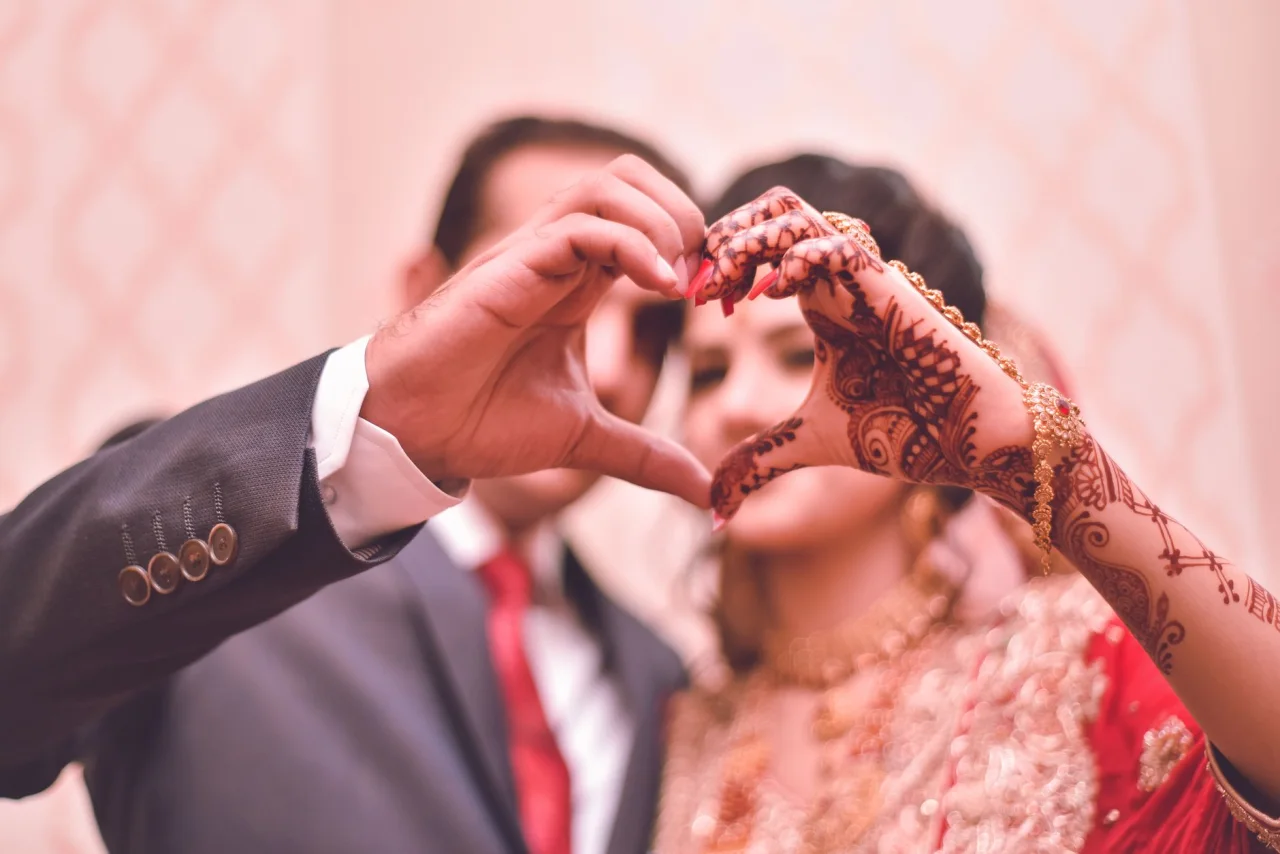
Brides most often choose a heavily worked lehenga choli, a formal saree or a long gown-style anarkali for walima. A lehenga is an ankle-length skirt paired with a fitted blouse and dupatta, and its flare and embroidery make it a natural showpiece for a reception. Sarees in chiffon, organza or silk give a sleeker, more grown-up line that many brides prefer for the second event.
Grooms typically wear a sherwani, a long buttoned coat that emerged in nineteenth-century South Asia and is now standard formal and wedding wear, or a tailored suit or bandhgala for a more contemporary look. The safest coordination is tonal rather than matchy: the groom picks up one accent from the bride's outfit (a metallic, a jewel tone) without wearing the exact same colour.
Silhouettes and fabrics that photograph well
Walima photos are close, seated and heavily lit, so choose fabrics with body and depth. Silk, raw silk, organza, velvet in winter, and structured net all catch light gracefully. Very thin or crushable fabrics can look tired after hours of sitting. If you tend to feel warm, prioritise breathable weaves and a lighter dupatta so you stay composed through dinner and photos.
- Lehenga or gharara: maximum presence, best for those happy to manage volume all evening.
- Saree: elegant and slimming, but rehearse the drape and pin it securely.
- Long anarkali or gown: the easy-to-wear, all-evening comfortable option with real formality.
- Formal suit with heavy dupatta: a dressed-up choice for guests who prefer covered, fuss-free styling.
If you are choosing between skirt-based looks, our lehenga design ideas show how flare, panels and embroidery change the overall mood.
Jewellery, dupatta and finishing touches
Jewellery is where a walima outfit earns its formality. For heavily embroidered outfits, let the clothes lead and keep jewellery to statement earrings and a ring or bangles. For plainer silhouettes such as a solid saree or simple anarkali, a full jewellery set (necklace, earrings, and a maang tikka or matha patti) does the heavy lifting. Metallic tones should generally follow your embroidery: gold work pairs with gold-toned jewellery, silver or antique work with silver and polki.
The dupatta is a styling tool, not an afterthought. Draped across one shoulder it keeps the outfit sleek; pinned over the head it adds ceremony and works well for modest coverage during the couple's entrance or family photos. Carry a small clutch and a spare set of pins, and break in your heels before the day so you are not limping through the dinner queue.
Quick walima checklist
- Confirm formality and any colour theme with the hosts before you shop.
- Avoid full bridal red and complete ivory-gold if you are a guest.
- Pick an evening-friendly jewel tone, pastel or metallic in a fabric with body.
- Test the drape, the heels and the dupatta pinning the night before.
Pulling the whole look together
A walima outfit works when the parts agree: a formal silhouette, an evening-appropriate colour, jewellery scaled to the embroidery, and a dupatta styled with intent. Start from the venue and the invitation wording, choose one lead element (the outfit or the jewellery, rarely both at full volume), and build outward. If you are dressing for a run of events, look at how your walima choice contrasts your nikah outfit and mehndi dress so each night reads as its own moment in the album.
Frequently asked questions
How formal is a walima compared to the other wedding events?
The walima is usually the most formal event of a desi wedding. It is the polished evening reception, so guests should wear their most finished occasion outfit: full-length worked fabrics, proper jewellery and heels rather than casual daywear.
What colours should walima guests avoid?
Guests should avoid heavy bridal reds and maroons that compete with the bride, and full ivory-and-gold or all-white-and-gold looks that read as bridal in many desi families. Jewel tones, pastels, wine, teal, champagne and charcoal are all safe, celebratory choices.
What do brides usually wear to their walima?
Brides often pivot away from the red of nikah and mehndi and choose pastels, soft metallics such as champagne or rose gold, or jewel tones such as emerald and sapphire. Popular silhouettes are a worked lehenga choli, a formal saree, or a long anarkali gown.
Can I wear black to a walima?
Black is generally accepted for evening walimas in Pakistan and among many communities and photographs well under warm lighting. A small number of conservative families still prefer guests avoid it, so if you are unsure, check the crowd or add colour through a bright dupatta or jewellery.
What jewellery works best with a walima outfit?
Let the outfit lead. With heavy embroidery, keep to statement earrings and a ring or bangles. With a plainer saree or anarkali, wear a fuller set with a necklace and a maang tikka. Match metallic tones to the embroidery: gold with gold, silver or polki with antique work.
More on Wedding & Occasion Fashion
Have a question or a topic to suggest?
We read every message. Tell us what you would like to see next in the journal.
Get in touch