Bridal Dresses: 15+ Ideas for 2026
Classic reds, modern pastels and jewel tones across lehengas, sarees, ghararas and gowns, for every body type and budget.
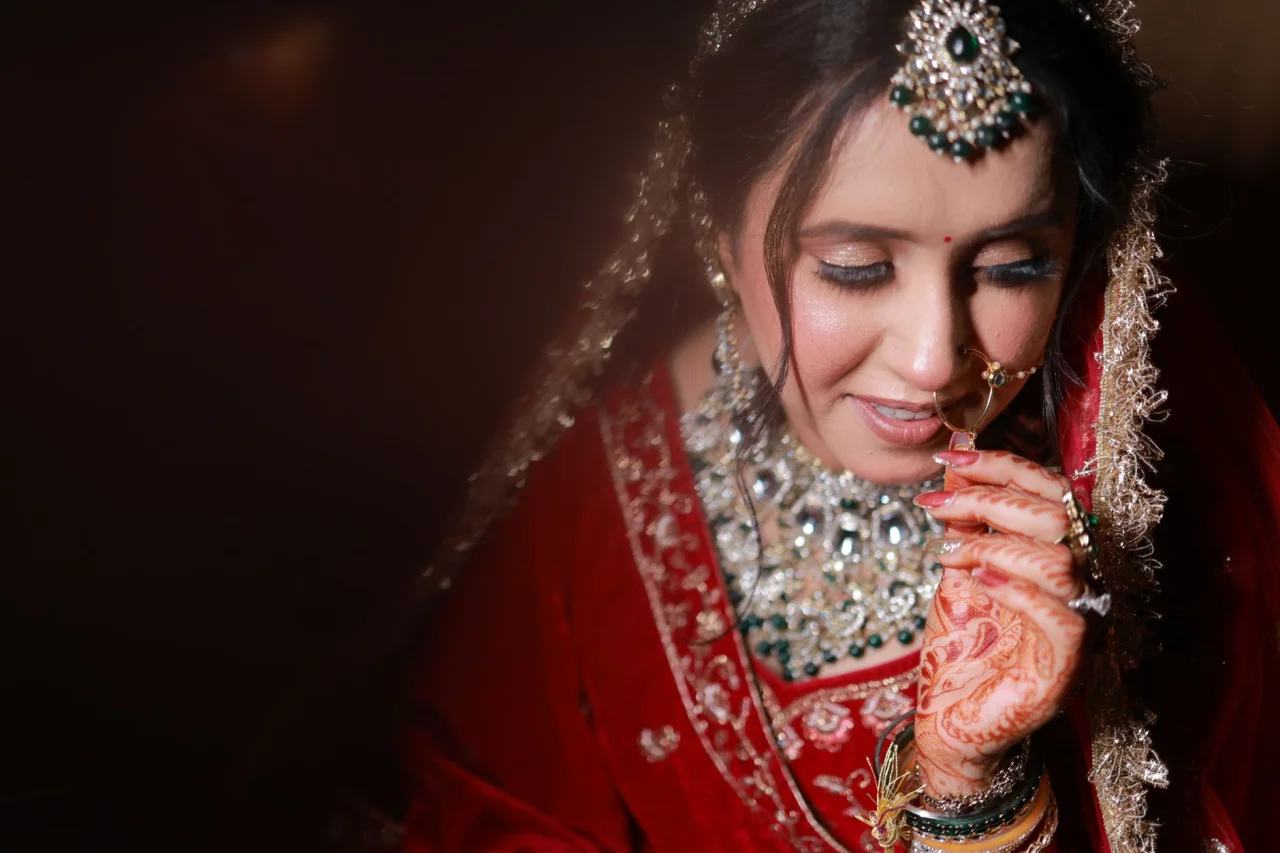
Choosing a bridal outfit is one of the most personal decisions of the whole wedding, and it helps to see the full range before you fall in love with one look. This roundup gathers fifteen-plus bridal dress ideas for 2026 across silhouettes, colours, budgets and body types, from designer showstoppers to smart high-street picks. Use it as inspiration, then tailor the details to your own story.
The short version
- The lehenga choli remains the most popular bridal silhouette, but sarees, ghararas, shararas and gowns all have a place.
- Red and maroon are classic, yet pastels, jewel tones and unexpected shades are firmly mainstream now.
- Silhouette should follow your body and how much you want to move, not just the trend.
- Beautiful bridal looks exist at every budget through rental, high-street and semi-stitched options.
How to use this list
Think of these ideas as a menu, not a ranking. There is no single best bridal dress, only the one that fits your ceremony, your comfort and your budget. As you read, note which silhouettes and colours keep catching your eye, then cross-check them against the practical decisions in our complete bridal dresses guide, which covers fit, timelines and fabric in depth.
Prices for bridal wear vary enormously with fabric, the amount and type of hand work, and whether the piece is designer, boutique or ready-to-wear, so treat any figures you find as broad ranges and always confirm current pricing with the retailer before you commit.
Classic red and maroon looks
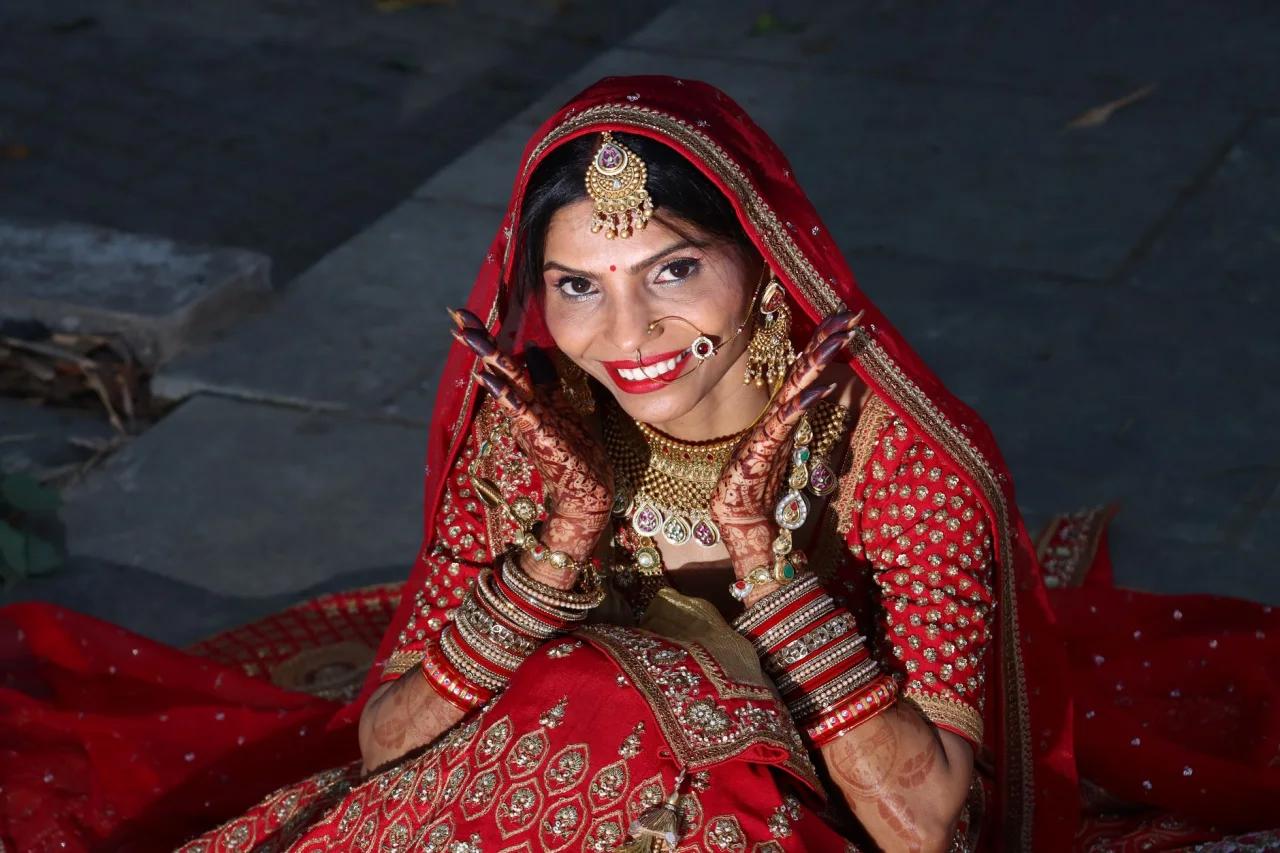
Red endures for a reason: across many South Asian traditions it signals celebration, prosperity and new beginnings, and it photographs beautifully under the colour and ritual of an Indian wedding celebration.
- The heirloom red lehenga: a deep scarlet lehenga choli with dense zardozi or gota work, the timeless barat or main-ceremony choice. Learn the anatomy of the garment in our lehenga choli guide.
- Maroon velvet for winter: a rich maroon velvet lehenga or gown, warm and regal for cold-weather weddings.
- The Banarasi red saree: a woven silk saree from Varanasi, a stately, understated alternative to heavy embroidery.
Pastel and pale bridal looks
Soft, romantic palettes have moved from trend to staple, especially for daytime and destination weddings.
- Blush and rose gold lehenga: dusty pink with rose-gold sequins, luminous in natural light.
- Ivory and champagne: a pale, self-worked lehenga or gown for a modern, minimalist bride.
- Powder blue or sage: unexpected, fresh and increasingly popular for engagement and nikah looks. Designer Sabyasachi Mukherjee, who has been selling under his label since 1999 and is widely known for elaborate bridal wear, has helped make heritage textiles and softer palettes feel bridal rather than casual.
Styling note: pastels still want contrast
A pale outfit can look washed out in photos without an anchor. Ground it with contrast jewellery, a bold lip, or deeper embroidery so the look reads intentional rather than faint.
Jewel tones and bold colour
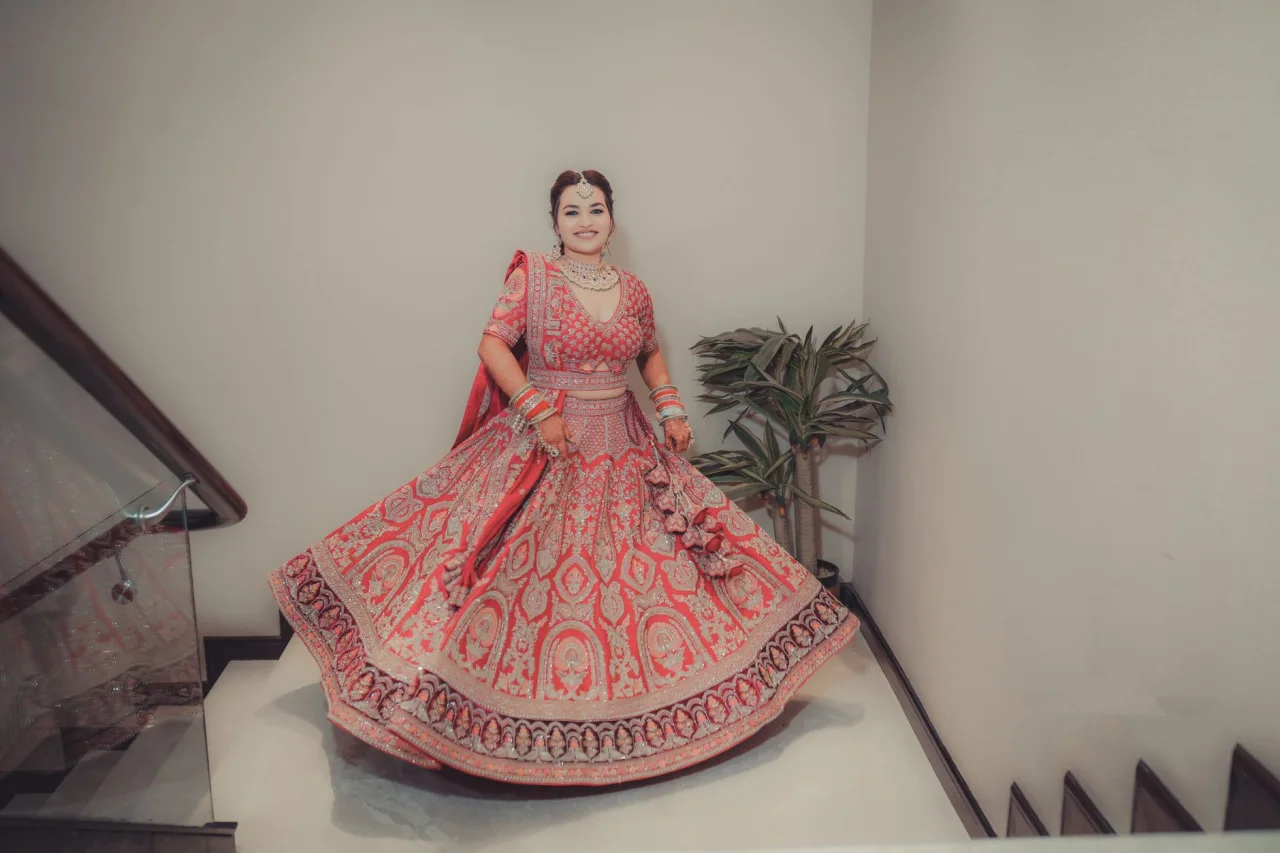
If red feels expected and pastels feel too soft, jewel tones are the confident middle path.
- Emerald green lehenga: striking against gold work and warm skin tones alike.
- Royal blue or teal: dramatic for an evening reception or walima.
- Deep plum or wine: the sophisticated way to wear a red-adjacent shade without full bridal scarlet.
Beyond the lehenga: alternative silhouettes
The lehenga choli became popular across the subcontinent from around the 16th century and is still the default bridal shape, but it is far from your only option.
- The bridal saree: a Kanjeevaram, Banarasi or heavily embellished georgette saree, elegant and traditional. Georgette and silk drape very differently, so it is worth understanding how silk behaves before you choose.
- The gharara: flared from the knee with a distinctive joint, rich in Mughal-inspired heritage, wonderful for a nikah. See our gharara guide.
- The sharara: wide, flowing legs for a bride who wants movement and comfort.
- The anarkali gown: a floor-length, fitted-to-flared silhouette that flatters almost everyone and needs no draping.
- The fusion gown: a structured lehenga-gown hybrid for a contemporary reception.
Ideas by body type
The most flattering bridal look works with your frame rather than against it. These are gentle starting points, not rules.
- Petite: a lighter lehenga, a slimmer flare or a single-tone outfit elongates the frame; avoid an overwhelming volume of fabric.
- Tall: you can carry heavy borders, tiered flares and dramatic trains beautifully.
- Curvy: an anarkali or a well-structured lehenga with a fitted blouse and a defined waist is universally flattering.
- Athletic or straight frame: layered ruffles, a can-can lehenga or a sharara add soft curves.
Ideas by budget
A memorable bridal look is not reserved for the biggest budgets. It is about fit, finish and how you carry it.
- Rental couture: wear a designer-level piece for one night at a fraction of retail, ideal for a heavily worked lehenga you will not repeat.
- Semi-stitched and boutique: a mid-range base with a local tailor and chosen embellishment lets you control both fit and cost.
- High-street festive: a ready-to-wear lehenga or gown, lifted with statement jewellery and confident styling, can look far more expensive than it was.
For a clear-eyed view of what drives price and how to judge quality before you pay, read our lehenga fit, fabric and price guide.
Tip: book fittings with real timelines
Hand embroidery and made-to-order pieces can take many weeks, sometimes months. Order early and schedule at least two fittings, with the final one close to the wedding so the fit is exact.
Bringing your look together
Once the outfit is chosen, jewellery, footwear and a well-set dupatta or veil complete it. Keep one element as the hero: if the lehenga is heavily worked, let the jewellery stay elegant, and if the outfit is simpler, this is your moment for a bold maang tikka or statement necklace. If your wedding spans several events, plan the mehndi and other looks alongside the main outfit so the whole week feels cohesive. Our mehndi dress ideas are a natural next stop for that.
Frequently asked questions
What is the most popular bridal dress silhouette?
The lehenga choli remains the most popular bridal silhouette across much of the subcontinent, having grown popular from around the 16th century. That said, bridal sarees, ghararas, shararas and anarkali gowns are all fully traditional and widely worn, so the right silhouette is the one that suits your ceremony and comfort.
Do brides have to wear red?
No. Red and maroon are classic and carry celebratory meaning in many traditions, but pastels, ivory, jewel tones and unexpected shades are now firmly mainstream for brides. Choose a colour that flatters you and fits the mood of your event rather than following a single rule.
How much does a bridal outfit cost?
It varies enormously with fabric, the amount and type of hand embroidery, and whether the piece is designer, boutique or ready-to-wear. Because ranges are so wide, treat any figure as an estimate and always confirm current pricing with the retailer. Rental, semi-stitched and high-street options make beautiful bridal looks possible at many budgets.
How far in advance should I order my bridal dress?
Order early, especially for hand embroidery or made-to-order pieces, which can take many weeks or even months. Schedule at least two fittings and keep the final one close to the wedding so the fit is exact on the day.
Which bridal silhouette suits a curvy body?
An anarkali gown or a well-structured lehenga with a fitted blouse and a defined waist is widely flattering on a curvier frame. These are gentle guides rather than rules, so try several shapes and trust what feels comfortable and confident on you.
More on Wedding & Occasion Fashion
Have a question or a topic to suggest?
We read every message. Tell us what you would like to see next in the journal.
Get in touch