What Is a Lehenga Choli?
The three components, the history, the silhouettes and how it differs from a saree, sharara and anarkali.
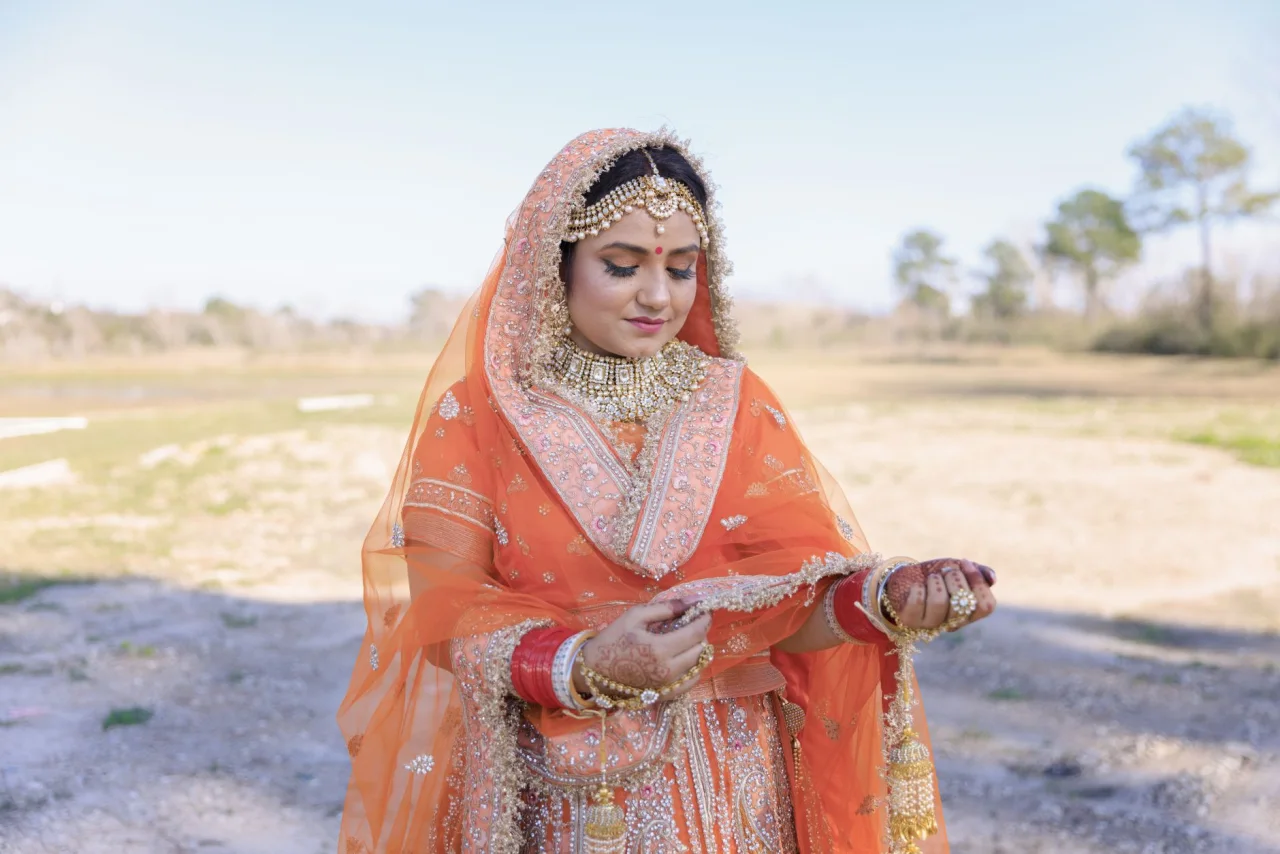
The lehenga choli is one of South Asia's most recognisable outfits: a long, flowing skirt worn with a fitted blouse and a draped dupatta. It is the outfit many brides, wedding guests and festival-goers choose when they want elegance with movement. This guide explains what a lehenga choli is, where it comes from, its three components, who it suits, and how it differs from similar garments.
The short version
- A lehenga choli has three parts: the lehenga (skirt), the choli (fitted blouse) and the dupatta (draped scarf).
- The garment traces back to a three-piece style of dress worn in ancient India, evolving over many centuries into today's form.
- It is most associated with weddings, festivals and formal occasions across the subcontinent.
- Lehenga refers to the skirt alone, while lehenga choli names the complete ensemble.
What does lehenga choli mean?
The term joins two garments. The lehenga is the long pleated or flared skirt, and the choli is the fitted, usually cropped blouse worn on top. Together with a dupatta, they form a complete outfit. The style is also widely known as the ghagra choli, where ghagra is another word for the skirt. You will hear both terms used across different regions.
In short, when someone says lehenga they usually mean the skirt, and when they say lehenga choli or ghagra choli they mean the whole three-piece look.
The three components
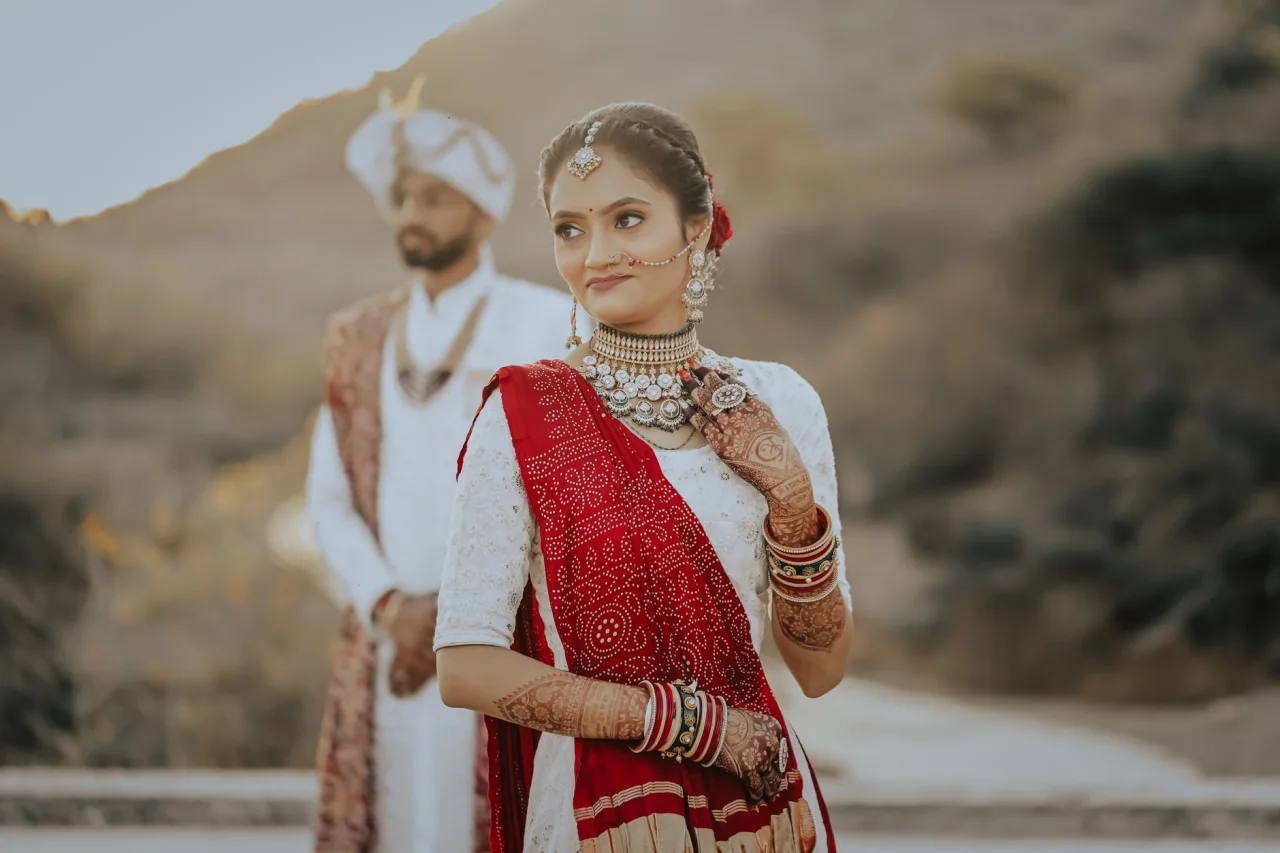
Every lehenga choli is built from three pieces, and understanding each helps you shop and style with confidence:
- The lehenga (skirt): a long, embroidered, pleated or flared skirt that forms the base of the outfit. Its cut, from A-line to flared to mermaid, sets the overall silhouette.
- The choli (blouse): a fitted, typically cropped blouse worn on the upper body. According to reference sources, the choli is a bodice-like garment usually cut short, leaving the midriff bare, and it has a long history in the region.
- The dupatta (scarf): a decorative length of fabric draped over the shoulder, across the front or over the head, which completes and frames the look.
You can read more about each element in our complete guide to the lehenga, which focuses on the skirt in detail.
A brief history
The lehenga choli did not appear fully formed. According to Wikipedia, the ghagra choli evolved from a three-piece attire worn by women in ancient India, made up of the antriya (a lower garment), the uttariya (a veil) and the stanapatta (a chest band). These pieces are documented in Sanskrit and Buddhist Pali literature dating to around the 6th century BCE. Over centuries, the lower garment developed through several stages into the tubular ghagri and eventually into the fuller skirt we recognise today.
The choli itself traces back to the stanapatta chest band, gradually transforming into a stitched bodice with regional variations in how it was tied and shaped. The garment has continued to evolve, and modern designers keep reinterpreting the necklines, cuts and construction of both skirt and blouse.
Cultural note
The lehenga choli is worn across many communities and regions, and it carries genuine cultural and celebratory meaning. Wear and describe it with respect for that heritage rather than treating it as a costume.
Where it is worn
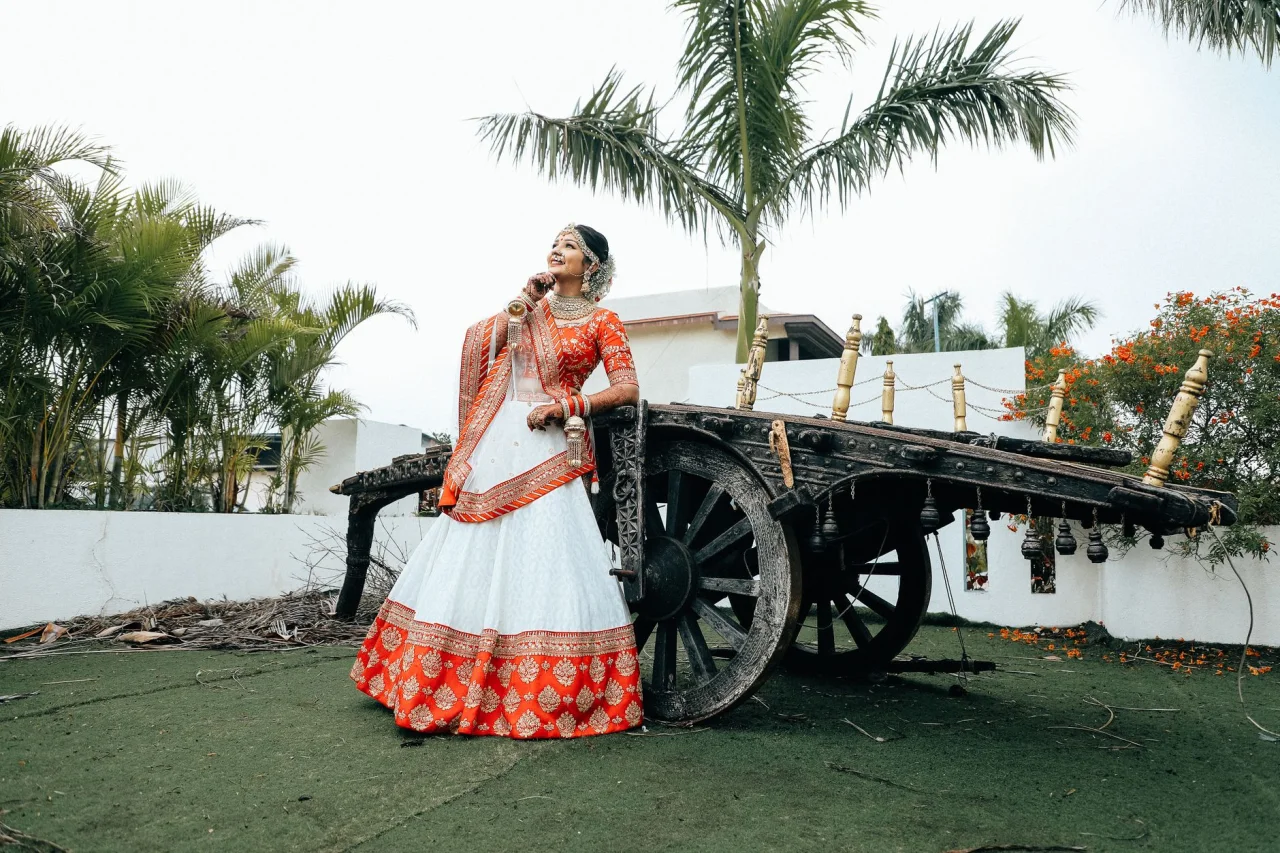
The ghagra choli is worn across a wide swathe of the subcontinent, including states such as Rajasthan, Gujarat, Madhya Pradesh, Uttar Pradesh, Punjab and Himachal Pradesh, as well as the Terai region of southern Nepal, according to reference sources. Regional versions differ in embroidery, colour and cut. Rajasthan and Gujarat, for example, are known for vibrant mirror work and gota, while other regions favour their own motifs and techniques.
Today the lehenga choli is a mainstay of weddings, festivals such as Navratri, Diwali and Eid celebrations, sangeets, receptions and other formal gatherings across India, Pakistan and the wider South Asian diaspora.
Common silhouettes
The skirt's cut defines the outfit's character. The main silhouettes are:
- A-line: fitted at the waist and widening gently, the most universally flattering.
- Flared or kalidar: made from multiple panels for maximum twirl, popular for dance functions.
- Mermaid or fishtail: fitted to the knee then flaring, elegant and formal.
- Straight or paneled: a slimmer, more contemporary line.
For a visual shortlist of current directions, see our lehenga choli design ideas and our broader lehenga design roundup.
Fabrics and embroidery
Lehenga cholis are made in a wide range of fabrics, from light cotton, georgette and net for daywear and dancing to raw silk, brocade and velvet for formal and bridal occasions. Surface work is a defining feature. Common techniques include zari, the metallic gold or silver thread whose largest production centre is Surat in Gujarat, along with gota patti appliqué from Rajasthan, mirror work and colourful thread embroidery. The fabric and the density of embroidery together decide how heavy, formal and expensive a piece feels.
Who does it suit?
One of the strengths of the lehenga choli is its flexibility. Because the silhouette is chosen from several cuts, there is a flattering option for most body types: A-line and flared skirts suit the widest range of frames, while the blouse and dupatta can be adjusted for coverage and comfort. It works for a first-time wearer at a festival just as well as for a bride, simply by scaling the fabric, embroidery and jewellery up or down.
How it differs from similar garments
Several outfits are easy to confuse with the lehenga choli:
- Lehenga versus lehenga choli: lehenga is the skirt, lehenga choli is the full three-piece ensemble.
- Saree: a single long unstitched drape, whereas a lehenga choli is a stitched skirt and blouse. A lehenga is generally easier to manage for those new to draping.
- Sharara and gharara: these pair a blouse and dupatta with wide-legged, flared trousers rather than a skirt.
- Anarkali: a long, flared one-piece frock worn over trousers, rather than a separate skirt and blouse.
Getting started
If you are ready to buy or wear one, our lehenga buying guide covers fit, fabric and realistic price ranges, and our styling guide shows how to put together complete looks for every kind of occasion.
Caring for a lehenga choli
Because many lehenga cholis carry delicate embroidery and metallic thread, they need more careful handling than everyday clothes. A few sensible habits keep a piece looking its best for years:
- Follow the label: most heavily worked or silk lehengas are dry clean only, and metallic zari can tarnish or catch in a washing machine.
- Store flat or rolled: hanging a heavy skirt for long periods can distort the waist and stress the seams. Fold with acid-free tissue where possible.
- Keep it breathable: use a cloth garment bag rather than plastic, which can trap moisture and dull the fabric.
- Guard against snags: beads, sequins and mirror work catch easily, so keep the piece away from rough surfaces and velcro.
If a bridal or heirloom lehenga will be stored for a long time, an occasional airing and a check for loose threads or tarnish will catch problems early. Treated well, a good lehenga choli can be re-worn, restyled and even passed down.
Is a lehenga choli right for you?
If you want a celebratory outfit that flatters a wide range of body types, is easier to manage than a draped saree, and can be scaled from a light festive look to a full bridal statement, the lehenga choli is a strong choice. It rewards a little planning: choosing the right silhouette, fabric and embroidery for your occasion and comfort. Once you have decided it is for you, the guides linked throughout this article will help you shortlist designs, buy well and style the finished look.
Frequently asked questions
What is a lehenga choli?
A lehenga choli is a traditional South Asian outfit made up of three pieces: a long skirt (the lehenga or ghagra), a fitted blouse (the choli) and a draped scarf (the dupatta). It is commonly worn for weddings, festivals and formal occasions across the subcontinent.
What is the difference between a lehenga and a lehenga choli?
Lehenga refers specifically to the skirt, while lehenga choli names the complete ensemble of skirt, fitted blouse and dupatta worn together. In everyday use people often say lehenga to mean the whole outfit, but strictly the choli and dupatta complete it.
Where does the lehenga choli come from?
According to reference sources, the ghagra choli evolved from a three-piece style of dress worn by women in ancient India, comprising the antriya, uttariya and stanapatta, which are documented in Sanskrit and Buddhist Pali literature dating to around the 6th century BCE. The garment developed over many centuries into its present form.
Is a lehenga choli the same as a ghagra choli?
Yes. Ghagra choli and lehenga choli refer to the same style of outfit, with ghagra being another word for the skirt. The terms are used interchangeably across different regions of the subcontinent.
Who can wear a lehenga choli?
The lehenga choli suits a wide range of wearers because the silhouette can be chosen to flatter different body types, and the fabric, embroidery and jewellery can be scaled up for a bride or kept light for a festival or first-time wearer. A-line and flared cuts are the most universally flattering.
More on Clothing Types
Have a question or a topic to suggest?
We read every message. Tell us what you would like to see next in the journal.
Get in touch