What Is a Lehenga? Complete Guide
Origin, silhouettes and fabrics of the flared skirt at the heart of desi occasion wear.
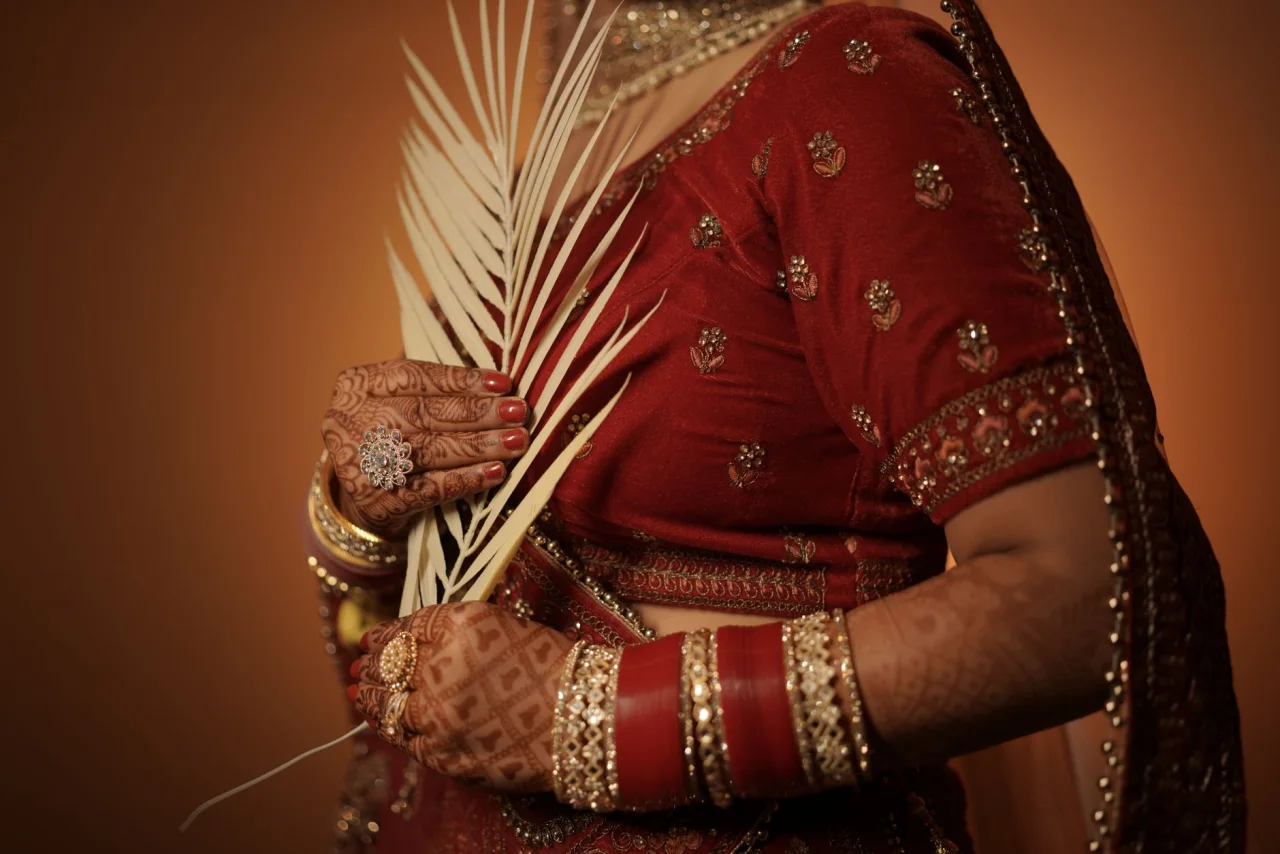
The lehenga is the grand dame of South Asian occasion wear: a long, flared skirt that sweeps the floor, worn with a fitted blouse and a flowing dupatta. From village festival dress to the most elaborate bridal couture, it has carried celebration across the subcontinent for centuries. This guide explains what a lehenga actually is, where it comes from, the main silhouettes and how to choose one that suits you.
The short version
- A lehenga is a long, flared skirt worn with a choli (blouse) and a dupatta (scarf).
- It is an ankle-length skirt from the Indian subcontinent that became popular around the 16th century.
- Regional names include ghagra, chaniya, langa and paavada; the full outfit is the lehenga choli or ghagra choli.
- Silhouettes range from A-line and flared to mermaid, panelled and straight, each flattering different figures.
What is a lehenga?
A lehenga is, at its simplest, a long and full skirt. In practice it is nearly always worn as part of a three-piece ensemble: the lehenga skirt itself, a fitted blouse called the choli, and a long scarf called the dupatta. Together these form what is known as the lehenga choli or, in older and regional usage, the ghagra choli. According to Wikipedia's entry on the lehenga, it is an ankle-length skirt from the Indian subcontinent that became popular around the 16th century, mainly across India, Bangladesh and Pakistan.
What defines the lehenga is the skirt's volume and its floor length. Unlike a sharara or gharara, which are flared trousers with a separate leg on each side, the lehenga is a single open skirt. That distinction is the easiest way to identify it. For the full outfit and how its parts fit together, see our guide to the lehenga choli.
Where does the lehenga come from?
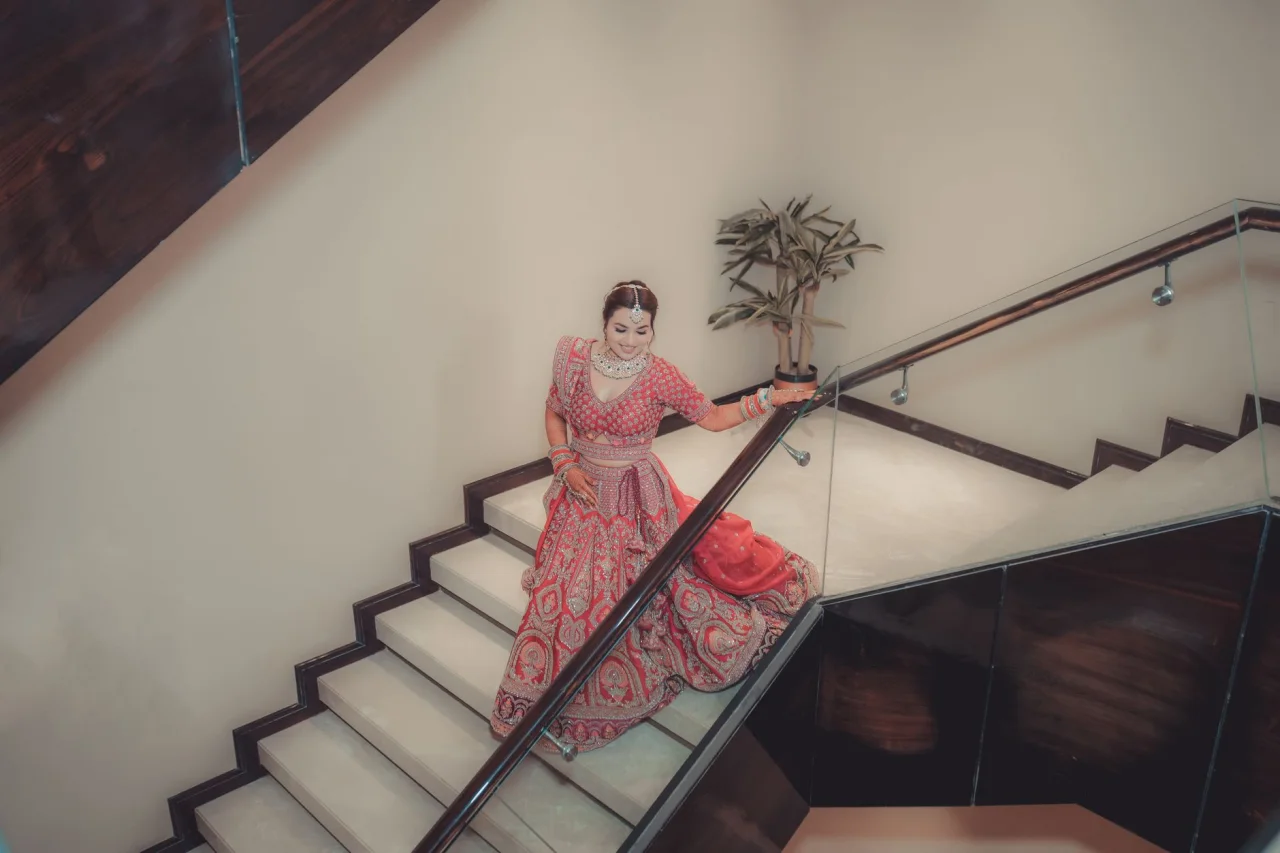
The lehenga's roots run deep. The wider ghagra choli tradition it belongs to evolved from an ancient three-piece Indian attire: the antariya (a lower garment), the uttariya (a veil) and the stanapatta (a chest band), forms documented in Sanskrit and Pali literature. Over centuries the antariya's stitched, gathered form developed into the ghagri skirt, the ancestor of today's lehenga. The Wikipedia entry on the ghagra choli traces this lineage and notes the garment is worn across many regions, including Rajasthan, Gujarat, Madhya Pradesh, Uttar Pradesh and Punjab.
The lehenga rose to prominence as popular dress around the 16th century and has remained central to festival and wedding wardrobes ever since, reinvented by every generation of designers while keeping its essential shape.
The parts of a lehenga ensemble
A complete lehenga look is built from three core pieces, sometimes with extras:
- The lehenga (skirt): long, flared and often pleated or gored, secured at the waist or hips.
- The choli (blouse): a fitted blouse, cut short with a range of necklines and sleeve lengths.
- The dupatta (scarf): a long, often embellished scarf draped over the shoulder, across the body or over the head.
- Optional second dupatta or belt: many modern and bridal looks add a second dupatta or a waist belt (kamarbandh) for shape and grandeur.
The balance between a decorated skirt and a decorated blouse is a key styling choice, which our guide on how to style a lehenga covers in detail. The choli deserves particular attention, because its neckline, back and sleeve length shape the whole look: a high-neck or full-sleeve blouse reads more classic and covered, while a scooped or halter blouse feels contemporary. Many modern lehengas also swap the traditional dupatta drape for a jacket, cape or a belt-cinched dupatta, which shows how flexible the three-piece formula has become.
Main types of lehenga silhouette
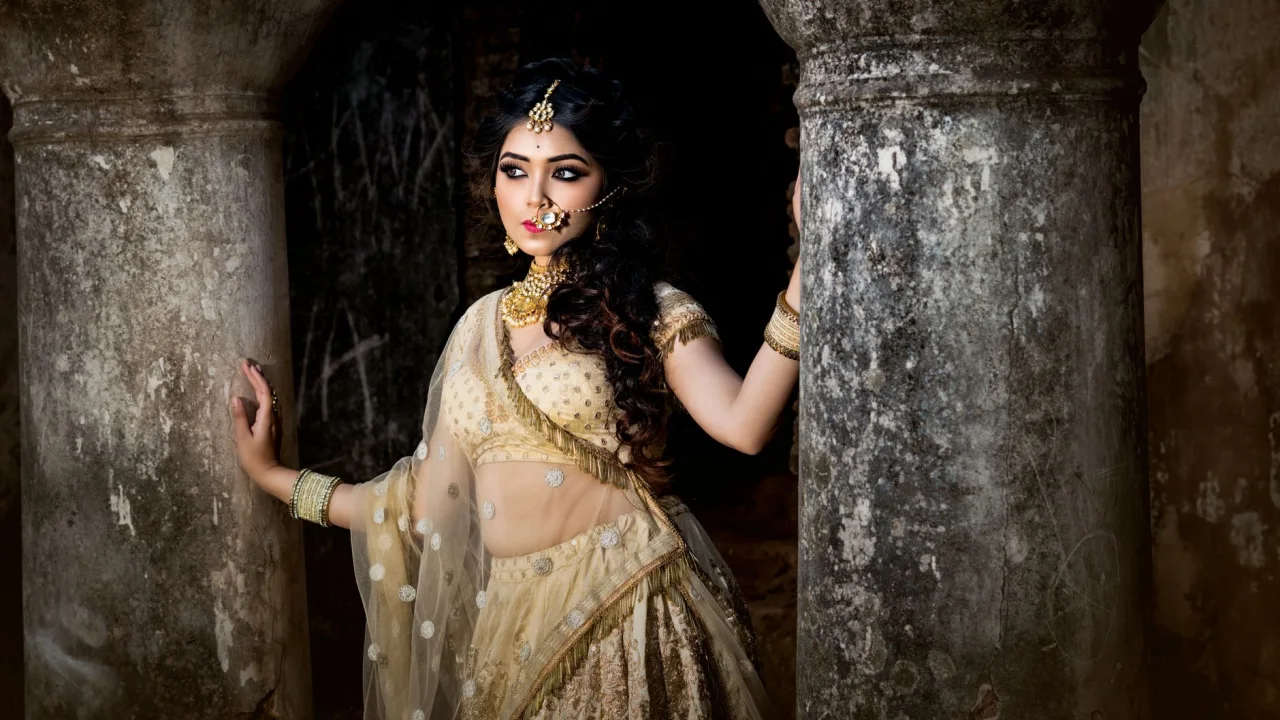
The silhouette is the single biggest decision, because it determines both the drama of the skirt and which figures it flatters. The commonly recognised lehenga shapes include:
- A-line: narrow at the waist, widening steadily to the hem. Universally flattering and easy to walk in.
- Flared or circular: maximum volume with heavy pleating, the classic twirling bridal shape.
- Mermaid or fishtail: fitted to the knee, then flaring out. Dramatic on taller, straighter frames.
- Panelled (kalidar): made from triangular panels (kalis) that create a full, structured flare.
- Straight: a slimmer, less voluminous skirt for a modern, streamlined look.
Wikipedia's lehenga entry lists these along with ghagri, sharara-style and trailing variants, a reminder of how broad the family is. Our lehenga buying guide matches these silhouettes to body types.
Quick silhouette test
- Widens gradually from the waist: A-line.
- Fitted to the knee, then bursts open: mermaid.
- Made of visible triangular panels: kalidar.
- Full, gathered and twirl-worthy: flared or circular.
Fabrics and embellishment
Fabric sets the weight, drape and formality of a lehenga. Lighter cloths float and suit daywear or lighter functions, while heavier cloths hold structured volume and carry dense embroidery.
- Lighter and flowing: georgette, chiffon and organza for softer, twirlable skirts.
- Structured and formal: raw silk, brocade and velvet for grand, sculptural shapes.
- Sheer with body: net, often layered over a lining to build volume.
Embellishment ranges from delicate thread and gota work to opulent zari, dabka and sequins. Festival and bridal lehengas often feature gota patti and zari work, and the amount and type of embroidery is the biggest driver of price. A lightly worked georgette lehenga and a fully embroidered bridal one can differ enormously in cost. It is worth remembering that a heavier skirt also means more weight to carry, so bridal lehengas balance dense hand embroidery against fabrics and linings that keep the garment wearable for a long event. When you compare two lehengas at similar prices, the density and quality of the embroidery, and whether it is hand or machine worked, usually explains the difference.
Lehenga vs sharara vs saree: how to tell them apart
These occasion staples are sometimes confused, so here is the quick way to distinguish them.
- Lehenga: a single flared skirt worn with a choli and dupatta.
- Sharara: a pair of wide, flared trousers with a separate leg on each side, worn with a short kurti. See our sharara guide.
- Saree: a single length of unstitched cloth draped around the body, not a stitched skirt.
The presence of a separate trouser leg marks a sharara, while a single open skirt marks a lehenga.
Who does a lehenga suit and when to wear one?
Because so many silhouettes exist, there is a lehenga for almost every figure: A-line for near-universal flattery, mermaid for height, panelled for structured volume and straight for a slim, modern line. Petite frames are usually best served by a high, well-defined waist and a moderate flare that does not swallow the figure, while taller wearers can carry the fullest circular and trailing skirts. As with the sharara, getting the waist fit and the hem length right matters more than the price tag, because a well-fitted lehenga hangs cleanly and moves beautifully. On occasion, the lehenga spans light festive functions to the grandest weddings. A georgette or lightly worked lehenga suits sangeet and festival wear, while heavily embroidered silk, velvet and net lehengas are classic bridal and reception choices. For event-by-event styling, see our lehenga styling guide and browse shapes in our lehenga designs roundup.
Frequently asked questions
What is a lehenga?
A lehenga is a long, flared, ankle-length skirt from the Indian subcontinent, worn with a fitted blouse called a choli and a scarf called a dupatta. Together these three pieces form the lehenga choli or ghagra choli, a staple of South Asian festival and wedding wear.
What is the difference between a lehenga and a sharara?
A lehenga is a single open flared skirt, while a sharara is a pair of wide, flared trousers with a separate leg on each side, worn with a short kurti. The easiest test is that a sharara has two trouser legs, whereas a lehenga is one continuous skirt.
What are the main types of lehenga?
The main silhouettes are A-line, which widens gradually and flatters most figures; flared or circular, the fullest twirling shape; mermaid or fishtail, fitted to the knee then flaring; panelled or kalidar, made from triangular panels; and straight, a slimmer modern cut. The silhouette is the biggest factor in how a lehenga looks and who it suits.
Where did the lehenga originate?
The lehenga belongs to the ghagra choli tradition of the Indian subcontinent, which evolved from ancient three-piece attire of the antariya, uttariya and stanapatta documented in early Sanskrit and Pali literature. As a popular garment the lehenga became widespread around the 16th century across India, Bangladesh and Pakistan.
Is a lehenga only for brides?
No. While heavily embroidered silk, velvet and net lehengas are classic bridal choices, lighter georgette and chiffon lehengas suit sangeet, festival and party wear. There is a lehenga for almost every occasion and body type, from simple everyday festive versions to elaborate wedding couture.
What is a lehenga made of?
Lehengas are made from a range of fabrics chosen for drape and formality. Georgette, chiffon and organza give lighter, flowing skirts, while raw silk, brocade, velvet and layered net build structured, formal volume. Embellishment ranges from thread and gota work to heavy zari and dabka, which is the main driver of price.
More on Clothing Types
Have a question or a topic to suggest?
We read every message. Tell us what you would like to see next in the journal.
Get in touch