Lehenga Designs: 20+ Ideas for 2026
Silhouettes, colours, fabrics and embroidery worth bookmarking, grouped by occasion and budget.
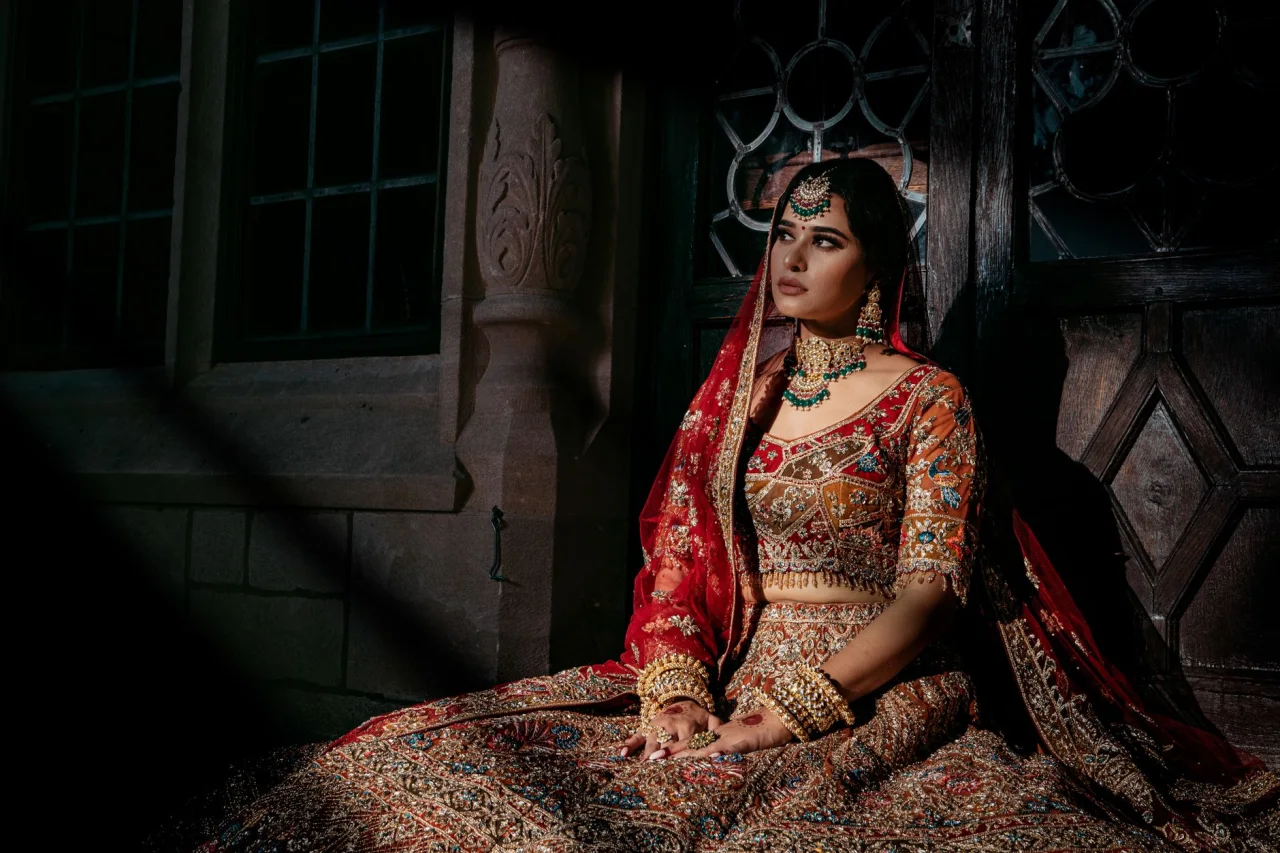
The lehenga is the outfit brides, wedding guests and festive dressers reach for when they want drama with movement. This roundup gathers more than twenty design directions worth bookmarking for 2026, grouped by silhouette, colour, fabric and occasion so you can shortlist ideas that actually suit your event and budget.
The short version
- Silhouette drives everything: A-line and flared skirts flatter the widest range of bodies, while mermaid and panelled cuts read more formal.
- 2026 leans into softer pastels and rich jewel tones alongside the classic reds, with tone-on-tone embroidery instead of loud contrast.
- Lightweight fabrics like organza, net and georgette are popular for movement, while raw silk and velvet anchor heavier bridal and winter looks.
- These are design directions, not a ranked leaderboard: choose by occasion, comfort and your own colouring, not by what is loudest online.
How to read this list
A lehenga is a long pleated or flared skirt worn with a fitted blouse (the choli) and a draped dupatta, part of the outfit also known as the gagra choli. If you are new to the garment, our complete guide to the lehenga and our lehenga choli explainer cover the anatomy and terminology in full. Here we focus on the design ideas themselves, so you can build a mood board before you shop or brief a tailor.
Think of the entries below as building blocks rather than a strict menu. A single lehenga usually combines one silhouette, one colour story, one fabric family and one embroidery style, so mix and match the sections to describe the piece you actually want.
A quick word on the trend framing: this is an honest style guide, not a ranked leaderboard. Fashion moves in directions rather than fixed rules, and the best design for you is the one that suits your event, your colouring and your comfort. Use the ideas here to describe what you like clearly, whether you are searching online, briefing a boutique or planning a custom piece with a tailor.
Silhouettes worth trying
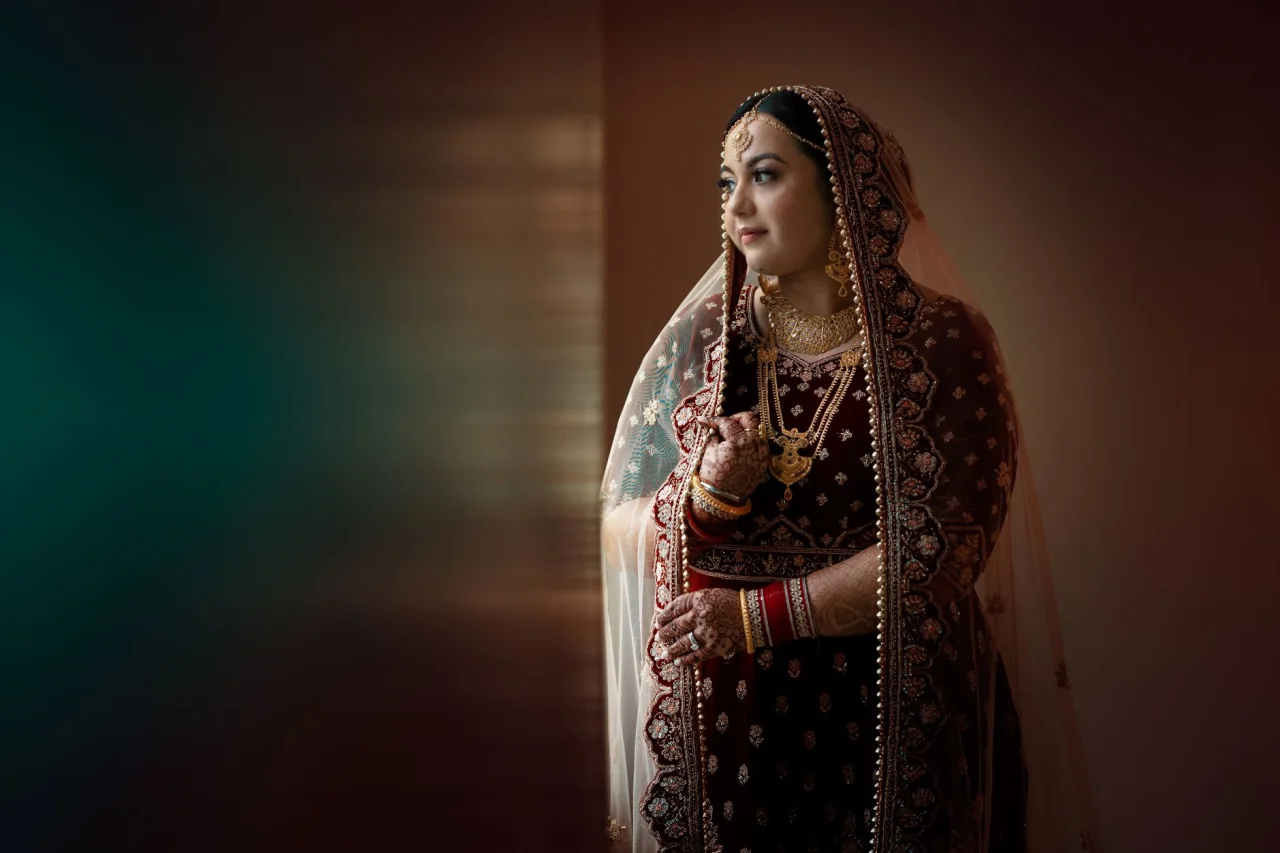
Cut is the first decision because it shapes how the skirt moves and who it flatters. The most useful silhouettes for 2026 are:
- A-line lehenga. Narrow at the waist and gently widening to the hem, this is the safest all-rounder and suits most body types.
- Flared or circular (kalidar) lehenga. Made from multiple panels (kalis) for a dramatic twirl. Excellent for dance-heavy events like mehndi and sangeet.
- Mermaid or fishtail lehenga. Fitted to the knee, then flaring out. Elegant and formal, but less forgiving, so fit matters enormously.
- Straight or paneled lehenga. A slimmer, less voluminous line for those who prefer a modern, understated look.
- Sharara-style lehenga sets. A crossover look that borrows the wide-leg drama of a sharara, popular for those who want something a little different.
Styling note
Volume reads as formality. A heavily flared kalidar skirt looks celebratory even in plain fabric, while a straight-cut lehenga stays elegant without overwhelming a smaller frame. Match the amount of flare to the scale of the occasion.
Colour directions for 2026
Colour is where trends move fastest, so treat these as starting points rather than rules:
- Soft pastels: powder blue, sage, blush and butter yellow, often for daytime and mehndi functions.
- Jewel tones: emerald, sapphire, wine and deep teal, which photograph beautifully in evening light.
- Classic bridal reds and maroons, which remain the traditional first choice for many brides across the subcontinent.
- Ivory, champagne and gold, for a restrained, contemporary bridal or reception look.
- Tonal and ombre skirts, where a single colour shades from light to dark down the length of the lehenga.
A dependable approach is to pick one dominant colour for the skirt, then echo it in the embroidery rather than fighting it with a loud contrast. Tone-on-tone work looks expensive and ages well in photographs.
Fabric ideas that change the mood
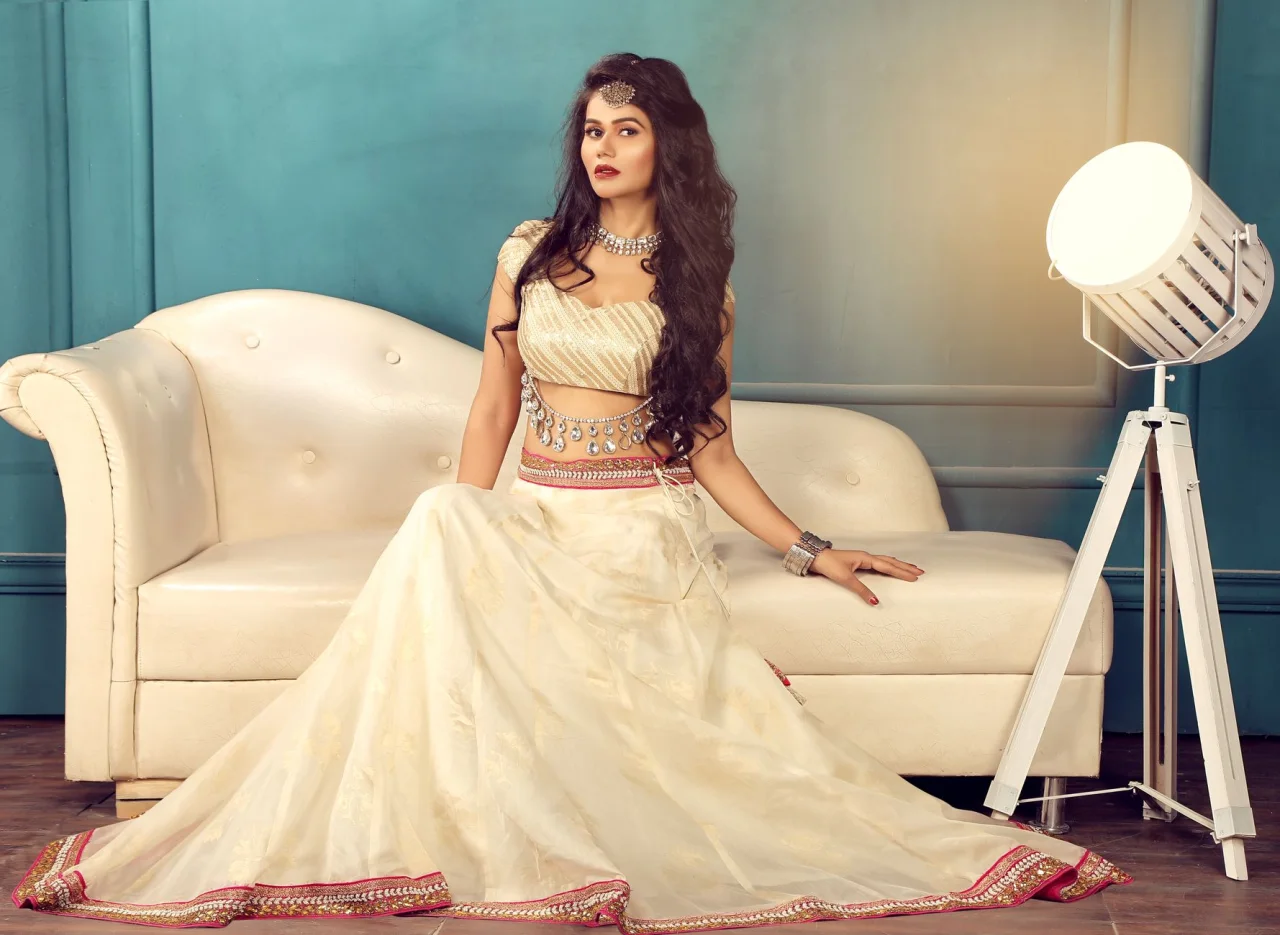
The same silhouette feels completely different depending on the cloth. Popular fabric directions include:
- Organza and net for airy, structured volume with plenty of twirl.
- Georgette and chiffon for soft, fluid drape that skims the body.
- Raw silk and brocade for a rich, formal bridal weight.
- Velvet for winter weddings and festive evening wear, where depth of colour is the point.
If your event runs late or involves dancing, a lighter fabric will keep you comfortable. Heavier silks and velvets look regal but carry real weight once the embroidery is added.
Embroidery and surface work
Surface detail is often what separates an everyday lehenga from an heirloom one. Common techniques you will see include:
- Zari work, the metallic gold or silver thread whose largest production centre is Surat in Gujarat, used for classic, regal brocade and borders.
- Gota patti, the Rajasthani appliqué of metallic ribbon, lovely for bright, festive daywear.
- Mirror work (shisha), for a playful, folk-inspired mehndi or sangeet look.
- Thread and resham embroidery, for colourful floral motifs that feel light and modern.
Denser hand embroidery costs more and adds weight, so decide early how much surface work you actually want to carry through a long function.
Occasion-based ideas
Grouping designs by event is the fastest way to shortlist. As a rough map:
- Mehndi and haldi: bright yellows, greens and oranges, flared cuts, mirror or gota work. See our mehndi dress ideas for more.
- Sangeet: movement-friendly kalidar or flared skirts in light fabrics so you can dance.
- Reception: mermaid or A-line in jewel tones or metallics, with a statement blouse.
- Bridal: heavily worked red, maroon or pastel lehengas, often in raw silk or velvet. Our bridal dress roundup goes deeper here.
- Wedding guest: lighter embroidery and comfortable A-line cuts, covered in our wedding guest outfit ideas.
Tip
If you are a guest, avoid heavy bridal reds and full ivory sets so you do not clash with the bride. A jewel-tone or pastel A-line lehenga with moderate embroidery is almost always a safe, elegant choice.
Blouse and dupatta ideas
The choli and dupatta carry half the design story. Current directions include corset and structured blouses, sheer or embroidered full sleeves, deep or boat necklines, and blouses that contrast the skirt colour for a modern look. For dupattas, a single heavily bordered drape over one shoulder keeps things classic, while a double dupatta (one over the head, one on the arm) reads more traditional and bridal. To see these combinations in context, browse our dedicated lehenga choli design ideas.
Prints and modern motif ideas
Not every lehenga relies on heavy embroidery. Printed and lightly embellished skirts are a growing, wearable direction, especially for daytime and less formal events. Ideas worth exploring:
- Floral prints on organza or georgette for a fresh, spring-like mehndi or daytime look.
- Geometric and colour-block panels for a modern, graphic feel.
- Digital prints that blend painterly motifs with light sequin or thread highlights.
- Foil and metallic prints that read festive without the weight of full embroidery.
Printed lehengas are usually lighter and more affordable than heavily worked ones, which makes them a practical choice for a single-wear guest outfit or a first lehenga.
Budget-friendly versus investment pieces
Design ideas exist at every price point. Lighter fabrics, machine embroidery and ready-to-wear cuts keep costs down for a single-wear guest look, while hand-worked raw silk and velvet bridal lehengas are genuine investment pieces. Prices vary widely by fabric, amount of hand work, brand and retailer, so treat any figure you see online as indicative and confirm current pricing directly with the seller. Our lehenga buying guide breaks down realistic price brackets and the red flags to watch for. Once you have chosen a design, our lehenga styling guide shows how to finish the look for each event.
Frequently asked questions
Which lehenga silhouette suits most body types?
The A-line lehenga is the most universally flattering, because it is fitted at the waist and widens gently to the hem, balancing most figures. Flared kalidar cuts also suit a wide range of bodies and add movement, while mermaid styles are more fitted and demand precise tailoring.
What colours are popular for lehengas in 2026?
Soft pastels such as powder blue, sage and blush sit alongside rich jewel tones like emerald, wine and sapphire, while classic bridal reds and maroons remain a traditional favourite. Ivory, champagne and gold are popular for contemporary reception looks. Treat these as directions rather than fixed rules.
Which fabric is best for a comfortable lehenga?
For long functions or dancing, lighter fabrics like georgette, net and organza keep you comfortable and give good movement. Raw silk, brocade and velvet look richer and more formal but carry more weight once embroidery is added, which suits weddings and winter events.
How is a lehenga different from a lehenga choli?
They describe the same outfit at different levels of detail. Lehenga refers to the skirt, while lehenga choli names the full ensemble of skirt, fitted blouse and dupatta together. Our complete guides explain the anatomy and history in more depth.
How much does a lehenga cost?
Prices range enormously, from affordable ready-to-wear guest lehengas to high-end hand-worked bridal pieces. The final figure depends on fabric, the amount and type of embroidery, brand and retailer, so use any online price only as a rough guide and confirm current pricing with the seller before buying.
More on Clothing Types
Have a question or a topic to suggest?
We read every message. Tell us what you would like to see next in the journal.
Get in touch