How to Style a Lehenga
Casual, festive and wedding looks, plus dupatta drapes and accessory pairings that pull it together.
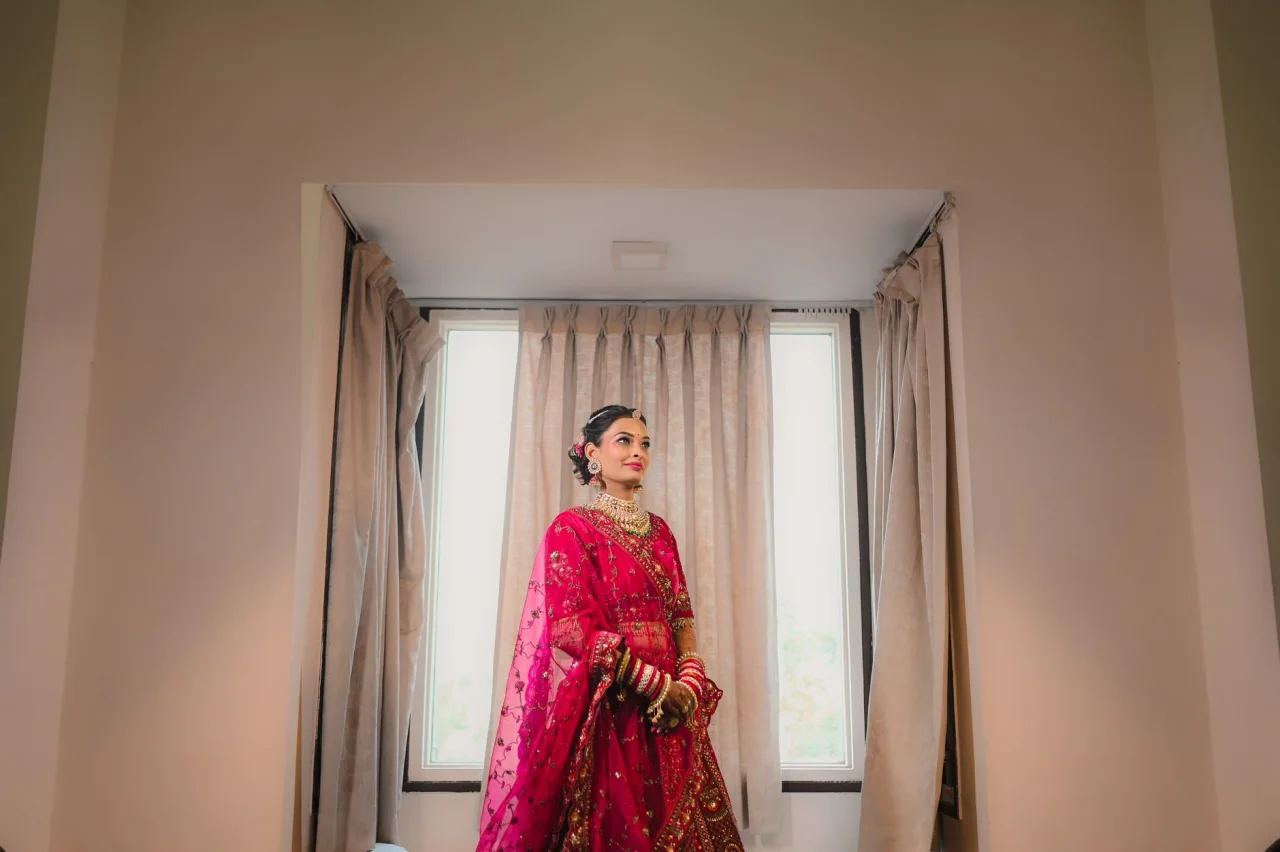
A lehenga is only half an outfit until you style it. The same skirt can read as a relaxed festive look or a full bridal statement depending on the blouse, the dupatta drape, the jewellery and the shoes. This guide walks through complete looks for casual, workwear, festive and wedding occasions, so you can dress one lehenga several ways with confidence.
The short version
- Let the occasion set the volume: lighter dupatta drapes and minimal jewellery for daytime, layered draping and statement pieces for weddings.
- The dupatta is your biggest styling lever: how you drape it changes the whole silhouette.
- Match your jewellery metal to the embroidery: gold zari pairs with gold jewellery, silver or oxidised work with cooler tones.
- Comfort is part of style: pick heels you can actually dance in and pin the dupatta so you are not managing it all night.
Start with the three pieces
Every lehenga look is built from a skirt, a fitted blouse (choli) and a dupatta, the three pieces of the outfit also called the gagra choli. If you want a refresher on the garment itself, our lehenga choli guide covers the anatomy. Styling is mostly about deciding how prominent each of those three pieces should be. For a loud skirt, keep the blouse and dupatta calmer. For a plain skirt, let a bold blouse or a heavily bordered dupatta do the talking.
Before you choose accessories, look at the embroidery. Gold zari and metallic work call for warm gold jewellery, while silver, oxidised or thread work sits better with cooler or antique-finish pieces. Getting the metals to agree is the single easiest way to look pulled together.
Casual and daytime looks
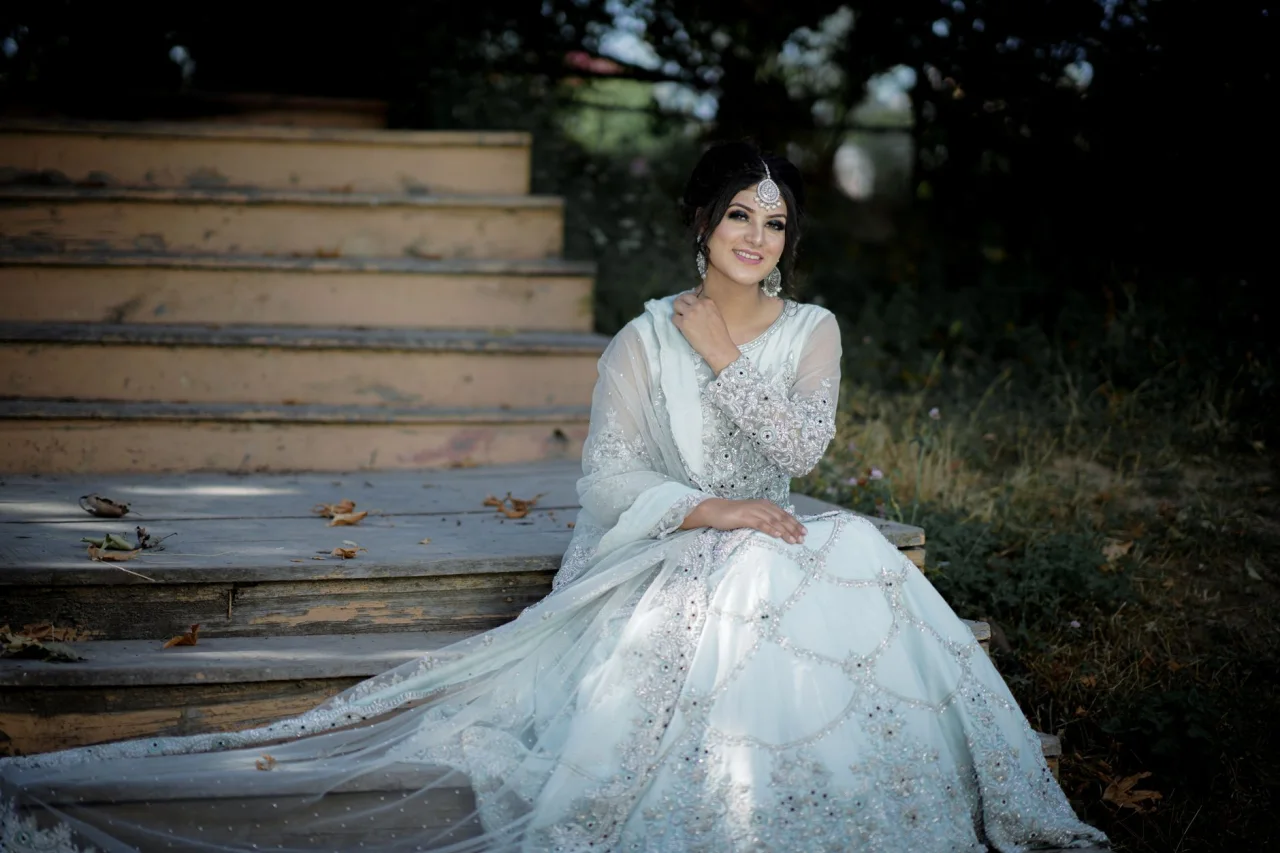
Yes, a lehenga can be worn casually, especially the lighter cotton, georgette or printed versions. To keep it relaxed:
- Choose a simple cotton or georgette skirt with minimal embroidery.
- Pair it with a plain or lightly worked blouse, or even a well-fitted crop top or shirt.
- Drape the dupatta loosely over one shoulder, or skip it entirely for a modern day look.
- Keep jewellery to studs and a couple of bangles, and swap heels for flats or juttis.
This works for daytime festivals, casual family gatherings and mehndi pre-events where comfort matters more than drama.
Workwear and semi-formal styling
A lehenga is rarely daily office wear, but a simple set can work for festive days at work or a semi-formal event. Choose a straight or A-line cut in a solid colour, a modest full-sleeve or elbow-sleeve blouse, and a neatly pinned single dupatta. Stick to one piece of statement jewellery, such as earrings or a bracelet, rather than a full set, and choose a closed, comfortable heel. The aim is polished rather than celebratory.
Styling note
For any daytime or workplace look, pin the dupatta securely at the shoulder and, if needed, at the waist. A dupatta you have to keep rescuing quickly turns an elegant outfit into a distraction.
Festive looks for Eid, Diwali and parties
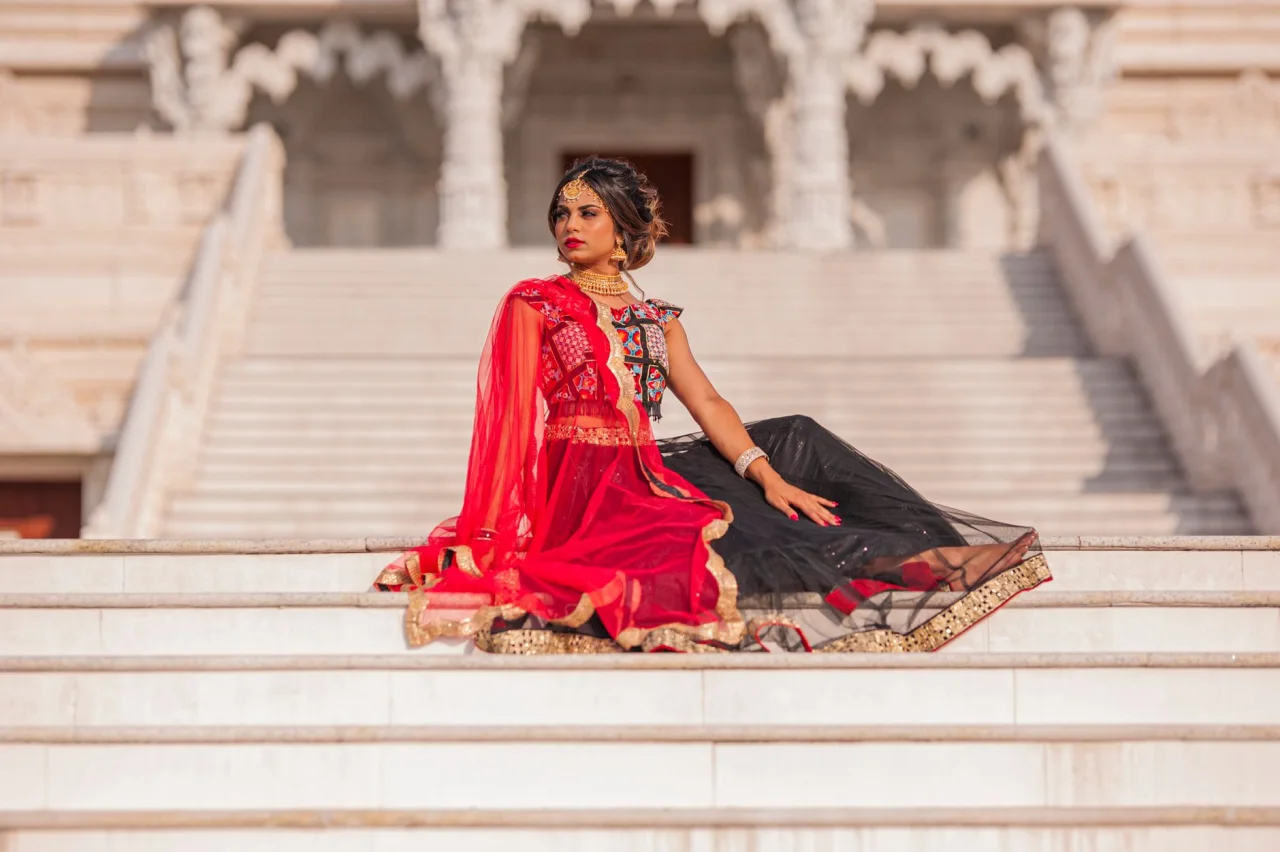
Festive dressing is where the lehenga shines. Here you can lean into brighter colours, richer fabrics and more embroidery without going full bridal:
- Pick a jewel-tone or pastel skirt in organza, net or georgette for movement.
- Choose a blouse with some detail: a nice neckline, sheer sleeves or light embroidery.
- Drape the dupatta over one shoulder with a defined pleat, or across the front for a softer line.
- Add a matching earring and bangle set, and a small clutch.
For festival-specific ideas, our Eid outfit ideas show how to scale a lehenga up or down for the day. A flared cut with mirror or gota work, the Rajasthani metallic-ribbon appliqué, is especially fun for a party or sangeet where you will be dancing.
Wedding guest looks
As a guest, the goal is to look festive without competing with the bride. That means avoiding heavy bridal reds and full ivory sets, and choosing moderate rather than maximal embroidery. A jewel-tone or pastel A-line lehenga with a coordinated blouse and a single well-draped dupatta is a reliable formula. Finish with a matching jewellery set scaled to the event, heels you can stand in for hours, and a small embellished clutch. Our wedding guest outfit guide has more combinations for different function types.
Bridal and reception styling
Bridal styling is the fullest expression of the lehenga. Here the layering goes up: a heavily worked skirt in red, maroon, pastel or metallic, a statement blouse, and often a double dupatta, one draped over the head and one on the arm, which reads as traditional and regal. Jewellery becomes a full set, potentially including a maang tikka, matha patti, choker and layered necklaces, kada or chooda, and jhumkas. Because the outfit is heavy, comfort planning matters: choose a manageable heel height, have the dupatta securely pinned, and plan an outfit change if the celebration runs long. Our bridal dress ideas explore full bridal directions in more detail.
Tip
Do a full trial before the day: outfit, dupatta pinning, jewellery and shoes together. It reveals pinch points, gaps in the blouse and a dupatta drape that photographs better on one shoulder than the other, all of which are far easier to fix in advance.
Dupatta draping styles
The dupatta is your most powerful styling tool. A few reliable drapes:
- Single shoulder pleat: pleated neatly and pinned on one shoulder, the most versatile everyday drape.
- Front cascade: pinned at both shoulders and left to fall down the front, softening the neckline.
- Over the head: a traditional, ceremonial drape often used by brides and for religious functions.
- Double dupatta: two dupattas layered for a fuller, more bridal effect.
The heavier the drape, the more formal the look. Choose the lightest drape that still suits your occasion so you stay comfortable.
Shoes, bags and hair
Footwear should match the formality and, importantly, the length of your event. Juttis and block heels are comfortable for daywear and dancing, while stilettos suit a seated reception. Keep the bag small: an embellished clutch or potli is enough. For hair, a sleek bun or a soft blow-out keeps the focus on the outfit for formal looks, while loose waves suit a lighter festive lehenga. Once your look is set, our lehenga buying guide can help you invest in the right base piece, and our design ideas roundup is a good place to find fresh inspiration.
Common styling mistakes to avoid
A few recurring mistakes quietly undo an otherwise lovely lehenga. Watch for these:
- Mismatched metals: gold jewellery against silver or oxidised embroidery looks disjointed. Match the metal to the surface work.
- An unpinned dupatta: constantly adjusting a slipping dupatta reads as unease. Pin it securely and forget about it.
- Over-accessorising: a heavy necklace, big earrings, a maang tikka and stacked bangles all at once can overwhelm the outfit. Let one area lead.
- Wrong shoe height: a hem tailored for heels drags with flats, and vice versa. Decide your footwear before the final hem.
- Ignoring the neckline: your jewellery should suit the choli neckline, a choker for a high neck, longer pieces for a deep or boat neck.
None of these are hard to fix, but catching them before the event is what separates a good look from a great one.
Adapting one lehenga for different events
One of the lehenga's quiet strengths is versatility. The same skirt can be restyled several ways: swap a heavy bridal-style choli for a simple blouse to dress it down, change the dupatta drape from over-the-head to single-shoulder to shift the formality, and scale jewellery up or down for the occasion. A neutral or jewel-tone skirt is the most adaptable base, because it pairs with many blouse colours. Building a small set of interchangeable blouses and dupattas around one good skirt is a smart, budget-friendly way to get several looks from a single investment.
Frequently asked questions
Can I wear a lehenga casually?
Yes. A light cotton, printed or georgette lehenga with minimal embroidery, a simple blouse and a loosely draped or skipped dupatta works well for daytime festivals and casual gatherings. Pair it with flats or juttis and keep jewellery minimal to keep the look relaxed.
How should I drape a lehenga dupatta?
The most versatile drape is a neat single-shoulder pleat pinned in place. For a softer look, pin at both shoulders and let the dupatta cascade down the front. Over-the-head and double-dupatta drapes are more formal and traditional, and suit weddings and ceremonies. Choose the lightest drape that fits your occasion.
What jewellery goes with a lehenga?
Match the metal to the embroidery: gold zari work pairs with gold jewellery, while silver, oxidised or thread work suits cooler and antique finishes. For daywear, keep it to studs and a few bangles. For weddings, a fuller set with earrings, a necklace and bangles is appropriate, scaled to the formality of the event.
What shoes should I wear with a lehenga?
Choose footwear by comfort and event length. Juttis and block heels are ideal for daywear and dancing, while stilettos suit a mostly seated reception. Make sure the height lets you stand and move comfortably for the whole function.
How do I style a lehenga as a wedding guest without upstaging the bride?
Avoid heavy bridal reds and full ivory sets, and keep embroidery moderate rather than maximal. A jewel-tone or pastel A-line lehenga with a coordinated blouse, a single neat dupatta drape and a matching jewellery set is festive without competing with the bride.
More on Styling Guides
Have a question or a topic to suggest?
We read every message. Tell us what you would like to see next in the journal.
Get in touch