Monochrome Outfits: Complete Guide
One hue, head to toe: the looks, colours and texture tricks that make it work.
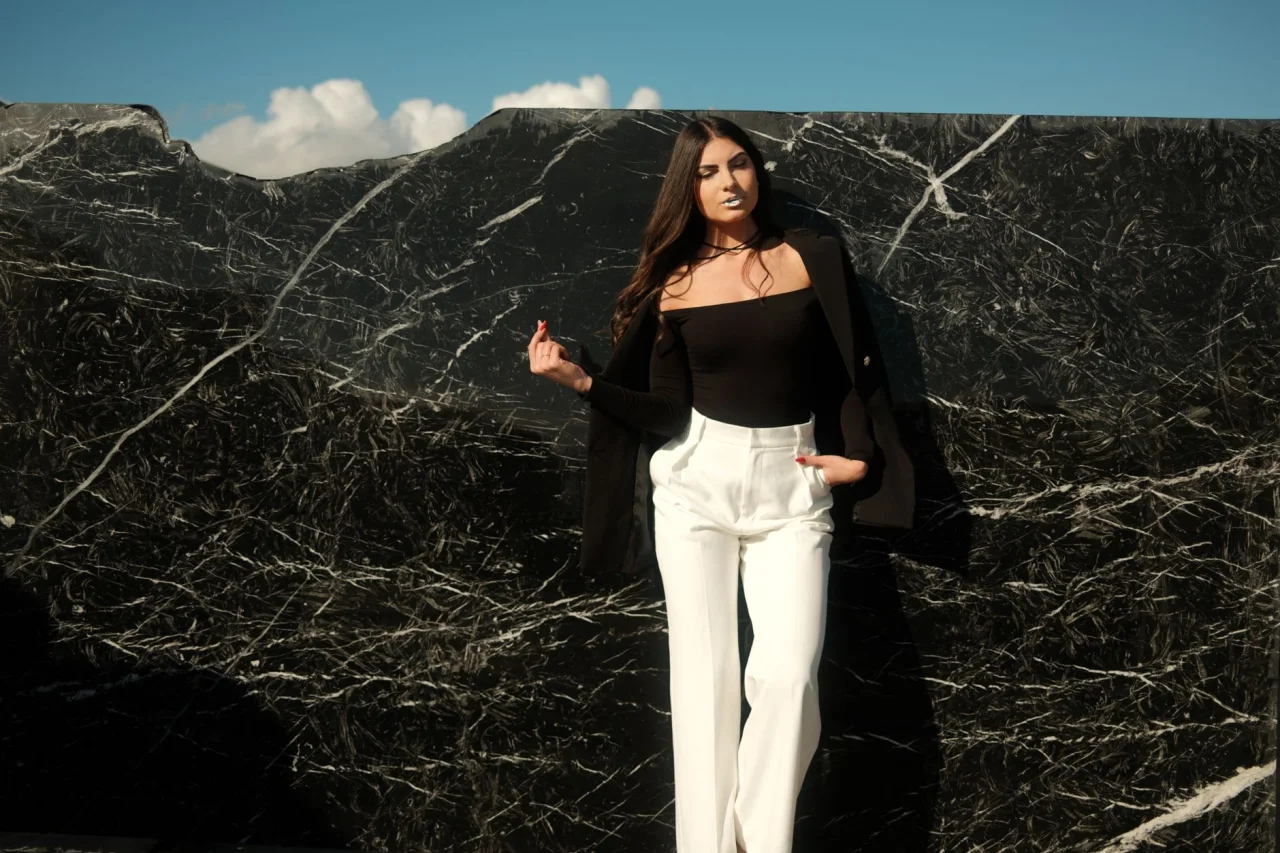
A monochrome outfit is one of the most elegant, most forgiving looks in fashion: a single colour, worn head to toe, in a play of tints and tones. In desi dressing it turns a simple kurta or a grand lehenga into something quietly striking. This complete style guide breaks down what monochrome really means, the named ways to wear it, and which shades and occasions each approach suits.
The short version
- Monochrome means one hue worn throughout, varied by tint, shade and tone rather than by colour.
- Texture and embroidery carry the interest that a second colour usually would.
- It flatters every body type by creating a long, unbroken vertical line.
- Match your metals and accessories deliberately, since there is no second colour to hide behind.
What a monochrome outfit actually means
A monochromatic look uses variations of a single hue. Those variations come three ways: tints, made by adding white to increase lightness; shades, made by adding black to decrease lightness; and tones, made by adding grey to soften the colour, as documented on Wikipedia. Crucially, monochrome does not mean flat. The same source notes that the relative absence of hue contrast can be offset by variations in tone and the addition of texture, which is exactly how a good monochrome outfit stays interesting.
In practice that means a blush kurta, a deeper rose dupatta and a dusty-pink shoe all belong to one pink family, and together they read as considered rather than matchy. If you want to explore pairings that use more than one colour, our colour combinations guide is the companion to this one.
Why monochrome works so well
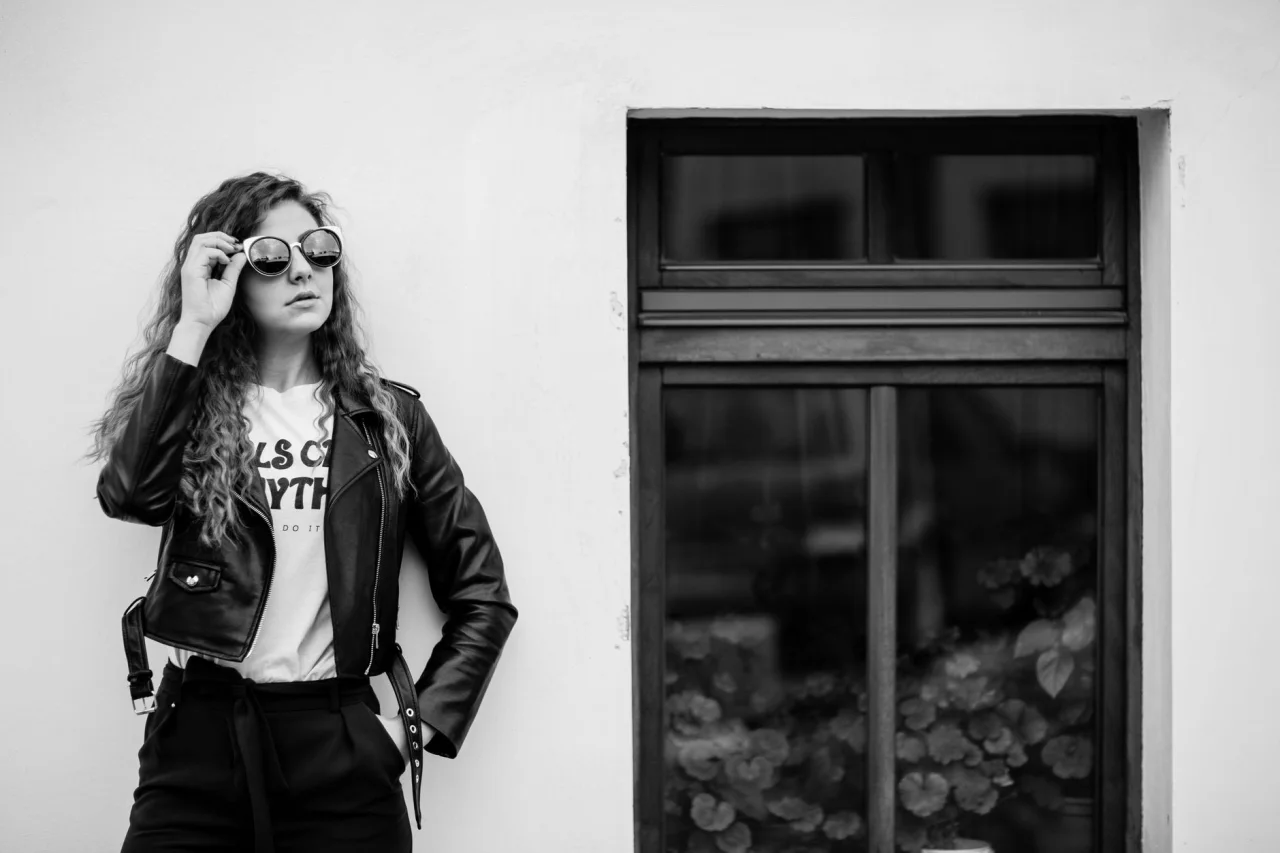
Beyond looking polished, a single-colour outfit does real work for the wearer:
- It lengthens the frame: one unbroken colour creates a continuous vertical line, which is flattering on every body type.
- It is forgiving: with no clashing colours to manage, it is almost impossible to get wrong.
- It photographs beautifully: a cohesive palette reads as intentional and elegant in pictures.
- It stretches a wardrobe: pieces in the same family mix and match easily.
Tone-on-tone: the classic monochrome look
The most popular approach layers different tints and shades of one hue: a light kurta with a mid-tone dupatta and a deeper bottom, for instance.
- Best for: beginners, because it adds depth without any risk.
- How to build it: pick a base hue, then choose one lighter and one darker version of it.
- Occasions: office, daytime events and smart-casual outings.
Tone-on-tone dressing is the safest way into monochrome and the easiest to assemble from pieces you already own.
Full single-shade: the bold statement
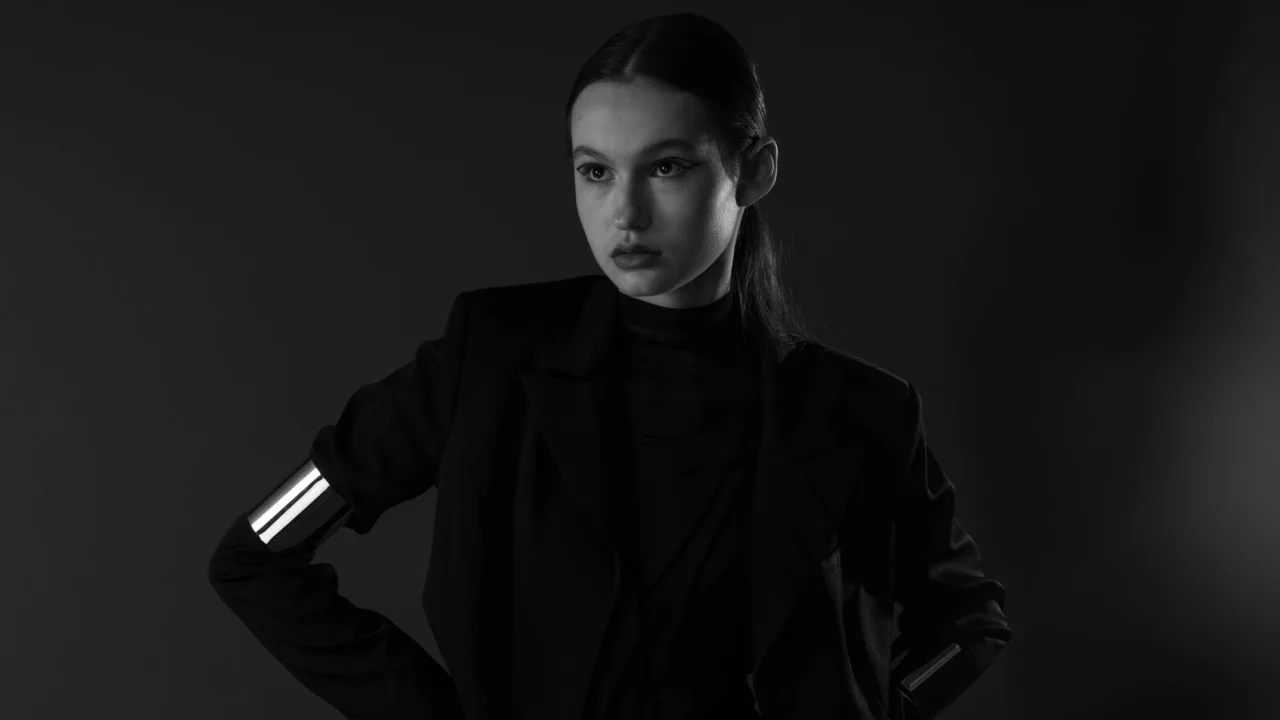
Wearing one exact shade from head to toe, with no variation, makes a confident, high-fashion statement. An all-ivory, all-black or all-emerald ensemble reads dramatic and modern.
- Best for: formal events and photo-driven occasions.
- How to keep it interesting: lean on texture and embroidery, since colour is not doing the work.
- Occasions: weddings, receptions and evening functions.
An all-white or all-ivory look is especially popular for daytime formals, while a single deep jewel tone suits evening wear.
Texture is the secret
When colour stays constant, texture carries the outfit. Mix a matte kurta with a sheer organza dupatta, add self-coloured tone-on-tone embroidery, or pair a raw-silk top with a smooth georgette bottom. The variation in surface is what stops a monochrome look from reading flat.
Choosing your colour family
Some hues are particularly rewarding in monochrome. A few reliable families:
- Ivory and cream: soft, timeless and perfect for daytime formals and nikahs.
- Blush and rose: flattering and romantic, ideal for engagements and mehndi events.
- Emerald and forest green: rich and regal for festive and wedding wear.
- Black: the ultimate statement, elevated with tonal texture and metallic embroidery.
- Powder blue and grey: calm and modern for office and smart-casual looks.
Choose a family that suits both your skin tone and the occasion, then vary the tints and tones within it.
Accessorising a monochrome outfit
With no second colour to lean on, accessories become the accent, so choose them deliberately:
- Metals: gold warms up ivory, blush and jewel tones; silver and pearl suit greys, blues and black.
- Contrast pop: a single contrasting accessory, a bag, a bindi or a bright jutti, can lift an all-one-colour look if you want a break.
- Jewellery weight: a plain monochrome outfit can carry a statement piece; a heavily textured one wants restraint.
Our jewellery matching guide and shoe matching guide help you finish the look cleanly.
Monochrome across desi silhouettes
The approach adapts to almost any outfit:
- Kurta sets: a tonal kurta, trouser and dupatta in one hue is effortless daywear.
- Lehengas: a single-shade lehenga, choli and dupatta reads modern and elegant; our lehenga styling guide shows how.
- Shararas and ghararas: a monochrome sharara or gharara lets the flare and embroidery lead. See our sharara styling tutorial.
- Saree and dupatta: a tonal dupatta over a matching suit is the simplest monochrome upgrade.
Styling shortcut
If a full monochrome look feels too much, keep the outfit tonal and add one deliberate contrast at a single point, such as the shoes or the bindi. This near-monochrome trick keeps the elegance while giving the eye one place to land.
Seasonal monochrome dressing
A single-colour palette adapts neatly to the calendar once you shift the tints and the fabrics. The underlying colour theory helps here: a tint is a colour mixed with white to increase lightness, a shade is mixed with black to deepen it, and a tone is softened with grey, as documented on Wikipedia. Season by season, that gives you a simple formula:
- Summer: lean on tints, the lighter end of your hue. Powder blue, blush and mint in breathable cotton, lawn and chiffon feel fresh and cool.
- Winter: lean on shades, the deeper end. Wine, forest green and charcoal in raw silk, velvet and jacquard read rich and warm.
- Festive and transitional: tones and jewel shades in organza, net and silk carry embroidery well and photograph beautifully under evening light.
Keeping one hue but moving along its tint-to-shade range is the easiest way to make a monochrome wardrobe work all year without buying into a dozen different colours.
Monochrome for men and couples
Monochrome is not only a womenswear idea. A single-shade kurta pyjama or sherwani looks sharp and modern on men, and matches especially well for couples coordinating an event. A few pointers:
- Coordinate, do not clone: a couple in the same hue but different tints, one lighter, one deeper, looks intentional rather than costume-like.
- Let texture differ: a matte kurta beside a subtly textured one keeps a paired look from reading flat.
- Anchor with a shared accent: a common metal tone or a repeated detail ties two monochrome looks together.
The same principles of texture, tone and restraint apply, which is what makes monochrome such a reliable choice for occasions where several people need to look cohesive in photographs.
Common monochrome mistakes to avoid
- Zero texture: the same colour in the same flat fabric everywhere can look plain. Vary the surface.
- Slightly-off shades: two greens that nearly match but do not can look like a mistake. Either match exactly or vary clearly by tint.
- Ignoring the metals: a warm gold accent on a cool grey outfit can jar. Match metal temperature to the hue.
- Forgetting the neckline: in a single colour, cut and neckline do more work; our neckline guide helps you choose.
Get the texture and the tones right and a monochrome outfit becomes one of the most sophisticated things you can wear, endlessly adaptable from a quiet office day to a grand evening function.
Frequently asked questions
What is a monochrome outfit?
A monochrome outfit uses variations of a single colour worn throughout, created by mixing tints made with white, shades made with black, and tones made with grey. The interest comes from those tonal variations and from texture rather than from combining different colours.
Is a monochrome look flattering on every body type?
Yes. Wearing one colour head to toe creates a continuous, unbroken vertical line, which visually lengthens the frame and flatters every body type. It is also forgiving, since there are no clashing colours to balance.
How do I keep a monochrome outfit from looking boring?
Lean on texture and tonal variation. Mix matte and sheer fabrics, add self-coloured tone-on-tone embroidery, and vary the tints and shades within your chosen hue. Because colour stays constant, the change in surface and depth is what keeps the look interesting.
Which colours work best for a monochrome outfit?
Ivory and cream suit daytime formals, blush and rose flatter engagements and mehndi events, emerald and forest green read regal for weddings, black makes a bold statement with texture, and powder blue or grey feel modern for office wear. Choose a family that suits your skin tone and occasion.
How should I accessorise a monochrome outfit?
Because there is no second colour to lean on, accessories become the accent. Match metal to hue, gold for warm and jewel tones, silver or pearl for cool tones, and keep jewellery restrained on a textured outfit or bolder on a plain one. A single contrasting accessory can add a deliberate pop.
More on Styling Guides
Have a question or a topic to suggest?
We read every message. Tell us what you would like to see next in the journal.
Get in touch