Dupatta Styles: The Complete Guide
Every drape named and explained, with the outfits, fabrics and occasions each one suits best.
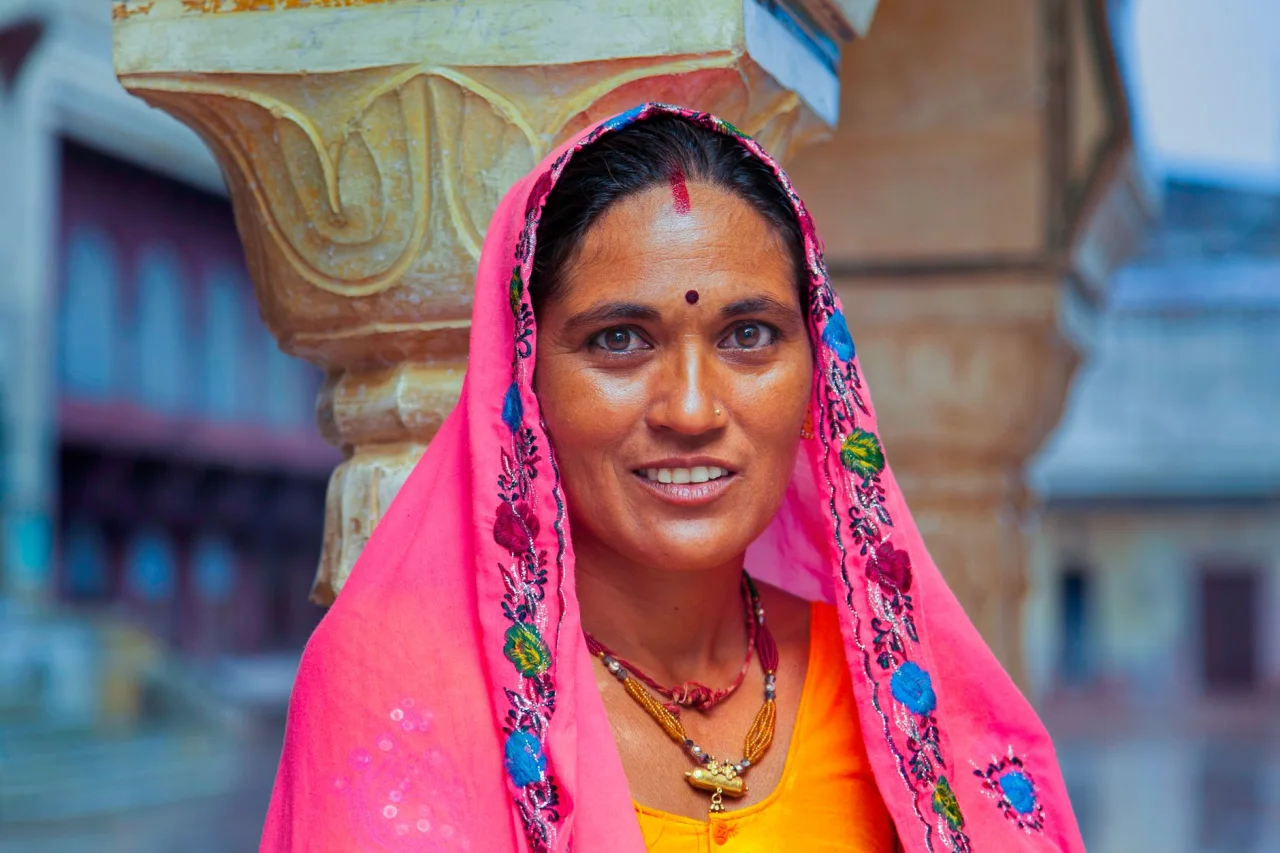
A dupatta is rarely just one thing. The same length of fabric can read modern and minimal or ceremonial and grand depending purely on how it is styled. This guide is a named catalogue of dupatta styles, what each one looks like, which outfits it flatters and the occasions it suits, so you can pick a look with confidence before you even reach for a pin.
The short version
- Dupatta styles fall into three families: shoulder drapes, chest drapes and head drapes.
- Fabric decides the mood as much as the drape: crisp organza sculpts, soft chiffon flows.
- Regional styles like Phulkari and Bandhani carry their own character and history.
- Match the style to formality first, then coordinate fabric, border and jewellery.
What a dupatta is, and why style matters
A dupatta is a long shawl-like scarf traditionally worn by women across the Indian subcontinent, evolving from the ancient uttariya shoulder-veil, as documented on Wikipedia. Because it is a single unstitched piece, its entire personality comes from how it is draped, which is why one dupatta can serve a casual morning and a formal evening equally. Learning the named styles below is the fastest way to get more wear out of what you already own.
If you want the hands-on mechanics of folding and pinning each look, our companion tutorial on how to wear a dupatta step by step covers the exact folds. This guide focuses on the styles themselves and where each one shines.
The single-shoulder drape
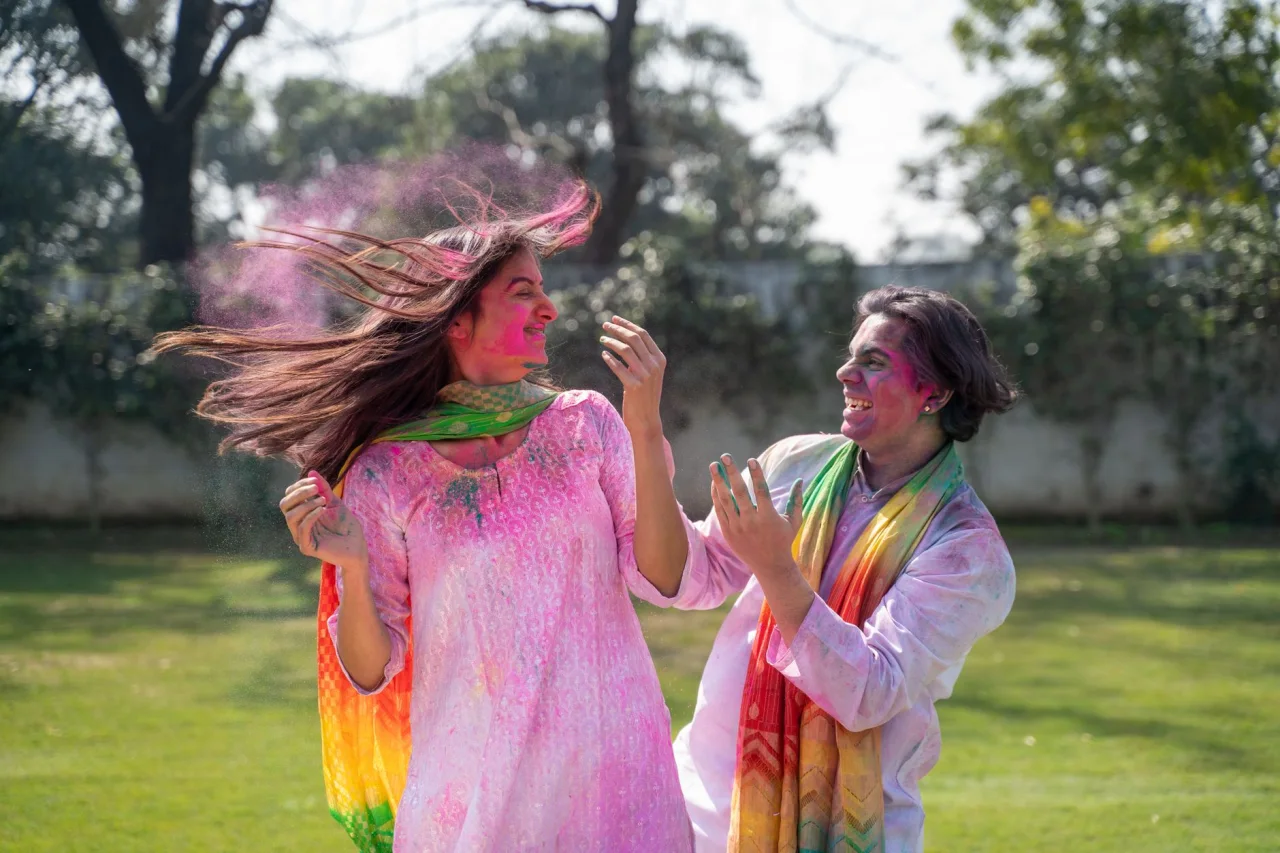
The everyday classic: pleated fabric resting on one shoulder and falling down the back, with the front left soft. It reads modern, neat and effortless.
- Best with: straight suits, kurtis, co-ord sets and fusion looks.
- Occasions: casual outings, the office and daytime events.
- Fabric to pick: chiffon or cotton for softness, or a light printed lawn for daywear.
This is the most versatile style in the catalogue and the one worth mastering first.
The two-shoulder (seedha) drape
Both ends brought forward over the shoulders, with the centre dipping across the upper back. It reads fuller and more traditional than a single shoulder.
- Best with: anarkalis, shalwar kameez and festive suits.
- Occasions: family functions, festive mornings and Eid gatherings.
- Fabric to pick: silk or a medium-weight embroidered fabric that hangs evenly.
The U-drape across the chest
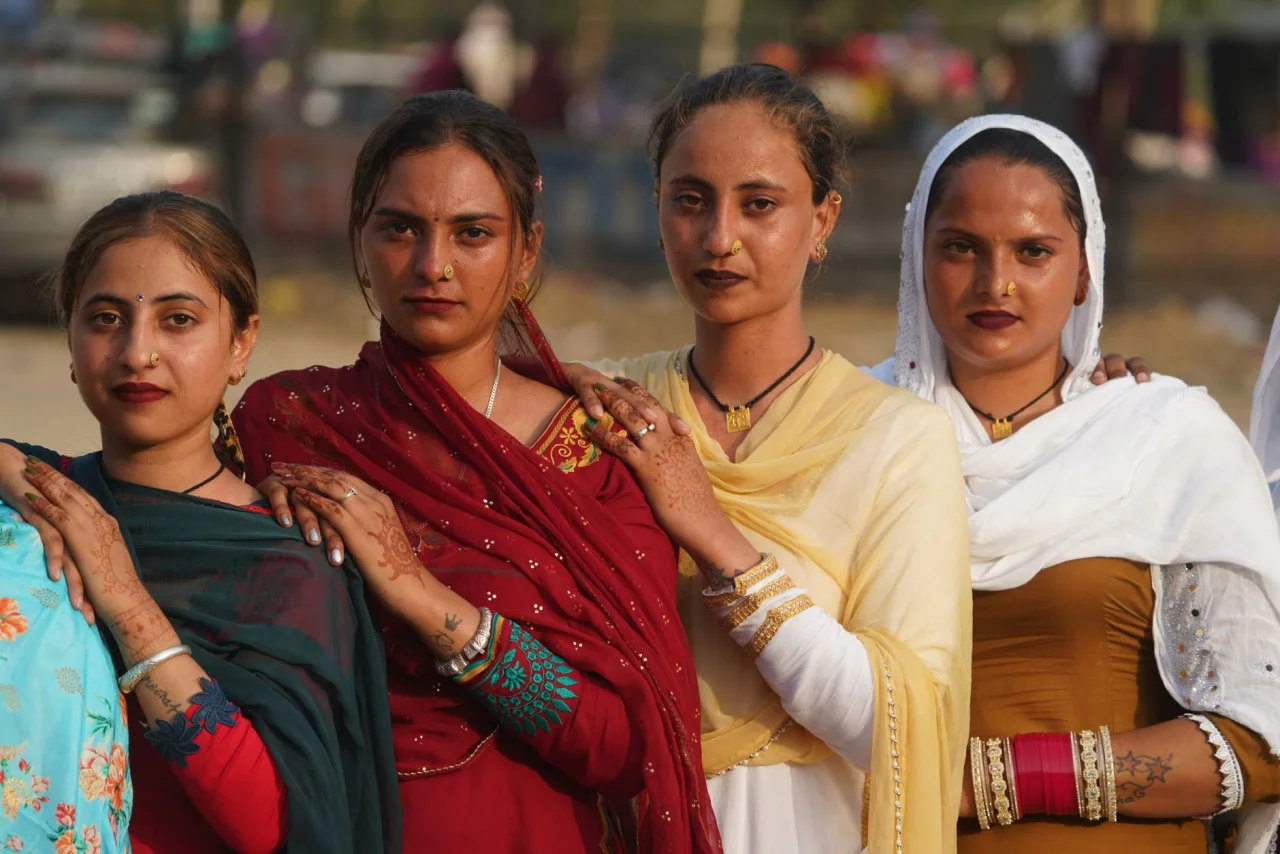
A soft U or V of fabric across the chest with the ends over each shoulder, most commonly worn with a shalwar kameez. It is modest, classic and endlessly practical.
- Best with: everyday shalwar kameez and lawn suits.
- Occasions: daily wear, work and casual visits.
- Fabric to pick: soft cotton, mul or chiffon that falls close to the body.
Because this drape frames the neckline, it pairs especially well with worked or embroidered necklines. Our neckline design guide helps you balance the two.
Fabric matching note
- Structured styles (belted, cape, sculpted pleats) need crisp fabric: organza, net or tissue.
- Flowing styles (U-drape, single shoulder) need soft fabric: chiffon, silk or fine cotton.
- When in doubt, drape the fabric over your arm in the shop. If it holds a fold, it will sculpt; if it slides off, it will flow.
The belted and cape styles
Two modern, structured takes that have become popular for fusion and festive fashion. The belted drape tucks the dupatta at the waist and cinches it with a thin belt or waist chain, while the cape style lets the dupatta hang open from both shoulders like a light layer.
- Belted best with: saree-style draping, palazzo sets and defined-waist looks.
- Cape best with: lehengas, sharara sets and contemporary occasion wear.
- Occasions: mehndi events, sangeets and photo-friendly festive functions.
- Fabric to pick: organza and net, which hold their shape for a sculpted line.
These styles photograph beautifully because they define the silhouette. For full outfit inspiration, browse our mehndi dress ideas.
The head drape and bridal ghoonghat
The most formal style, worn over the head to frame the face, and as a full ghoonghat over the head and face for many brides. It signals ceremony and grace.
- Best with: bridal lehengas, ghararas and heavy formal suits.
- Occasions: weddings, nikahs and religious ceremonies.
- Fabric to pick: a longer worked dupatta, often carrying zardozi gold and silver metal embroidery, a technique that prospered under the Mughal empire and remains a wedding favourite across the region, as noted on Wikipedia.
Because bridal dupattas are heavy, they need extra pinning at the crown. Our lehenga styling guide covers the full bridal picture.
Regional and textile styles
Some dupattas are defined less by drape and more by their craft, and carrying one is a way of wearing a region's heritage:
- Phulkari: the floral thread embroidery of Punjab, bright and celebratory.
- Bandhani: the tie-dye tradition of Gujarat and Rajasthan, dotted and vivid.
- Chikankari: the delicate white-on-white shadow work associated with Lucknow. Our chikankari guide explains how to judge quality.
- Organza and net: sheer, sculptural fabrics for festive and formal drapes. See our organza dupatta guide for styling and care.
These are documented regional traditions rather than trends, which is exactly why they never really go out of style.
Styling shortcut
If an outfit already carries heavy embroidery, choose a plainer dupatta and a simpler drape so the two do not compete. If the outfit is quiet, let the dupatta be the hero with a worked border or a bolder regional textile.
How to choose your dupatta style
Work through three quick questions and the choice usually makes itself:
- How formal is the occasion? Casual leans single shoulder or U-drape; festive leans two shoulder, belted or cape; bridal leans head drape.
- What is the outfit doing? A busy outfit wants a calm dupatta; a plain outfit can carry a statement one.
- What does the fabric allow? Structured styles need crisp fabric, flowing styles need soft fabric.
The dupatta works across nearly every silhouette, from a gharara to a simple kurta, so a small repertoire of styles lets you restyle much of your wardrobe. For finishing touches, pair your chosen drape with the right accessories using our jewellery matching guide.
Caring for your dupatta so the style lasts
A dupatta only drapes well when the fabric stays in good condition, and different fabrics have very different needs. A little care keeps your favourite styles looking crisp for years:
- Organza and net: these sheer, structured fabrics crease and snag easily. Store them rolled rather than folded, and iron on a low heat through a cloth. Our organza care guide covers this in detail.
- Chiffon and silk: hand wash gently or dry clean, and never wring. Hang to dry away from direct sun, which fades colour.
- Cotton and mul: the most forgiving. Machine wash on a gentle cycle and iron while slightly damp for a smooth finish.
- Embroidered and zardozi pieces: always dry clean, and store flat with acid-free tissue between the folds so the metal work does not tarnish or catch.
Matching the drape to the fabric is only half the job; keeping that fabric in shape is what lets a single dupatta serve you across dozens of outfits and seasons.
Building a small dupatta wardrobe
You do not need a drawer full of dupattas to cover every occasion. A compact, well-chosen set does more work than a large mismatched one. A practical starter edit:
- A neutral chiffon or cotton dupatta in ivory or beige for everyday single-shoulder and U-drapes.
- A structured organza or net piece for belted and cape styles at festive events.
- One worked or bordered dupatta to make a plain outfit feel occasion-ready.
- A longer formal dupatta in a rich shade for head drapes at weddings and nikahs.
With these four, plus the drapes in this guide, you can restyle most of your wardrobe. When you shop, prioritise fabric quality and a clean border over heavy embellishment, because a well-made plain dupatta pairs with far more outfits than a very ornate one.
Frequently asked questions
What are the main types of dupatta styles?
Dupatta styles fall into three families: shoulder drapes such as the single-shoulder and two-shoulder styles, chest drapes such as the U-drape worn with shalwar kameez, and head drapes including the bridal ghoonghat. Modern additions like the belted and cape styles sit within the shoulder-drape family.
Which dupatta style is best for a wedding?
For a wedding, a head drape or bridal ghoonghat is the most formal and ceremonial choice, usually in a longer, heavily worked fabric with zardozi or gota. As a guest, a cape or elegantly pinned two-shoulder drape looks celebratory without competing with the bride.
How do I choose a dupatta style for my outfit?
Start with formality, then the outfit and finally the fabric. Casual outfits suit a single-shoulder or U-drape, festive outfits suit two-shoulder, belted or cape styles, and bridal outfits call for a head drape. If the outfit is heavily embroidered, keep the dupatta and its drape simpler so they do not compete.
What is the difference between a Phulkari and a Bandhani dupatta?
A Phulkari dupatta features bright floral thread embroidery from Punjab, while a Bandhani dupatta uses the tie-dye technique of Gujarat and Rajasthan to create dotted patterns. Both are regional textile traditions, so the difference is in the craft rather than the drape.
Can one dupatta be worn in different styles?
Yes, and that is the appeal. A single dupatta can be draped on one shoulder for casual wear, across the chest for daily wear, or over the head for a formal occasion. The main limit is fabric: crisp fabrics hold structured styles best, while soft fabrics suit flowing drapes.
More on Styling Guides
Have a question or a topic to suggest?
We read every message. Tell us what you would like to see next in the journal.
Get in touch