How to Care for Organza Safely
Wash gentle, iron low, store loose: keep organza crisp and clean.
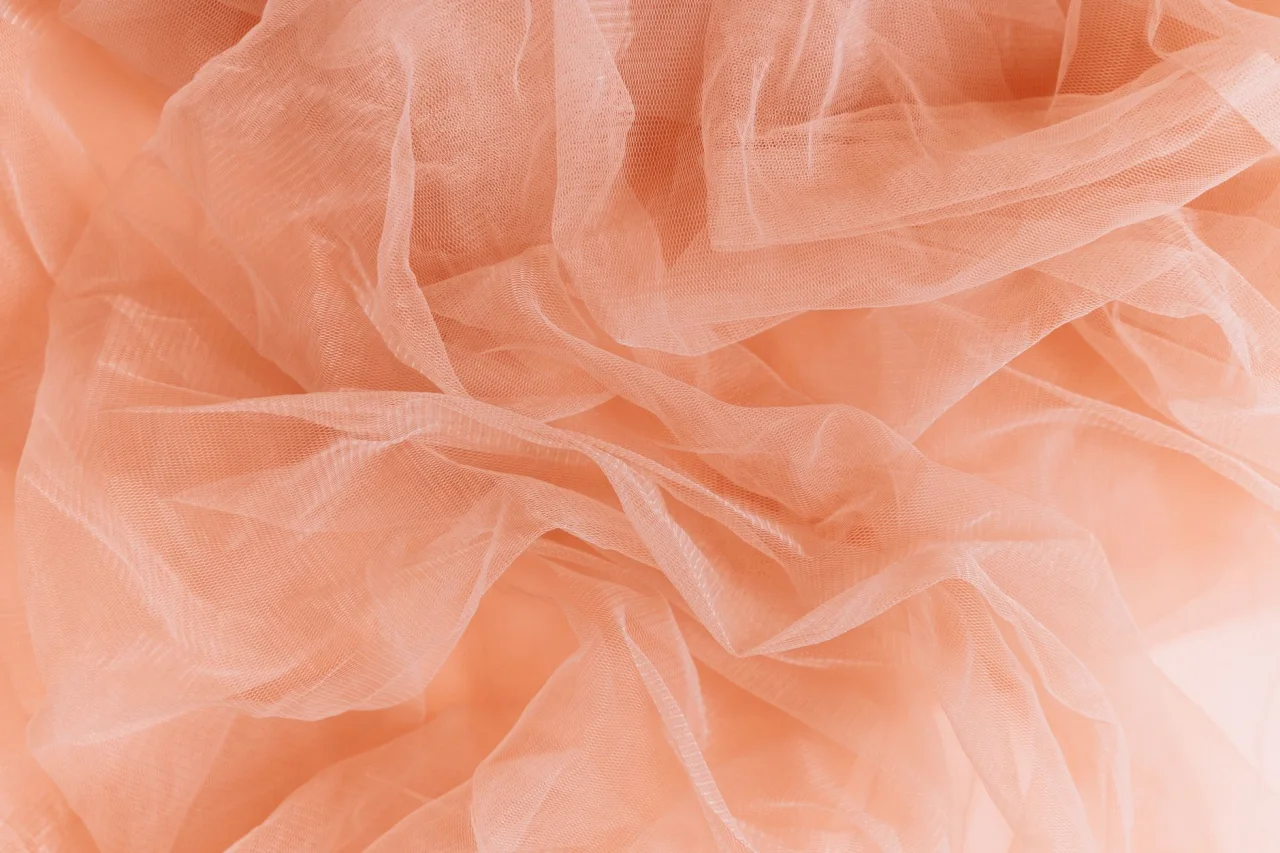
Organza is the crisp, sheer fabric that makes a dupatta float and a lehenga skirt stand away from the body, but that same stiffness makes it unforgiving if you wash, iron, or store it carelessly. This is the complete, save-worthy guide to caring for organza: how to clean it, the products to use and avoid, how to press out creases, and the mistakes that ruin the fabric for good.
The short version
- Organza is a thin, crisp, sheer fabric, traditionally silk and now often polyester or nylon, and it needs gentle handling.
- Dry clean anything silk or embellished; plain synthetic organza can be hand washed cool, never machine washed hard.
- Never wring, twist, or scrub organza, and never use bleach: all three distort the weave or damage the fibre.
- Iron on the lowest heat through a cloth, and store loosely rolled or padded so hard creases never set in.
Know your organza before you clean it
Organza is a thin, plain-weave, sheer fabric that was traditionally made from silk, and today is often woven from synthetic filament fibres such as polyester or nylon. It is distinguished by its crisp hand, its stiffness relative to weight, and a slightly slippery surface. That crispness is the whole appeal, and it is also what makes creases and heat damage so visible. For the full fabric background, see our guide to what organza is, its properties, uses and care.
The single most important thing to establish before cleaning is the fibre and the finish:
- Silk organza is the luxury version. It breathes better and has a softer sheen, but it is delicate and almost always belongs at the dry cleaner.
- Synthetic organza (polyester or nylon) is more durable and can sometimes be hand washed, but it melts under a hot iron.
- Embellished organza with embroidery, sequins, beads, or applique should be dry cleaned regardless of fibre, because water and agitation loosen the work.
How to wash organza safely

When in doubt, dry clean. It is the safest route for silk and for anything embellished. For plain, unembellished synthetic organza, careful hand washing is usually fine.
- Check the label and the work first. Heavy embroidery, sequins, or beads mean a trip to a trusted dry cleaner, not the sink.
- Fill a basin with cool water. Cold or lukewarm only, with a small amount of mild detergent fully dissolved.
- Swish gently. Move the fabric slowly through the water. Never scrub, rub, or twist, as this distorts the crisp weave.
- Rinse in clean cool water. Repeat until the water runs clear and no suds remain.
- Lift and press, do not wring. Support the fabric's weight, then press it gently between clean towels to remove water.
Products to use and avoid
Use a mild detergent or a gentle formula made for silk and delicates. Avoid chlorine bleach, harsh detergents, and any stain remover with strong chemicals, which can yellow, weaken, or distort organza. Skip fabric softener too. For embellished pieces, no home product beats a specialist dry cleaner who understands beadwork and embroidery.
Drying organza the right way
Organza dries quickly because it is so light, but heat and sun are still risks. The goal is to dry it flat and out of harsh light so it keeps its shape and colour.
- Lay flat or hang loosely. Dry organza flat on a towel or on a padded hanger so its weight does not stretch the weave.
- Keep it out of direct sun. Strong sun can weaken fibres and yellow both silk and synthetic organza over time.
- Never tumble dry. Machine heat can melt synthetic organza and shrink or distort silk.
- Reshape while damp. Smooth ruffles and pleats gently with your fingers as it dries so it sets in the right shape.
How to remove creases from organza

The crispness that gives organza its structure also means hard folds leave sharp creases. Pressing works, but only on very low heat and with a barrier, because organza scorches and synthetic versions melt.
- Set the iron low. Use the lowest heat or a dedicated silk setting. Test on a hidden corner first.
- Always use a pressing cloth. Place a thin cotton cloth between the iron and the organza so heat never touches the fabric directly.
- Press briefly, do not glide and hold. Short, light presses avoid scorch marks and shine.
- Consider a steamer. A garment steamer held slightly away from the surface relaxes creases without direct contact, which is often the safest method of all.
Ironing sheer, heat-sensitive fabrics is a skill worth learning once. Our companion tutorial on how to iron chiffon without ruining it covers the same low-heat, pressing-cloth principles for another delicate favourite.
Storing organza so it keeps its shape
Storage is where organza is quietly ruined between wears. Crushed under heavier clothes, it develops hard creases that need re-pressing every time. A little care in the wardrobe saves a lot of ironing.
- Roll dupattas and delicate pieces. Roll them loosely around a tube or a padded roll rather than folding sharply.
- Use padded hangers for stitched pieces. Hang organza kameez and dresses on padded hangers so the shoulders keep their line.
- Give it breathing room. Do not cram organza between heavy suits. Pressure is what sets stubborn creases.
- Cover it against dust. A breathable cloth garment bag protects the fabric while letting air move; avoid sealed plastic for long-term storage of silk.
Because organza appears so often in festive and bridal wear, these habits pay off most on your dressiest pieces. For styling ideas, our guides to organza outfits and what styles best and the organza dupatta styles and best picks show the fabric at its best.
Common mistakes that ruin organza
- Machine washing embellished pieces. Agitation snags embroidery and dislodges sequins and beads. Dry clean instead.
- Wringing and twisting. Distorts the crisp weave permanently. Always press water out gently.
- Ironing on high heat with no cloth. Scorches silk and melts synthetic organza. Always go low and use a pressing cloth.
- Drying in direct sun. Yellows and weakens the fibre over time.
- Folding and crushing it in storage. Creates hard creases that need constant re-pressing. Roll or hang instead.
- Using bleach or harsh stain removers. Damages the fibre and can leave permanent marks.
Frequently asked questions
Can I wash organza at home, or must it be dry cleaned?
Plain, unembellished synthetic organza can usually be gently hand washed in cool water with a mild detergent, without wringing. Silk organza and anything with embroidery, beads, or sequins is safer to dry clean, because water and agitation can distort the weave and damage the work. When in doubt, dry clean.
How do I get creases out of organza without damaging it?
Iron on the lowest heat or silk setting, always with a thin cotton cloth between the iron and the fabric, using short light presses rather than gliding and holding. A garment steamer held slightly away from the surface is even safer, as it relaxes creases without direct contact.
Will organza melt if I iron it?
Synthetic organza made from polyester or nylon can melt or develop a shiny scorch mark under a hot iron. Always use the lowest heat setting, test on a hidden corner first, and press through a pressing cloth. Silk organza will not melt but can scorch, so it also needs low heat and a cloth barrier.
How should I store an organza dupatta between wears?
Roll it loosely around a tube or padded roll rather than folding it into sharp creases, and keep it out of tight stacks where heavier clothes press on it. Sharp folds and pressure are the main cause of the stubborn creases that need re-pressing before every wear.
Can I use fabric softener or bleach on organza?
No. Avoid bleach entirely, as it weakens the fibre and can leave permanent marks, and skip fabric softener, which can leave residue on a crisp sheer. A mild detergent and a thorough cool rinse are all organza needs.
Sources: Wikipedia: Organza and Wikipedia: Silk.
More on Styling Guides
Have a question or a topic to suggest?
We read every message. Tell us what you would like to see next in the journal.
Get in touch