Organza Outfits: Styling Guide
The cuts, embellishments, and occasions where crisp, sheer organza truly shines.
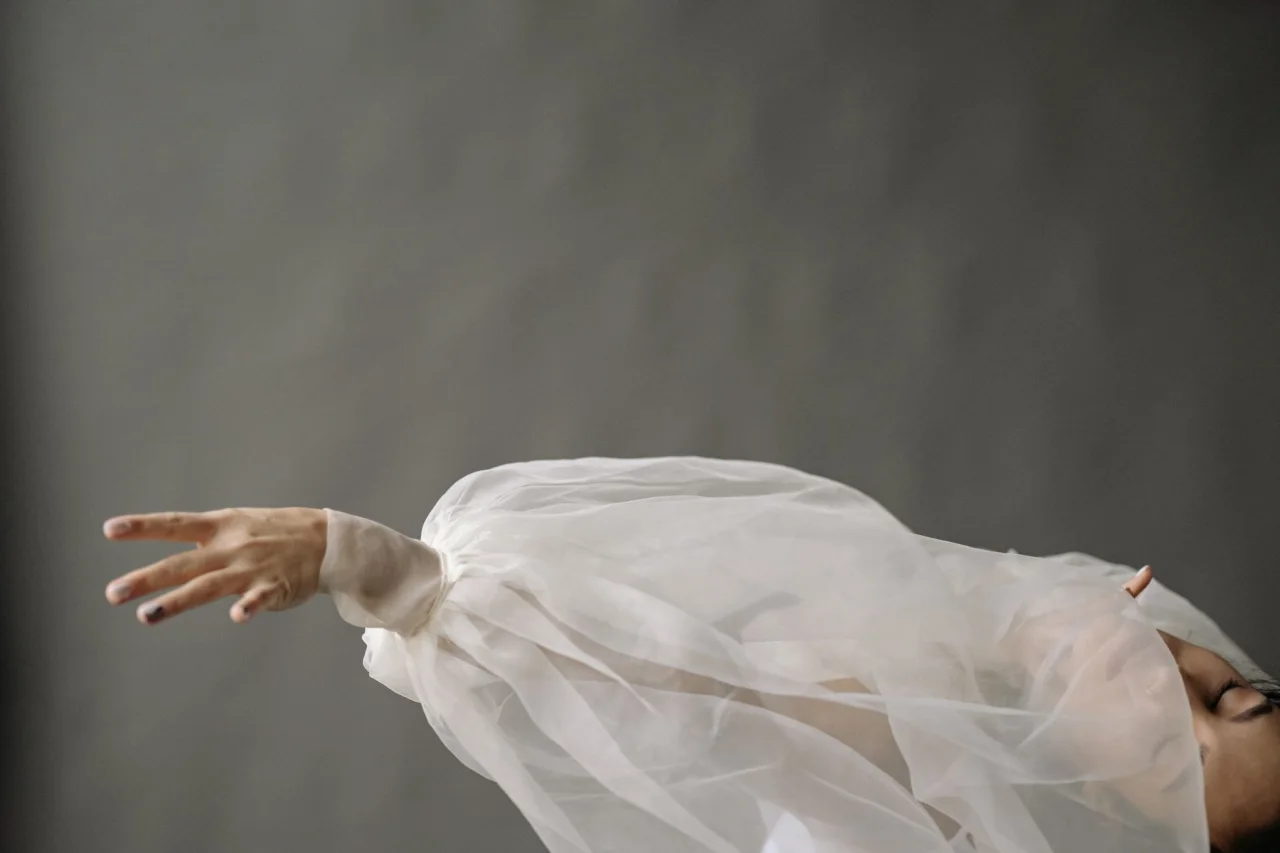
Organza is the fabric designers reach for when they want an outfit to hold its shape and catch the light. That crisp, sheer quality does specific things brilliantly and other things poorly, so the trick is to build looks that play to its strengths. This guide walks through the cuts, embellishments, occasions, and styling tricks that make organza sing, with honest notes on where it struggles.
The short version
- Organza is crisp and structured, so it flatters volume: flared lehengas, ruffled sleeves, capes, and standout dupattas.
- It is a natural base for surface work, embroidery, sequins, and applique sit beautifully on its smooth, sheer surface.
- It reads best at evening and celebration events under good lighting, less so at long, hot outdoor daytime functions.
- The lining underneath matters as much as the organza itself: it sets the modesty, colour depth, and comfort.
Why organza sews and styles the way it does
Everything organza does well traces back to three traits: it is sheer, it is crisp, and it is stiff relative to its weight. That means it stands away from the body instead of clinging, it holds folds and ruffles, and it lets embroidery and lighting shine through. If you want the full technical picture, our explainer on what organza is, its properties and care covers the fibre and weave in detail. Here we focus on turning those traits into outfits.
The flip side is worth naming up front. Organza does not drape softly, so it is a poor pick for a fluid, body-skimming silhouette. It creases sharply, so it needs care between wears. And because it is sheer, it always needs a considered lining. Design around those facts and the fabric rewards you.
The outfits organza does best
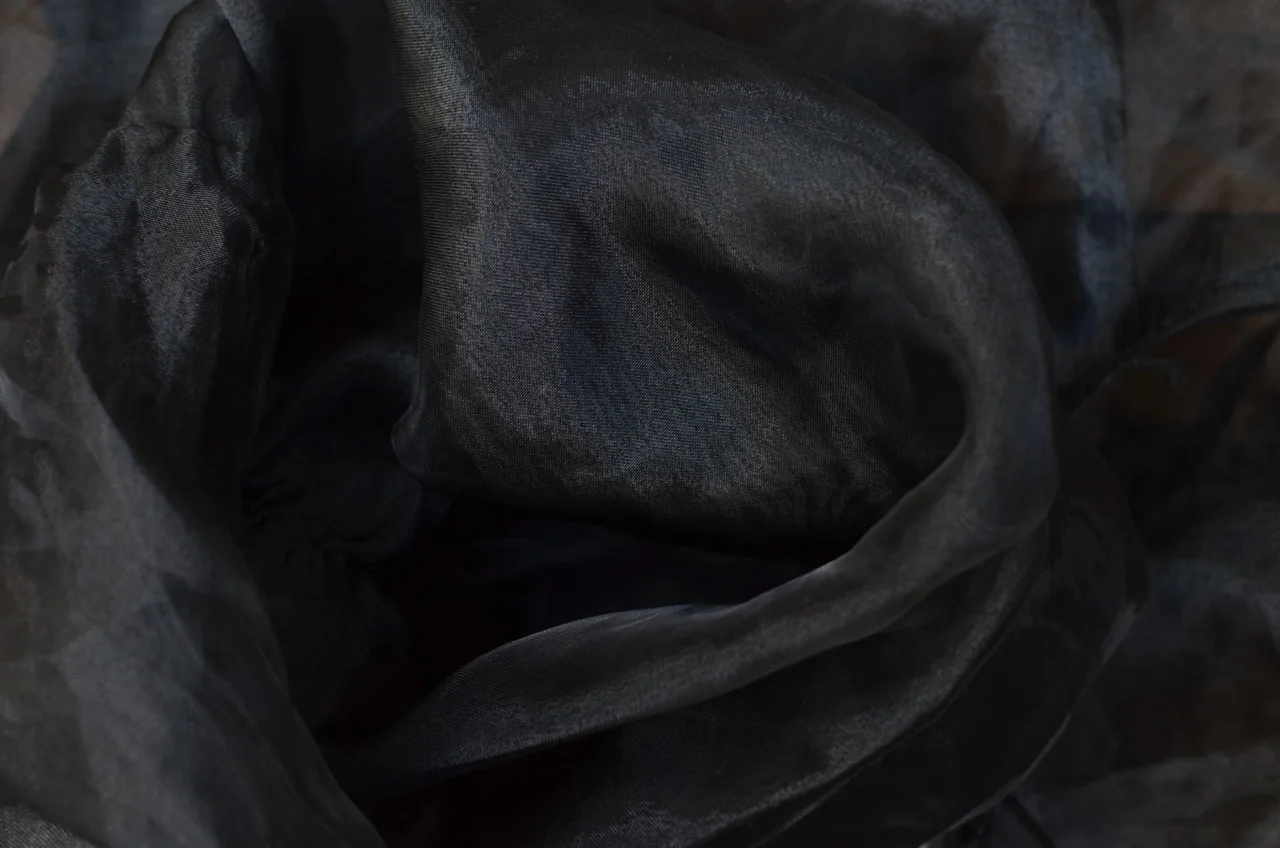
Some silhouettes were practically made for organza. These are the safe, high-impact choices.
- Flared lehengas. Organza gives a full, floating skirt without heavy padding. A lehenga in organza moves beautifully on a dance floor and photographs with lovely volume.
- Anarkalis and floor-length frocks. The crisp flare suits a fit-and-flare Anarkali, especially in tiers or panels over a solid lining.
- Statement dupattas. An organza dupatta holds its drape on the shoulder and frames the face, dressing up a plain lawn or cotton shirt instantly.
- Ruffled and caped details. Ruffle sleeves, one-shoulder capes, and layered hemlines keep their shape all evening thanks to the stiffness.
- Embroidered shirts and kameez. A sheer organza shirt over a coloured slip, finished with thread work or sequins, is a modern festive staple.
Embellishments that work on organza
Organza is a dream surface for decoration because it is smooth and holds its form, so the work does not sag or pucker. The most flattering choices tend to be:
- Thread and resham embroidery, which stays crisp and defined on the taut surface.
- Sequins and mirror work, which reflect the light the sheer fabric already loves.
- Applique and cutwork, where shapes are stitched onto or cut into the organza for a layered, dimensional effect.
- Gota and zari borders, which frame flares and dupatta edges with a festive finish.
Heavier work is possible but needs care: very dense beading can drag a lightweight organza, so bridal pieces often use organza as an accent layer over a sturdier base rather than as the sole weight-bearing fabric. If you love surface work, our overview of different types of embroidery in Pakistani fashion helps you name what you are looking at.
Styling note
Let the lining do the colour work. A pastel organza over a deeper tonal slip gives a soft, glowing two-tone effect, while a nude or skin-tone lining under an embroidered organza shirt keeps it modest and lets the work read cleanly. Always try the outfit under bright light, since sheer fabrics look very different in a dim changing room.
Matching organza to the occasion
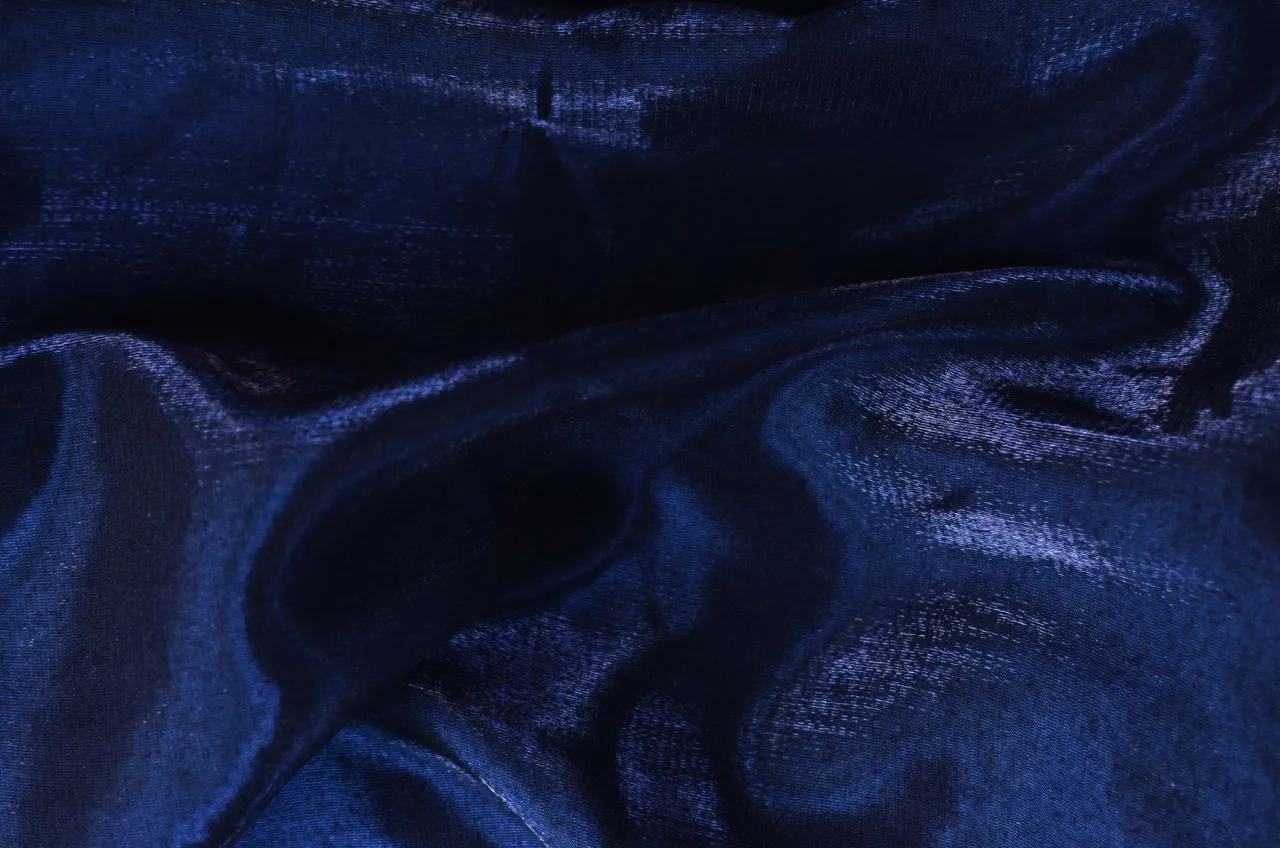
Organza is a celebration fabric. It looks its best where there is good lighting and a dressy mood.
- Weddings and mehndi functions. Flared organza lehengas and dupattas are festive-season staples. For inspiration, see our mehndi dress ideas.
- Eid and formal dinners. An embroidered organza shirt with a contrast slip strikes the right note of effort without heaviness. Our Eid outfit ideas show the range.
- Evening receptions and walima. Organza capes, ruffles, and structured skirts photograph beautifully under reception lighting.
- Daytime and outdoor summer events. This is where to be cautious. Organza is not the coolest fabric, so reserve it for shaded or air-conditioned settings, or keep it to a dupatta over a breathable base.
How to style an organza look from top to bottom
A few practical styling choices make organza feel intentional rather than fussy.
- Balance sheer with solid. Pair a sheer organza layer with an opaque, well-cut lining or a solid contrast piece so the outfit reads clean, not flimsy.
- Keep jewellery in step with the sheen. Organza already glows, so polished metals, kundan, and pearls complement it; you rarely need to over-layer.
- Choose structured footwear. Because the fabric adds airy volume up top, a defined heel or embellished khussa keeps the proportions grounded.
- Mind the length and hem. Crisp organza holds a clean hemline, so a well-finished edge or a gota border looks especially sharp.
- Layer with a solid jacket or waistcoat for cooler evenings, which also adds structure to a very floaty look.
Organza compared with its neighbours
Choosing between sheer fabrics is easier when you know how they move. Organza stands and holds shape, chiffon flows and clings, and net is more open and grid-like. If you are stuck between two, our comparisons on organza vs chiffon and net fabric vs organza lay out the trade-offs so you can match the fabric to the silhouette you want.
Care reminder
Organza creases sharply and can scorch under a hot iron, so steam it or press on low heat with a cloth barrier, and store it rolled or hung rather than folded flat. Treat embellished pieces as dry-clean only to protect both the fabric and the work.
Common organza styling mistakes to avoid
- Skipping the lining thought. A cheap or wrong-toned lining undoes an expensive organza. Plan them together.
- Forcing a body-hugging cut. Organza fights close silhouettes. Let it flare instead.
- Wearing it for a long hot outdoor day. Comfort will suffer. Save it for evenings or keep it to accent layers.
- Overloading with heavy beadwork on a single thin layer, which can pull and distort. Use a supporting base for heavy work.
- Storing it crushed, which sets creases that need re-pressing before every wear.
Frequently asked questions
What kind of outfits look best in organza?
Structured, voluminous pieces look best: flared lehengas, tiered Anarkalis, ruffled sleeves and capes, and statement dupattas. Organza is crisp and holds shape, so it flatters silhouettes that need lift rather than those that need to drape softly against the body.
Can organza be worn to a wedding?
Yes, organza is a popular festive and wedding fabric. Flared organza lehengas, embroidered organza shirts, and organza dupattas suit mehndi, Eid, and reception events well, especially under good indoor or evening lighting where the sheen and embroidery show at their best.
What embellishments work best on organza?
Thread and resham embroidery, sequins, mirror work, applique, cutwork, and gota or zari borders all sit beautifully on organza because its smooth, taut surface holds the work crisply. Very heavy beadwork is better placed over a supporting base so it does not drag the lightweight fabric.
Is organza comfortable to wear in summer?
Organza looks airy but is not the coolest fabric, and synthetic versions can feel warm. It is most comfortable at air-conditioned or evening events. For hot outdoor daytime functions, keep organza to a dupatta over a breathable base rather than a full outfit.
How do I stop my organza outfit from wrinkling?
Steam it or press on the lowest heat setting with a thin cotton cloth over the fabric, and store it rolled or on a padded hanger rather than folded flat. Sharp, long-term folds are the main cause of stubborn creases in organza.
Sources: Wikipedia: Organza and Wikipedia: Silk.
More on Fabrics
Have a question or a topic to suggest?
We read every message. Tell us what you would like to see next in the journal.
Get in touch