What Is Organza?
The crisp, sheer fabric behind structured lehengas and standout dupattas, explained from weave to care.
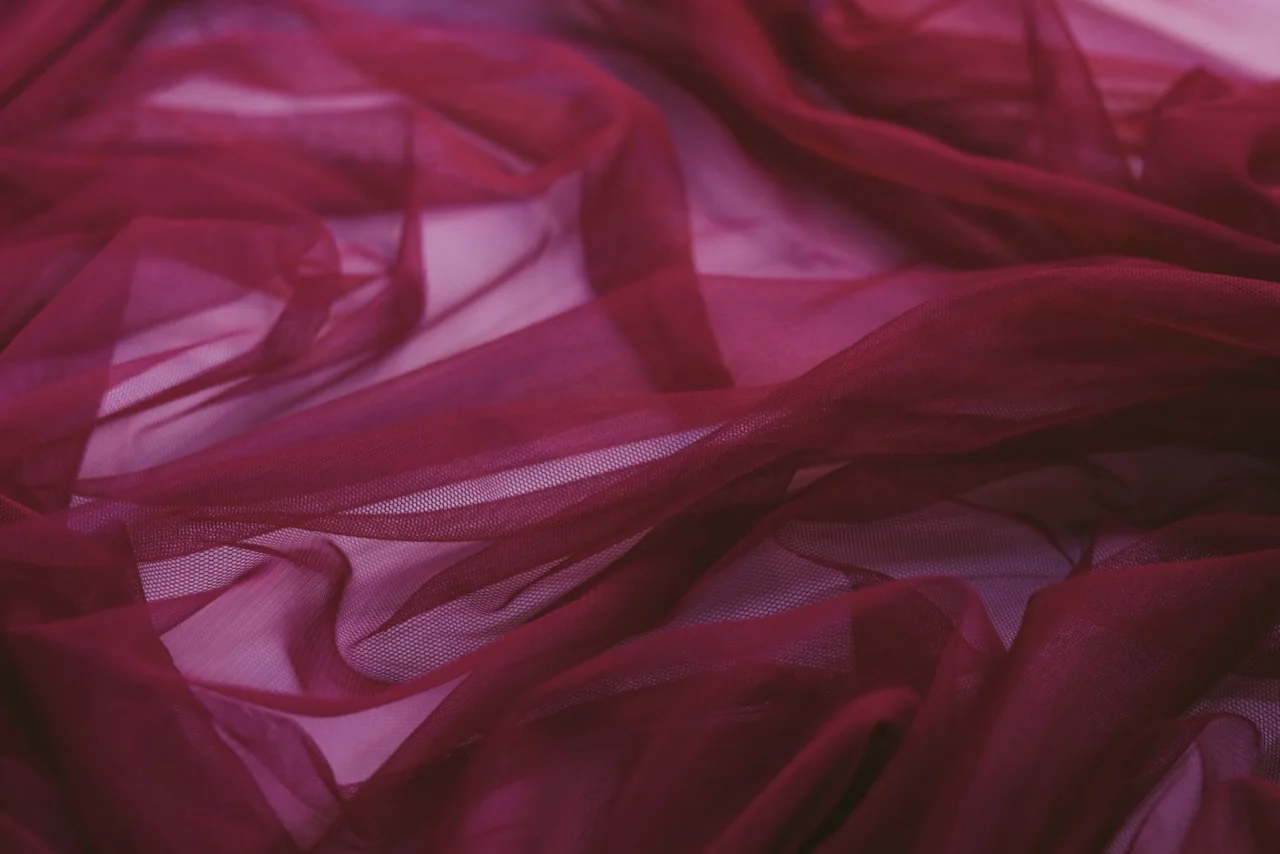
Organza is the crisp, see-through fabric behind so many showstopping desi outfits: the floaty dupatta that holds its shape, the structured lehenga skirt that stands away from the body, the sleeve that catches the light. This guide explains exactly what organza is, how it behaves, where it works best in Pakistani and South Asian wear, and how to wash and store it so it keeps that signature stiffness.
The short version
- Organza is a thin, plain-weave, sheer fabric traditionally woven from silk, and now often from polyester or nylon.
- Its defining traits are a crisp hand, a stiffness that holds shape, and a slight sheen, which is why it is loved for structured festive and bridal wear.
- It is not the most breathable choice for a hot afternoon, so it shines at evening events more than daytime summer wear.
- Treat it gently: hand wash or dry clean, press on low heat with a cloth, and store flat or loosely rolled to avoid hard creases.
What organza actually is
Organza is, in the words of most textile references, a thin, plain weave, sheer fabric that was traditionally made from silk. Today a great deal of what is sold as organza is woven from synthetic filament yarns, usually polyester or nylon, which lowers the price and adds durability while keeping the crisp, transparent look. So when you shop, organza is really a family: pure silk organza at the luxury end, and polyester or nylon organza at the everyday festive end.
The sheerness comes from the weave. Fine, tightly twisted filament yarns are woven in a simple over-under plain weave with tiny gaps between the threads, which lets light pass through. That same tight twist and the natural gum in silk are what give the fabric its characteristic crispness. The name itself carries a long trade history: it is often traced through the French word organsin back to the Central Asian city of Urgench, a midpoint on the northern Silk Road, so the fabric has been travelling across Asia for centuries.
How organza feels and behaves
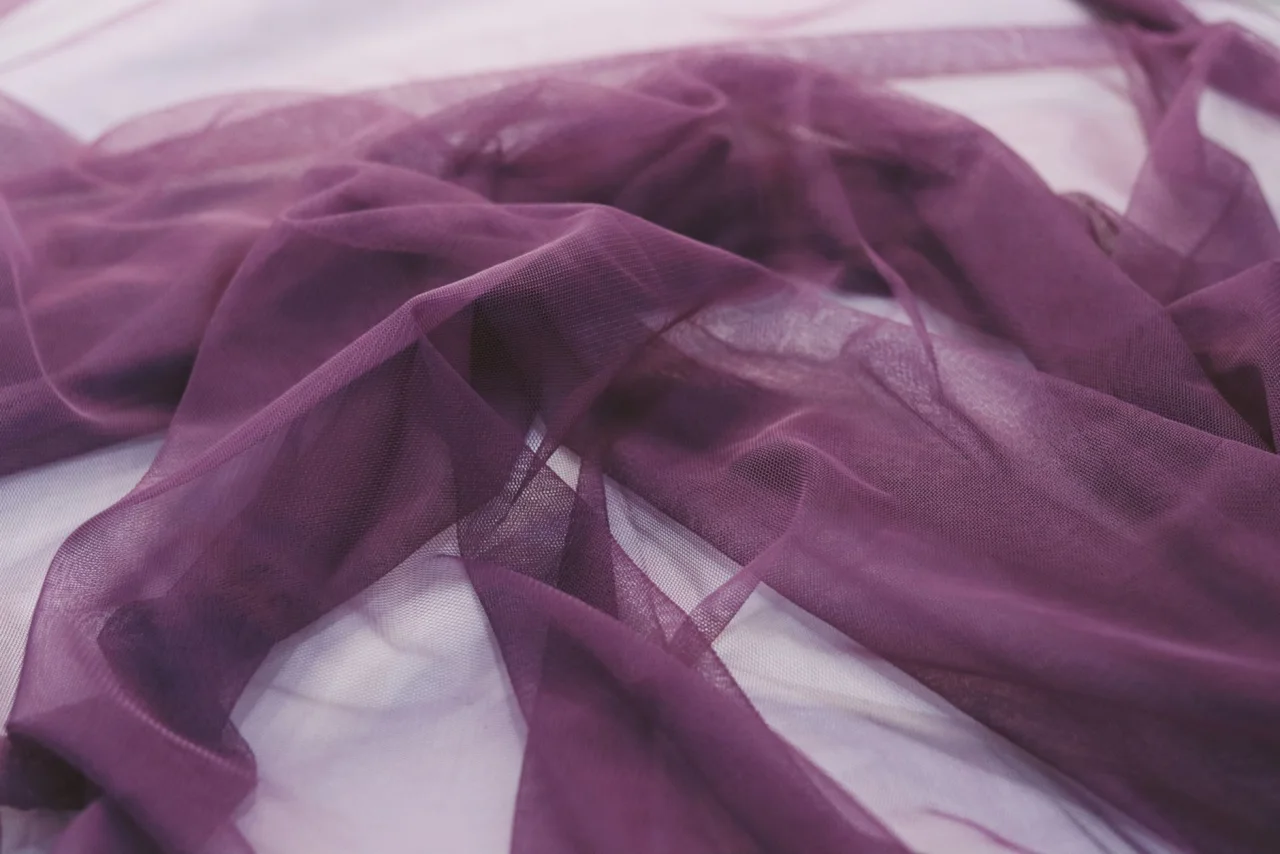
If you have ever touched organza, you know it does not drape like a soft chiffon. Textile descriptions single out three qualities: a crisp hand, a stiffness that is high relative to how light the fabric is, and a slippery surface. Put simply, organza is featherweight but it stands up. Hold a length in the air and it keeps a wave rather than pooling.
- Sheer and light. You can see through it, so it is almost always layered over a lining or another fabric.
- Crisp and structured. It holds folds, ruffles, and volume, which is why designers reach for it when they want shape.
- Glossy. Silk organza has a soft, natural sheen; synthetic versions can look slightly shinier.
- Prone to sharp creases. The same stiffness that holds a ruffle also means a hard fold can leave a visible line.
That structure is the whole point. Where a fabric like chiffon melts and clings, organza lifts and separates. If you are weighing the two for a particular look, our organza vs chiffon comparison breaks down when each one wins.
Where organza is used in desi fashion
Because it holds shape and reads as luxe under lights, organza has become a festive and formal favourite across Pakistani and Indian wardrobes. You will see it most in evening and celebration pieces rather than casual daywear.
- Dupattas. An organza dupatta stays put on the shoulder and frames the face without collapsing, so it is a go-to over lawn or cotton shirts for a dressier feel.
- Lehenga skirts and flares. The stiffness gives volume without heavy padding, so an organza lehenga looks full and floats when you move.
- Anarkalis and frocks. Organza panels and sleeves add flare and a sheer, layered effect over a fitted lining.
- Shirts and kameez with embroidery. It is a beautiful base for thread work, sequins, and applique, which sit crisply on the surface.
- Ruffles, capes, and details. Designers love organza for ruffled sleeves, capes, and trims that need to keep their shape all evening.
For full outfit-by-outfit ideas, our companion piece on organza outfits and what styles best goes deeper into cuts, embellishments, and occasions.
Styling note
Because organza is sheer, the lining underneath does real work. A skin-tone or tonal lining keeps the outfit modest and lets the embroidery read cleanly, while a contrast lining under a pastel organza gives a subtle two-tone glow. Always check the lining quality, not just the organza, before you buy.
Silk organza vs synthetic organza
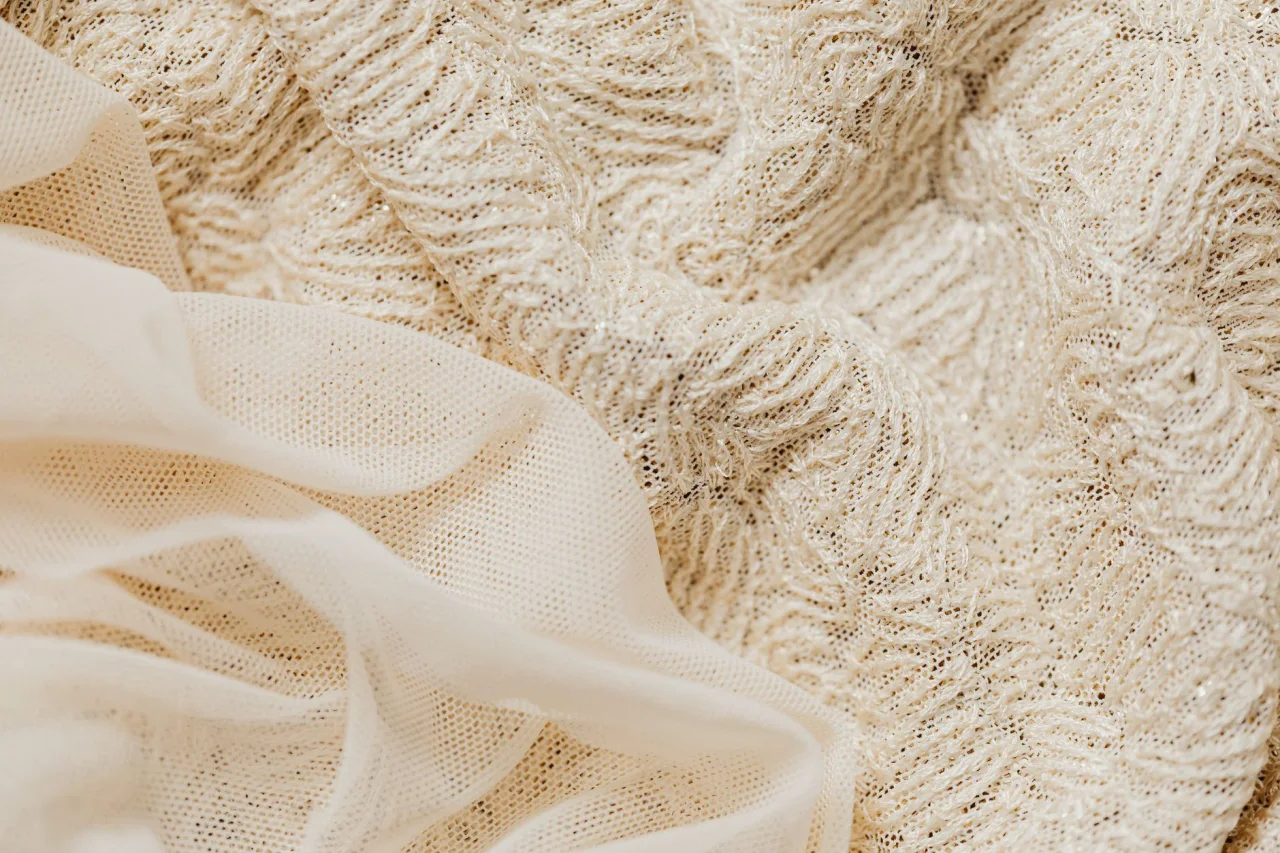
The single biggest choice when buying organza is fibre. Both look crisp and sheer, but they age and feel differently.
- Silk organza is the traditional, breathable, luxury version. It has a softer, more natural sheen and a slightly warmer hand. Quality silk organza is woven in centres along the Yangtze River and in Zhejiang in China, a coarser grade around Bangalore in India, and deluxe versions in France and Italy. It costs more and needs careful handling.
- Polyester or nylon organza is more affordable, more durable, and easier to care for, but it is less breathable and can feel warmer against the skin. The sheen is often a touch brighter or more plasticky in cheaper grades.
Neither is wrong. For a heirloom bridal piece, silk organza is worth it. For a festive shirt you will wear a few times a season, a good polyester organza is sensible.
Is organza right for the weather?
This is where honesty matters. Organza looks airy, but sheer does not automatically mean cool. Because synthetic organza in particular does not breathe as well as loose natural weaves, it is better suited to air-conditioned evening events than to a long, hot outdoor afternoon. Silk organza breathes better than synthetic, yet it is still a formal fabric rather than a hot-weather everyday choice.
If your priority is genuine summer comfort, cotton-family fabrics are the smarter base, and organza is best kept for the dupatta or the dressy evening layer. Our guides to the best fabrics for Pakistani summers and the best fabrics for winter dresses help you match fabric to season.
How to wash and care for organza
Organza rewards gentle handling. The safest route for embellished or silk organza is professional dry cleaning. For plain, unembellished synthetic organza, careful hand washing is usually fine.
- Check the label and the work first. Anything with heavy embroidery, sequins, or beads should go to a trusted dry cleaner.
- Hand wash cool. Use cold or lukewarm water with a mild detergent. Swish gently, never wring or scrub, as twisting can distort the weave.
- Rinse and press out water softly. Lift the fabric to support its weight, press between towels, and do not twist.
- Dry away from direct sun and heat. Hang or lay flat to dry. Direct sun can weaken and yellow the fibres.
- Iron on low with a barrier. Use the lowest setting or a silk setting, place a thin cotton cloth between the iron and the organza, and press briefly. High heat scorches and can melt synthetic organza.
Storage tip
Store organza loosely, not crushed. Roll dupattas and delicate pieces around a tube or fold them over a padded hanger rather than pressing them flat under heavier clothes. Sharp, long-term folds are the main cause of stubborn creases that need re-pressing before every wear.
Buying organza: what to look for
Prices vary widely by fibre, weave quality, and any embroidery, so treat any figure as a moving target and confirm current pricing with the retailer. As a rough guide, unstitched synthetic organza yardage is the most affordable, embroidered organza suits sit in the mid to upper range, and pure silk organza or heavily worked bridal organza reaches the premium end. A few checks help you judge value:
- Hold it to the light. Good organza has an even, consistent weave with no thin or slubby patches.
- Feel the crispness. Quality organza is crisp but not brittle or papery. Very stiff, plasticky feel often signals a cheaper synthetic or heavy finishing that softens after a wash.
- Check the finish on the edges. Clean, secure edges and neat embroidery backing suggest careful making.
- Confirm the fibre. If you are paying a silk price, ask directly whether it is silk or a silk blend.
For festive and bridal looks, organza pairs naturally with structured pieces like a lehenga, so read up on the garment as well as the fabric before you commit.
Frequently asked questions
Is organza always made of silk?
No. Organza was traditionally woven from silk, but much of what is sold today is made from polyester or nylon. Both give the same crisp, sheer look, though silk organza breathes better and has a softer, more natural sheen, while synthetic organza is cheaper and more durable.
Is organza a good fabric for hot weather?
It is better for air-conditioned evening events than for long, hot afternoons. It looks airy, but sheer does not always mean breathable, and synthetic organza in particular can feel warm. Silk organza breathes better, yet organza overall suits formal and festive wear more than everyday summer comfort.
Why is my organza so wrinkled, and how do I fix it?
Organza is crisp and stiff, so hard folds leave sharp creases. Press it on the lowest heat setting with a thin cotton cloth between the iron and the fabric, or use a garment steamer held slightly away from the surface. Storing it rolled or on a padded hanger prevents most creasing.
Can I wash organza at home?
Plain, unembellished synthetic organza can usually be gently hand washed in cool water with a mild detergent, without wringing. Silk organza and anything with embroidery, beads, or sequins is safer to dry clean, because water and scrubbing can distort the weave or damage the work.
What is the difference between organza and chiffon?
Organza is crisp, stiff, and holds shape, which makes it ideal for structured volume like flared skirts and ruffles. Chiffon is soft, floaty, and drapes close to the body. If you want lift and structure, choose organza; if you want fluid movement, choose chiffon.
Sources: Wikipedia: Organza and Wikipedia: Silk.
More on Fabrics
Have a question or a topic to suggest?
We read every message. Tell us what you would like to see next in the journal.
Get in touch