Best Fabrics for Winter
Khaddar, velvet, jacquard and winter linen weighed for warmth, drape and occasion suitability.
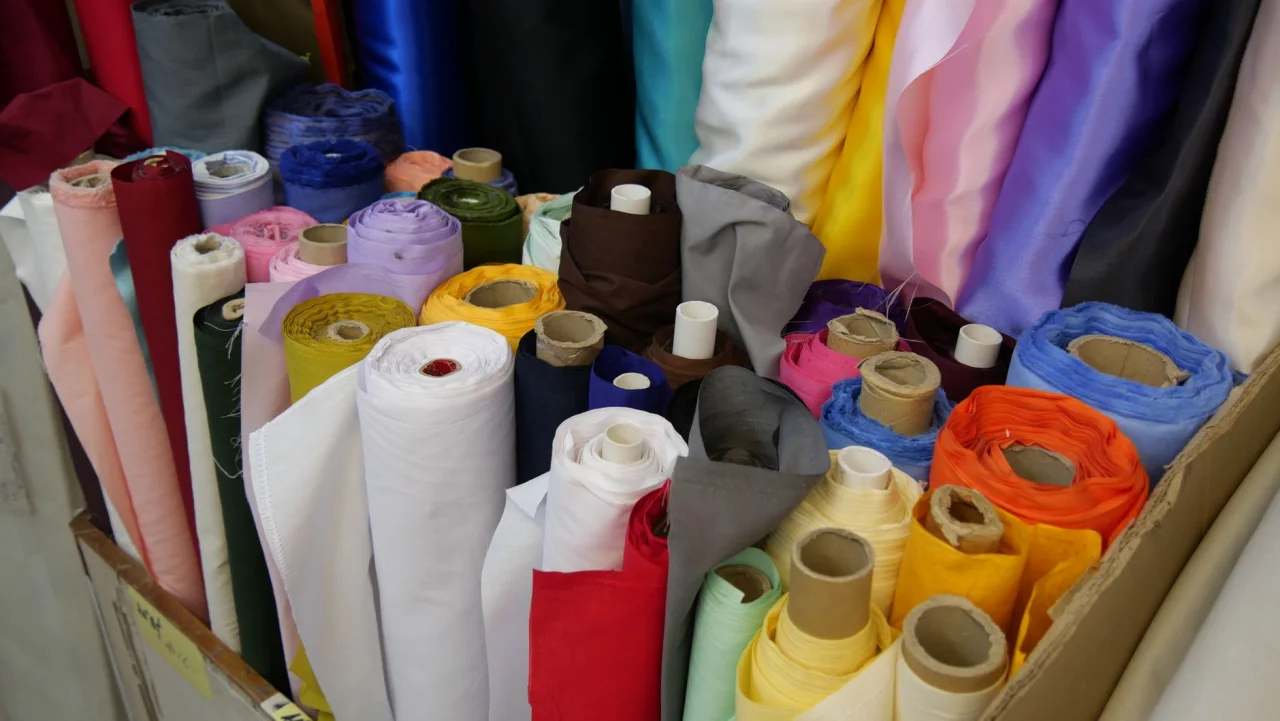
Winter dressing in South Asia is a balancing act: you want warmth without bulk, weight without stiffness, and richness that suits the season's weddings and gatherings. The fabrics that deliver are a different family from the airy lawns of summer. This guide compares khaddar, velvet, jacquard and winter weight linen for warmth, drape and occasion suitability, so you can build a cold weather wardrobe that works.
The short version
- Khaddar is the everyday winter workhorse: hand feel, mild warmth and easy daily wear.
- Velvet is the plush occasion fabric, deep, warm and luxurious, best for evenings and events.
- Jacquard brings woven pattern and body, ideal for formal winter suits without added embroidery.
- Match weight to warmth: heavier natural weaves insulate; keep synthetics for structure, not core warmth.
What makes a fabric warm
Warmth comes mainly from weight, weave density and the fibre's ability to trap still air near the body. A heavier, more closely woven cloth holds a layer of warm air against the skin, while a napped or pile surface, as on velvet, adds insulation and blocks draughts. This is the opposite of summer priorities, where you want air to move freely. In winter you want the weave to slow that movement without becoming so heavy or stiff that it stops draping well.
1. Khaddar: the everyday winter staple
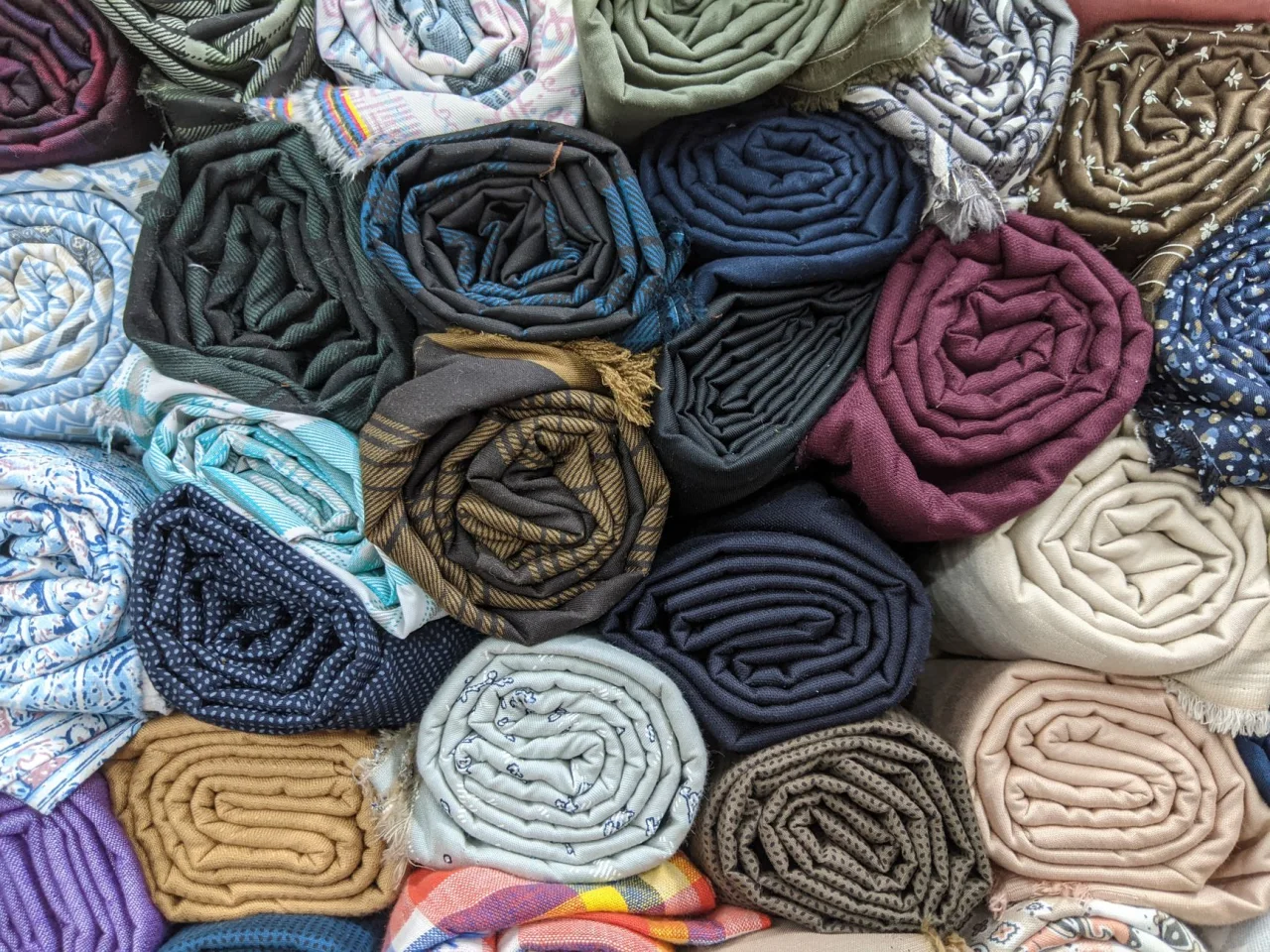
Khaddar, related to hand spun khadi, is the winter counterpart to lawn: a natural fibre cloth, usually cotton, sometimes blended, with a slightly textured, substantial hand. It is warmer than summer cottons because of its heavier weave, yet breathable enough for daytime and easy to launder, which makes it the default for casual and office winter wear. It takes prints and light embroidery well and moves easily from home to work.
Khadi itself has a notable history: it is a hand spun, hand woven cloth promoted by Mahatma Gandhi as a symbol of self reliance during the Indian independence movement, and it is prized for staying cool in summer and warm in winter. For the full breakdown, see our khaddar guide.
Styling note
For daytime winter looks, a khaddar suit layers beautifully under a shawl or a structured waistcoat. Because khaddar has body but not shine, it reads as smart and understated, so save velvet and jacquard for the evening functions and keep khaddar for the working week.
2. Velvet: plush and formal
Velvet is the fabric people picture for winter weddings and evening events. Its dense pile surface makes it warm, gives it a deep light catching richness, and lends any outfit instant occasion weight. It suits shawls, formal kameez, and bridal and party pieces where you want drama and warmth together.
The honest trade offs are weight and care. Velvet is heavier and warmer than most everyday fabrics, which is a plus in cold weather but means it is not an all day casual choice, and its pile needs gentle handling and correct pressing to avoid crushing. For finished looks and care, see our velvet guide.
3. Jacquard: woven pattern with body
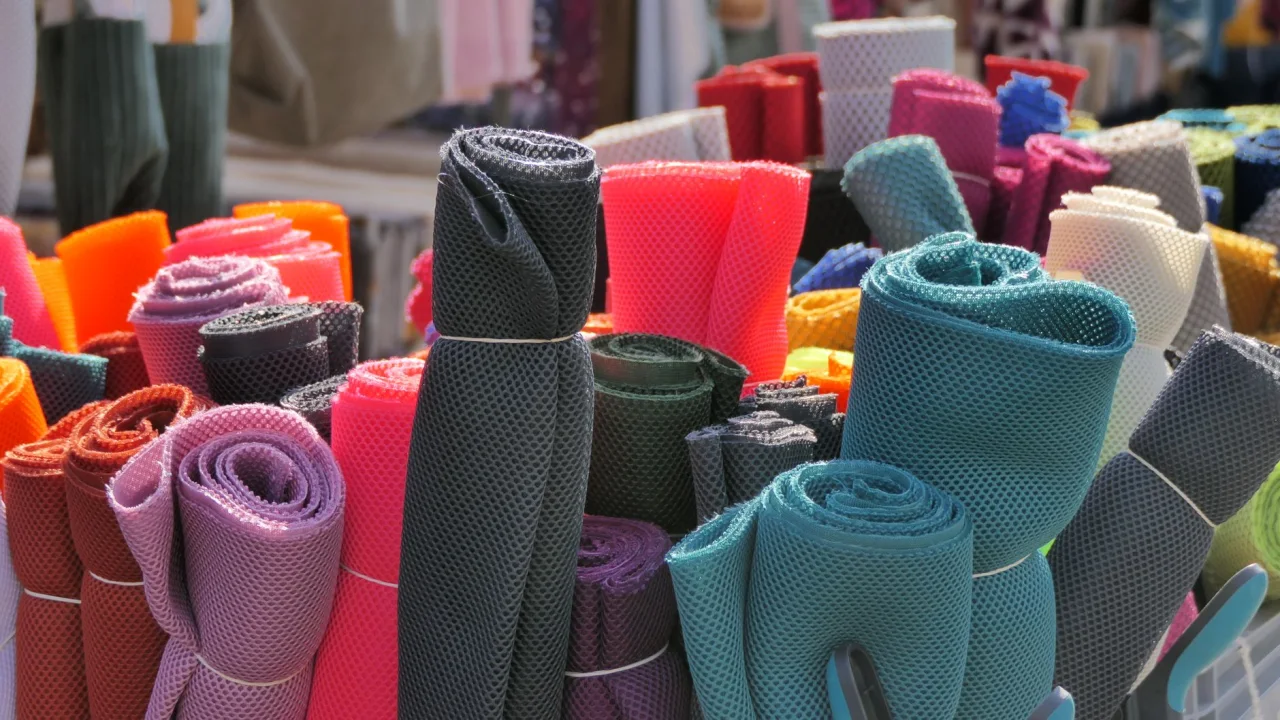
Jacquard is not a single fibre but a weave: patterns are woven directly into the cloth on a jacquard loom rather than printed or embroidered on top. The result is a fabric with visible raised motifs, a substantial hand and a subtle sheen, which makes it a strong choice for formal winter suits that look ornate without the cost and weight of heavy surface embroidery. It holds structured shapes well, so it flatters straight and A-line silhouettes.
Because velvet and jacquard are the two go to formal winter fabrics, our comparison of velvet vs jacquard is worth a read when you are choosing between plush pile and woven pattern. The full jacquard guide covers care and styling.
4. Winter weight linen and wool blends
Linen is usually thought of as a summer fabric, but it is woven in a range of weights, and heavier linens and linen blends work well in mild winters and transitional weather. Linen is strong, absorbent and gets softer with washing, and a heavier weave gives enough body for cooler days while keeping a natural, breathable feel. For genuinely cold weather, wool and wool blends add real insulation, though they call for more careful cleaning.
If you want to compare the everyday winter naturals directly, our linen vs khaddar guide weighs texture, warmth and drape, and the linen guide explains how weight changes the fabric.
Warmth and occasion at a glance
- Khaddar: mild warmth, casual to office, easy care, understated.
- Velvet: high warmth, formal and evening, plush and rich, needs careful handling.
- Jacquard: moderate warmth, formal, ornate woven pattern with structure.
- Winter weight linen: mild warmth, smart casual, breathable, for milder cold.
Buying tip
Judge winter fabric by weight in the hand and density against the light, not by name alone, since velvet, jacquard and linen all come in a range of weights. Heavier natural weaves insulate best. Prices vary widely by fibre, weave, embellishment and retailer, so treat any figure as indicative and confirm current pricing before you buy.
Building a winter capsule
A practical cold weather wardrobe usually mixes an everyday base with a few occasion pieces. Two or three khaddar suits cover daily and office wear. A velvet or jacquard outfit handles weddings and evening functions. A heavier linen or wool blend bridges the transitional weeks. Layering does the rest: a shawl, a waistcoat or a structured jacket adds warmth without committing every garment to heavy fabric. When the weather turns again, our companion guide to the best fabrics for Pakistani summers covers the switch back to breathable cottons.
Frequently asked questions
What is the warmest fabric for winter dresses?
Velvet is generally the warmest of the common occasion fabrics because its dense pile traps air and blocks draughts, and wool or wool blends add strong insulation for genuinely cold weather. For everyday warmth without heaviness, a good khaddar is a comfortable middle ground.
Is khaddar warm enough for winter?
Khaddar is warmer than summer cottons because of its heavier, textured weave, and it is the go to everyday winter fabric for daytime and office wear. In very cold weather it works best with a layer such as a shawl or waistcoat, since it provides mild rather than heavy warmth.
What is the difference between velvet and jacquard for winter?
Velvet is a soft pile fabric that is plush, warm and best for evening and formal wear, while jacquard is a weave with patterns woven directly into the cloth, giving ornate structure and moderate warmth. Choose velvet for plush richness and jacquard for woven pattern and a cleaner formal line.
Can I wear linen in winter?
Yes, in its heavier weights. Linen is woven across a range of weights, and heavier linens or linen blends suit mild winters and transitional weather while keeping a natural, breathable feel. For deep cold, layer it or choose a warmer fabric like velvet or wool instead.
How do I care for velvet without ruining the pile?
Handle velvet gently and avoid crushing the pile. Press it carefully, ideally from the reverse or over a padded surface and with low heat, and follow the garment care label, opting for professional cleaning when the piece is embellished. Store it hanging or loosely folded so the pile does not flatten.
More on Fabrics
Have a question or a topic to suggest?
We read every message. Tell us what you would like to see next in the journal.
Get in touch