Linen vs Khaddar
Cool flax linen against textured khaddar, compared for feel, season, price and use.
Linen and khaddar are the two great honest fabrics of the desi wardrobe: textured, breathable and quietly premium, with none of the flash of synthetics. Yet they come from completely different places, one from the flax plant, the other from the hand-spinning traditions of the subcontinent. This guide compares them across feel, season, price and stitching so you can pick the right one for the outfit and the weather.
The short version
- Linen is made from flax fibres and is famously cool, strong and crisp, but it wrinkles readily. Khaddar is a hand-spun, hand-woven cloth, usually cotton.
- Both are natural, breathable and textured, which is why they feel understated and premium.
- Linen leans lightweight and summery; woven khaddar sold for suits is often a heavier winter-weight cotton.
- Choose linen for hot-weather crispness, khaddar for cosy winter suits with a rustic hand.
What linen is
Linen is a textile made from the bast fibres of the flax plant, and it has been woven since ancient times. According to Wikipedia's linen entry, it is exceptionally absorbent, dries quickly and feels cool to the touch thanks to good heat conductivity, and its fibres are longer and packed tighter than cotton, making linen up to three times stronger. Its one famous quirk is poor elasticity, so it wrinkles easily; that creasing is considered an inherent feature of the cloth rather than a flaw. Our full guide covers linen properties, uses and care.
What khaddar is
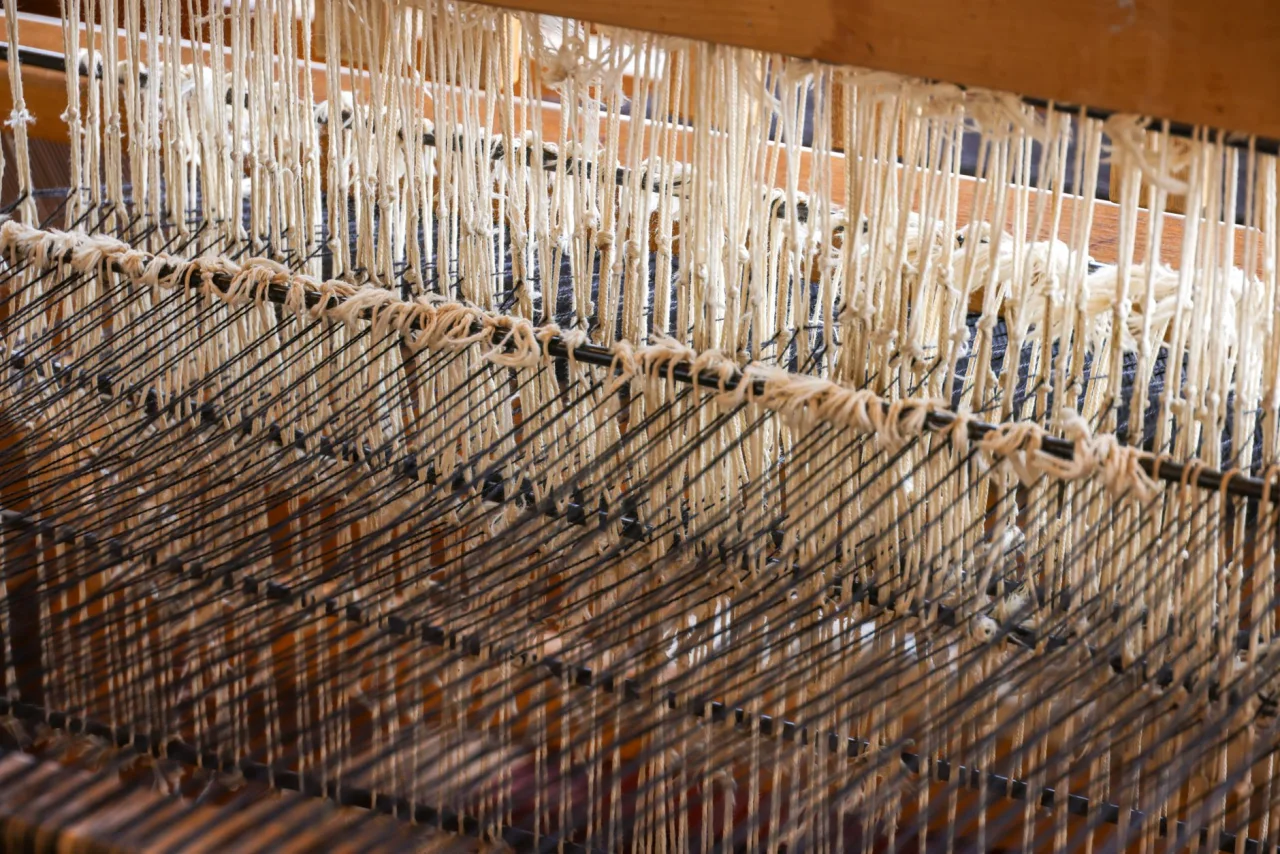
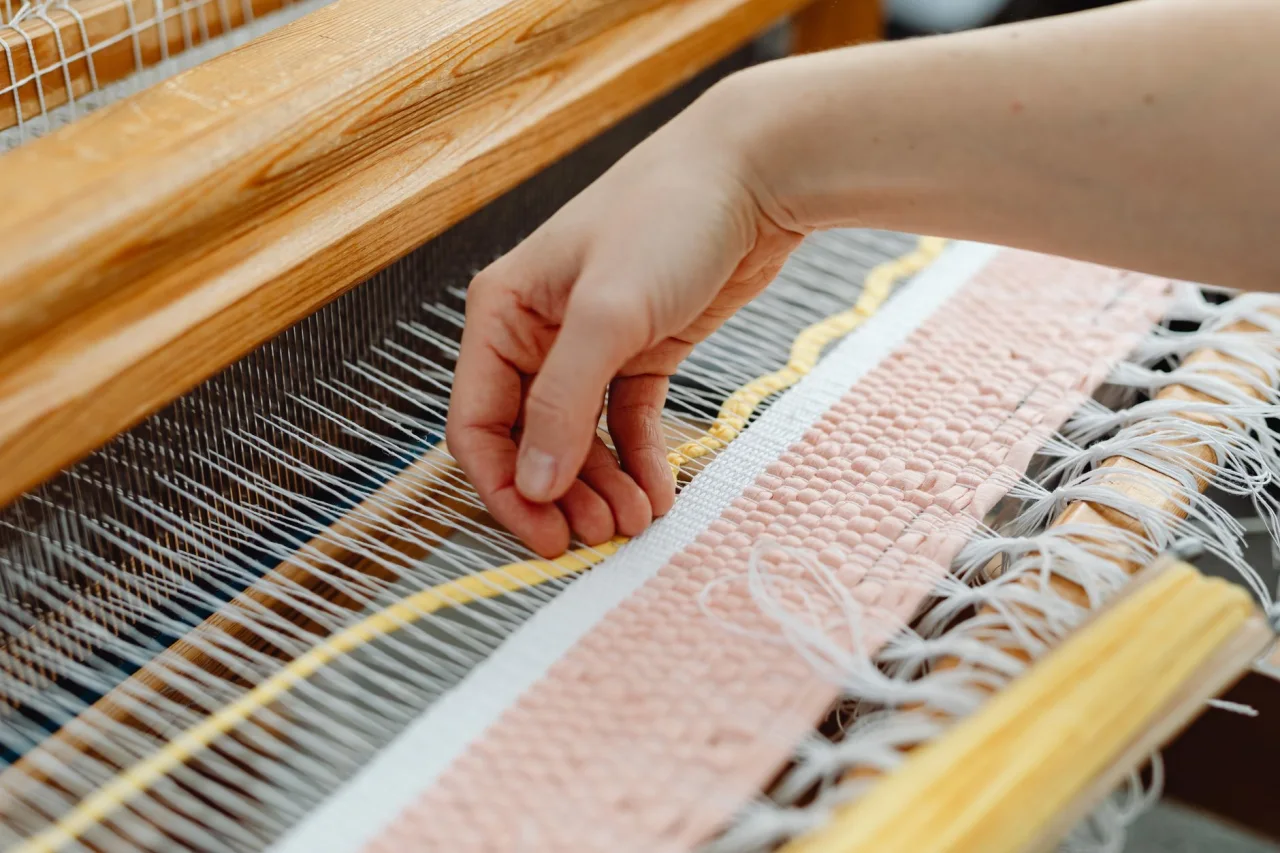
Khaddar, also spelled khadi, is a hand-spun and hand-woven natural-fibre cloth, most often cotton though it can include silk or wool. As Wikipedia explains, it is made by spinning fibre into yarn on a charkha spinning wheel and then hand-weaving it, and it is described as a versatile fabric that stays cool in summer and warm in winter. Khadi also carries deep cultural weight in South Asia: Mahatma Gandhi promoted it as a symbol of swadeshi, or self-reliance, during India's independence movement, and the first handwoven piece was made at his Sabarmati Ashram around 1917 to 1918.
A note on usage: in modern Pakistani retail, "khaddar" also commonly refers to a machine-woven, slightly coarse, heavier cotton fabric popular for winter suits, which is not literally hand-spun in the traditional sense. Both meanings are in circulation, so it helps to know which you are buying. Our explainer on khaddar properties, uses and care goes further.
Buyer's tip
Ask whether the khaddar is genuine hand-spun khadi or a mill-woven winter cotton labelled "khaddar." Both are legitimate and both wear well, but the hand-spun version has more slub, more character and usually a higher price, while the mill version is more uniform and budget-friendly.
Feel and hand
Both fabrics are textured rather than smooth, which is a big part of their appeal, but they feel distinct. Linen is crisp and cool with a dry, clean hand that softens beautifully over years of washing. Khaddar has a rougher, more rustic, slightly grainy surface from its slubby yarns, and mill-woven winter khaddar feels thicker and warmer. Linen says airy and refined; khaddar says earthy and substantial.
- Linen: crisp, cool, dry, softens with age.
- Khaddar: textured, rustic, warmer, often heavier.
Climate suitability
This is where the two really part ways. Linen is one of the best hot-weather fabrics there is: highly absorbent, quick-drying and cool against the skin, which is why it dominates summer wardrobes. Khaddar is more seasonal by weight. Traditional hand-spun khadi is genuinely versatile, cool in summer and warm in winter, but the heavier mill-woven khaddar sold for stitched suits is primarily a winter fabric, valued for the light warmth its dense weave provides.
- Peak summer: linen wins comfortably for breathability and cool touch.
- Winter suits: heavier khaddar wins for warmth and body.
- Year-round versatility: genuine lightweight khadi handles both seasons.
For seasonal shortlists, see our guides to the best fabrics for Pakistani summers and the best fabrics for winter dresses.
Appearance and finish
Both fabrics have a natural, matte, artisanal look that reads as quietly expensive. Linen has a subtle slubby weave and takes both plain dyes and prints well, holding a crisp, tailored line. Khaddar shows more pronounced texture and slub, and it is a favourite base for block prints, digital prints and embroidery, especially in winter collections. Neither has the shine of silk or the flatness of poly-cotton; their beauty is in texture and honesty.
Price: what to expect
Price depends heavily on authenticity and quality. Pure linen is generally a premium fabric because flax is costly to grow and process, and true European or high-grade linen sits at the upper end, though linen-cotton blends bring the price down. Genuine hand-spun, hand-woven khadi is also relatively premium because of the labour involved, while mill-woven winter khaddar is more affordable and widely available. As always, embroidery, prints and brand move prices sharply, so confirm current pricing and fibre content for the specific fabric you want rather than relying on a single figure.
Styling note
Lean into each fabric's nature. Wear linen relaxed and unfussy: its wrinkles are part of the charm, so a slightly undone linen kurta looks intentional and chic. Style khaddar as cosy winter tailoring, block-printed shirts, embroidered shawls and structured suits, where its warmth and texture shine.
Stitching and tailoring behaviour
Both tailor well but ask for a little planning:
- Linen presses to a sharp, crisp seam and holds structured shapes, but it wrinkles in wear and can shrink, so pre-wash before cutting and expect a relaxed, lived-in finish.
- Khaddar is stable and easy to cut and stitch, holds embroidery and prints beautifully, and the heavier winter weight gives structured suits good body. Its loose weave can fray, so finish seams.
- Shrinkage: both natural fabrics can shrink on first wash; pre-washing the fabric protects a fitted outfit.
To see which made-up looks flatter each, browse our notes on linen outfits and khaddar outfits.
The verdict: which for what
They are seasonal partners more than rivals. Use this table to choose:
| Your goal | Best pick | Why |
|---|---|---|
| Cool, breathable summer wear | Linen | Absorbent, quick-drying, cool touch |
| Cosy winter suits | Khaddar (winter weight) | Dense weave adds warmth and body |
| Crisp, tailored summer silhouettes | Linen | Presses sharp, holds structure |
| Rustic, textured, artisanal look | Khaddar | Pronounced slub and character |
| Block prints and winter embroidery | Khaddar | Ideal base for surface work |
| Year-round natural versatility | Genuine khadi | Cool in summer, warm in winter |
Reach for linen when you want cool, crisp summer refinement, and for khaddar when you want warm, textured winter tailoring. If you are building a seasonal fabric shortlist, our roundups above pair naturally with this comparison.
Frequently asked questions
What is the difference between linen and khaddar?
Linen is made from flax plant fibres and is prized for being cool, strong and crisp, though it wrinkles easily. Khaddar, or khadi, is a hand-spun, hand-woven natural cloth, usually cotton, with a rustic texture; in modern retail the name also covers a heavier mill-woven winter cotton. In short, they differ in fibre, origin and typical season.
Which is better for summer?
Linen is generally better for summer because it is highly absorbent, dries quickly and feels cool to the touch. Genuine lightweight khadi is also summer-friendly, but the heavier mill-woven khaddar sold for suits is mainly a winter fabric, so for peak heat choose linen or light khadi.
Is khaddar warm enough for winter?
Yes, the heavier winter-weight khaddar is a popular winter suiting fabric because its dense weave provides light warmth and good body. Traditional khadi is described as staying warm in winter and cool in summer, making it versatile across seasons.
Why does linen wrinkle so much?
Linen wrinkles because flax fibres have poor elasticity, so the fabric creases readily and does not spring back. This is an inherent feature of linen rather than a defect, and many people embrace the relaxed, lived-in look as part of the fabric's charm.
Which is more expensive, linen or khaddar?
It depends on authenticity. Pure linen is usually premium because flax is costly to grow and process, while linen blends are cheaper. Genuine hand-spun khadi is also relatively premium due to the labour involved, whereas mill-woven winter khaddar is more affordable. Confirm current pricing and fibre content before buying.
Is khaddar the same as khadi?
Traditionally, yes: khaddar and khadi both refer to hand-spun, hand-woven natural cloth, and the word khadi comes from khaddar. In modern Pakistani retail, though, "khaddar" is often also used for a machine-woven, heavier winter cotton, so it is worth checking whether a fabric is genuine hand-spun khadi or a mill-woven suiting.
More on Fabrics
Have a question or a topic to suggest?
We read every message. Tell us what you would like to see next in the journal.
Get in touch