Linen Outfits: What Styles Best
Which silhouettes, occasions and finishes let linen do what it does best in desi wardrobes.
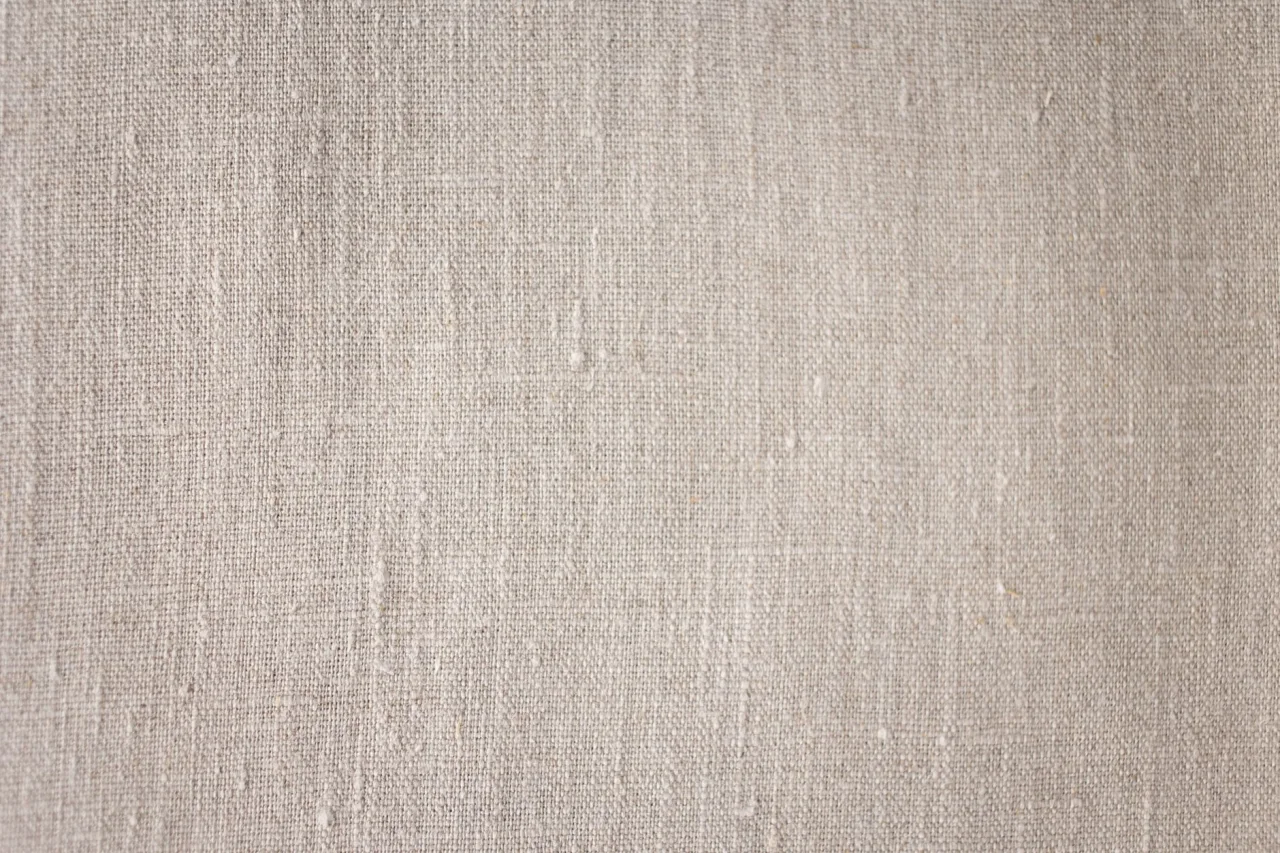
Linen is the fabric that looks effortless and feels even better in the heat. Because it is woven from the bast fibres of the flax plant, it breathes, wicks moisture and drapes with a crisp, slightly textured hand that reads as quietly expensive. This guide shows what linen actually does best in desi wardrobes: which suit shapes, occasions and embellishments flatter it, and which ones fight against its nature.
The short version
- Linen suits your hottest, most humid days: it is highly breathable, absorbent and dries faster than cotton.
- Play to its strengths with clean, relaxed silhouettes: straight kurtas, A-line shirts, wide trousers and unstructured co-ords.
- Keep embellishment light and matte: thread work, block print and thin gota read better than heavy zardozi or dense sequins.
- The famous wrinkle is part of the look. Steam lightly, embrace a soft crush, and skip anything that promises a rigid, ironed-flat finish.
Why linen behaves the way it does
Understanding the fibre explains every styling decision that follows. Linen is made from flax, a plant grown for its long, strong stem fibres. According to Wikipedia's overview of linen, the fabric can be up to three times stronger than cotton, is highly absorbent, and dries faster than cotton, which is exactly why it feels cool against skin on a sticky afternoon. The same source notes linen has poor elasticity, so it creases easily. That is not a flaw to hide. It is the signature that tells everyone you are wearing the real thing.
Two practical takeaways come from this. First, linen is a warm-weather hero, so build your linen outfits around summer, daytime and travel rather than heavy winter layering. Second, because the fibre resists stretching, linen holds a shape but not a curve. It falls in long, architectural lines instead of hugging the body, which points you straight toward relaxed, columnar silhouettes.
The suit styles linen sews best
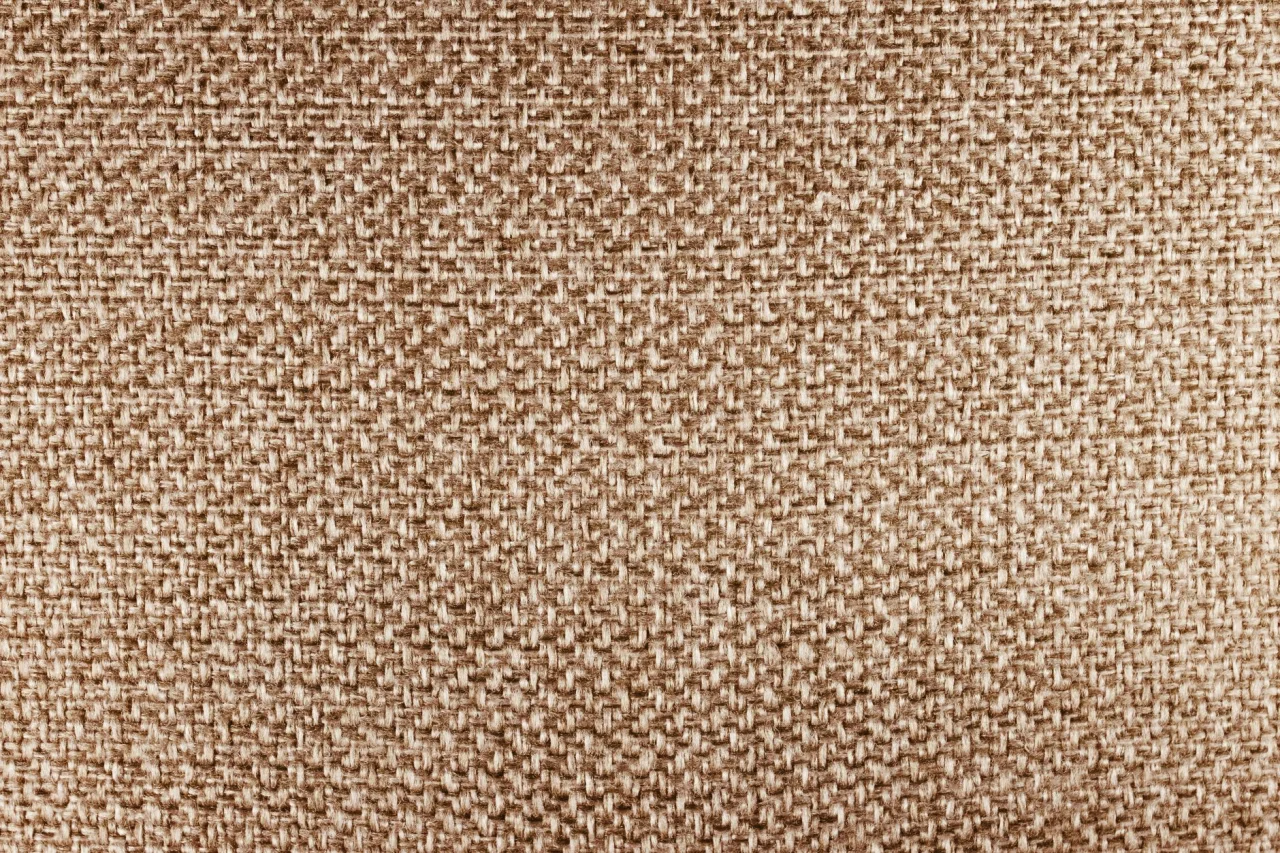
Linen rewards simplicity. The cleaner the cut, the more the fabric's texture and drape do the talking. These are the shapes that consistently look their best in linen:
- Straight kurtas and shirt-kurtas: a long, unfussy straight cut lets linen fall in those signature clean lines. Pair with straight or slightly tapered trousers for a modern desi silhouette.
- A-line and panelled kurtis: gentle flare adds movement without the volume that heavier fabrics need. This works well for a classic salwar kameez updated in a breathable fibre.
- Wide-leg trousers and palazzos: linen's body keeps wide trousers from looking limp, so they swing rather than cling.
- Unstructured co-ords and shirt sets: a linen shirt with matching wide trousers is the easiest smart-casual desi look for summer offices and daytime events.
- Kaftans and tunics: loose, flowing shapes let linen breathe fully and stay cool.
What linen does not love is heavy structure. Sharply fitted, boned or tightly darted silhouettes force the fibre to crease at every stress point, so a bodycon fit reads rumpled rather than sculpted. Save those cuts for fabrics with more stretch and recovery.
Styling note: lean into the crush
Fighting linen's wrinkles is a losing battle. Instead, let a light, even crush become the texture of the outfit. A quick steam relaxes deep folds while keeping the soft, lived-in surface that makes linen look relaxed and confident. Reserve a crisp press only for collars, plackets and hems where a clean edge matters.
Occasions where linen shines
Linen is a daytime, warm-weather specialist, and it excels when the setting is relaxed but you still want to look considered.
- Summer workwear: a linen straight suit or shirt-and-trouser co-ord is polished, breathable and forgiving through a long day. See more ideas in our guide to office-appropriate outfits.
- Daytime family gatherings and casual Eid mornings: comfortable enough for a full day, elevated enough for photos.
- Travel and resort dressing: linen packs light, air-dries and shrugs off a day of movement.
- Garden events and brunches: earthy, natural fibres suit outdoor, sunlit settings.
Where linen is the wrong call is heavy formal evening wear. For a black-tie wedding function you want the sheen and weight of silk or the grandeur of heavier weaves. Linen's matte, casual character will simply look under-dressed next to them.
Embellishments that work on linen
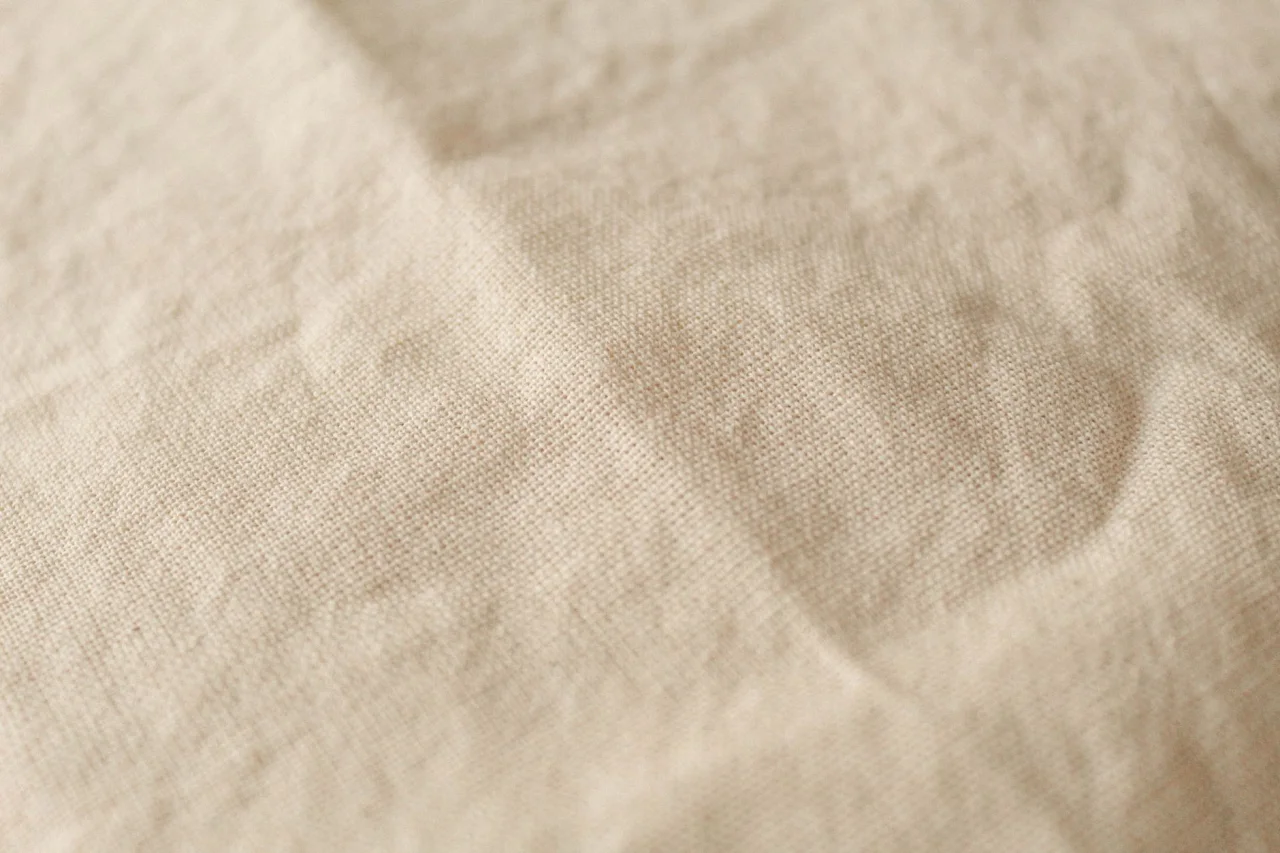
Because linen is a matte, mid-weight fabric with visible texture, it partners best with embellishment that shares that earthy, artisanal spirit. Choose techniques that sit lightly on the surface:
- Thread and resham embroidery: tonal or contrast thread work follows linen's relaxed mood beautifully.
- Block printing and hand painting: flat, matte prints suit linen's natural surface and are a classic pairing.
- Light gota and thin lace trims: a slim border adds occasion without weighing the cloth down.
- Wooden, shell, ceramic or thread buttons: natural-material fastenings echo the fibre.
Go easy on heavy metallics. Dense zardozi, thick dabka and all-over sequins are heavy, and linen's soft body cannot always carry that load without dragging or puckering. If you want shimmer, keep it to a small motif or a neckline accent rather than a fully worked panel. For heavier hand embellishment, richer bases like velvet or raw silk are a more natural home.
Colour and print choices that flatter linen
Linen looks most at home in a palette that mirrors its natural origins. Undyed oatmeal, ivory, sand, sage, terracotta, clay, indigo and slate all feel authentic on the fibre. Deeper jewel tones work too, though very dark, flat blacks can show creases and lint more obviously, so a charcoal or espresso is often kinder.
For prints, favour organic and hand-rendered motifs: block-printed florals, geometric borders, ikat-style patterns and simple stripes. These read as intentional and craft-led. Very glossy digital prints can clash with linen's matte texture, so if you love a bold digital design, cotton lawn is often a better carrier.
Quick pairing formula
Matte fibre plus matte finishing equals a coherent look. Match linen with cotton or jute accessories, leather or woven flats, wood or oxidised silver jewellery, and a structured cotton or canvas bag. Save your high-shine metallics and delicate heels for silk and organza evenings.
Care so your linen outfits last
Linen is durable and only softens with age when treated well. A few habits keep it looking its best:
- Wash in cool or lukewarm water on a gentle cycle, or hand wash. Turn garments inside out to protect any surface work.
- Skip harsh bleach and heavy wringing, which stress the fibres over time.
- Do not over-dry. As the linen overview notes, linen should not be tumbled bone dry and irons most easily when still damp. Line dry in shade to protect colour.
- Iron on a medium-hot setting while slightly damp, or steam for that softer crushed finish.
- Store folded rather than on thin hangers so the shoulders keep their shape.
Handled this way, a good linen suit becomes a wardrobe staple that gets more comfortable every season, which is exactly why it earns a permanent slot among the best fabrics for hot weather.
Linen versus its closest rivals
Linen is often shortlisted alongside other natural fibres, and knowing the trade-offs helps you buy with confidence. Against cotton lawn, linen is stronger, more textured and cooler in humidity, but it wrinkles more and costs more. Against khaddar, linen is a lighter, summer-leaning cloth while khaddar is a warmer, winter-leaning cotton weave, which we compare directly in our guide on linen versus khaddar. If you want a fabric that behaves the same way but with an extra dose of cool comfort in peak heat, the full linen fabric guide covers weight, weave and buying tips in depth.
Frequently asked questions
Is linen too casual for desi occasion wear?
Linen leans smart-casual rather than formal, so it is ideal for daytime events, summer offices, casual Eid mornings and family gatherings. For heavy evening functions and weddings, silk or richly worked fabrics read as more formal. You can dress linen up with a slim gota border and good jewellery, but it will never match the grandeur of an embellished silk.
How do I stop my linen suit from looking too wrinkled?
You cannot eliminate creasing entirely because linen has poor elasticity, but you can control it. Steam rather than press for a soft, even finish, press only collars and hems for a crisp edge, and hang the outfit in a steamy bathroom for a quick refresh. Most of all, treat a light crush as part of linen's relaxed character rather than a mistake.
What should I wear a linen kurta with?
Straight or slightly tapered trousers, wide-leg palazzos or a matching linen bottom all work. Keep accessories matte and natural: leather or woven flats, wood or oxidised silver jewellery, and a structured cotton bag. This keeps the whole look cohesive with linen's earthy texture.
Can linen carry heavy embroidery?
Only in moderation. Linen's soft body struggles to support dense zardozi, thick dabka or all-over sequins without dragging or puckering. Light thread work, block print, thin gota and small metallic motifs are far more flattering. For heavy hand embellishment, choose a firmer base such as raw silk or velvet.
Which colours look best in linen?
Natural, earthy tones suit linen best: oatmeal, ivory, sand, sage, terracotta, indigo and slate. Jewel tones work well too, while very flat blacks can show creases and lint more. Block prints, ikat-style patterns and simple stripes flatter the matte texture more than glossy digital prints.
More on Fabrics
Have a question or a topic to suggest?
We read every message. Tell us what you would like to see next in the journal.
Get in touch