How to Iron Chiffon Safely
Low heat, a pressing cloth, and a steamer: press chiffon without a single scorch.
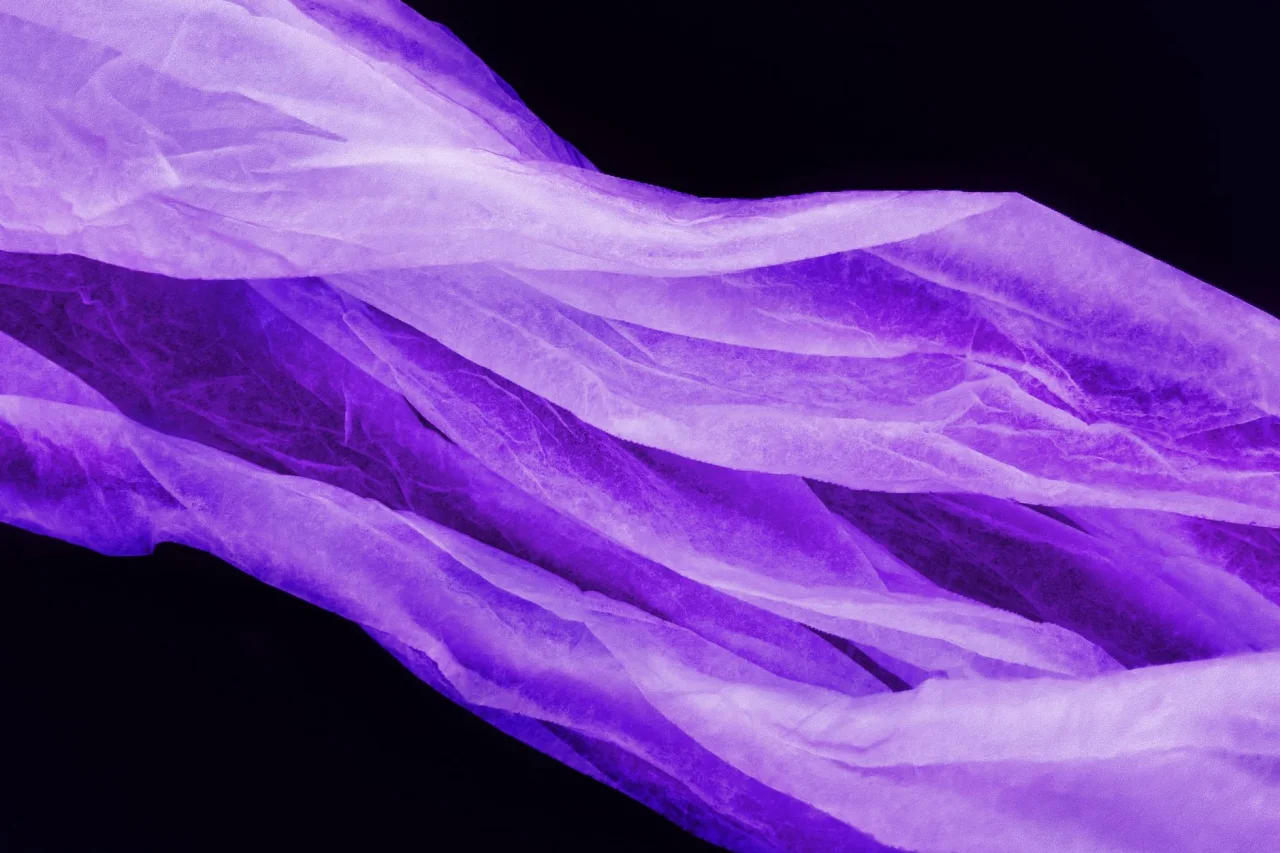
Chiffon is soft, floaty, and impossibly elegant, and it is also one of the easiest fabrics to scorch, melt, or snag with an iron. A single pass on the wrong setting can leave a shiny mark or a hole that never comes out. This is the complete, save-worthy guide to ironing chiffon safely: the correct heat, the barrier you must use, the steaming alternative, and the mistakes that ruin the fabric.
The short version
- Chiffon is a lightweight, sheer, high-twist fabric, made from silk, polyester, nylon, or rayon, and it is heat-sensitive.
- Always iron on the lowest heat or silk setting, and always place a thin cotton pressing cloth between the iron and the chiffon.
- Iron while slightly damp, on the reverse side, with short light presses rather than gliding and holding.
- A garment steamer is often the safest option of all, and it is the gentlest way to freshen a chiffon dupatta.
Why chiffon is so easy to ruin
Chiffon is a lightweight, balanced plain-woven sheer fabric woven of alternate high-twist crepe yarns. That high twist gives it the signature slight pucker, soft stretch, and delicate drape, but it also means the fabric is thin, slippery, and quick to react to heat. Chiffon can be woven from silk, or from synthetics such as polyester, nylon, and rayon, and the fibre changes how it behaves under an iron: silk scorches and yellows, while synthetics can literally melt into a shiny, permanent mark.
On top of that, chiffon frays easily, which is why its seams are usually bound or French seamed. All of this adds up to a fabric that rewards patience and punishes shortcuts. For the full fabric background, read our guide to what chiffon is, its properties, uses and care.
Before you iron: setup that prevents disasters

Most chiffon accidents happen in the first few seconds because the iron was too hot or touched the fabric directly. Set up properly and the risk almost disappears.
- Set the iron to its lowest heat. Use the silk or lowest synthetic setting. If in doubt, start cooler than you think you need and test.
- Turn off the steam burst. Water spitting from the iron can leave marks on some chiffons; a steamer gives cleaner, controlled steam.
- Get a pressing cloth ready. A thin, clean cotton cloth or a cotton handkerchief goes between the iron and the chiffon, every single time.
- Test on a hidden corner. Press an inside seam allowance first to confirm the heat is safe before touching the main fabric.
- Turn the garment inside out. Ironing the reverse keeps any shine or scorch risk away from the visible surface.
The pressing cloth is not optional
The single most important rule for chiffon is that the iron never touches it directly. A thin cotton cloth between the iron and the fabric spreads the heat, prevents the shiny scorch that ruins so many dupattas, and protects synthetic chiffon from melting. If you take one thing from this guide, take this.
How to iron chiffon step by step
With the setup done, the actual pressing is quick. The technique is gentle, brief, and patient.
- Iron slightly damp. Chiffon presses best when very lightly damp. Mist it with a fine spray of water, or iron soon after it has almost dried on the line.
- Lay it flat and smooth by hand. Spread the fabric on the board and smooth out wrinkles with your fingers before the iron touches it.
- Press, do not glide and hold. Lower the iron over the pressing cloth, press briefly, lift, and move on. Holding the iron in one spot builds heat and risks a mark.
- Work in small sections. Move steadily across the fabric so no area gets repeated heat.
- Let it cool before moving it. Warm chiffon creases easily, so let each section cool flat before you fold or hang it.
The steaming alternative, often the safest

For many chiffon pieces, especially dupattas and sheer overlays, a garment steamer beats an iron. Steam relaxes wrinkles without pressing metal onto delicate fabric, so there is no scorch or melt risk at all.
- Hang the piece up. A dupatta or kameez on a hanger lets gravity help pull the wrinkles out.
- Hold the steamer slightly away. Keep the steam head a few centimetres from the surface and let the steam do the work rather than touching the fabric.
- Work from top to bottom. Move down the garment in gentle passes, smoothing lightly with your free hand if needed.
- Let it dry and cool before wearing or folding.
The same low-heat, no-direct-contact logic applies to other crisp and sheer fabrics. Our companion guide on caring for organza walks through pressing and storing that fabric, which shares chiffon's heat sensitivity.
Ironing an embellished chiffon dupatta or outfit
Chiffon often carries sequins, beads, or embroidery, and these need extra care because heat can melt sequins and flatten or scorch thread work.
- Never iron directly over embellishment. Turn the piece inside out and press the plain reverse, or work around the worked areas.
- Use a pressing cloth even on the reverse. It protects both the base fabric and the back of the embroidery.
- Prefer steaming for heavy work. A steamer relaxes the fabric around beadwork without pressing on it at all.
- When in doubt, dry clean. For heavily embellished silk chiffon, a specialist dry cleaner is the safest route.
For styling and buying, our guides to chiffon dupatta styles and best picks and chiffon outfits and what styles best show the fabric at its most flattering, and chiffon vs georgette helps if you are choosing between the two.
Common mistakes that ruin chiffon
- Ironing directly with no pressing cloth. The top cause of shiny scorch marks and melted synthetic chiffon.
- Using high heat. Even a moment on a hot setting can burn silk or melt polyester chiffon. Always go low.
- Holding the iron in one place. Builds heat and leaves marks. Use short, light presses.
- Ironing bone dry. Chiffon is easier and safer to press slightly damp.
- Pressing over sequins and beads. Melts and flattens embellishment. Work on the reverse or steam instead.
- Skipping the test corner. Always confirm the heat on a hidden seam first.
Frequently asked questions
What heat setting should I use to iron chiffon?
Use the lowest heat or the silk setting, and always test on a hidden seam first. Chiffon is heat sensitive: silk chiffon scorches and synthetic chiffon can melt, so cooler is always safer. Pair the low heat with a pressing cloth between the iron and the fabric.
Can I iron chiffon directly, or do I need a cloth?
Never iron chiffon directly. Always place a thin cotton pressing cloth between the iron and the fabric. Direct contact is what causes the shiny scorch marks on silk chiffon and melting on synthetic chiffon. The pressing cloth spreads the heat and protects the surface.
Is a steamer better than an iron for chiffon?
Often, yes. A garment steamer relaxes wrinkles without pressing hot metal onto the fabric, so there is no scorch or melt risk. It is especially good for dupattas, sheer overlays, and embellished pieces. Hold the steamer slightly away from the surface and work from top to bottom.
How do I get wrinkles out of a chiffon dupatta without an iron?
Hang it up and use a garment steamer held a few centimetres away, or hang it in a steamy bathroom so the moisture relaxes the creases. You can also smooth it by hand while slightly damp. These methods avoid any direct heat, which is the main risk to chiffon.
How do I iron chiffon with sequins or embroidery?
Turn the piece inside out and press the plain reverse through a pressing cloth, working around the embellished areas, or skip the iron and use a steamer instead. Never press directly over sequins or beads, as heat can melt or flatten them. For heavy work on silk chiffon, dry cleaning is safest.
Sources: Wikipedia: Chiffon (fabric) and Wikipedia: Silk.
More on Styling Guides
Have a question or a topic to suggest?
We read every message. Tell us what you would like to see next in the journal.
Get in touch