Chiffon Dupatta: Styles, Care and Picks
The soft, flowing dupatta that flatters everything: styles, draping, care and buying tips.
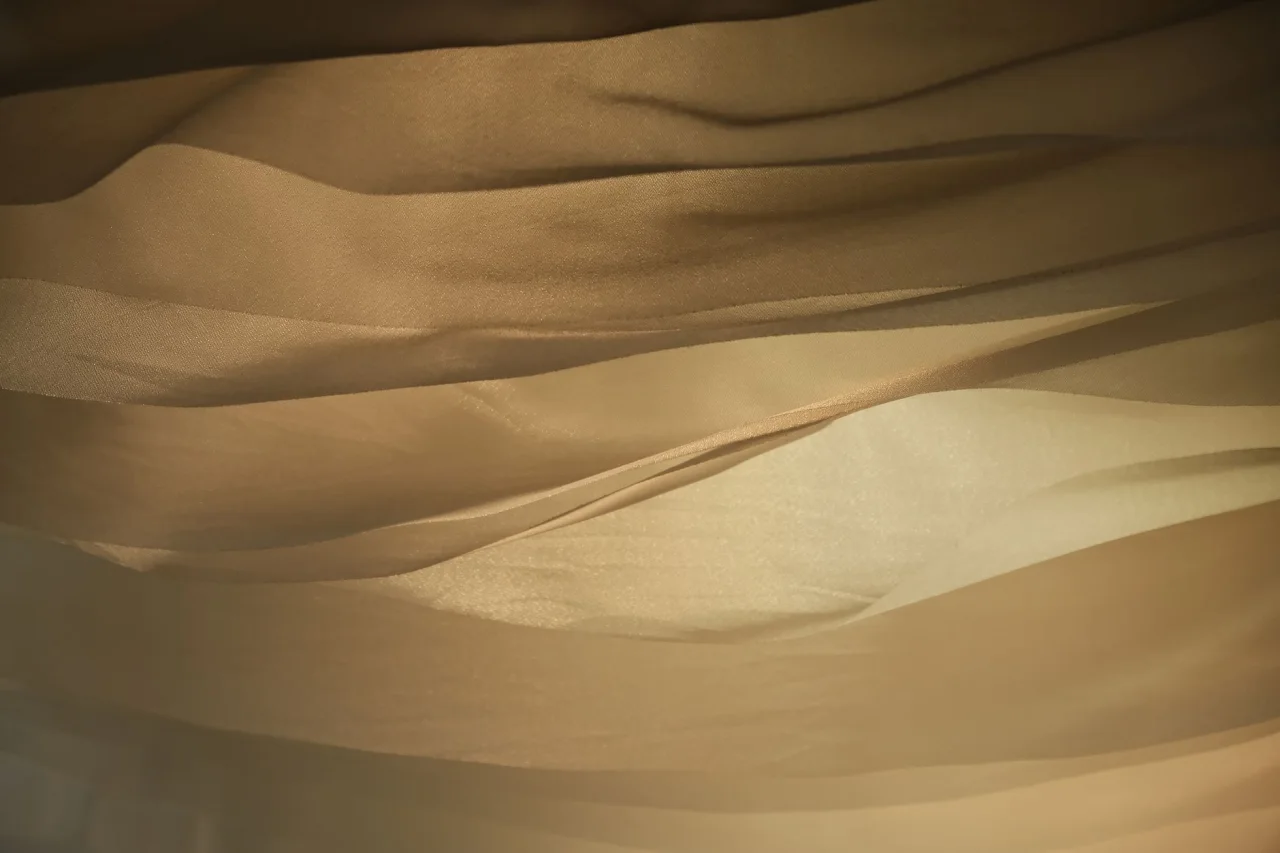
If an organza dupatta is all crisp structure, a chiffon dupatta is its soft, romantic opposite. Chiffon is light, sheer, and flows like water, so it wraps and drapes against the body instead of standing away from it. That fluid fall makes it one of the most flattering and versatile dupatta fabrics in a desi wardrobe. This guide covers the styles that suit it, how to drape and care for it, and how to buy well.
The short version
- Chiffon is light, sheer, and soft, so a dupatta in it drapes fluidly and wraps beautifully rather than holding a stiff shape.
- It suits printed, plain, and lightly embroidered styles, and it is a summer and travel friendly fabric because it is airy and packs small.
- It frays easily and slips, so it needs bound edges, careful low-heat pressing, and a pin or two when draped.
- Price depends on whether it is pure silk chiffon or a synthetic version, plus the work; confirm current pricing with the retailer.
Why chiffon works so well as a dupatta
Chiffon is a lightweight, balanced plain-woven sheer fabric made with tightly twisted crepe yarns, which give it a slight stretch and a faintly textured, crinkled surface. It can be woven from silk, the original luxury version, or from synthetics like polyester, nylon, and rayon, which made it affordable for everyday wear. In India and Pakistan it has long been a favourite for both sarees and dupattas, precisely because it drapes so elegantly. For the fibre and weave in full, see our explainer on what chiffon is, its properties and care.
A chiffon dupatta feels almost weightless on the shoulder, moves with you, and softens the whole silhouette. The trade-offs are that it frays at cut edges, so it needs a bound or rolled hem, and its smooth, slippery surface slides, so a pin helps keep a drape in place.
Popular chiffon dupatta styles
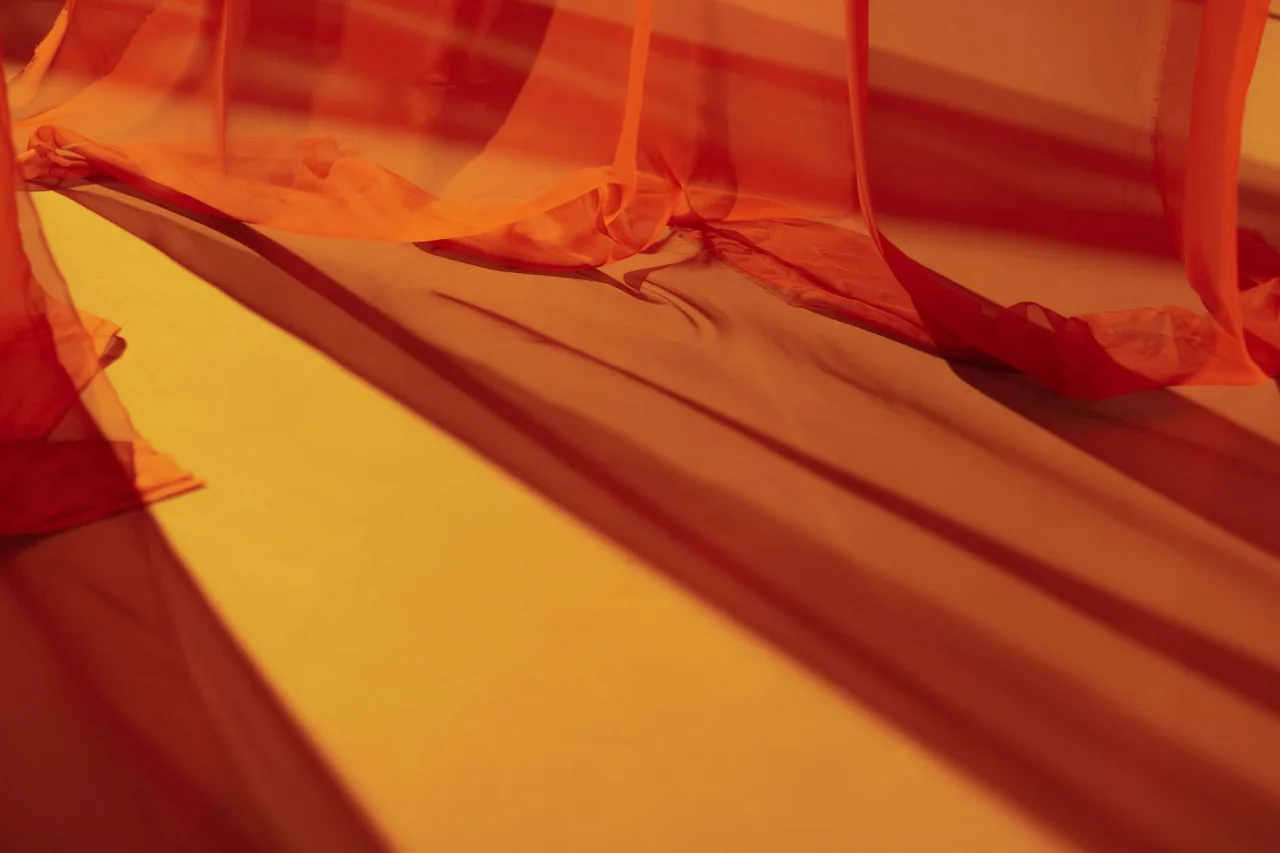
Chiffon takes colour and print beautifully, so the style range is wide.
- Printed chiffon. Digital florals, geometrics, and abstract prints on a sheer ground, the everyday workhorse and often the most affordable.
- Plain dyed chiffon with a border. A single-colour dupatta with a lace, gota, or embroidered edge, endlessly versatile over solid shirts.
- Embroidered chiffon. Light thread work, sequins, or scattered motifs, festive without weight.
- Ombre and shaded chiffon. A colour gradient along the length that looks lovely in a long, flowing fall.
- Silk chiffon. The luxury version, with a softer glow and better breathability, favoured for formal and bridal wear.
- Bordered net-and-chiffon combinations. A chiffon body finished with a contrast net or lace border, blending flow with a defined edge.
One reason chiffon has stayed a wardrobe staple for decades is how democratically it comes priced. Silk chiffon was historically expensive and tied to luxury and status, but the arrival of nylon, polyester, and rayon versions in the twentieth century made the same flowing look affordable for everyday wear. That is why a printed chiffon dupatta is often the first dressy accessory people buy, and why silk chiffon remains the quiet upgrade for formal wardrobes.
Styling note
Chiffon is the drama-free dupatta. Because it clings and flows, it flatters almost every outfit and body shape, and it forgives a less-than-perfect drape. When in doubt, a printed chiffon dupatta over a plain solid shirt in one of the print's colours is a foolproof, put-together look.
How to drape a chiffon dupatta
Chiffon's softness means it takes wrapped and flowing drapes that a stiff fabric cannot.
- The soft one-shoulder sweep. Loosely gathered over one shoulder and left to trail, showing off the fabric's flow.
- The double-shoulder wrap. Draped across both shoulders and framing the neckline, elegant and secure for formal wear.
- The wrapped-neck style. Looped once around the neck like a scarf, a modern, casual take that suits chiffon's lightness.
- The head drape. Softly over the head for nikah or religious occasions, where chiffon sits gracefully without bulk.
Because chiffon slips, a small pin at the shoulder keeps any drape in place. For a fuller walkthrough see our step-by-step guide to wearing a dupatta and the broader dupatta styles guide.
Matching a chiffon dupatta to the occasion
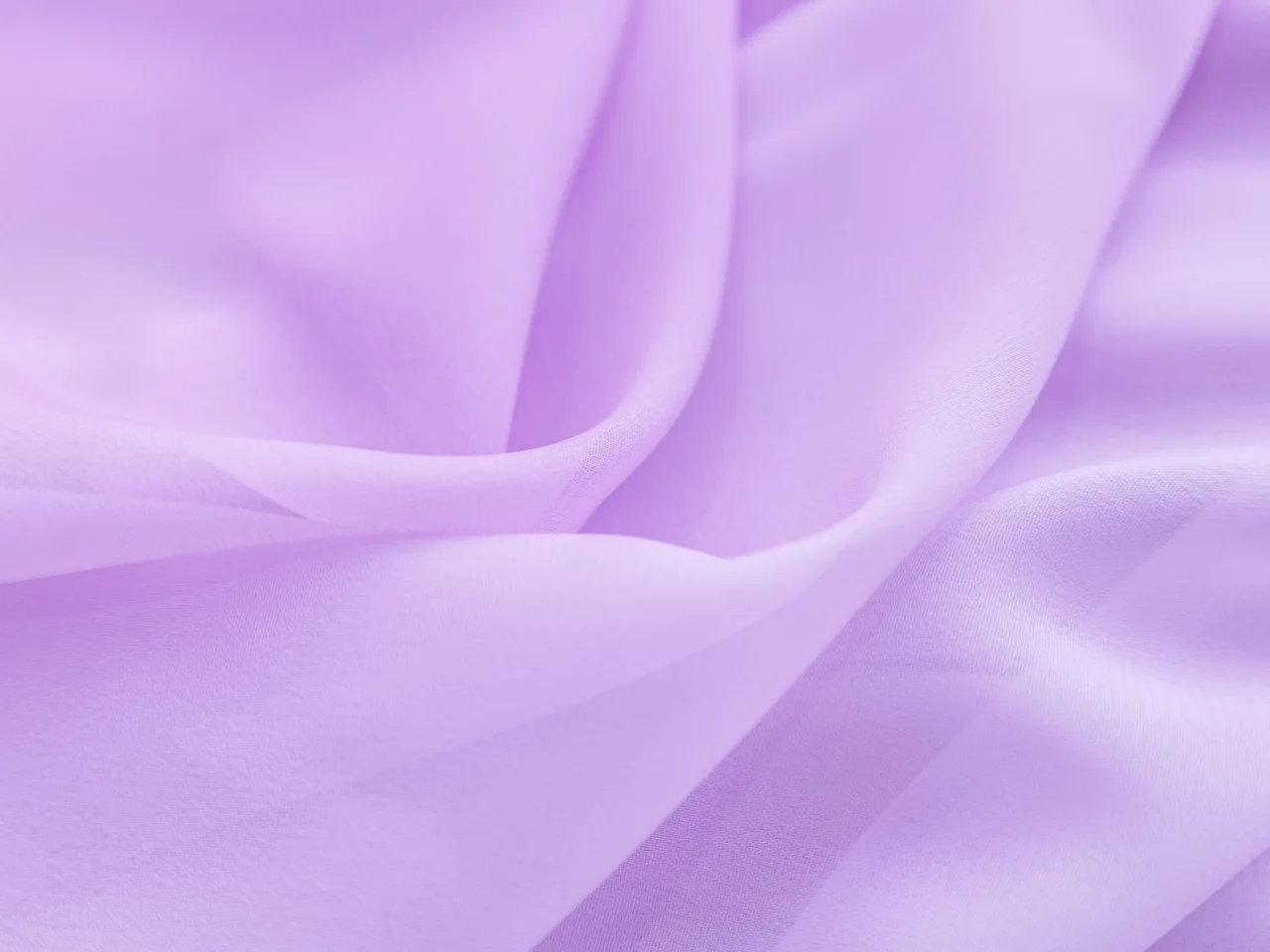
Chiffon is comfortable across a wide range of events, from daytime to formal.
- Everyday and office wear. A light printed chiffon dupatta dresses up a plain shirt without feeling heavy or fussy.
- Eid and dinners. A plain or embroidered chiffon with a border strikes an easy, elegant note.
- Weddings and receptions. Silk chiffon and embroidered chiffon dupattas drape beautifully and photograph with soft movement.
- Summer and travel. Because it is airy and packs down to almost nothing, chiffon is ideal for hot weather and suitcases alike.
- Nikah and religious occasions. A soft chiffon head drape sits gracefully without bulk, which suits ceremonies where a covered head is expected.
Colour is where chiffon really earns its place. Because the fabric is sheer, a solid-dyed chiffon dupatta reads as a softened, slightly luminous version of its colour rather than a flat block, so it blends easily with the outfit underneath. Printed chiffon behaves the same way, with the ground colour showing through and knitting the print into the whole look. If you are building a coordinated wardrobe, a few plain chiffon dupattas in versatile tones will stretch across far more outfits than one heavily worked piece.
If you love the fabric beyond dupattas, our guide to chiffon outfits and what styles best covers sarees, shirts, and gowns in the same cloth.
Caring for a chiffon dupatta
Chiffon is easy to live with if you respect its two weaknesses: heat and snagging.
- Press cool. Iron on the lowest heat with a cloth barrier, or steam it. High heat can scorch or pucker chiffon, especially synthetic versions.
- Hand-wash gently. Plain synthetic chiffon can be hand-washed in cold water with mild detergent; never wring it, just press the water out and drip-dry in shade.
- Dry-clean worked and silk pieces. Embroidery, sequins, and silk chiffon are safest with professional cleaning.
- Watch for snags. The fine weave catches on rough jewellery and Velcro, so handle it away from sharp edges.
Our detailed piece on how to iron chiffon without ruining it covers pressing this delicate fabric safely.
Buying tip
Check the fibre before you pay. Silk chiffon has a softer glow, breathes better, and costs more, while polyester chiffon is crisper, more durable, and far cheaper. For a dupatta you will wear often, a good synthetic chiffon is practical; for a formal or bridal piece, silk chiffon justifies the price. Treat any figures as ranges that vary by fibre, work, and retailer, and confirm current pricing before buying.
Chiffon dupatta compared with other sheers
Choosing a dupatta fabric comes down to how you want it to move. Chiffon flows and clings softly, organza stands and holds a crisp shape, and georgette is a touch heavier with more body than chiffon. If you are deciding, compare our guides on organza vs chiffon and chiffon vs georgette, or read our companion piece on the organza dupatta for the crisp, structured alternative.
Common chiffon dupatta mistakes to avoid
- Leaving raw edges unfinished, which fray quickly. Insist on a bound, rolled, or piped hem.
- Ironing it hot, which puckers and scorches the delicate weave.
- Wringing it after washing, which stretches and creases the fabric out of shape.
- Expecting it to hold a stiff, structured drape, when its whole charm is a soft, flowing fall.
- Snagging it on jewellery, since a single pull can run across the fine surface.
Frequently asked questions
Is a chiffon dupatta suitable for everyday wear?
Yes, chiffon is one of the more practical occasion-to-everyday fabrics. A light printed chiffon dupatta is airy, flattering, and easy to carry, so it works over an office or daytime outfit as well as a dressier one. The main care is gentle pressing and protecting the edges from fraying.
How do I keep a chiffon dupatta from slipping?
Secure it with one small pin at the shoulder, and for a fuller drape add a second pin at the opposite hip. Chiffon has a smooth, slippery surface, so a couple of discreet pins hold the fall far better than balancing the fabric loose. A wrapped-neck style also stays put more easily.
Can I wash a chiffon dupatta at home?
Plain synthetic chiffon can usually be hand-washed in cold water with a mild detergent, then pressed dry without wringing and dried in shade. Silk chiffon and any embroidered or sequinned dupatta are safest dry-cleaned, since water and friction can damage the fibre and the work.
Chiffon or organza for a dupatta?
Choose chiffon if you want a soft, flowing dupatta that wraps and drapes against the body and feels light and forgiving. Choose organza if you want a crisp, structured dupatta that stands away from the shoulder and holds a sculptural shape. They suit different moods, so many wardrobes have both.
How much does a chiffon dupatta cost?
It depends mainly on the fibre and the amount of work. A plain or printed synthetic chiffon dupatta is very affordable, while a silk chiffon piece with embroidery costs considerably more. Treat any figure as a range that varies by fabric, work, and retailer, and confirm current pricing before you buy.
Sources: Wikipedia: Chiffon and Wikipedia: Sari.
More on Fabrics
Have a question or a topic to suggest?
We read every message. Tell us what you would like to see next in the journal.
Get in touch