Organza Dupatta: Styles, Care and Picks
The crisp, sheer dupatta that frames the face: styles, draping, care and honest buying tips.
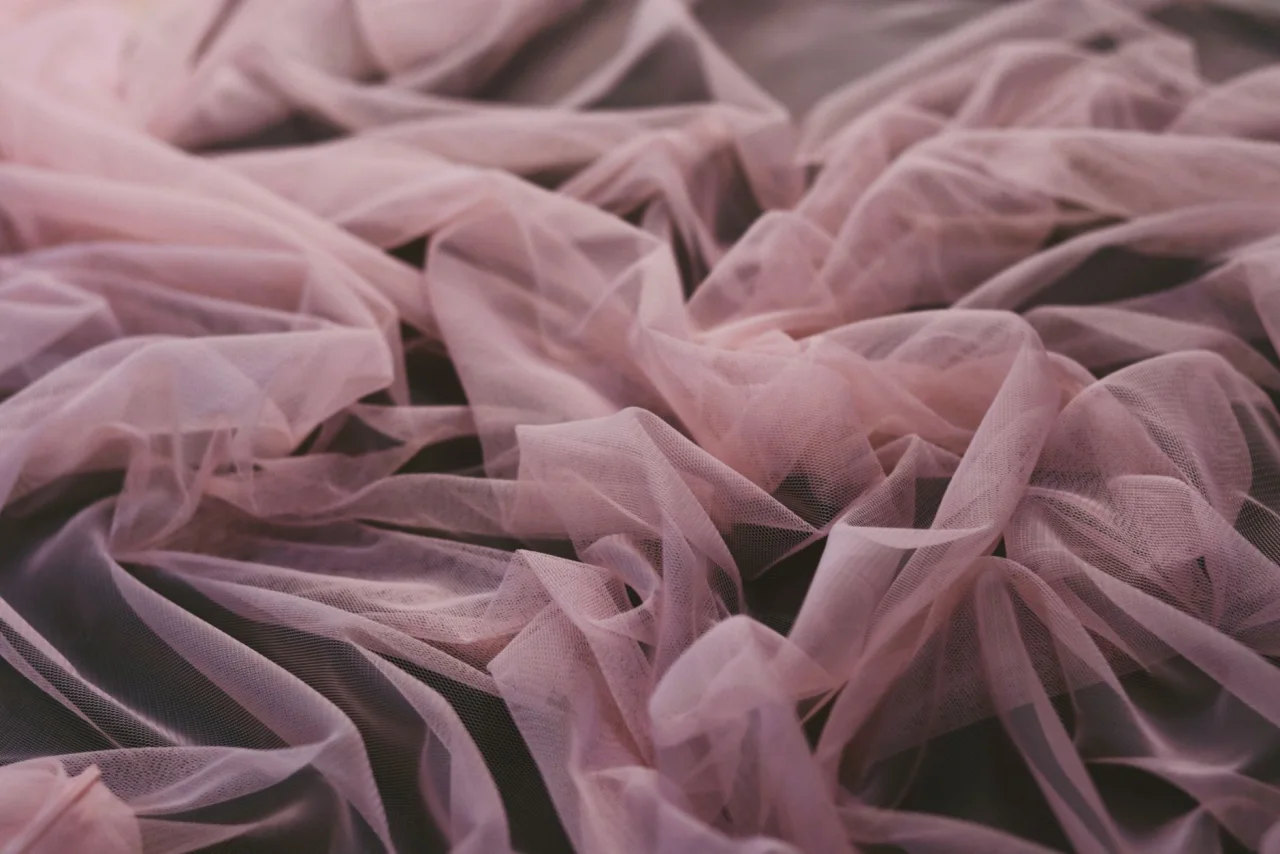
An organza dupatta is the fastest way to turn a plain shirt into an occasion outfit. Its crisp, glassy sheerness stands away from the shoulder and frames the face instead of collapsing into it, which is exactly why it photographs so well. This guide covers the styles that suit organza, how to wear and care for it, and how to buy one without overpaying.
The short version
- Organza is crisp and sheer, so a dupatta in it holds its shape, catches light, and drapes with structure rather than clinging.
- It is a superb base for borders and surface work: gota edges, sequins, thread embroidery, and cutwork all sit cleanly on it.
- It creases sharply and can scorch, so it needs low-heat steaming and careful storage, not a hot iron and a tight fold.
- Price depends on whether it is pure silk organza or a polyester or nylon version, plus the amount of work; always confirm current pricing with the retailer.
Why organza works so well as a dupatta
Everything an organza dupatta does well traces back to the fabric itself. Organza is a thin, plain-weave, sheer cloth that is traditionally woven from silk, though many modern versions use synthetic filament fibres such as polyester or nylon. Its defining traits are a crisp hand, real stiffness relative to its light weight, and a smooth, slightly slippery surface. If you want the full fibre and weave picture, our explainer on what organza is, its properties and care goes deeper. For a dupatta specifically, those traits are a gift.
Because it is stiff, an organza dupatta keeps a clean, sculptural drape on the shoulder instead of sagging. Because it is sheer, it adds a veil of colour and shine without hiding the outfit underneath. And because it has a taut, smooth surface, borders and embroidery read crisply along its edges. The trade-off is that it does not flow softly the way chiffon does, so it is a styling piece with presence rather than a fluid wrap.
Popular organza dupatta styles
Most organza dupattas fall into a few recognisable families, and knowing them makes shopping much faster.
- Plain or tissue organza with a border. A single-colour or shot-tissue organza with a gota, zari, or lace edge. The most versatile option, it dresses up almost any solid shirt.
- Embroidered organza. Thread work, resham, or sequin motifs scattered across the body or concentrated along the pallu, a festive favourite.
- Printed organza. Digital florals and geometric prints on a sheer ground, lighter in mood and often more affordable.
- Applique and cutwork organza. Shapes stitched onto or cut into the sheer fabric for a layered, dimensional edge.
- Ombre and shaded organza. A gradient dyed across the length, which looks striking when draped in a single fall.
- Tissue and shot organza. A metallic or two-tone weave that shifts colour as it catches the light, adding depth without any embroidery.
A little history helps explain the fabric's air of occasion. The name organza is thought to trace back through the French organsin to Urgench, a Central Asian city that sat on the northern Silk Road, so the cloth carries centuries of trade-route association with luxury silk. Traditional organza is woven from silk, while much of what you find on the high street today is a polyester or nylon version that mimics the crisp hand at a lower price. Knowing which you are looking at is the single most useful thing when you shop.
Styling note
Let the dupatta do the lifting. A pastel embroidered organza dupatta over a plain cotton or lawn shirt is one of the highest-impact, lowest-effort looks in a desi wardrobe. Because the fabric already glows, keep the shirt underneath calm and let the dupatta be the statement.
How to drape an organza dupatta
Organza holds a shape, so it rewards deliberate draping. A few falls suit it especially well:
- The single front fall. One pleated end pinned at the shoulder and left to hang, which shows off a worked pallu and keeps the crisp line clean.
- The double-shoulder shawl. Draped evenly across both shoulders and framing the neckline, ideal for a structured, formal look.
- The pinned cross-body. Taken across the front and secured at the opposite hip, which stops a stiff dupatta from slipping.
- The loose head drape. Softly over the head for nikah or religious functions, where organza's light body sits gracefully without weight.
Because organza can slide, a couple of well-placed pins do more than fighting the fabric all evening. For a fuller walkthrough, see our step-by-step guide on how to wear a dupatta and the broader dupatta styles guide.
Matching an organza dupatta to the occasion
Organza is a celebration fabric that looks its best under good lighting and a dressy mood.
- Mehndi and mayun. Bright or ombre organza dupattas add festive colour and movement to a simple base outfit.
- Eid and formal dinners. An embroidered organza dupatta over a solid shirt strikes the right note of effort without heaviness.
- Weddings and receptions. Heavier bordered or worked organza dupattas photograph beautifully under reception lighting.
- Daytime and outdoor summer events. Be cautious here. Organza is not the coolest fabric, so keep it to a light dupatta over a breathable shirt rather than a heavy worked piece in the heat.
If you love the fabric beyond dupattas, our guide to organza outfits and what styles best covers lehengas, shirts, and capes in the same cloth.
Caring for an organza dupatta
An organza dupatta lasts for years if you treat it gently. The two enemies are heat and hard creases.
- Press cool. Steam it, or iron on the lowest heat with a thin cotton cloth between the iron and the fabric. High heat can scorch or melt synthetic organza.
- Store it hung or rolled, not folded flat, since sharp folds set stubborn creases.
- Dry-clean worked pieces. Embroidery, sequins, and gota borders are safest with professional cleaning; plain synthetic organza can often be hand-washed cold.
- Keep it away from snags, as the sheer weave can pull on rough jewellery clasps and Velcro.
Our detailed piece on how to care for organza without ruining it walks through washing, pressing, and storage in full.
Buying tip
Ask what the organza is made of before you pay. Pure silk organza is more expensive, has a softer glow, and breathes better, while polyester and nylon organza are cheaper, crisper, and warmer to wear. Neither is wrong, but the price should reflect which one you are getting, so treat any figures you see as ranges that vary by fibre, work, and retailer, and confirm current pricing before buying.
Organza dupatta compared with other sheers
Choosing a dupatta fabric is easier once you know how each one moves. Organza stands and holds shape, chiffon flows and clings softly, and net is more open and grid-like. If you are torn between the crisp look and a softer fall, compare our guides on organza vs chiffon and net fabric vs organza, or read our companion piece on the chiffon dupatta for the softer alternative.
Common organza dupatta mistakes to avoid
- Buying without checking the fibre, then being surprised it feels warm or looks plasticky under light.
- Ironing it hot, which scorches synthetic organza and flattens its crisp body.
- Storing it crushed, which sets creases that need re-pressing before every wear.
- Fighting a soft, wrapped drape, when organza is built for structured, pinned falls instead.
- Pairing a heavily worked dupatta with an equally busy shirt, which makes the whole look fight itself.
Frequently asked questions
Is an organza dupatta good for everyday wear?
Organza is better suited to occasions than daily wear. It is crisp, semi-formal, and needs careful pressing and storage, so most people reserve it for Eid, weddings, and dinners rather than routine daytime use. For everyday, a softer cotton or lawn dupatta is more practical.
How do I stop an organza dupatta from slipping off my shoulder?
Use one or two small pins at the shoulder and, if needed, secure the opposite end at the hip. Organza has a smooth, slightly slippery surface, so a couple of well-placed pins hold the drape far better than trying to balance the fabric loose all evening.
Can an organza dupatta be washed at home?
Plain synthetic organza with no embellishment can often be hand-washed in cold water and drip-dried, but any dupatta with embroidery, sequins, gota, or a zari border is safest dry-cleaned. High heat and machine washing can distort the fabric and damage the work.
How much does an organza dupatta cost?
Prices vary widely with the fibre and the amount of work. A plain printed polyester organza dupatta sits at the affordable end, while a pure silk organza piece with hand embroidery or a heavy zari border costs considerably more. Treat any figure as a range that depends on fabric, work, and retailer, and confirm current pricing before you buy.
What should I wear an organza dupatta with?
An organza dupatta works best over a plain or lightly worked shirt so the dupatta can be the statement. Solid cotton, lawn, or raw silk kurtas make an excellent base, and a coordinated pair of earrings that echo the dupatta's sheen finishes the look without competing with it.
Sources: Wikipedia: Organza and Wikipedia: Chiffon.
More on Fabrics
Have a question or a topic to suggest?
We read every message. Tell us what you would like to see next in the journal.
Get in touch