What Is a Gharara? The Guide
The three-piece Lucknowi outfit explained: knee-flared trousers, the gota, its Awadh origins and how it differs from a sharara.
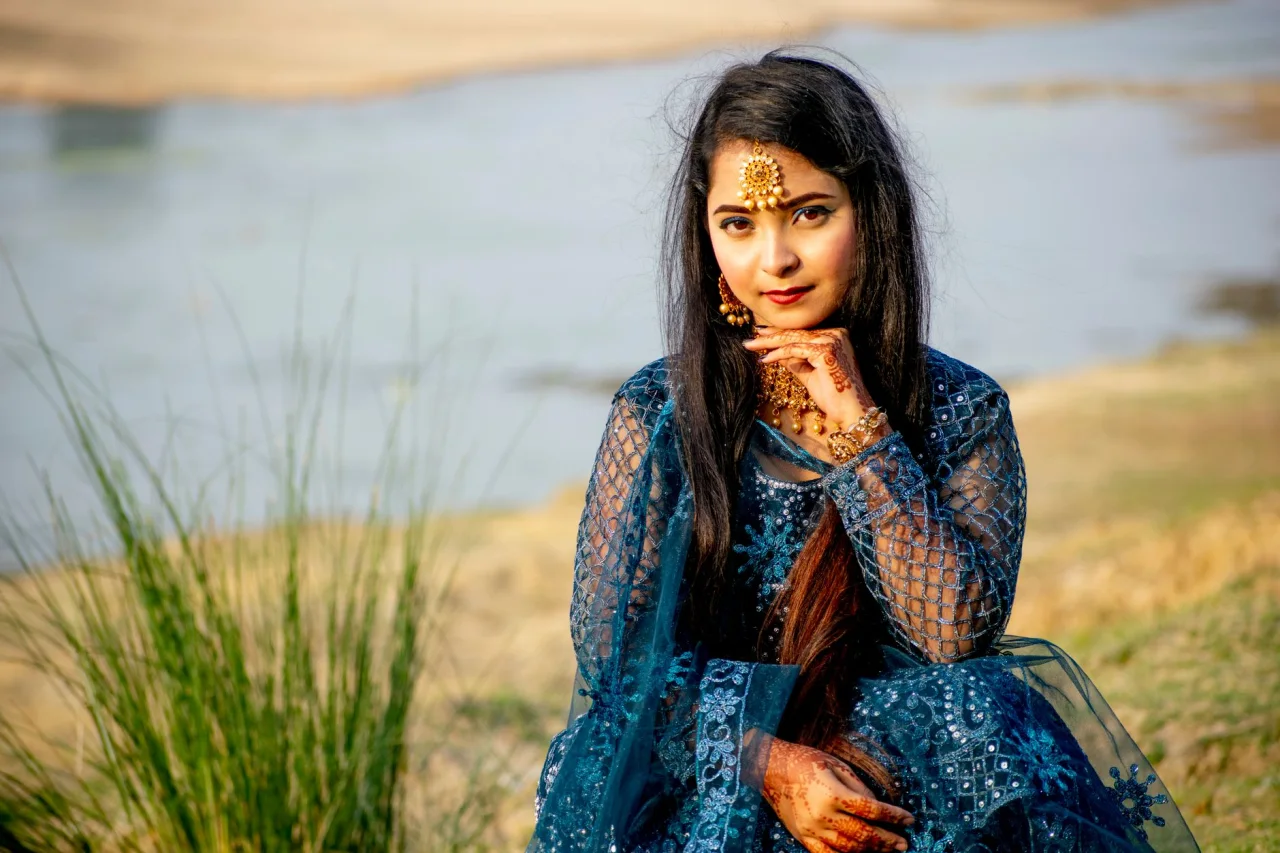
The gharara is one of South Asian fashion's most romantic silhouettes: a pair of wide, dramatically flared trousers, paired with a short kurti and a flowing dupatta. If you have ever admired a bride or Eid-morning outfit that seemed to bloom outward from the knee, you were most likely looking at a gharara. This guide explains exactly what it is, where it comes from, and how to tell it apart from its close cousins.
The short version
- A gharara is a three-piece outfit: a short kurti, a dupatta, and wide-legged trousers that flare sharply from the knee.
- The flare begins at a decorated knee joint, called the gota, which is traditionally embroidered in zari or zardozi.
- It originated in the Awadh region around Lucknow during the era of the Nawabs and became everyday Muslim women's wear before shifting to occasion and bridal use.
- It differs from a sharara (which flares gradually from the hip) and a farshi shalwar (which trails on the floor).
What exactly is a gharara?
A gharara is a traditional outfit built around three pieces worn together: a kurti, a mid-thigh length tunic; a dupatta, the long scarf or veil; and the signature gharara trousers. The trousers are the defining element. From the waist down to the knee they fit fairly close to the leg, and then, at the knee, they burst open into a wide, voluminous flare that reaches the ankle. The effect is a bit like two long skirts, one for each leg.
The point where the fitted upper section meets the flared lower section is the heart of the garment. In Hindi and Urdu this knee joint is called the gota, and it is the traditional home of the outfit's heaviest decoration: bands of gold zari, zardozi or contrasting fabric that draw the eye and mark the transition. A classic gharara uses a generous amount of cloth in each leg, historically many metres of silk brocade, which is what gives the garment its rich, sweeping movement when you walk.
Where the gharara comes from
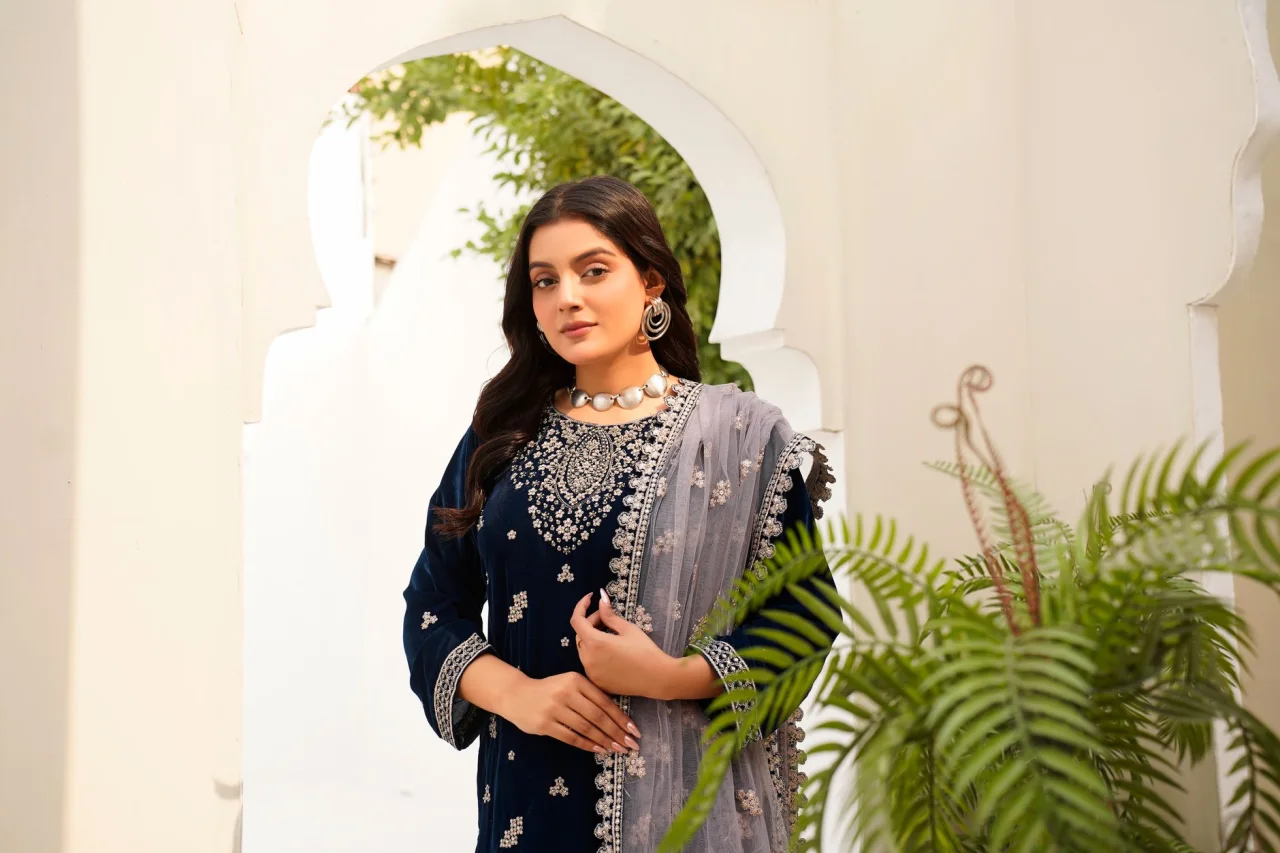
The gharara is a Lucknowi garment with roots in the Awadh region of Uttar Pradesh, tied to the refined court culture of the Nawab era. During the late nineteenth and early twentieth centuries it became common everyday wear for Muslim women across the Hindi and Urdu speaking belt of North India, not just a special-occasion piece.
In the decades after 1947 the gharara took on new prominence in Pakistan and Bangladesh, worn by prominent public figures of the 1950s and 1960s. As tailoring fashions changed, the gharara stopped being daily dress, but it never disappeared. Today it survives as a much-loved wedding and festive garment among Muslim women of the region and in Urdu-speaking diaspora communities around the world. You can read more about this history on Wikipedia's gharara page.
Name note
The word gharara refers to the trousers themselves, but in everyday use people call the whole three-piece outfit a gharara. When someone says they are wearing a gharara, they mean the kurti, dupatta and flared trousers as a set.
The anatomy of a gharara
Understanding the parts helps you shop smarter and describe what you want to a tailor:
- Kurti: the top, usually ending around mid-thigh. It can be fitted or slightly flared, sleeveless or full-sleeved, plain or heavily worked.
- Gharara trousers: fitted from waist to knee, then flared to the ankle. Each leg is effectively its own gathered panel.
- Gota (knee joint): the horizontal seam at the knee where the flare begins, typically emphasised with embroidery or a contrast band.
- Dupatta: the long scarf, draped over the shoulder, head or both, often matching or complementing the kurti.
Because the trousers carry so much fabric and the flare pools around the feet, the gharara reads as formal and celebratory even in simpler fabrics. That is a big part of its appeal for weddings and Eid.
Gharara vs sharara vs farshi shalwar
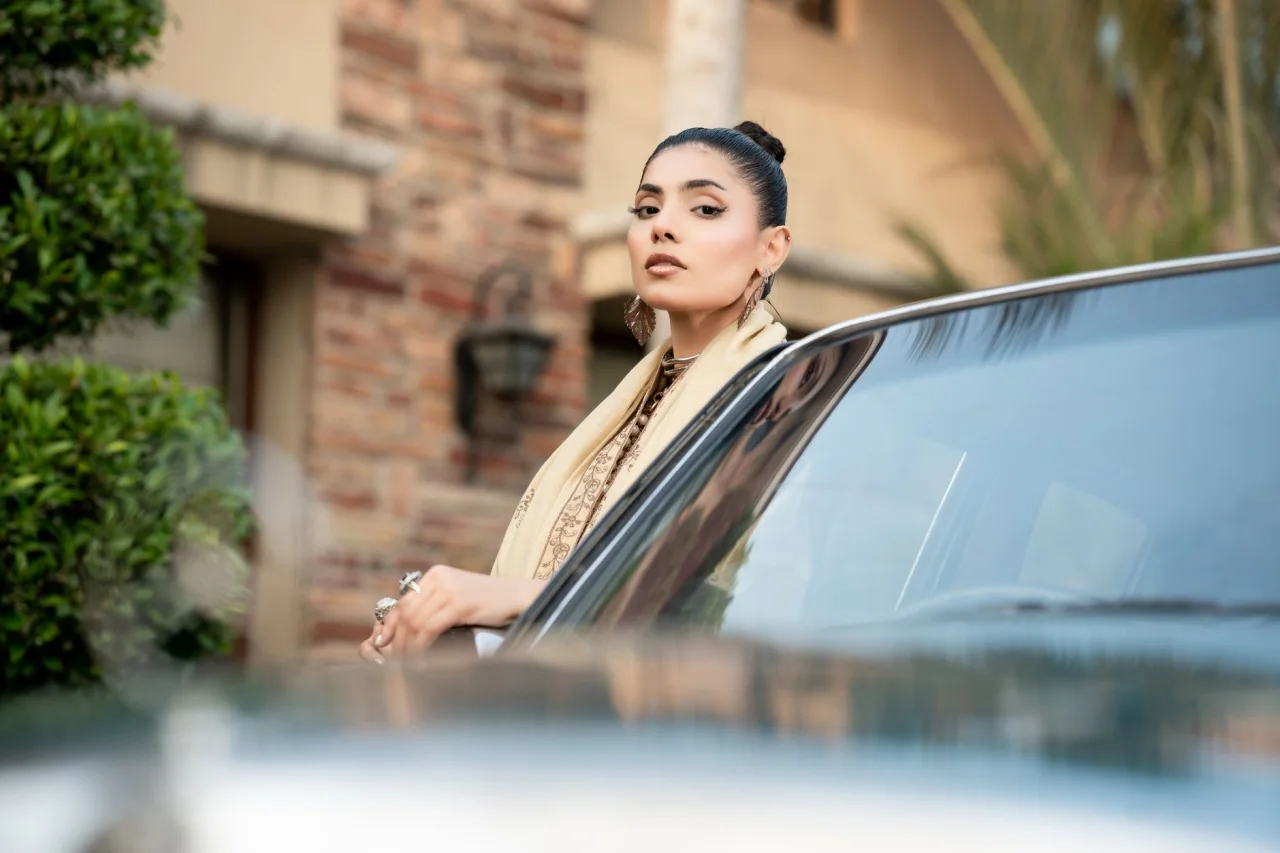
These three garments are constantly confused because they are all wide-legged and share the same regional heritage. The difference is in where and how the flare happens.
- Gharara: fitted to the knee, then a sharp flare from a decorated knee joint. The break at the knee is the giveaway.
- Sharara: flares more gradually and starts higher, closer to the hip, so the leg reads as one continuous widening line rather than a fitted-then-flared shape. If you want the full comparison, see our guide to what a sharara is.
- Farshi shalwar: an even grander court garment that falls straight to the ankle and then flares out to trail copiously on the floor. It originated in the courts of Oudh (Lucknow) in the early twentieth century, as noted on Wikipedia. Our farshi shalwar guide covers it in depth.
A quick test: look at the knee. A clean fitted-to-flared break at the knee means gharara. A smooth widening from the hip means sharara. Fabric puddling on the floor means farshi.
Who does a gharara suit?
One of the nicest things about the gharara is how forgiving it is. Because the volume lives below the knee, it flatters a very wide range of body types.
- Petite frames: keep the flare proportionate and the kurti shorter so the outfit does not overwhelm your height.
- Curvier frames: the fitted knee and flared hem skim over the hips and thighs, which many people find very flattering.
- Tall frames: you can carry a longer kurti and a deeper flare beautifully.
The gharara works for brides, wedding guests, Eid, engagements and formal dinners. It is less practical for daily office wear simply because of the volume, though lighter cotton and lawn versions do exist for relaxed occasions.
Styling tip
Because the trousers are the star, keep the kurti relatively simple if the gharara is heavily embroidered, and let the gota do the talking. Statement jhumkas and a neat bun keep the focus where it belongs.
Fabrics and embroidery you will see
Traditional ghararas lean on silk brocade for its structure and sheen, but modern versions use a broad palette of fabrics. Heavier jacquard and raw silk hold the flare crisply for bridal looks, while organza and net give a lighter, airier drape for festive wear.
The gota and hemline are usually where the craft shows. Gold-thread work such as zari and zardozi has adorned elite garments of this region since the Mughal era, when it symbolised wealth and status, as documented on Wikipedia's zardozi page. On a gharara you will often see this metal embroidery concentrated at the knee joint and along the flared border, with the kurti kept lighter to balance the look.
How to wear and care for a gharara
Getting the proportions right matters more than the price of the fabric. Aim for a kurti that ends at or just above the knee joint so the gota stays visible, and let the trousers just kiss the floor with a heel. Once you own one, a few habits will keep it beautiful:
- Store it hanging or loosely folded so the flare does not develop hard creases.
- Dry clean heavily embroidered pieces rather than washing at home.
- Protect zari work by covering it with a soft cloth when ironing, and iron on the reverse.
Ready to go deeper? Browse current looks in our roundup of gharara designs for 2026, learn to put together complete outfits in our gharara styling guide, and get fit and budget advice in our guide to choosing the perfect gharara.
Frequently asked questions
What is a gharara in simple terms?
A gharara is a traditional South Asian outfit made of three pieces: a short tunic called a kurti, a long scarf called a dupatta, and wide trousers that are fitted to the knee and then flare out dramatically to the ankle. The whole set is usually called a gharara.
What is the difference between a gharara and a sharara?
A gharara is fitted to the knee and then flares sharply from a decorated knee joint called the gota. A sharara flares more gradually and starts higher up, near the hip, so the leg widens in one continuous line rather than breaking at the knee.
Where did the gharara originate?
The gharara originated in the Awadh region around Lucknow in North India during the era of the Nawabs. It became common everyday wear for Muslim women in the late nineteenth and early twentieth centuries before shifting mainly to wedding and festive use.
Is a gharara only for brides?
No. While ghararas are popular bridal and wedding-party outfits, lighter versions in cotton, lawn or organza are worn for Eid, engagements, formal dinners and festive gatherings. The fabric and embroidery level set how formal the outfit reads.
How much fabric does a gharara use?
A traditional gharara uses a large amount of fabric per leg, historically many metres of silk brocade, which is what creates its full, sweeping flare. Modern lighter versions may use less, but volume from the knee down is central to the look.
More on Clothing Types
Have a question or a topic to suggest?
We read every message. Tell us what you would like to see next in the journal.
Get in touch