How to Choose a Gharara
Fit by body type, fabric by season, stitched vs unstitched, realistic price brackets and the red flags to avoid.
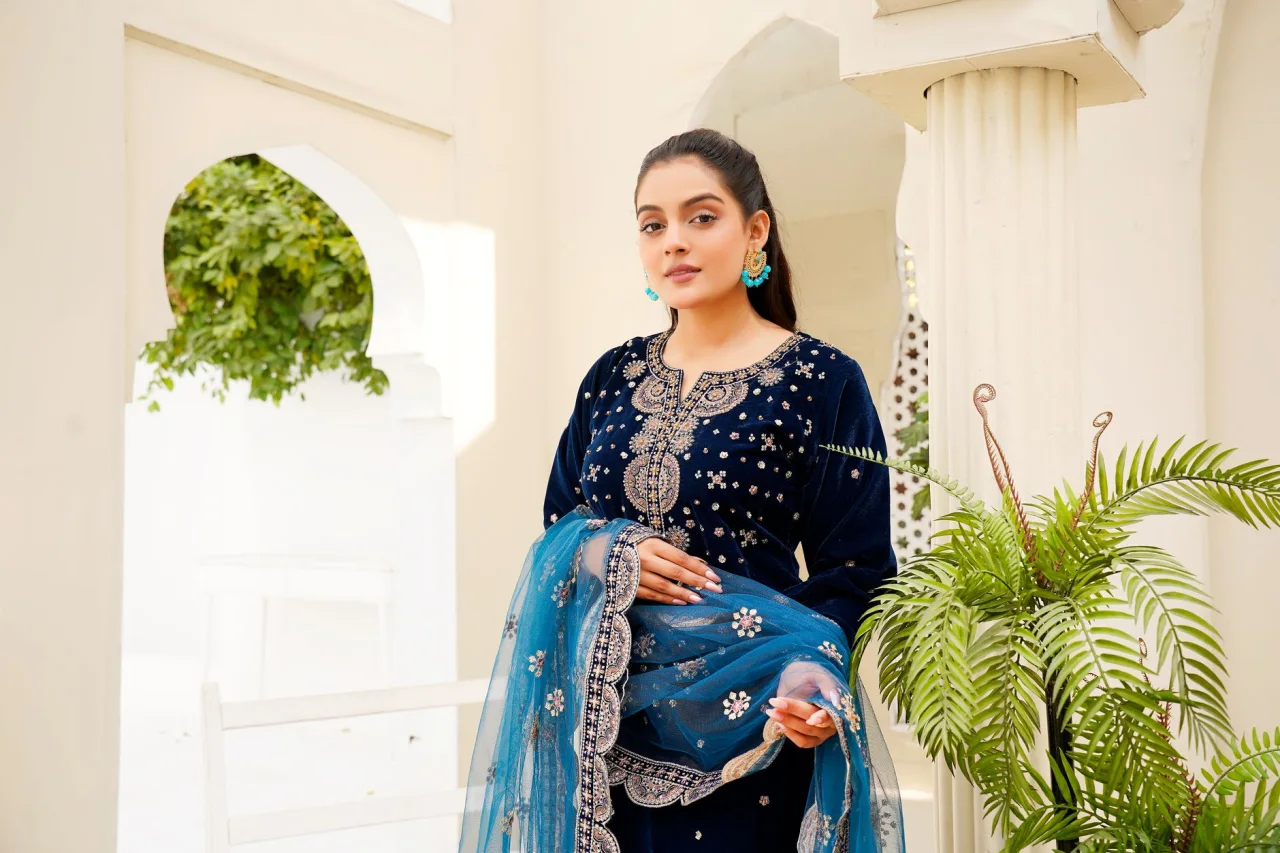
Buying a gharara is a bigger decision than most outfits, because the volume, fabric and embroidery all affect how it looks, how it wears and what it costs. This guide walks you through fit by body type, fabric by season, the stitched versus unstitched question, realistic price brackets, and the red flags that separate a good gharara from a disappointing one.
The short version
- Fit is about proportion: match the flare and kurti length to your height, and get the knee joint sitting at your actual knee.
- Choose fabric by season and event: light organza and net for summer, silk brocade and velvet for winter and bridal.
- Stitched saves time and guarantees the look; unstitched gives control over fit but needs a skilled tailor.
- Prices vary widely by fabric, hand work and retailer, so treat brackets as a guide and always confirm current pricing.
Start with fit and body type
The gharara is one of the more forgiving silhouettes because its volume lives below the knee, skimming over the hips and thighs. It is a traditional Lucknowi outfit built around a kurti, a dupatta and knee-flared trousers, as documented on Wikipedia, and that fitted-then-flared construction is exactly what makes fit so important. The single most important measurement is where the knee joint, the gota, sits: it should land at your actual knee, not above or below, or the flare looks off.
- Petite: keep the flare moderate and the kurti shorter so the outfit does not swamp your frame; avoid an overly deep hem.
- Tall: you can carry a longer kurti and a fuller, deeper flare with ease.
- Curvier: lean into the fitted-knee, flared-hem shape, which skims the hip and thigh; a structured fabric holds the line cleanly.
- Broader shoulders: balance the volume below with a simpler, structured kurti neckline.
If you are still deciding between the gharara and its cousins, our complete gharara guide and our sharara guide explain how the silhouettes differ and who each suits.
Choosing fabric by season and occasion
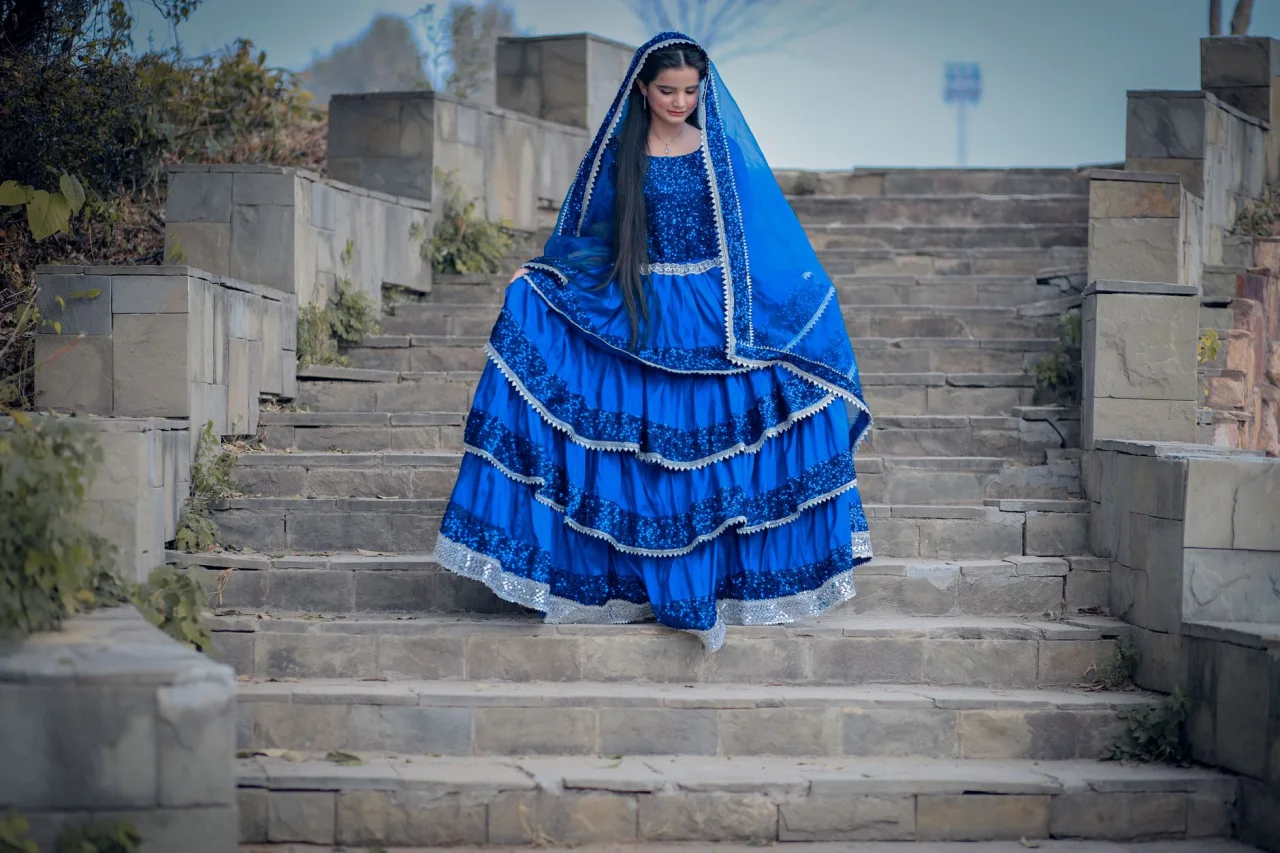
Fabric decides comfort, drape and formality more than any other factor. Match it to both the weather and the event.
- Summer and daytime: organza, net, cotton and lawn are breathable and hold a light flare.
- Winter and formal: velvet, silk brocade and raw silk add warmth, structure and richness.
- Bridal: structured, weighty fabrics that hold the flare crisply and carry heavy embroidery well.
- Festive middle ground: georgette and jacquard sit between light and heavy, good all-rounders.
Drape tip
Heavier fabrics hold a sculpted, structured flare; lighter fabrics fall softer and move more. Decide whether you want the gharara to stand away from the body or flow with it, then pick the fabric weight to match.
Stitched versus unstitched
You will often see ghararas sold both ready-stitched and as unstitched fabric sets. Each has a place.
- Stitched (ready to wear): convenient, and you can see the final drape before buying. Best when time is short or you are confident about the standard size. Check the fit at the knee joint carefully, as it is hard to alter a flare.
- Unstitched: you get the fabric and embroidery panels and have them tailored. This gives full control over fit and kurti length, but the result depends entirely on the tailor's skill with the demanding gharara flare.
If you go unstitched, choose a tailor who has made ghararas before. Setting the gathers evenly at the gota and balancing both legs is genuinely difficult, and a weak tailor will show it.
Understanding embroidery quality
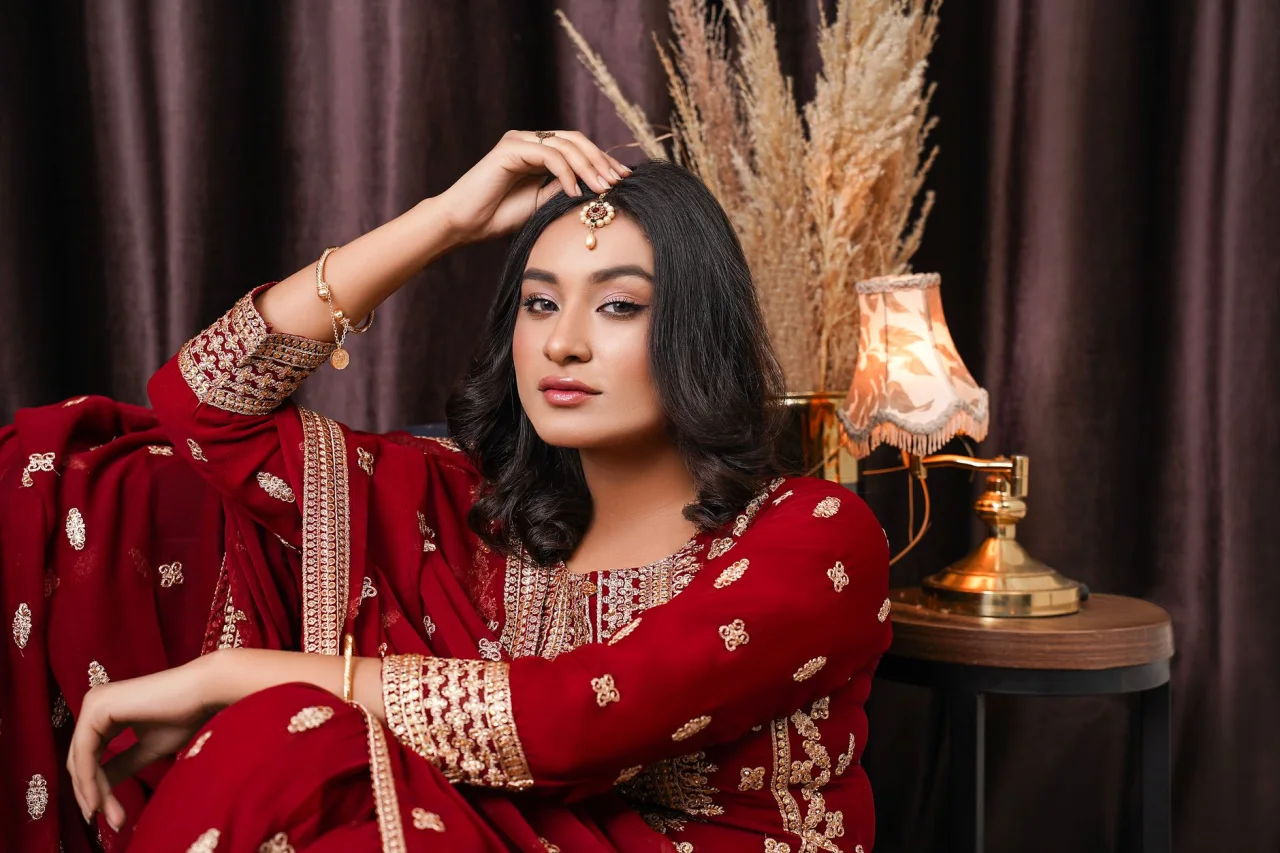
Embroidery is where a lot of a gharara's value and price sits, so it pays to know what you are looking at. Gold-thread work such as zari and zardozi has adorned elite garments of this region since the Mughal era, as documented on Wikipedia's zardozi page, and genuine hand work still commands a premium today.
- Hand embroidery (zardozi, dabka, resham): richer texture, slight irregularity that signals it is handmade, and greater durability. Costs more.
- Machine embroidery: uniform, faster and cheaper, fine for festive and budget ghararas.
- Glued or stuck-on embellishment: the lowest tier; it can shed over time and is a sign of a cut-price finish.
To learn to spot quality up close, see our guides to zari and gota work.
Realistic price brackets
Gharara prices depend on fabric, the amount and type of hand work, and the retailer or designer, so any figure is only a broad guide. Always confirm current pricing directly with the seller before you commit. As a general framework:
- Entry level: printed lawn, cotton or lightly machine-embroidered net ghararas. Suitable for festive day wear.
- Mid range: organza, georgette or jacquard with a mix of machine and light hand work at the gota.
- Premium and bridal: silk brocade, raw silk or velvet with substantial hand embroidery such as zardozi and dabka.
Value is about where the money goes, not just the total. A smaller area of genuine hand work often looks and lasts better than a large expanse of cheap machine work. Our gharara design roundup groups ideas by budget if you want to see this in practice.
Red flags to watch for
A few warning signs help you avoid a gharara that disappoints once you get it home:
- Uneven legs: the two flares should mirror each other; a visible imbalance points to poor stitching.
- A gota that sits wrong: if the knee joint lands above or below your knee, the whole silhouette looks off.
- Shedding or glued embellishment: run a hand over the work; loose or stuck-on pieces signal low quality.
- Scratchy inner finish: heavy embroidery without lining can be uncomfortable against the skin.
- Thin, unlined sheer fabric: organza and net need proper lining, or the outfit turns see-through and shapeless.
Before you buy
Sit down and take a few steps in the gharara if you can. The flare should move freely without the waist digging in or the gota pulling. A gharara you cannot move comfortably in is the wrong gharara, however beautiful.
Where to buy and questions to ask
Ghararas are sold through local tailors and boutiques, ready-to-wear brands, designer studios and online stores, and each channel has trade-offs. Local tailoring gives you control over fit but depends on the tailor's skill; ready-to-wear brands offer consistency and returns; designers offer craft and exclusivity at a higher price. Online is convenient but you cannot feel the fabric or check the drape, so buy from sellers with clear photos, fabric details and a return policy.
Whichever route you choose, a few questions protect you before you pay:
- What exactly is the fabric, and is the gharara lined? Sheer fabrics without lining are a common disappointment.
- Is the embroidery hand or machine work, and is any of it glued? This drives both price and durability.
- Can it be altered, and by how much? A flare is hard to adjust, so confirm the knee-joint position first.
- What is the return or exchange policy, especially when buying online?
Getting straight answers to these tells you as much about the seller as it does about the gharara. A seller who is confident about their fabric, lining and embroidery will answer plainly; one who is vague or evasive is often hiding a cut corner. Trust that instinct, because a gharara is an investment you want to enjoy for years, not regret after one wear.
Once you have chosen well, put the outfit together with our gharara styling guide, which covers dupatta drapes, jewellery and footwear for every occasion.
Frequently asked questions
How do I choose a gharara for my body type?
Match the flare and kurti length to your height: moderate flare and a shorter kurti for petite frames, a fuller flare and longer kurti for taller frames. Make sure the knee joint sits at your actual knee, and use structured fabric to hold a clean line over the hips.
What is the best fabric for a gharara?
There is no single best fabric; it depends on season and occasion. Organza, net, cotton and lawn suit summer and daytime, while velvet, silk brocade and raw silk suit winter, formal and bridal wear. Georgette and jacquard are versatile middle-ground choices.
Should I buy a stitched or unstitched gharara?
Buy stitched if you want convenience and the chance to see the final drape, checking the knee-joint fit carefully. Choose unstitched if you want control over fit and kurti length, but only with a tailor experienced in the demanding gharara flare.
How much does a gharara cost?
Prices vary widely by fabric, the amount and type of hand embroidery, and the retailer, so treat brackets as a guide only. Entry-level lawn and cotton ghararas are the most affordable, while silk brocade and velvet bridal ghararas with heavy hand work sit at the premium end. Always confirm current pricing with the seller.
What are the red flags when buying a gharara?
Watch for uneven legs, a knee joint that does not sit at your knee, shedding or glued-on embellishment, a scratchy unlined interior, and thin sheer fabric without proper lining. Moving and sitting in the gharara before buying helps you catch fit and comfort problems.
More on Buying Guides
Have a question or a topic to suggest?
We read every message. Tell us what you would like to see next in the journal.
Get in touch