Best Pakistani Brands 2026 (Ranked)
Luxury designer, luxury pret, lawn and value brands, ranked by what each does best.
Pakistan has one of the most exciting fashion industries in the world, from centuries-old textile houses to boundary-pushing couture ateliers. This guide ranks the brands worth knowing in 2026, grouped honestly by segment so you can find the right label for your budget and occasion. Instead of a made-up scoreboard, we sort each house by what it genuinely does best.
The short version
- There is no single best brand, only the best brand for your budget, occasion and fit needs.
- We group labels into four tiers: luxury designer, luxury pret, lawn and high street, and value.
- Founding facts are verified; prices are given as broad ranges because they shift by fabric, work and season.
- Always confirm current pricing, sizing and stock on the brand's own store before buying.
How we ranked the brands
Ranking clothing brands by a single number is misleading, so we do not. Instead we place each house in the tier where it is strongest, then describe what it is known for, its rough price band and who it suits. The tiers are luxury designer couture, luxury pret, lawn and mid-market high street, and everyday value. Where we state a founding year or founder we have verified it, and where we mention price we give a range with the reminder that costs vary by fabric, embroidery, ready-made versus unstitched, and retailer. To understand the labels used below, our explainer on what pret wear and luxury pret really mean is a useful companion.
Tier 1: Luxury designer and couture
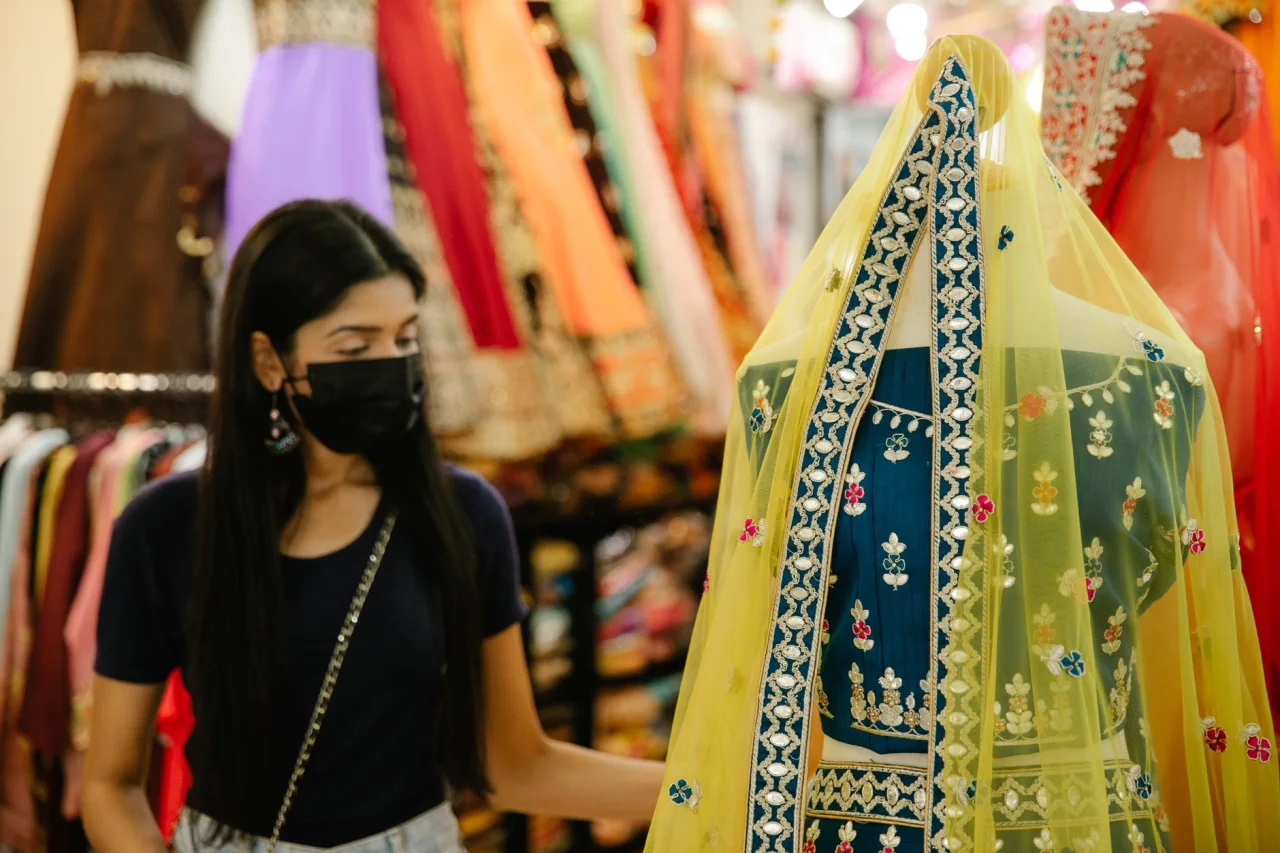
These are the ateliers you turn to for bridal, formal and statement occasion wear, where hand embroidery and made-to-measure craft justify the highest prices.
- HSY: Hassan Sheheryar Yasin founded the HSY label in 2000 as a Lahore-based couture house focused on bridal and formal wear, and it is one of the country's most established designer names.
- Sana Safinaz: established in Karachi in 1989 by Sana Hashwani and Safinaz Muneer, the house is known for both its seasonal lawn and its bridal couture, spanning ready-to-wear, unstitched fabric and formal lines, as its profile of Sana Safinaz records.
- Maria B: founded in 1999 in Lahore by Maria Butt, a graduate of the Pakistan Institute of Fashion and Design, offering everything from lawn to evening wear and bridals.
- Asim Jofa: launched by Muhammad Asim, who moved into fashion from a family diamond-jewellery background, and is positioned as a luxury designer label.
Expect couture and bridal pieces in this tier to sit at the top of the market, with prices that vary widely by the density of hand work. For the full picture on what drives cost here, see our deep dives into the Sana Safinaz brand guide and the Maria B brand guide.
Buying tip: unstitched versus ready-to-wear
Many of these houses sell the same print as both an unstitched three-piece and a stitched, ready-to-wear suit, at different prices. Unstitched lets you tailor the fit but adds stitching time and cost, while ready-to-wear is instant but sized to a standard. Our guide to ready-to-wear versus unstitched helps you decide.
Tier 2: Luxury pret and premium high street
This is the sweet spot for many shoppers: elevated design and good fabric at prices below couture. These labels lead on seasonal collections, embroidered pret and formal-but-wearable pieces.
- Khaadi: founded in 1998 by Shamoon Sultan in Karachi, Khaadi began as a handwoven clothing company and grew into a full fashion and lifestyle brand spanning womenswear, a premium Khaadi Khaas line, kids and home.
- Sapphire: launched in 2014 as part of the Sapphire textile group, it opened its first store in Karachi and built a reputation on well-priced two and three-piece suits, later adding a western line.
- Gul Ahmed: a textile house with roots going back to the early 1900s and formally incorporated in 1953, Gul Ahmed moved into branded retail with its Ideas stores in 2003 and remains a mainstay for prints and pret.
Prices here span the mid to upper-mid range depending on embroidery and fabric. Because this tier is so print-driven, comparing collections pays off, which is exactly what our Khaadi brand guide is built for.
Tier 3: Lawn specialists and seasonal powerhouses
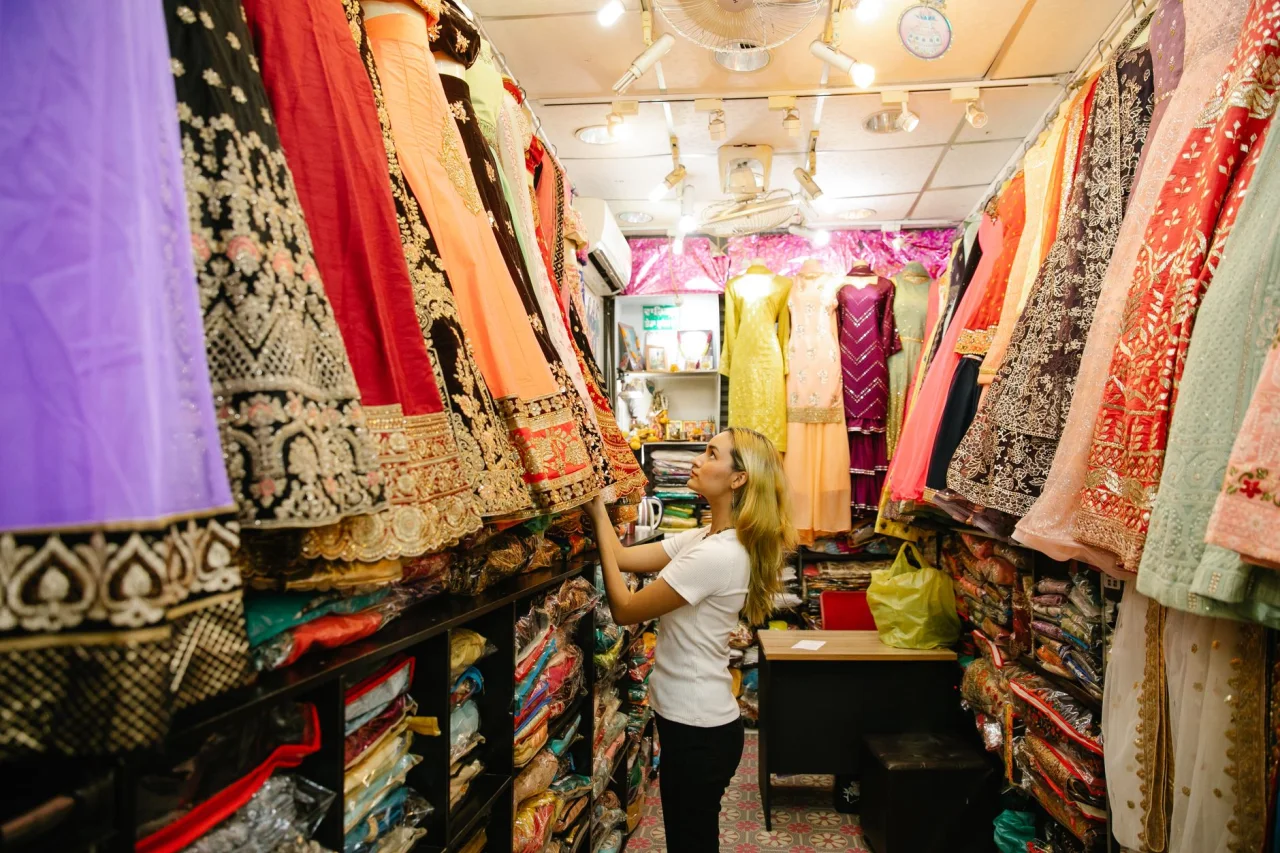
Lawn is Pakistan's signature summer fabric and a huge industry in its own right, so several houses are defined by their spring and summer lawn collections. Sana Safinaz, Maria B, Gul Ahmed and Khaadi all release major seasonal lawn ranges, and textile-led names such as Nishat Linen, founded in 1989 by Naz Mansha as part of the Nishat group, are known for their printed seasonal fabric. Because the lawn segment is so competitive and comes down to print exclusivity, fabric hand-feel and price per suit, we compare the big houses head to head in our dedicated guide to luxury lawn brands.
Tier 4: Everyday value and smart shopping
Not every occasion needs a designer label. For daily wear, work and casual outfits, the value tier delivers wearable, well-priced clothing, and many premium houses also run high-street and outlet lines. The smartest shoppers mix tiers, buying a couture piece for a wedding and stocking their weekly wardrobe from value ranges. If budget is your priority, our guide to affordable Pakistani dresses and where to shop smart shows how to get the most for your money without sacrificing quality.
How to choose the right brand for you
Rather than chasing a single winner, match the brand to the job:
- For a wedding or bridal: start with the luxury designer tier for hand-worked formals and bridals.
- For Eid and festive: luxury pret and premium high street offer the best mix of design and value.
- For summer daily wear: the lawn specialists are unbeatable on print and comfort.
- For work and casual: value ranges and outlet lines keep costs sensible.
Also weigh practical factors: unstitched versus ready-to-wear, whether the brand ships to your country, and its return policy. If you shop online, protect yourself with the checklist in our guide to buying Pakistani dresses online without regrets.
A note on prices and this ranking
Fashion moves fast, and so do prices. Every figure band in this guide is a general range, not a quote, because the cost of a single design swings with the fabric, the amount of hand versus machine embroidery, whether you buy stitched or unstitched, the season and the retailer. Treat this ranking as a map of what each house does best, then confirm current pricing, sizing and availability directly with the brand before you buy. We refresh this guide each year as collections and positioning evolve.
Frequently asked questions
Which is the best Pakistani clothing brand overall?
There is no single best brand, because the right choice depends on your budget and occasion. For bridal and couture, luxury designer houses like HSY, Sana Safinaz and Maria B lead. For festive pret, premium high-street names like Khaadi, Sapphire and Gul Ahmed offer the best balance of design and value. For summer daily wear, the lawn specialists are strongest.
What is the difference between a designer brand and a high-street brand?
Designer or couture houses focus on bridal, formal and made-to-measure pieces with dense hand embroidery, at the highest prices. High-street and luxury pret brands produce larger seasonal collections of ready-to-wear and unstitched suits at more accessible prices. Many houses operate across several tiers with different lines.
Which Pakistani brands are best known for lawn?
Sana Safinaz, Maria B, Gul Ahmed and Khaadi all release major seasonal lawn collections, and textile-led names such as Nishat Linen are known for printed seasonal fabric. Lawn is Pakistan's signature summer cloth, so this is one of the most competitive segments in the market.
How much do Pakistani branded suits cost?
Prices vary widely and are best treated as ranges rather than fixed figures. Value and high-street suits sit at the lower end, luxury pret in the mid to upper-mid range, and couture or bridal at the top. Cost depends on fabric, the amount of hand embroidery, whether the piece is stitched or unstitched, the season and the retailer, so always confirm current pricing.
Should I buy stitched or unstitched from these brands?
Many brands sell the same design both ways. Unstitched three-piece sets let you tailor the fit to your measurements but add stitching time and cost, while ready-to-wear is instant but made to a standard size. If fit is a priority and you have a trusted tailor, unstitched is worth it, otherwise ready-to-wear is more convenient.
More on Buying Guides
Have a question or a topic to suggest?
We read every message. Tell us what you would like to see next in the journal.
Get in touch