Buy Pakistani Dresses in the USA
Trusted brand sites, desi boutiques, shopping districts and the 2025 customs change.
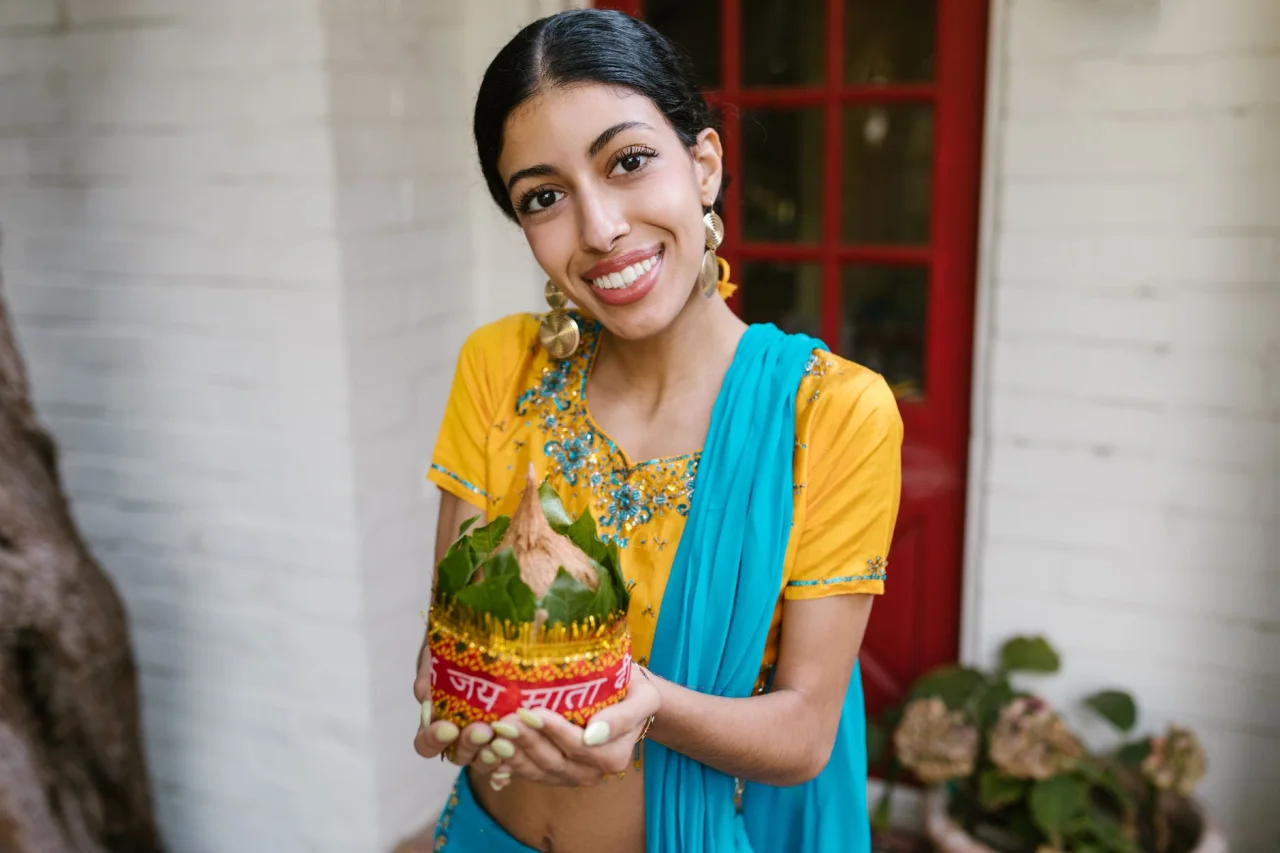
If you are in the United States and want authentic Pakistani clothes, you have more paths than ever: brand websites that ship internationally, US-based desi boutiques, established South Asian shopping districts, and made-to-measure tailoring. This 2026 guide maps the trustworthy options, the sizing and shipping pitfalls, and the customs rule that changed in 2025 and now affects almost every package from abroad.
The short version
- Buy from official brand sites or well-reviewed US boutiques to avoid counterfeits and fit surprises.
- The US ended its duty-free de minimis exemption in 2025, so imported packages can now attract duties regardless of value.
- Established South Asian shopping districts and local boutiques let you see fabric in person and get tailoring.
- Always check size charts and fibre content, and budget for shipping, duty and any alterations.
Buying direct from Pakistani brand websites
The most reliable way to get authentic pieces is to order from a brand's own international store. Several large Pakistani labels ship worldwide and price in dollars for US customers. Sapphire, for example, operates a global online store that ships to many countries including the United States, and Gul Ahmed serves customers worldwide through its retail network. Buying direct means you get genuine fabric, correct labelling and the brand's own returns policy, which third-party resellers may not honour.
To decide which labels suit your budget and taste, our ranked guide to Pakistani clothing brands and individual brand guides for Khaadi, Sana Safinaz and Sapphire lay out where each brand sits. Prices vary by fabric, work and retailer, so confirm current pricing and shipping at checkout.
US-based desi boutiques and resellers
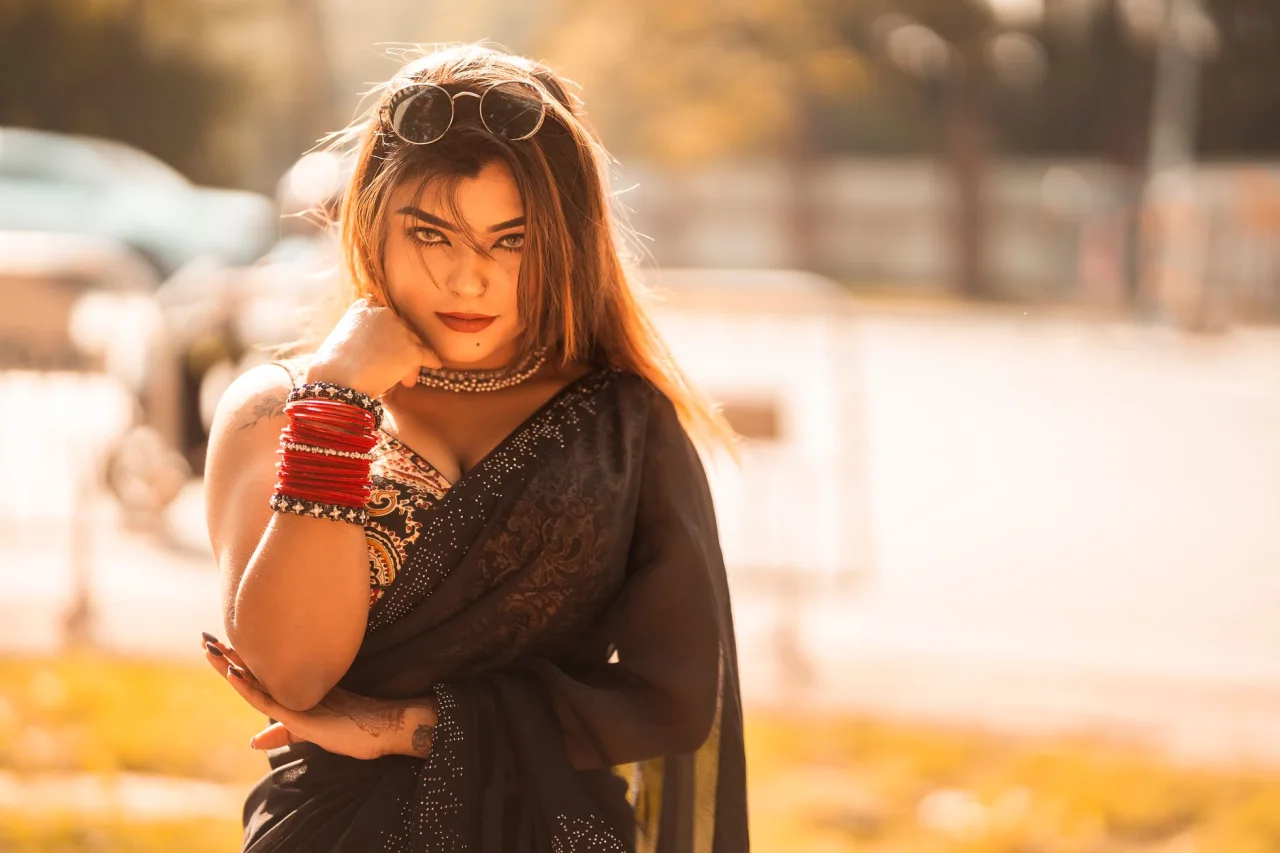
Plenty of US retailers stock Pakistani brands domestically, either as authorised stockists or as boutiques that import and re-sell. The advantage is faster shipping, easier returns and no international customs step, since the goods are already in the country. The trade-off is a markup over Pakistan prices and a smaller selection than the brand's full range. Notably, Khaadi, which was founded in 1998, opened a US store at Tysons Corner Center in Virginia in 2024, a sign of how far the diaspora market has grown.
When using a reseller, check reviews, confirm they are selling genuine brand stock rather than copies, and read the return and exchange terms before you order. A boutique that photographs its own stock and answers fabric questions is usually a safer bet than a bulk marketplace listing.
South Asian shopping districts to visit in person
For those who prefer to see and feel fabric before buying, the US has several long-established South Asian shopping areas where desi clothing stores cluster together. Well-known examples include Jackson Heights in Queens, New York; Oak Tree Road in the Edison and Iselin area of New Jersey; Devon Avenue in Chicago; and the Hillcroft area of Houston. These districts typically offer ready-made suits, unstitched fabric and on-site or nearby tailoring, which is invaluable for getting a proper fit.
Shopping in person also lets you judge fabric weight and print quality directly, the checks covered in our guide to choosing the perfect Pakistani dress. If you find a print you love unstitched, a local desi tailor can turn it into a suit cut exactly to your measurements.
Local tip
If you buy unstitched abroad or online, line up your tailor first and know your measurements. A trusted tailor in a South Asian district can also copy the fit of a suit you already love, which removes most of the guesswork from ordering fabric online.
The 2025 customs change every US buyer should know
US import rules changed significantly in 2025. The country previously allowed most shipments valued at 800 dollars or less to enter duty-free under the "de minimis" exemption. That exemption was suspended for all countries with effect from late August 2025, as documented in the overview of de minimis import thresholds. In practice this means a package of Pakistani clothes can now attract customs duty and processing regardless of its value, where it might previously have arrived duty-free.
The exact duty depends on the goods and how the carrier processes the shipment, so treat any headline price from a Pakistani site as a starting figure, not the landed cost. Where duty and international shipping would be steep, buying from a US-based boutique that has already imported the stock can work out simpler, and sometimes cheaper overall.
Getting the size and fit right from a distance
Sizing is the biggest reason online orders disappoint. Pakistani ready-to-wear brands use their own size charts, and unstitched fabric relies entirely on your tailor. To avoid surprises:
- Measure yourself and compare against the brand's chart rather than assuming your usual US size.
- For ready-to-wear, check the given garment length and chest measurement, not just the label size.
- For unstitched, note that shirt and trouser fabric still needs professional stitching to fit well.
- Read reviews for notes on whether a brand runs small, large or true to size.
Our detailed walkthrough, how to shop Pakistani dresses online without regrets, covers measuring, fabric checks and returns so a distant order still fits.
Working out the true landed cost
Before you commit, add up everything: the garment price, international shipping, any customs duty or brokerage fee, and stitching or alterations if the piece is unstitched or needs tailoring. That total is your real cost. A suit that looks cheap on a Pakistani website can climb once shipping and duty are added, while a slightly pricier US boutique piece may land cheaper with none of the customs friction. For budget strategies that apply wherever you shop, see our guide to affordable Pakistani dresses.
Frequently asked questions
What is the safest way to buy Pakistani dresses in the USA?
Ordering from a brand's official international website or a well-reviewed US-based boutique is safest, because you get genuine fabric, correct sizing information and a proper returns policy. Avoid unverified marketplace listings that may sell counterfeits. If you can, visit a South Asian shopping district to see fabric in person and arrange tailoring.
Do I have to pay customs duty on Pakistani clothes shipped to the US?
Possibly, yes. The US suspended its duty-free de minimis exemption for all countries from late August 2025, so imported packages can now attract customs duty and processing regardless of value. The exact charge depends on the goods and the carrier. Treat a Pakistani website's price as a starting figure and budget for shipping and potential duty on top.
Where are the main South Asian clothing shopping areas in the US?
Well-known districts include Jackson Heights in Queens, New York; Oak Tree Road around Edison and Iselin, New Jersey; Devon Avenue in Chicago; and the Hillcroft area of Houston. These clusters usually offer ready-made suits, unstitched fabric and nearby tailoring, so you can see fabric in person and get a proper fit.
How do I get the right size when ordering from Pakistan?
Measure yourself and compare against the brand's own size chart rather than your usual US size, and check the garment's length and chest measurement for ready-to-wear. For unstitched fabric, you will still need a tailor to stitch it to your measurements. Reading reviews for notes on whether a brand runs small or large also helps.
Is it cheaper to buy from Pakistan or from a US boutique?
It depends on the total landed cost. A Pakistan website may show a lower sticker price, but international shipping and post-2025 customs duty can add up. A US boutique that has already imported the stock avoids that customs step and can be simpler, sometimes cheaper overall. Always compare the full total, including shipping, duty and any tailoring.
More on Buying Guides
Have a question or a topic to suggest?
We read every message. Tell us what you would like to see next in the journal.
Get in touch