Ready to Wear vs Unstitched
Cost, fit and convenience compared, with a decision table so you know when to buy stitched pret and when to tailor unstitched fabric.
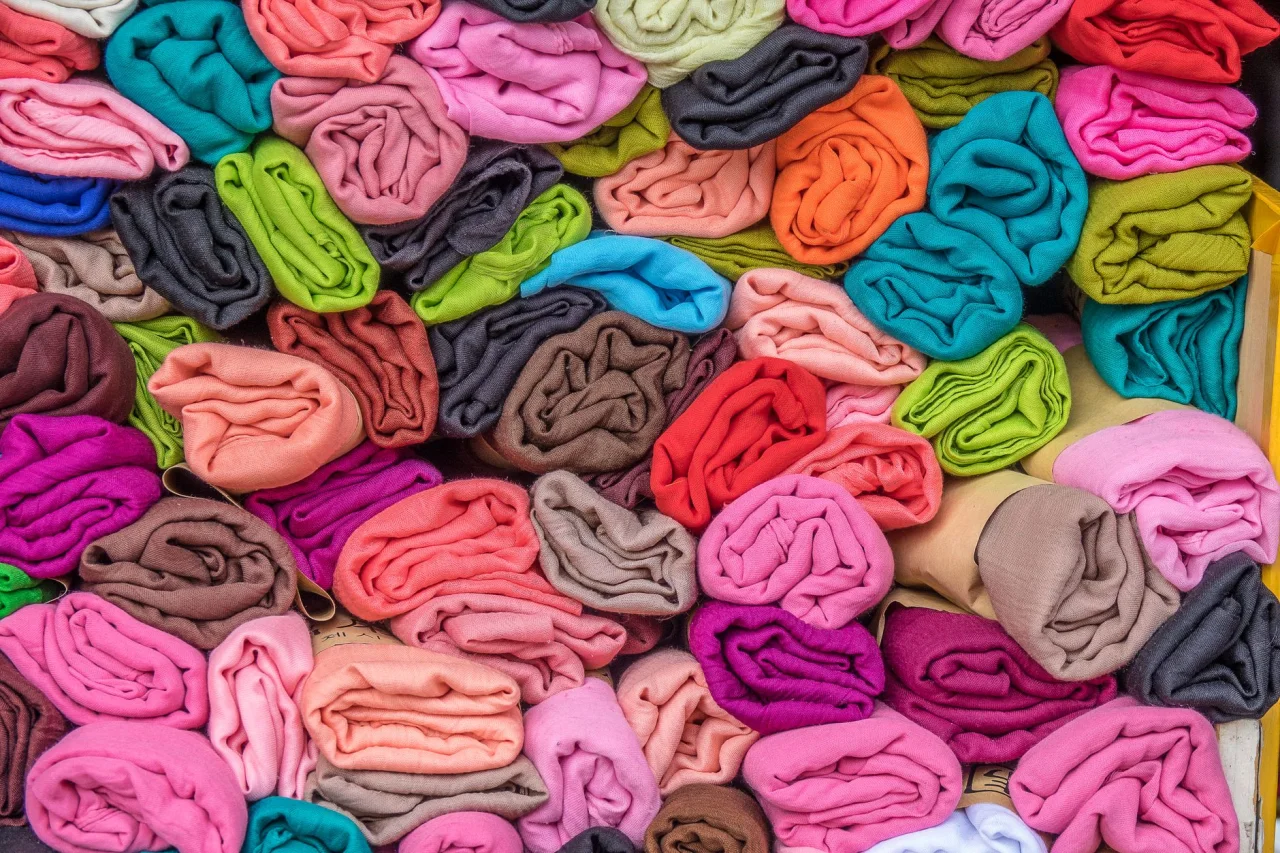
Every Pakistani clothing shopper eventually faces the same fork in the road: buy the outfit ready stitched and wear it tonight, or buy the fabric unstitched and hand it to a tailor. Both are right for different people and different occasions. This guide gives you a clear way to decide, with realistic cost and time trade-offs.
The short version
- Ready-to-wear (pret) means finished garments in standard sizes: fast and predictable, but a fixed fit and a higher price.
- Unstitched means you buy the fabric and pieces and pay a tailor: cheaper cloth, custom fit, but time and tailoring cost added.
- Choose pret for speed, travel, and hard-to-fit convenience; choose unstitched for a precise fit, a bigger wardrobe budget, and design control.
- Your real cost of unstitched is fabric plus stitching plus time, so compare landed totals, not just the sticker on the cloth.
What ready-to-wear actually means
Ready-to-wear, often called pret or pret-a-porter, describes garments sold finished in standardised sizes rather than custom cut to one body. This is the same definition used across global fashion, as summarised in the ready-to-wear overview. You pick your size, it arrives sewn, and you can wear it straight away. The trade-off is that the fit is fixed to a size chart, and the make is priced into the garment. If you want the full picture of the pret tiers, from everyday to designer, read our explainer on what pret wear really means.
What unstitched means in Pakistani fashion
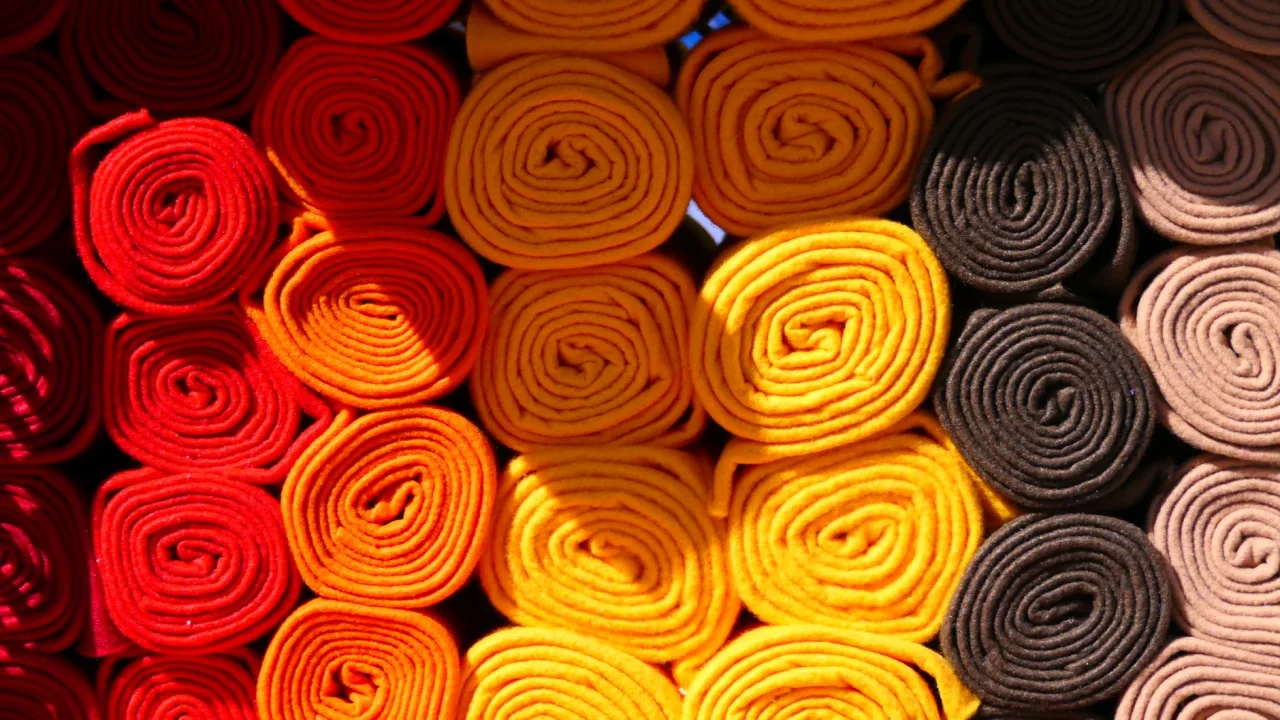
Unstitched is a cornerstone of the Pakistani wardrobe. You buy a fabric set, typically shirt, trouser and dupatta pieces, sometimes with the embroidery already worked onto panels, and then a tailor stitches it to your measurements. The national dress it usually becomes is the salwar kameez, the two-piece combination described in the shalwar kameez tradition. Lawn season, when brands release their spring and summer prints, is built largely around unstitched collections.
The honest cost comparison
The mistake many shoppers make is comparing the price of unstitched cloth to the price of a stitched suit and declaring unstitched the winner. The fair comparison adds tailoring. Here is how the totals really stack up, as caveated ranges that vary by fabric, work, city and tailor.
- Ready-to-wear: one price, sewn, no extra step. You pay a premium for that convenience and standard fit.
- Unstitched: fabric price plus a separate stitching charge. Basic stitching is modest, but heavy embroidery, linings, piping and design details raise the tailoring bill significantly.
Unstitched often still wins on total cost for everyday wear, and it usually wins decisively on fit. But for a simple design you need quickly, pret can be the smarter buy once you count your time and the risk of a tailor running late. Confirm current pricing on each retailer's own page, since figures move with fabric, embellishment and season.
Decision table
- Need it this week: ready-to-wear.
- Hard to fit off the rack: unstitched, tailored to you.
- Tight budget, everyday suits: unstitched, basic stitching.
- Travelling or gifting: ready-to-wear for certainty.
- Want a specific neckline, sleeve or length: unstitched.
- No trusted tailor nearby: ready-to-wear.
Fit: the biggest real difference
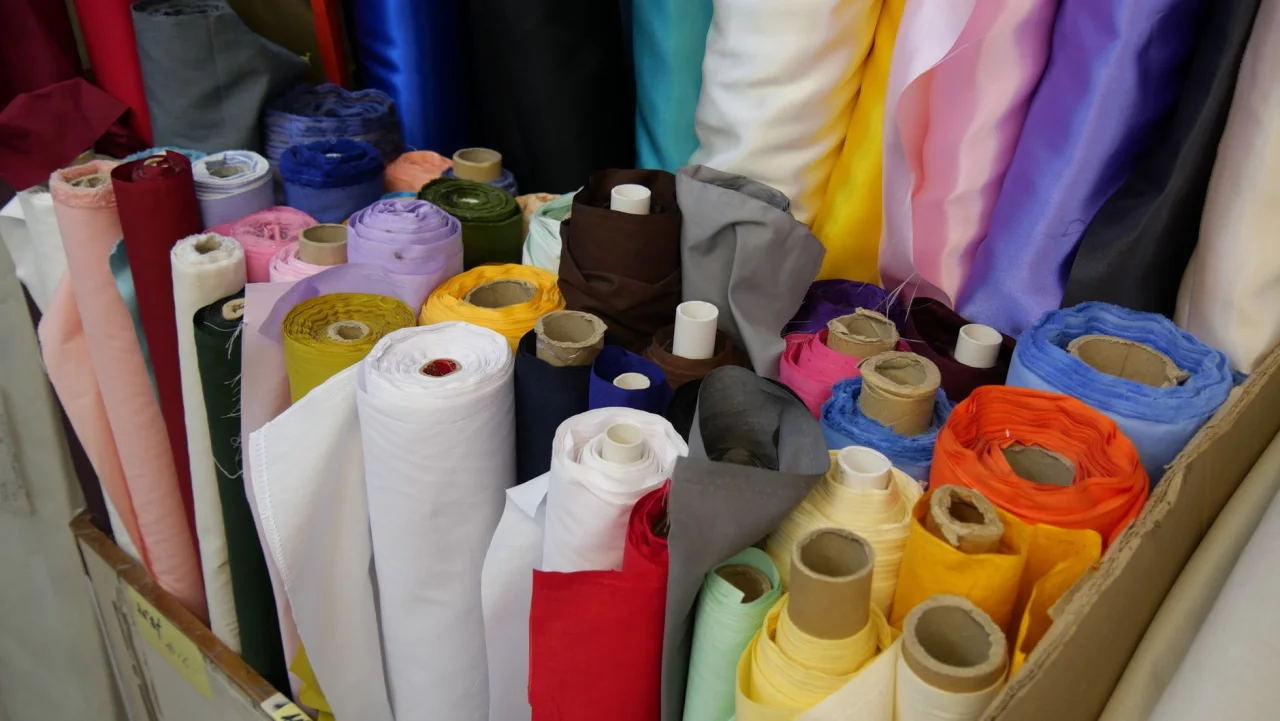
Pret fits a size chart, and size charts are built for an average, not for you. If your bust, waist and hips do not fall in the same size, or your height sits outside the standard, ready-to-wear will compromise somewhere. Unstitched removes that compromise because the tailor works to your exact measurements and your preferred shirt length, sleeve style and dupatta size. If you are unsure how to measure and choose well, our lawn suit fit and fabric guide walks through the numbers.
Time and effort: pret wins, unstitched costs patience
Ready-to-wear is done the moment it arrives. Unstitched adds a chain of steps: choosing a tailor, giving measurements, waiting for the stitch, and sometimes a fitting and an alteration. Around Eid and wedding season, good tailors book out weeks in advance and turnaround slows. If your calendar is tight, that queue is a real cost. Plan unstitched orders early, exactly as we advise for shopping Pakistani dresses online without regrets.
Design control and personalisation
Unstitched is where personal style lives. You decide the neckline, the sleeve length, whether to add piping or lining, how long the shirt falls, and how the dupatta is finished. You can turn one fabric set into a straight shirt, an A-line, or a peplum depending on your mood. Ready-to-wear offers the designer's single interpretation, beautifully made but fixed. For inspiration on the details you can request, browse our guides to neckline designs and sleeve styles.
Quality: it depends on the maker, not the format
Neither format is automatically better made. A luxury pret piece from an established house can have refined finishing, while a rushed unstitched stitch from a careless tailor can disappoint. The reverse is equally true: a master tailor can outperform factory finishing. What matters is the fabric quality and the skill of whoever sews it. When you buy unstitched, your tailor is effectively part of the product, so invest in a good one.
How the brands sell both
Most large Pakistani labels offer both routes. Houses such as Sana Safinaz retail ready-to-wear alongside unstitched fabric, and Gul Ahmed, founded in 1953 in Karachi, built its retail presence on textiles and now sells across categories. This means you can often choose the same print in either format from the same brand. Learn each label's range and strengths through our ranked brand overview before deciding which route suits a given design.
So which should you buy?
Buy ready-to-wear when speed, certainty and convenience matter most, when you travel or gift, or when you have no trusted tailor. Buy unstitched when fit, budget efficiency across many outfits, and design control matter most, and when you have time to spare. Many experienced shoppers do both: pret for the last-minute event, unstitched for the wardrobe they build deliberately. If you want to go one step further into designer territory, see how the tiers compare in luxury pret versus ready-to-wear.
Frequently asked questions
What is the difference between ready-to-wear and unstitched?
Ready-to-wear, or pret, is a garment sold finished in a standard size, so you wear it as it arrives. Unstitched is fabric you buy and then have a tailor sew to your own measurements. Pret trades a fixed fit and higher price for speed and convenience, while unstitched trades added time and tailoring cost for a custom fit and design control.
Is unstitched cheaper than ready-to-wear?
The fabric itself is usually cheaper, but the fair comparison adds stitching. Once you include the tailor's charge, unstitched still often costs less for everyday designs, though heavy embroidery and complex construction can narrow or close the gap. Compare the total landed cost of fabric plus stitching against the pret price rather than the cloth price alone.
Which gives a better fit?
Unstitched usually gives a better fit because the tailor works to your exact measurements and preferences for length, sleeve and neckline. Ready-to-wear fits a size chart built for an average body, so it can compromise if your proportions differ. If you are hard to fit off the rack, unstitched is generally the safer choice.
How long does stitching take?
Basic stitching can take a few days, but heavy or embellished designs take longer, and turnaround slows sharply around Eid and wedding season when tailors are busiest. Always add buffer time, and place unstitched orders early so a late tailor does not leave you without an outfit.
Can I buy the same design in both formats?
Often yes. Many Pakistani brands release a print in both unstitched fabric and ready-to-wear, so you can choose the route that suits your timeline and budget for that particular outfit. Check the brand's own listing to confirm which formats a given design is offered in.
More on Buying Guides
Have a question or a topic to suggest?
We read every message. Tell us what you would like to see next in the journal.
Get in touch