Luxury Pret vs Ready-to-Wear
Fabric, embellishment, lining and finishing compared, with verified brand examples, so you know exactly what the higher price buys.
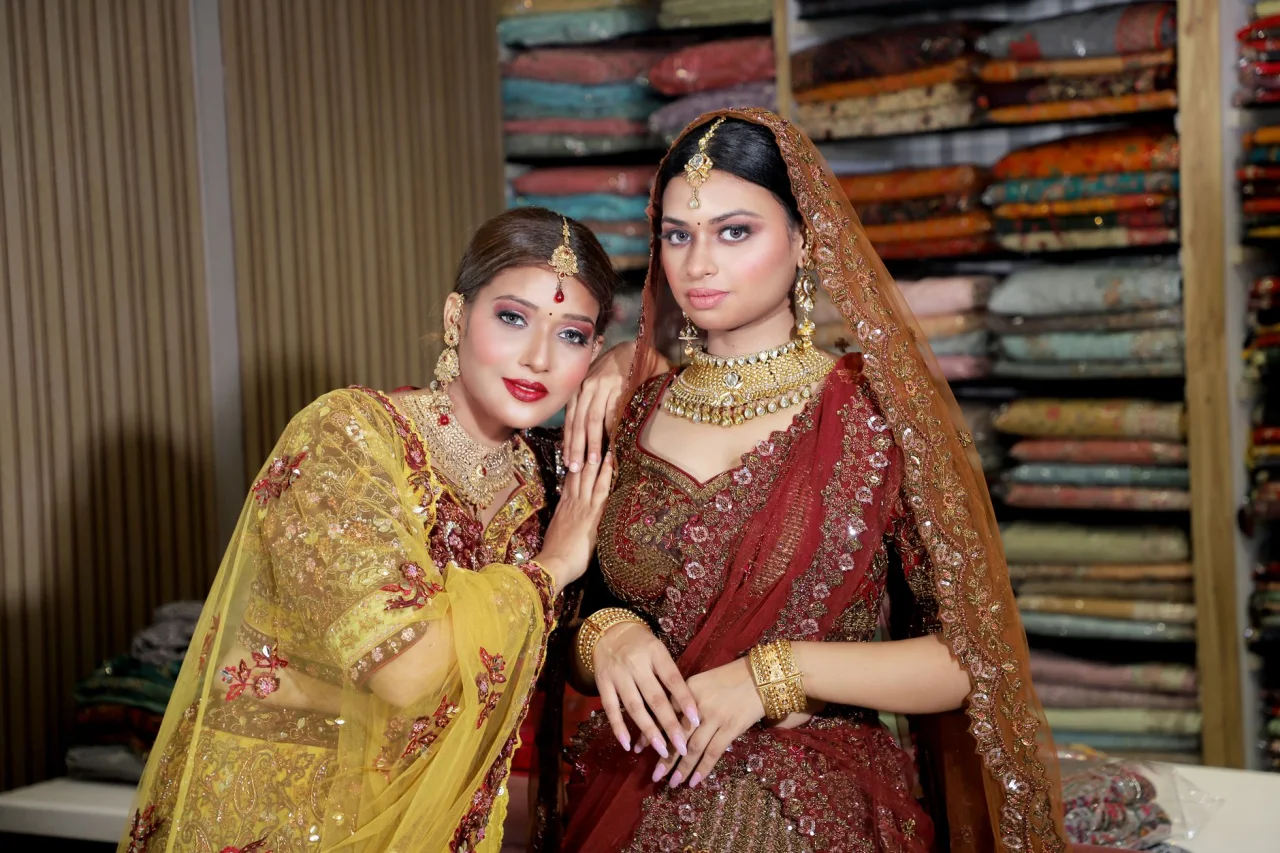
Luxury pret and standard ready-to-wear look similar on a hanger, yet one can cost several times the other. The difference is real, and it lives in the fabric, the embellishment, the construction and the finishing. Here is exactly what you are paying more for, and when it is worth it.
The short version
- Both are ready-to-wear in standard sizes; luxury pret is the premium end, not a separate category of tailoring.
- The real gaps are fabric quality, embellishment (often hand work), lining and inner construction, and finishing detail.
- Standard RTW favours prints and lighter fabric for everyday value; luxury pret favours embellishment and richer cloth for occasions.
- Prices vary widely by fabric, work and brand, so compare like for like and confirm current pricing before deciding.
Start with what they share
Both luxury pret and standard ready-to-wear are pret: finished garments sold in standard sizes, as defined in the wider ready-to-wear tradition. Neither is cut to your body the way bespoke couture is. So when people ask which fits better, the honest answer is that both fit a size chart, and true custom fit only comes from tailoring, which is the unstitched route we cover in ready-to-wear versus unstitched. If you want the plain definitions first, our explainer on what pret wear really means is the place to start.
Difference one: fabric quality
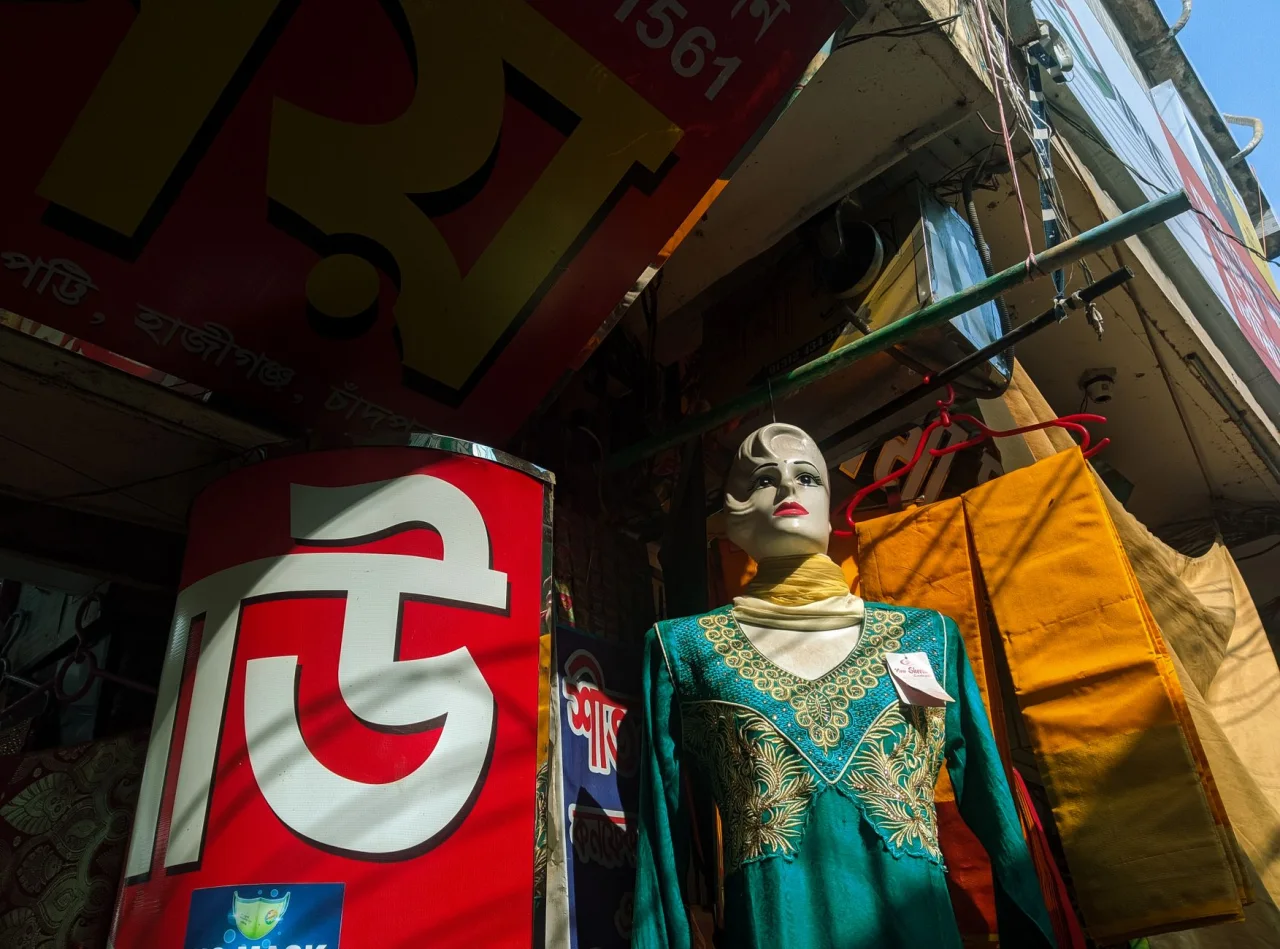
The biggest visible gap is cloth. Standard RTW often uses printed lawn, cambric or cotton blends chosen for everyday comfort and value. Luxury pret reaches for heavier or richer fabrics: fine chiffon, crisp organza, raw silk, jacquard and premium lawn with a denser weave. Better fabric drapes more elegantly, holds embellishment without sagging, and simply feels different in the hand. If fabric is your priority, our guides to raw silk and organza explain what to look and feel for.
Difference two: embellishment and hand work
Standard RTW usually relies on prints and machine embroidery, which is fast, even and affordable. Luxury pret adds denser embroidery and frequently some hand work, such as thread work, mirror work, gota or metallic embellishment, which takes far more time and skill. Hand embellishment is a large part of why luxury pret costs more, and it is one of the clearest ways to tell the tiers apart. Our guide on hand versus machine embroidery shows you how to spot the difference at the counter.
Turn the garment inside out
The inside tells the truth. Luxury pret typically shows neater seam finishing, proper lining, secured embellishment backs and tidy thread ends. Rushed standard RTW can show loose threads and unlined embellishment that scratches. The interior is where your extra money often goes.
Difference three: construction and lining
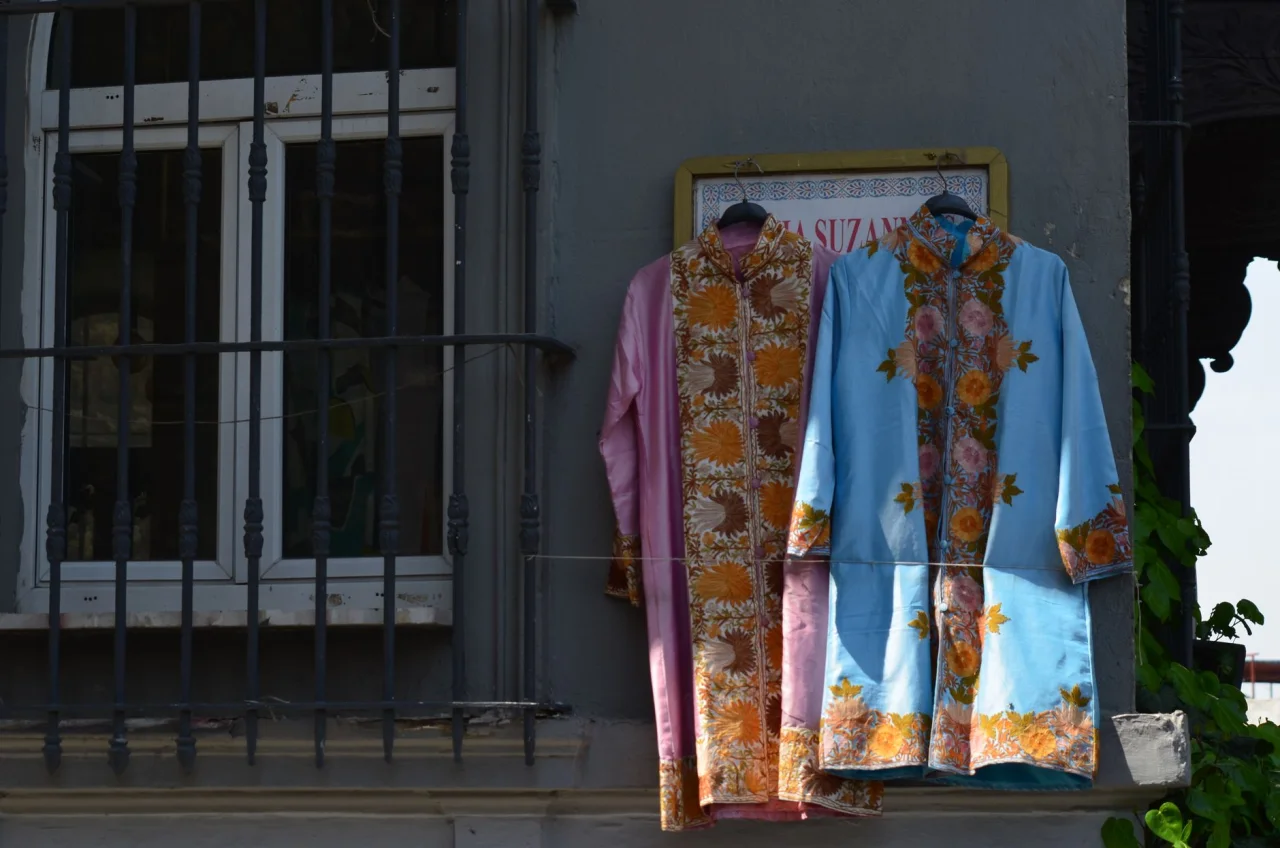
Luxury pret tends to include full or partial lining, better inner seams, and more structure at necklines, cuffs and hems. This is not just comfort, it is longevity: a lined, well-finished garment keeps its shape and survives more wears. Standard RTW may skip lining to hit a price, which is perfectly reasonable for a light summer suit but shows on a formal piece where structure matters.
Difference four: finishing and detail
Finishing is the quiet luxury: matched prints at the seams, considered piping, well-set fastenings, and dupattas finished with proper borders rather than a raw edge. These details are easy to overlook on a screen and obvious in person. They are also where designer houses distinguish their premium lines from their everyday ranges.
Brand-by-brand, how the tiers show up
The facts below are limited to what is verifiable; collection specifics and prices are left as caveated generalities because they change each season.
- Sana Safinaz, founded in 1989 in Karachi by Sana Hashwani and Safinaz Muneer, retails both everyday lawn ready-to-wear and premium formals and bridal couture, so you can see the same house span both tiers.
- Maria B, founded in 1999 in Lahore by Maria Butt, ranges from lawn to evening and bridal wear across multiple sub-lines, with embellishment and fabric rising up the range.
- Khaadi, founded in 1998 in Karachi by Shamoon Sultan, anchors accessible and mid ready-to-wear while also offering more premium lines.
- Gul Ahmed, established 1953 in Karachi, spans everyday and festive pret built on its textile heritage.
- HSY, designer Hassan Sheheryar Yasin's Lahore-based label founded in 2000, sits at the luxury couture end, focused on bridal and formal rather than everyday pret.
To see each house in detail, read guides like the Maria B brand guide and the Khaadi brand guide, or compare the premium lawn field in luxury lawn brands compared.
The price question, answered honestly
Luxury pret costs more because fabric, hand embellishment, lining and finishing all cost more to produce. As a caveated guide, standard everyday RTW sits in an accessible band, festive RTW a step up, and luxury pret well above that, with formal couture higher still. Exact figures move with fabric weight, embroidery density, brand and retailer, so treat any number as a range and confirm current pricing on the seller's own page.
When to choose which
- Choose standard RTW for daily wear, summer, travel and value, especially in light lawn and prints.
- Choose luxury pret for weddings, Eid formals and events where fabric and embellishment carry the look, and you want a designer finish without a custom lead time.
- Choose unstitched or couture when exact fit or a fully bespoke design matters more than speed.
Match the tier to the occasion and it always feels worth it. For where each fits in the wider picture, see the season's Pakistani fashion trends.
Frequently asked questions
What is the real difference between luxury pret and ready-to-wear?
Both are ready-to-wear sold in standard sizes, but luxury pret is the premium tier. The real differences are fabric quality, embellishment that often includes hand work, lining and inner construction, and finishing detail. Standard ready-to-wear favours prints and lighter fabric for everyday value, while luxury pret uses richer cloth and denser embellishment for occasions.
Does luxury pret fit better than standard RTW?
Not inherently. Both fit a standard size chart rather than your exact body, so neither offers custom fit. True custom fit comes from the unstitched route where a tailor sews to your measurements. What luxury pret adds is better fabric, embellishment, lining and finishing, not a more personalised fit.
Why is luxury pret so much more expensive?
Richer fabric, denser and often hand embellishment, full lining and careful finishing all cost more to produce, and a designer name adds to it. These are genuine cost differences you can see and feel, especially on the inside of the garment. Prices vary by fabric, work, brand and season, so compare like for like and confirm current pricing.
How can I tell luxury pret from standard RTW in a shop?
Turn the garment inside out. Luxury pret typically shows neat seam finishing, proper lining, secured embellishment backs and tidy threads, while rushed standard RTW can show loose threads and unlined embellishment. Also feel the fabric weight and look for hand embroidery, which is denser and slightly less uniform than machine work.
Which should I buy for a wedding?
For a wedding or formal event, luxury pret is usually the better choice because its fabric and embellishment carry an occasion look, and you avoid the lead time of a custom order. If you want an exact fit or a fully bespoke design, consider unstitched tailoring or couture instead. Match the tier to how formal the event is.
More on Buying Guides
Have a question or a topic to suggest?
We read every message. Tell us what you would like to see next in the journal.
Get in touch