Pakistani Fashion Trends 2026
Heritage revivals, refined minimalism and modest silhouettes that are in, what's cooling, and how to wear each trend without overspending.
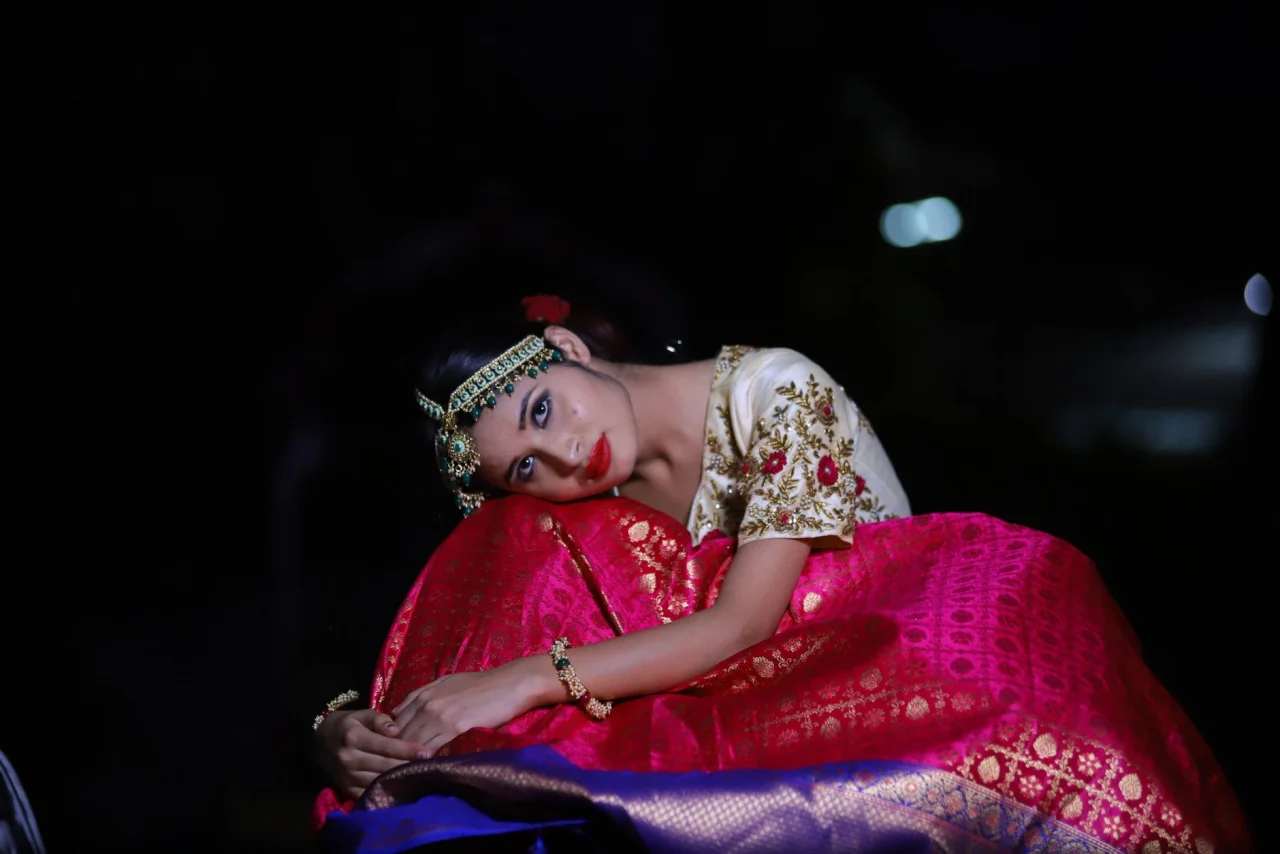
Pakistani fashion moves fast, but the smart way to read trends is not to chase every runway look. It is to spot which signals are actually being adopted on the street, and how to wear them without overspending. This is an honest trend guide, built on how styles spread, not on invented sales numbers.
The short version
- In: heritage revivals like farshi shalwar and gharara, refined minimalism, organza and raw silk formals, and modest silhouettes done modern.
- Cooling: heavy all-over embellishment on everyday wear, and fast-fading loud novelty prints.
- Trends are signals, not rules. Adopt what suits your body, budget and lifestyle, and skip the rest.
- You can wear almost any trend affordably by choosing the silhouette and detail rather than the designer price tag.
How to read a trend without wasting money
A trend has three stages: it appears on the runway or on celebrities, it gets picked up by brands in their collections, and finally it reaches everyday wardrobes. By the time a look is everywhere on the street, it is mature and easy to buy affordably. The most useful skill is not predicting the next big thing, it is deciding which current signals fit your life. A trend you will wear twice a year belongs in an unstitched fabric or a rental, not an expensive purchase. For the buying discipline behind that, see our guide to ready-to-wear versus unstitched.
What is in for 2026
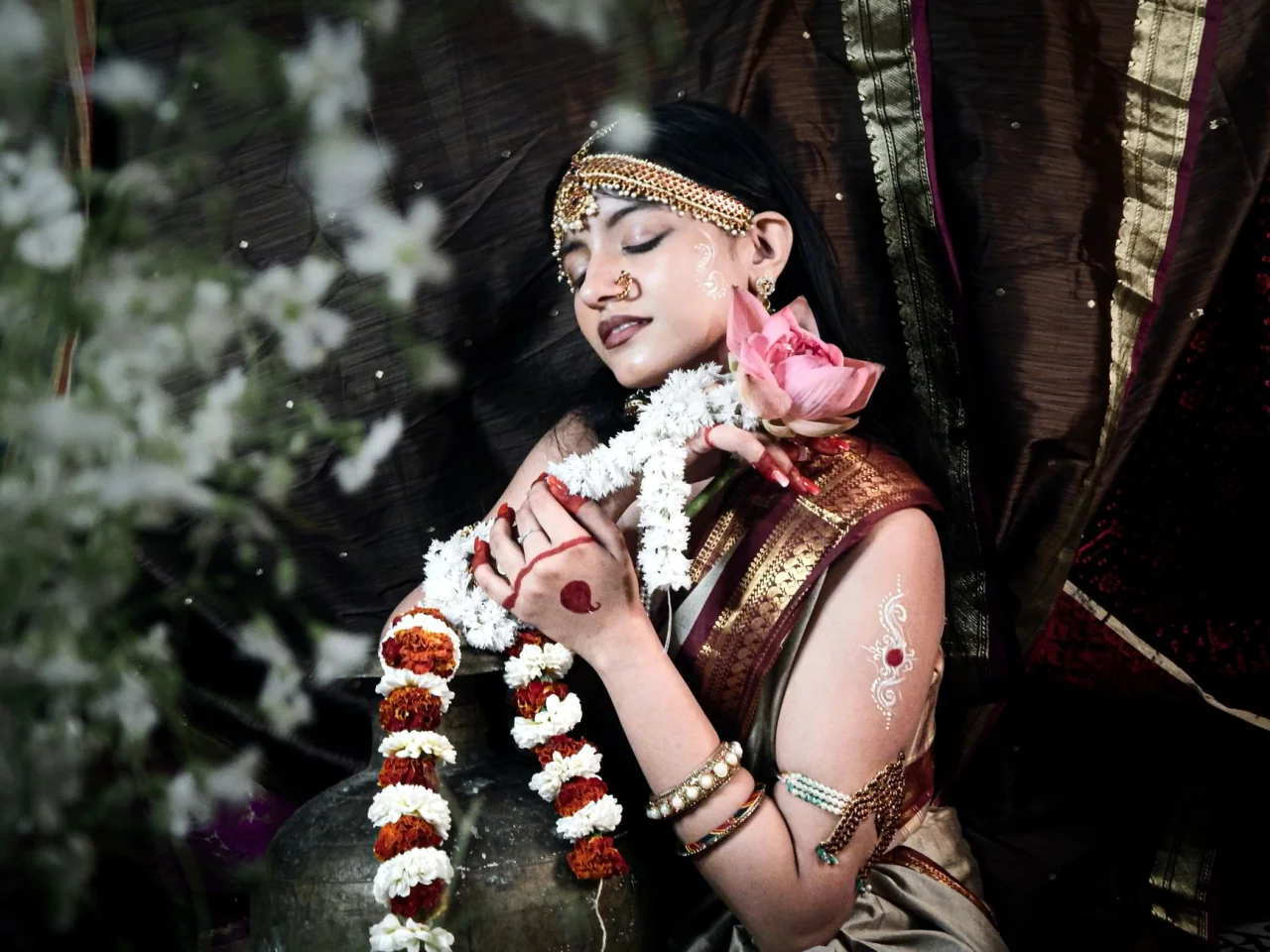
Heritage revivals: farshi shalwar and gharara
Traditional silhouettes are having a strong moment. The farshi shalwar, a flowing floor-length style with roots in the subcontinent's courtly dress, and the gharara, with its distinctive flared knee joint, are being reinterpreted for weddings and formals. They read as elegant and rooted rather than fast fashion. Learn the cuts and how to style them in our guides to the farshi shalwar and styling a gharara.
Refined minimalism
Alongside the heritage revival, there is a clear pull toward restraint: solid colours, clean lines, a single statement element rather than embellishment everywhere. Monochrome dressing and thoughtful colour pairing are doing a lot of the work. Our guides to monochrome outfits and colour combinations show how to make minimal look intentional rather than plain.
Organza, raw silk and structured formals
For occasion wear, crisp and structured fabrics are in favour: organza for its body and sheen, raw silk for its texture. These fabrics hold embroidery and shape well, which suits the current preference for a defined silhouette over a heavily gathered one. Read up on organza before you buy, since its care needs are specific.
Modest silhouettes, modern execution
Modest dressing continues to lead rather than follow, with longer shirts, fuller sleeves and considered layering styled in a contemporary way. This is less a passing trend and more a durable direction. Our piece on how Pakistani style leads the modest fashion movement puts it in context.
Styling note
A trend feels current when one element carries it. Pair a revival silhouette like a gharara with a plain, well-fitted shirt, or let a bold colour do the talking against simple embellishment. Stacking every trend at once reads costume, not chic.
What is cooling off
- Head-to-toe heavy embellishment on everyday wear. It photographs well but is impractical and expensive to maintain. Save dense work for genuine occasions.
- Loud novelty prints with no staying power. Very trend-specific prints date quickly. Classic motifs and solids keep their value across seasons.
- Ill-fitting oversized cuts. Relaxed shapes remain popular, but shapeless is giving way to intentional, well-tailored ease.
Cooling does not mean forbidden. If a fading look genuinely suits you, wear it. The point is to invest less in styles on the way down and more in pieces with longevity.
How to wear each trend affordably
You do not need a designer budget to look current. A few tactics keep it accessible:
- Buy the silhouette, not the label. The cut carries the trend. A well-made mid-price gharara reads just as current as an expensive one.
- Go unstitched for trend pieces. Fabric plus a good tailor gives you a custom, on-trend look for less, and you control the details.
- Reuse a strong base. A plain solid shirt or dupatta lets you rotate trend elements around a wardrobe you already own.
- Shop the tier that matches the wear. For a once-a-year formal, luxury pret can make sense, but everyday trends belong in accessible lawn and prints.
To place these choices in the wider buying picture, our explainer on what pret wear really means and the safeguards in shopping Pakistani dresses online keep you from overpaying.
Trends by occasion
Different events pull different signals. Weddings lean into heritage revivals and structured formals in raw silk and organza. Eid favours festive prints with moderate embellishment. Everyday and office wear rewards refined minimalism and comfortable fabric. Choose per occasion rather than trying to make one outfit do everything. For seasonal direction, the annual lawn and festive releases are the clearest read on where everyday style is heading.
The one rule that outlasts every trend
Fit and fabric beat novelty every time. A perfectly fitted, well-made outfit in a good fabric always looks better than a trendy piece that fits poorly. Trends tell you what is in the air, but your measurements and your fabric choice decide whether you actually look good. Get those right first, then add the trend on top. Everything else in Pakistani fashion is styling around those fundamentals.
Frequently asked questions
What are the biggest Pakistani fashion trends for 2026?
Key directions include heritage revivals such as the farshi shalwar and gharara, refined minimalism with solid colours and clean lines, structured formals in organza and raw silk, and modern modest silhouettes. These are signals seen on runways and celebrities that are being adopted into everyday wardrobes, rather than fixed rules everyone must follow.
What styles are going out of fashion?
Head-to-toe heavy embellishment on everyday wear is cooling because it is impractical and costly to maintain, loud novelty prints with little staying power date quickly, and shapeless oversized cuts are giving way to intentional, well-fitted ease. None of these are forbidden, but they are worth investing in less as they fade.
How can I follow trends without spending a lot?
Buy the silhouette rather than the label, since the cut carries the trend regardless of price. Choose unstitched fabric with a good tailor for a custom on-trend look for less, reuse plain base pieces you already own, and match the spending tier to how often you will wear the item. Everyday trends belong in accessible lawn and prints.
Are heritage styles like gharara and farshi shalwar really in?
Yes, traditional silhouettes are being reinterpreted for weddings and formals and are a strong current direction. They read as elegant and rooted rather than fast fashion. Pair them with a simple, well-fitted top and understated embellishment so the silhouette itself carries the look.
Should I follow every trend?
No. Trends are signals, not obligations. The smartest approach is to adopt what suits your body, budget and lifestyle and skip the rest. Prioritise good fit and quality fabric first, because a well-fitted, well-made outfit always looks better than a poorly fitted trendy one.
More on Fashion Trends
Have a question or a topic to suggest?
We read every message. Tell us what you would like to see next in the journal.
Get in touch