Modest Fashion 2026: In and Out
Fluid silhouettes, deliberate sleeves and better fabric: how covered dressing looks current in 2026.
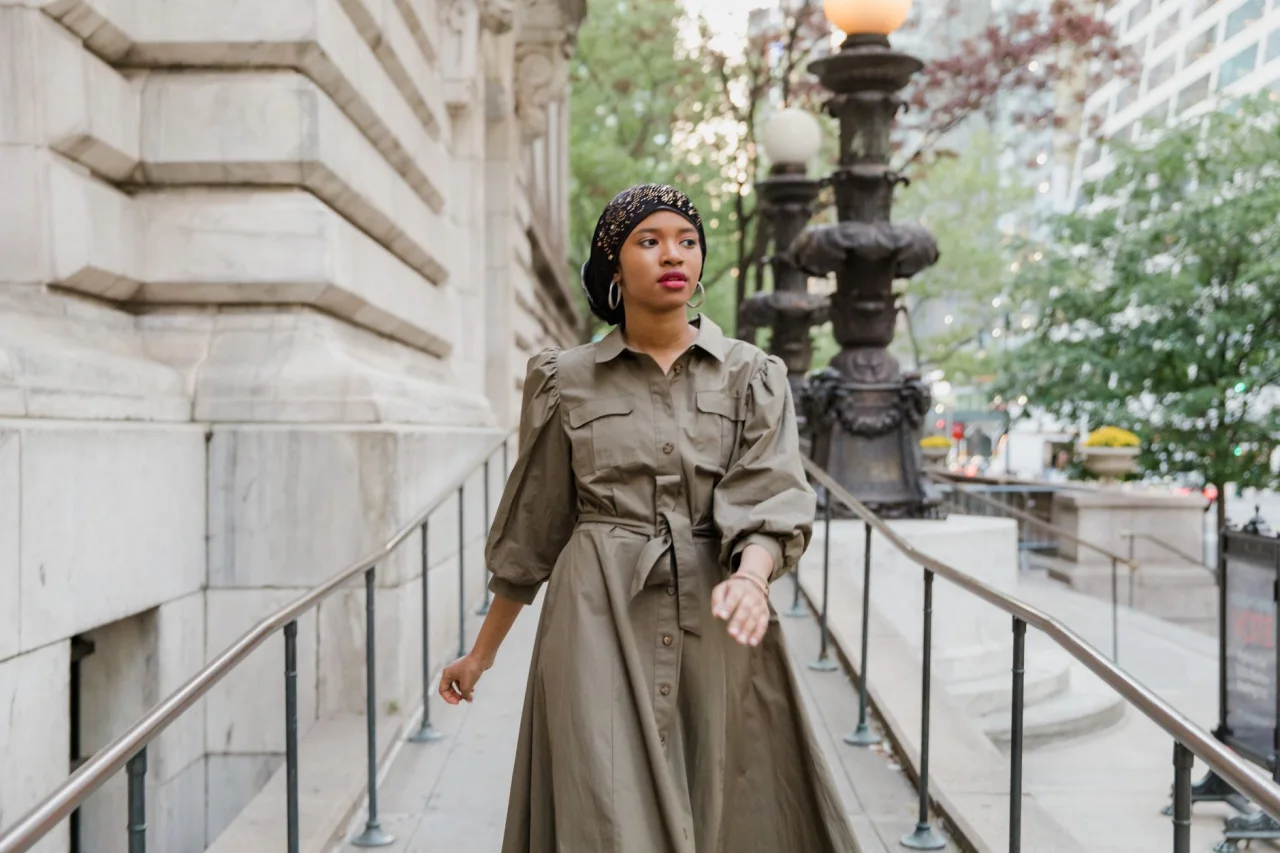
Modest fashion is dressing that covers more of the body by choice, whether the reason is faith, culture or simple personal preference. In South Asian wardrobes it has always been at home, and in 2026 it feels more confident and design-led than ever. This is an honest read on what is gaining ground, what is fading, and how to build modest looks that feel like you.
The short version
- Modest does not mean shapeless: fluid layers, long line silhouettes and considered proportion are doing the heavy lifting.
- Coverage-friendly staples like the abaya, kaftan, maxi and full-sleeve kurta are being cut and styled with more intention.
- Fabric and drape matter most, since coverage looks elegant when the cloth falls well rather than clinging or tenting.
- The look is about ease and self-expression, not rigid rules, so adapt any of it to your own comfort and beliefs.
What modest fashion means in 2026
Modest fashion refers to styling that reveals less skin, motivated by spiritual, religious or personal reasons, and its interpretation varies widely across cultures. As its Wikipedia overview notes, women across Christian, Jewish and Muslim traditions have long practised forms of it, and by the late 2010s it had grown into a market estimated in the hundreds of billions of dollars, with mainstream retailers entering the space alongside faith-specific labels.
For desi wardrobes this is familiar territory. The shalwar kameez, the anarkali, the long kurta with a dupatta and the abaya are all inherently coverage-friendly. What is new in 2026 is the design attention: modest pieces are being treated as fashion first, not as a compromise.
What is in: directions gaining ground
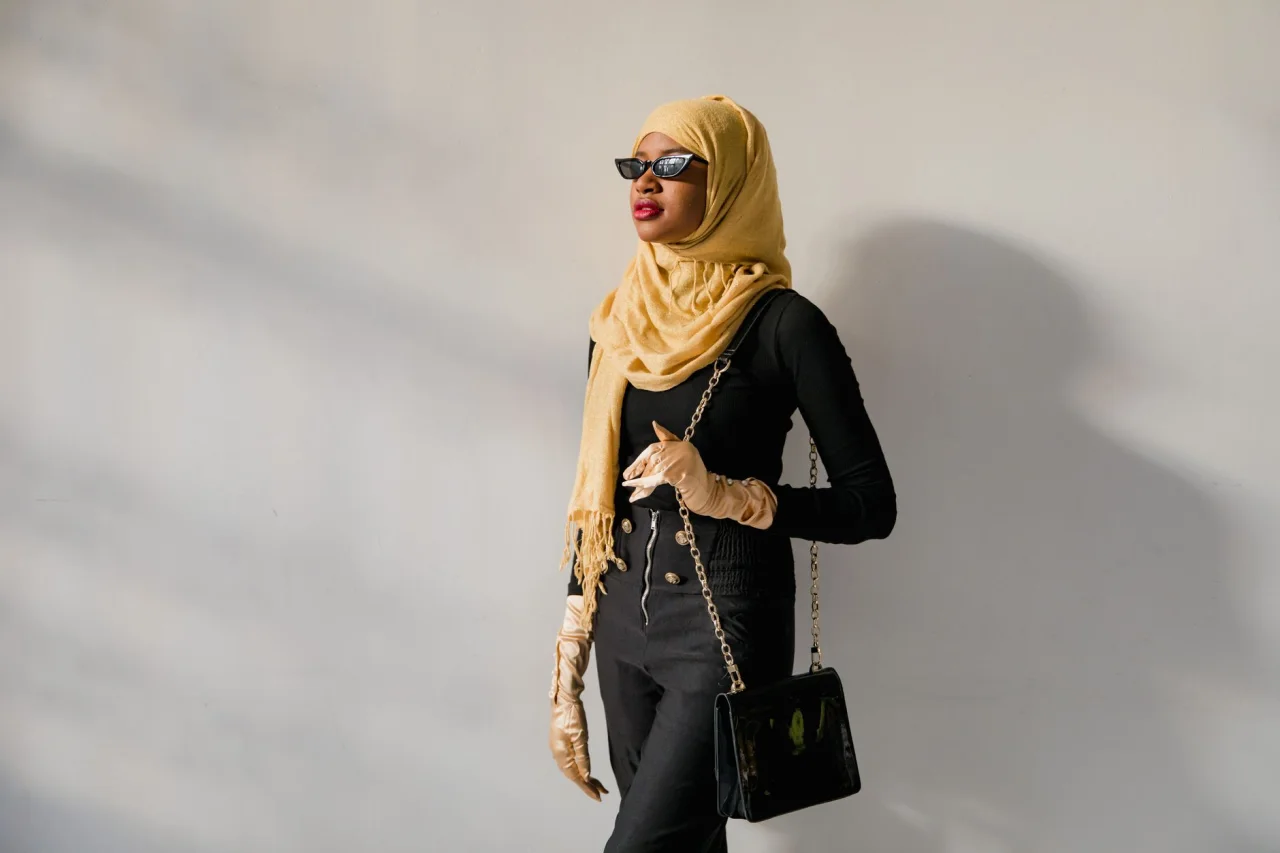
- Long-line and fluid silhouettes: floor-skimming anarkalis, column maxis and relaxed abayas that drape rather than cling.
- Full and three-quarter sleeves done well: bishop, straight and gently gathered sleeves that feel deliberate, not dated.
- Layering as styling: open abayas and shrugs over a base, or a kurta over trousers, to add dimension while keeping coverage.
- Elevated basics in good fabric: tonal, well-cut pieces in cotton, linen, crepe and soft silks that look quietly expensive.
- Modest fusion: wide-leg trousers with tunics, cape sets and high-neck blouses with sarees, blending coverage with a contemporary line.
Pakistani design has been a strong voice in this space, blending coverage with polish. Our feature on how Pakistani style leads the modest movement looks at that influence in more depth.
What is out: quietly fading
- Shapeless "sack" coverage: the assumption that modest means hiding the body entirely, with no attention to proportion or drape.
- Stiff, shiny synthetics: heavy fabrics that neither breathe nor fall well, giving a boxy, tented outline.
- Over-embellished everything: covering an already covered outfit in dense sparkle, when a single considered detail reads richer.
- Treating modest as a separate, lesser category: the idea that covered dressing cannot also be current and design-led.
Styling note: Coverage and shape are not opposites. A defined shoulder line, a belt at the natural waist over a loose kurta, or a tapered trouser under a long tunic all create structure while keeping you covered. Proportion, not tightness, is what makes a modest look feel intentional.
Fabric and drape do the work
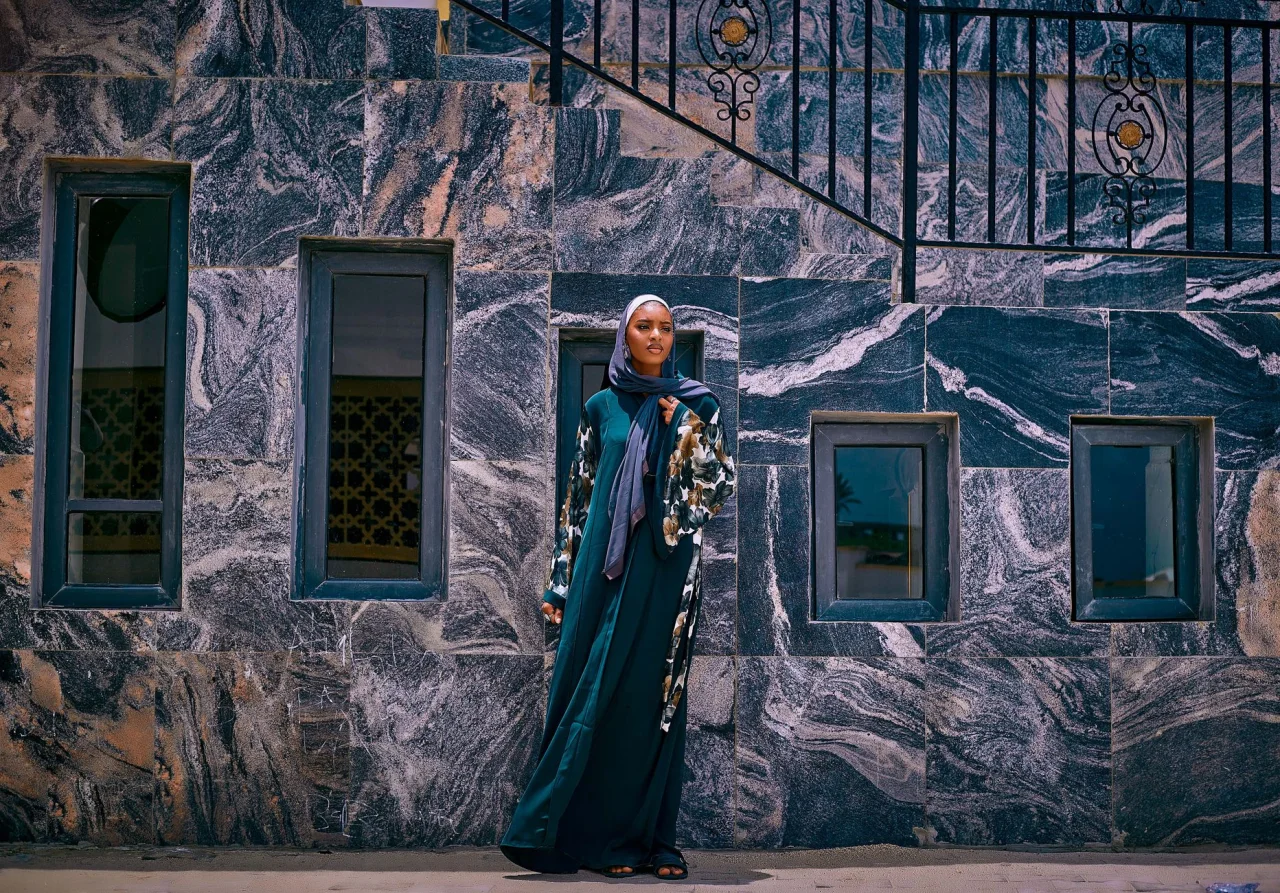
When more of the body is covered, the fabric becomes the whole story. Cloth that falls in a soft column reads elegant, while stiff or clingy fabric fights the silhouette. Breathable naturals like cotton, lawn and linen suit warm climates, while crepe, georgette and soft silks give the fluid drape that long-line modest looks depend on.
If you are choosing an abaya, our guide to picking the right abaya fit and fabric covers weight, drape and finishing. For lighter, warm-weather coverage, our overview of the kaftan shows how a single flowing piece can be both easy and elegant.
Modest staples worth building around
A few core garments carry most modest wardrobes. Get these right and styling becomes simple.
- Abaya: the flowing over-robe, now cut in more shapes and worn open or closed. See our complete abaya guide.
- Maxi dress: a one-piece, floor-length option that needs little styling.
- Full-length anarkali: inherently graceful and covered, ideal for occasions.
- Long kurta and trousers: the everyday backbone, endlessly restyle-able with different dupattas.
For occasion dressing, a well-draped dupatta adds both coverage and elegance. Our step-by-step on how to wear a dupatta walks through drapes that flatter modest looks.
How to style modest looks affordably
- Start with a neutral base: a well-fitted maxi, abaya or kurta in a versatile colour anchors many outfits.
- Layer to change the mood: a shrug, open robe or contrast dupatta restyles the same base for different occasions.
- Let one detail lead: a statement sleeve, a good belt or a single piece of jewellery is more effective than piling on embellishment.
- Prioritise fit at the shoulder and hem: these two points decide whether a covered look reads polished or careless.
Occasion-by-occasion in 2026
- Everyday: breathable cotton or lawn kurtas with straight trousers, minimal jewellery.
- Work: tailored long-line kurtas and co-ords in muted tones.
- Ramadan and Eid: flowing abayas, kaftans and soft anarkalis; see our Eid outfits guide.
- Weddings: full-sleeve anarkalis, high-neck saree blouses and richly draped dupattas keep coverage without losing occasion glamour.
A note on choice and respect
Modest fashion means different things to different people, and that is the point. For some it is a religious practice, for others a cultural norm or a personal aesthetic. None of the suggestions here are rules, and coverage is always a personal decision. The aim is simply to show that dressing with more coverage can be as considered, current and joyful as any other approach. For a wider view of the year, our take on desi fashion trends in 2026 places modest dressing within the season's bigger picture.
Frequently asked questions
What is modest fashion?
Modest fashion is dressing that covers more of the body, chosen for spiritual, religious or personal reasons. Its exact interpretation varies widely across cultures and individuals. In South Asian wardrobes, garments like the shalwar kameez, anarkali, long kurta and abaya are naturally coverage-friendly.
What modest fashion trends are in for 2026?
Long-line and fluid silhouettes, deliberate full and three-quarter sleeves, layering with open abayas and shrugs, elevated basics in good fabric, and modest fusion such as cape sets and high-neck saree blouses are all gaining ground. The focus is on proportion and drape rather than simply hiding the body.
Does modest dressing have to look shapeless?
No. Coverage and shape are not opposites. A defined shoulder, a belt over a loose kurta or a tapered trouser under a long tunic all add structure while keeping you covered. Proportion and good fabric, not tightness, make a modest look feel intentional.
Which fabrics work best for modest looks?
Breathable naturals like cotton, lawn and linen suit warm climates, while crepe, georgette and soft silks give the fluid drape that long-line looks rely on. Since more of the body is covered, how the cloth falls matters more than anything, so avoid stiff or clingy fabrics.
Is modest fashion only for religious reasons?
Not at all. While faith is one common motivation, many people choose more coverage for cultural reasons or simply because they prefer it. Modest fashion is a personal choice, and the styling ideas here can be adapted to whatever level of coverage feels right for you.
More on Fashion Trends
Have a question or a topic to suggest?
We read every message. Tell us what you would like to see next in the journal.
Get in touch