Street Style 2026: In and Out
Relaxed silhouettes, co-ords and tonal dressing rise while busy prints fade. How to wear each street trend affordably.
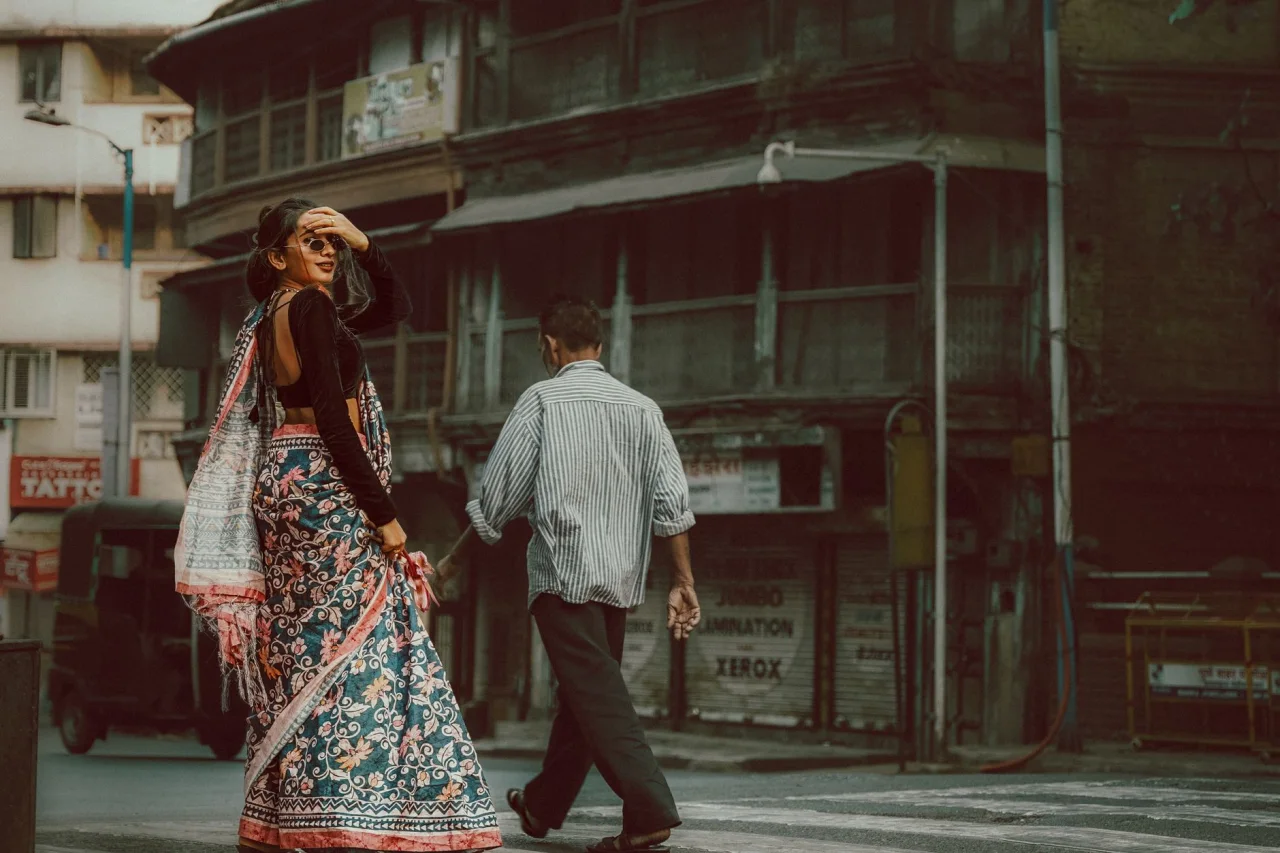
Street style is the fashion that grows from the pavement up, not the studio down: the mix-and-match instinct of real people commuting, running errands and meeting friends. In desi wardrobes for 2026, that instinct is leaning casual, comfortable and quietly polished, borrowing from the runway but wearing it on a budget. Here is an honest read on what is rising, what is fading, and how to adopt each shift without overspending.
The short version
- Relaxed silhouettes are in: straight kurtas, co-ord sets and easy trousers over tight, fussy tailoring.
- Neutral and tonal dressing is having a moment, while loud head-to-toe prints are cooling off.
- Street style borrows from runways and celebrities, then makes it affordable through lawn, cotton and smart layering.
- Treat any "in and out" list as a guide, not a rule: fit, comfort and confidence outrank every trend.
What street style actually means
Street style is best understood as fashion that emerges "not from studios, but from the population at large," a definition documented in the overview of street fashion on Wikipedia. It prizes individual expression over strict trend-following, which is exactly why it feels more wearable than a runway look. Historically, distinctive street dressing has been tied to youth movements and subcultures who used clothing to signal identity, and the modern version is amplified daily by social media, bloggers and phone cameras outside fashion shows.
For desi wardrobes, street style is the space where a lawn kurta meets sneakers, where a dupatta gets draped like a scarf, and where a formal silhouette is stripped back for a coffee run. The trends below are signals, not commandments. Adopt what suits your body, your climate and your comfort.
What is in for 2026
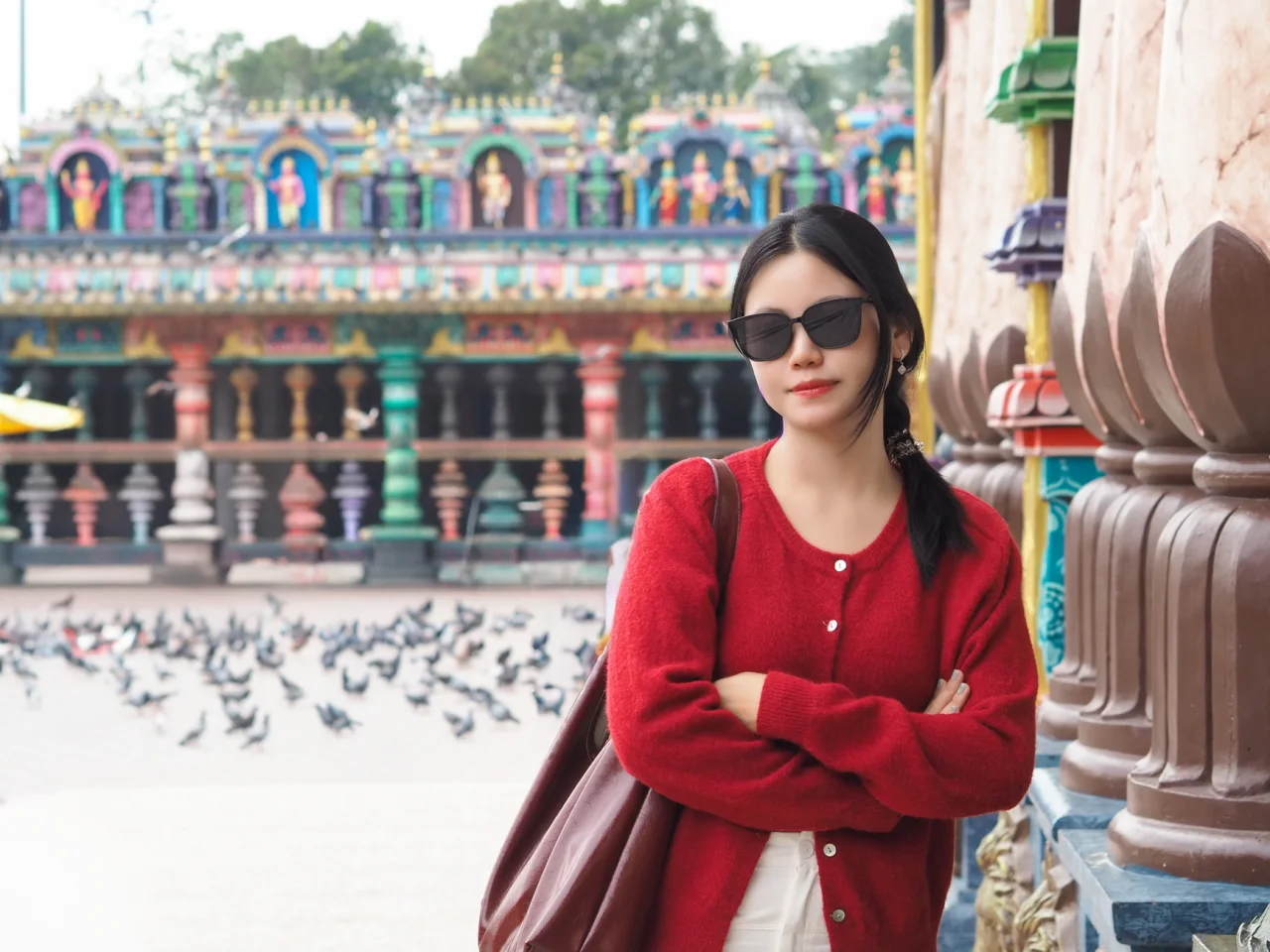
The clearest direction this year is ease. Structured, ultra-fitted tailoring is giving way to clothes you can actually move in, layered thoughtfully rather than piled on.
- Relaxed straight kurtas: Longer, looser cuts in breathable cotton and lawn read as effortless and photograph well without clinging.
- Co-ord sets: A matching top and trouser or kurta and pants combination is the fastest way to look put together with zero styling effort. Explore ideas in our guide to co-ord set designs trending in 2026.
- Tonal and monochrome dressing: One color in several shades looks intentional and elongates the frame. See our complete monochrome outfit guide for how to build it.
- Dupatta as an accessory: Draped loosely, knotted or worn like a stole rather than pinned rigidly. Our expert dupatta styling guide shows several street-ready drapes.
- Practical footwear: Clean sneakers, flat mules and block heels win over anything you cannot walk a block in.
What is on its way out
Nothing truly "expires" in fashion, and a piece you love is never wrong. But some looks are appearing less on the street and feeling dated in 2026.
- Head-to-toe busy prints: Full matching print-on-print is being swapped for one print grounded by solids.
- Extremely tight, restrictive tailoring: Comfort has won; clothes that need constant adjusting are out.
- Fast, disposable trend pieces: Shoppers are keeping items longer and buying fewer, better basics.
- Over-accessorising: Stacking every accessory at once has given way to one considered statement piece.
Styling note
The cheapest way to look current is not to buy the trendiest item, it is to fix fit and proportion. A well-hemmed straight kurta in a neutral shade will outlast three seasons of loud, ill-fitting statement pieces.
How runway and celebrity signals reach the street
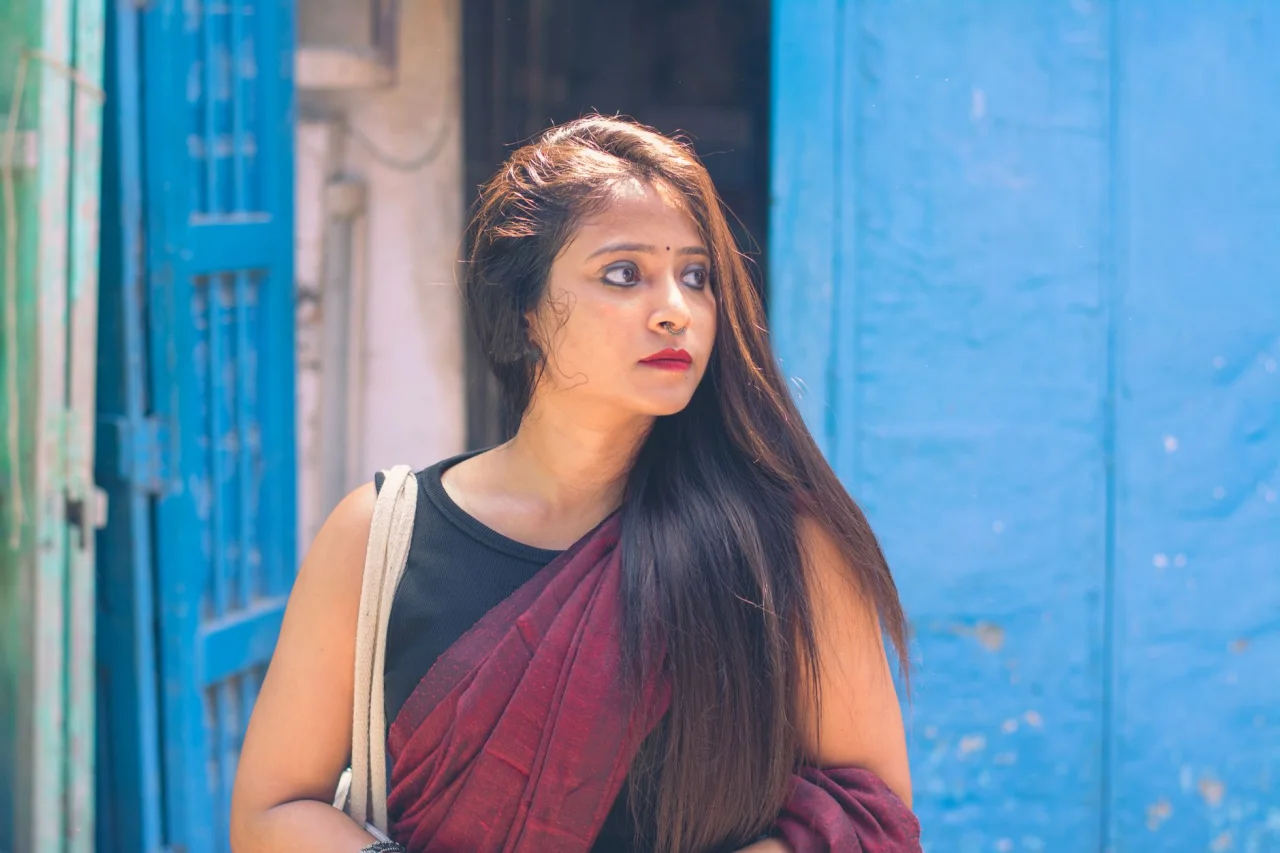
Trends travel in both directions. As fashion historians note, mainstream design regularly appropriates street trends as influences, and in turn, celebrities and models push looks back onto the street. Pakistan's own runway calendar, anchored by events like PFDC Fashion Week and Fashion Pakistan Week, feeds this cycle each season. In the desi context, a silhouette worn by a public figure at an event often reappears within weeks as an affordable lawn or cotton version. If you want to track that pipeline, our roundup of celebrity fashion in 2026 maps which looks are crossing over.
The practical takeaway: you do not need the original designer piece. Watch the shape, the color story and the styling, then recreate it with high-street fabric. That is the entire logic of street style, taking an idea and making it your own at a price that makes sense.
Building an affordable street-style wardrobe
You can cover most 2026 street looks with a small, mixable core. Start here:
- Two or three straight kurtas in neutral shades (white, black, stone, olive).
- One co-ord set that works for both casual and semi-formal outings.
- A pair of well-cut cigarette or straight trousers.
- One lightweight dupatta or scarf you can drape multiple ways.
- Clean, comfortable footwear you can walk in all day.
For hot-weather fabrics that keep street looks breathable, our guide to the best fabrics for Pakistani summers is a useful companion. If you prefer buying finished pieces over stitching your own, weigh the trade-offs in ready to wear versus unstitched.
Color and pattern for the year
Street palettes in 2026 lean earthy and soft: sand, sage, terracotta, muted blues and plenty of off-white. These read modern, mix easily and hide the wear of daily use better than stark brights. When you do want color, one saturated accent against neutrals looks sharper than a full rainbow. Our complete color combinations guide breaks down pairings that consistently work.
On pattern, the mood is restraint: a single print, a subtle stripe or a small motif, grounded by solids. This is the opposite of the maximalist print-on-print energy of previous seasons, and it is easier to restyle across many outfits.
Street style by setting
The same trends read differently depending on where you wear them, and adapting to the setting is what separates effortless dressing from costume. Here is how the 2026 direction translates across everyday contexts:
- College and campus: A straight cotton kurta over relaxed trousers with clean sneakers is the workhorse look. Keep the dupatta light and the palette neutral so a few pieces mix into dozens of outfits.
- Work-casual: A co-ord set in a solid, muted shade reads polished without effort. Swap sneakers for block heels or flat mules and add one considered accessory. For a deeper wardrobe, our office wear ideas for 2026 build on this.
- Weekend and errands: This is where comfort wins outright. A tunic or relaxed kurti with cropped trousers, a crossbody bag and flat footwear is the uniform, and it photographs well precisely because it looks unforced.
- Evening out: Elevate a neutral base with a richer fabric or one saturated accent color, a bolder shoe and a single statement earring. You are dressing the same silhouette up, not starting over.
The thread running through all four is restraint and repetition. A tight core of well-fitting neutrals adapts to almost any setting with small swaps, which is both the most economical and the most stylish way to dress. If you want a fabric-first take on staying cool while looking sharp, pair this with our guide to the best fabrics for Pakistani summers.
Common street-style mistakes to avoid
Most street-style misfires come down to fit and proportion rather than the wrong trend. Watch for these:
- Ignoring proportion: A voluminous top over voluminous trousers loses shape. Balance loose with fitted, or define the waist.
- Buying trends you will wear once: If a piece does not work with at least two things you own, it is not a bargain at any price.
- Neglecting the hem and fit: A quick alteration on length and fit does more for a look than any accessory.
- Over-accessorising: One considered piece beats a stack. The 2026 mood is deliberately edited.
How to wear the trends without chasing them
Trend reports are most useful as a filter, not a shopping list. Before you buy anything from an "in" list, ask three questions: Will I wear it at least ten times? Does it work with two pieces I already own? Is it comfortable enough that I will actually reach for it? If the answer is yes three times, it belongs in your wardrobe regardless of what any list says.
Street style rewards personality over perfection. The people who look best on the street are rarely the most on-trend, they are the ones wearing clothes that fit and suit them with obvious ease.
Frequently asked questions
What is street style in fashion?
Street style is fashion that emerges from everyday people rather than design studios, emphasising individual expression over strict trend-following. It is documented on real streets and increasingly amplified through social media and fashion photography.
What desi street style trends are in for 2026?
Relaxed straight kurtas, matching co-ord sets, tonal and monochrome dressing, loosely draped dupattas and comfortable, walkable footwear are all rising. The overall direction is ease and quiet polish over tight, fussy tailoring.
What street style looks are going out?
Head-to-toe busy prints, extremely tight and restrictive tailoring, disposable fast-trend pieces and heavy over-accessorising are all appearing less. None of these are wrong to wear, they are simply less prominent this year.
How do runway trends reach the street?
Trends move in both directions. Designers borrow from street style, while celebrities and models push looks back to the public, where they are recreated affordably in fabrics like lawn and cotton within weeks.
How can I follow street style on a budget?
Build a small, mixable core of neutral kurtas, one co-ord set, good trousers, a versatile dupatta and comfortable shoes. Copy the shape and color story of expensive looks using high-street fabric rather than buying the original piece.
More on Fashion Trends
Have a question or a topic to suggest?
We read every message. Tell us what you would like to see next in the journal.
Get in touch