Style a Dupatta Like an Expert
Ten-plus drapes from classic to contemporary, with the pinning and fabric tricks stylists use.
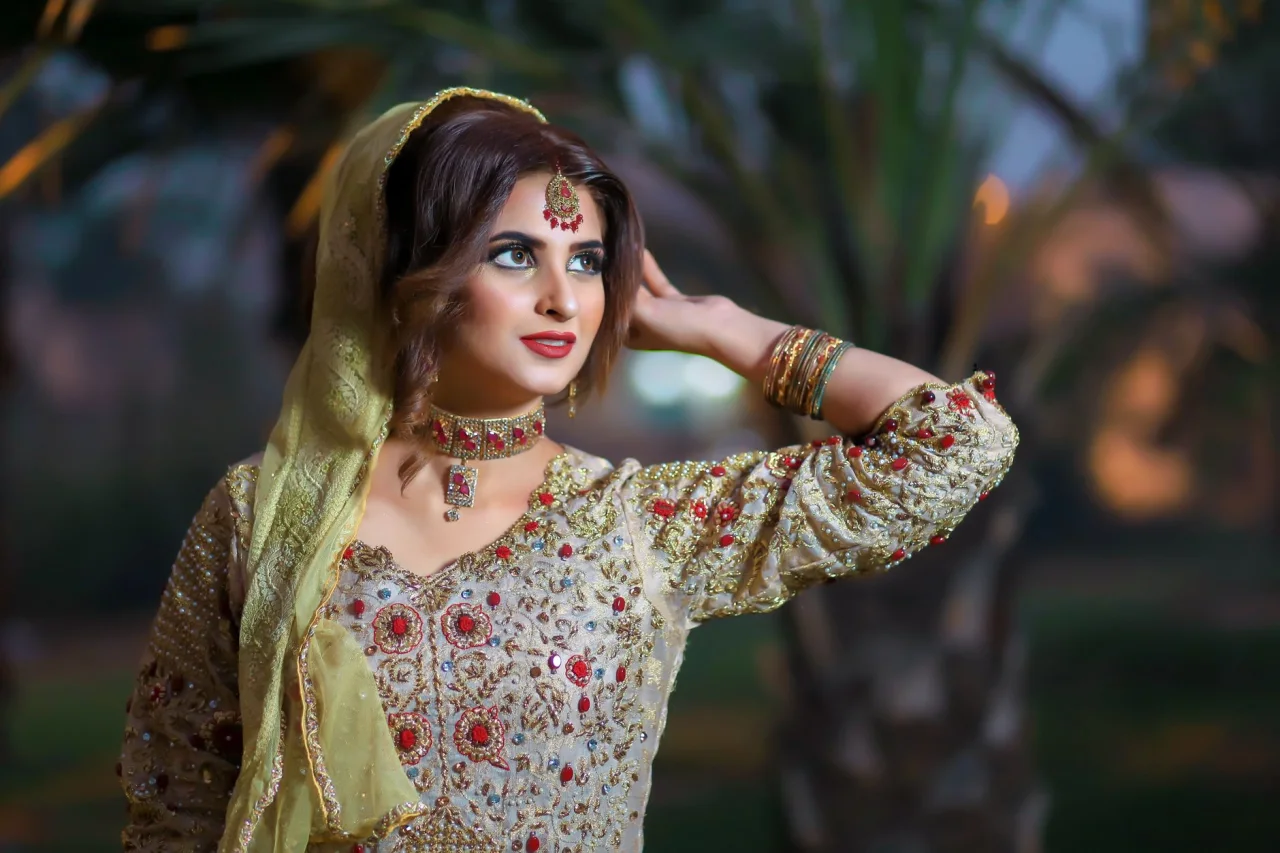
The dupatta is the most transformative piece in a desi wardrobe. The same kurti and trousers can look office-ready, festive or fully bridal depending on nothing more than how you drape the scarf on top. This guide breaks down more than ten draping styles, from the classic to the contemporary, and tells you exactly which outfit and occasion each one suits.
The short version
- Draping is a skill, not luck: master a few pinning points and any dupatta behaves.
- Match the drape to the fabric. Crisp organza holds shape, while chiffon and silk fall soft.
- Occasion sets the rule: neat and covered for day, sculpted pleats for parties, veil styles for brides.
- A couple of safety pins and the right length are what separate an expert drape from a slipping one.
First, understand your dupatta
The dupatta is a long shawl-like scarf worn across the Indian subcontinent, known regionally as chunni, odhni or orna, and it evolved from the ancient shoulder-veil called the uttariya, as the record of the dupatta explains. That long history is why so many drapes exist: the piece has always been about both modesty and expression. Before you style, note two things about yours. First the length, because a generous two-and-a-half metres pleats far more elegantly than a skimpy cut. Second the fabric, because weight decides everything about how it will fall.
The classic single-shoulder drape
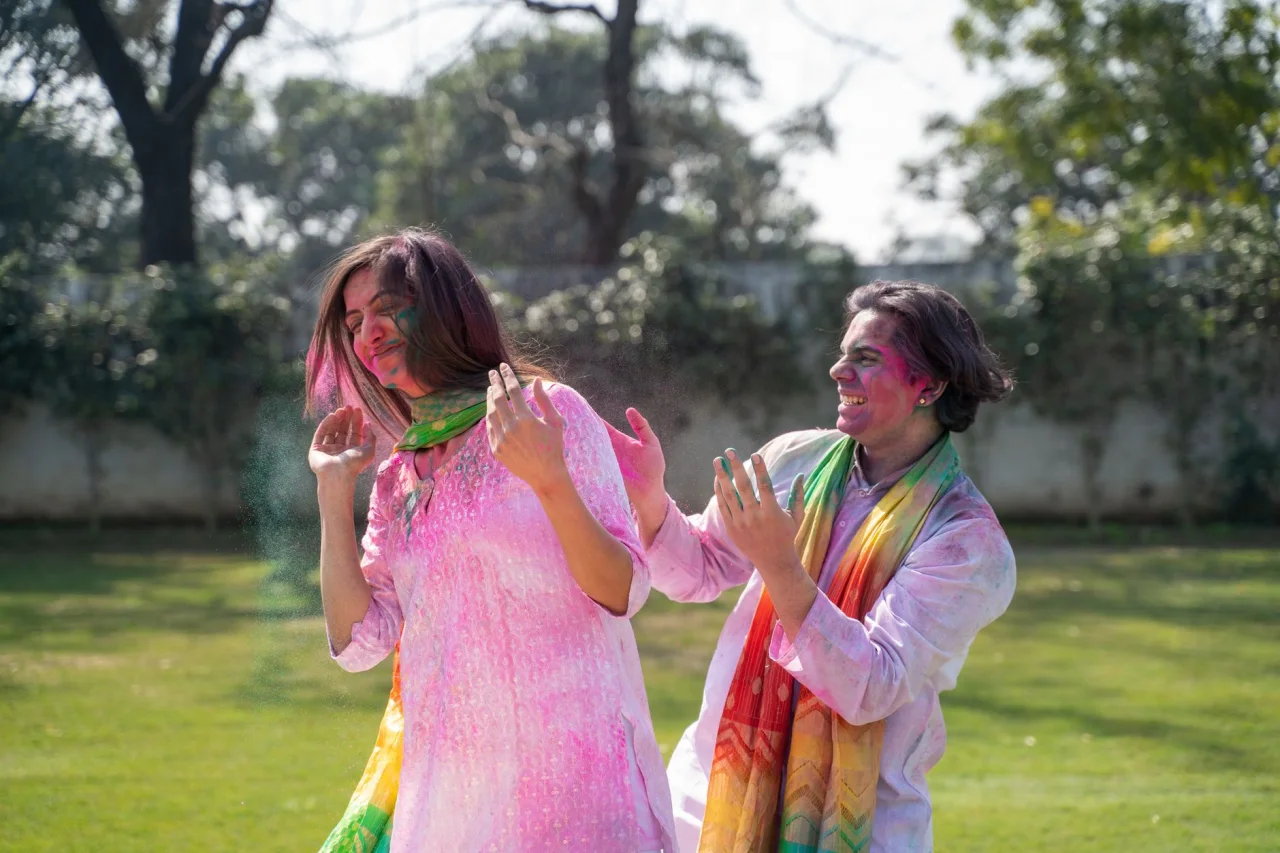
This is the everyday foundation and the most versatile look. Spread the dupatta evenly, place the centre across the front of your body, and take one end over a single shoulder to hang down the back.
- Keep the front layer soft and slightly loose so it drapes rather than pulls.
- Anchor it with one small pin at the shoulder so it stays put through the day.
- It suits almost every kurti and straight suit and reads clean and modest.
This is the drape to master first. For a photographed, step-by-step version, follow our walkthrough on how to wear a dupatta step by step.
The both-shoulders symmetrical drape
The most modest and formal option, ideal when you want full front coverage. Place the centre of the dupatta on your chest and take both ends back over each shoulder so they hang evenly behind.
- Even both ends carefully so the two backs match in length.
- Pin at each shoulder for a crisp, symmetrical finish.
- Perfect for religious occasions, elders and a polished, covered look.
The front-pleated dupatta
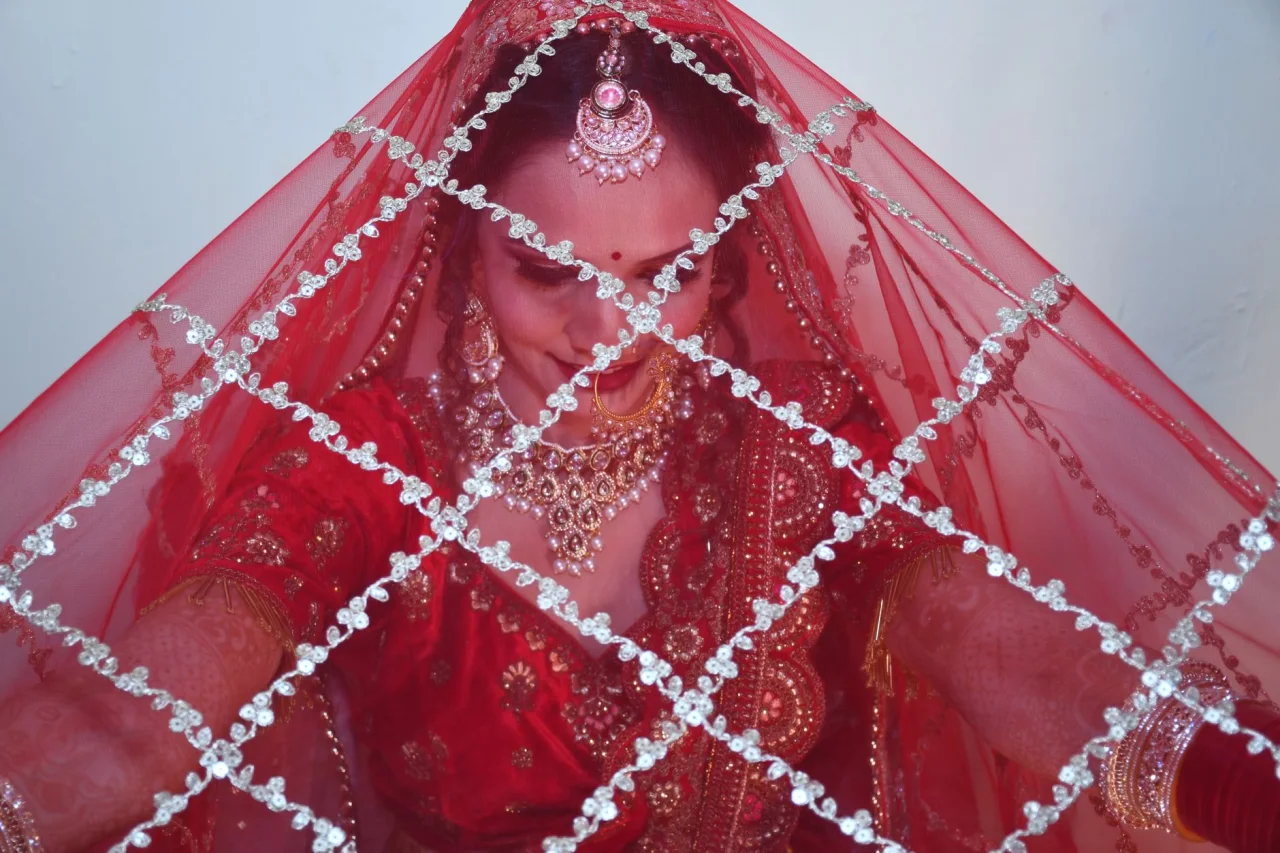
A neat, structured style that keeps a lightweight dupatta from slipping all day. Fold the dupatta into even lengthwise pleats, lay the pleated band over one shoulder, and pin it at the shoulder seam.
- Make the pleats even and press them lightly for a tailored line.
- Great for office wear and busy days because it barely moves.
- Works best on medium-weight fabrics that hold a fold.
Styling note: the two pins that fix everything
Almost every slipping-dupatta problem is solved by two well-placed safety pins, one at the shoulder and one where the fabric meets the waist or the kameez side seam. Use pins that match your dupatta so they disappear. This single trick is what lets stylists keep an organza drape razor-sharp through an event.
The waist-wrapped and belted drape
A contemporary, fusion-friendly look that flatters the waist. Take the dupatta across the front, wrap one end around the waist, and either tuck it or hold it with a thin belt.
- Adds shape to a straight kurta and a modern silhouette to a lehenga.
- A slim belt over the dupatta is a current favourite for parties.
- Balance is key, so keep the rest of the styling simple.
This drape pairs beautifully with festive skirts. See how it completes a look in our guide on styling a lehenga for every occasion.
The cape and open-flow drapes
For a relaxed, editorial feel, let the fabric do the work with minimal pinning.
- Cape drape: spread the dupatta across both shoulders and let it fall open at the front like a light cape, elegant over a fitted kurti.
- Open front flow: take both ends forward over the shoulders and leave them hanging loose down the front for a soft, effortless line.
- One-side sweep: gather the whole dupatta to one side and let it cascade down a single arm for a dramatic party photo.
These free-flowing styles need a fluid fabric to look their best. Our picks for the right cloth are in the chiffon dupatta guide and the organza dupatta guide.
The bridal veil and ghunghat drapes
Bridal draping is its own art, usually involving a heavier, embellished dupatta and secure pinning.
- Head drape: the dupatta is pinned over the head and framed around the face, the classic bridal and formal veil.
- Double dupatta: two dupattas, one on the head and one on the body, a rich look for brides and mayun.
- Ghunghat: the traditional face veil drawn forward, seen in more traditional ceremonies.
Because bridal dupattas are heavy with zari and dabka, they need multiple secure pins and often a helping hand. For the full occasion picture, read our complete bridal dresses guide.
Match the drape to the fabric
The single biggest reason a drape fails is a mismatch between style and cloth. Use these pairings:
- Organza and net: crisp and structured, so they hold sculpted pleats, capes and standing drapes beautifully.
- Chiffon and georgette: soft and fluid, ideal for open flows, one-side sweeps and romantic falls.
- Silk and jamawar: weighty and rich, best for formal single-shoulder and head drapes that benefit from the fall.
- Cotton and lawn: light and casual, perfect for simple everyday single-shoulder and pleated styles.
When you are buying a new suit, decide the drape you love first, then choose a dupatta fabric that supports it. Our overview of dupatta styles lines up every drape against its ideal cloth.
Expert finishing touches
A few small habits make an ordinary drape look styled. Steam or lightly iron the dupatta first so it falls cleanly. Even the front layer so no side hangs longer by accident. Let the embroidery show by positioning the worked border where it will be seen, along the front edge or over the shoulder. Finally, coordinate the dupatta with the outfit and the shoes rather than matching everything exactly, since a considered contrast usually looks more expensive than a perfect match. To carry that harmony head to toe, see our matching shoes style guide.
Frequently asked questions
What is the easiest dupatta drape for beginners?
The classic single-shoulder drape is the easiest to learn. Spread the dupatta evenly, lay the centre across the front, and take one end over a single shoulder to hang down the back, then anchor it with one small pin at the shoulder. It suits almost every kurti and straight suit.
How do I stop my dupatta from slipping?
Two well-placed safety pins solve most slipping, one at the shoulder and one where the fabric meets the waist or the side seam of the kameez. Choose pins that match the dupatta so they stay hidden, and pleating a lightweight dupatta before pinning helps it hold even better.
Which dupatta fabric is best for pleated and structured drapes?
Crisp fabrics like organza and net hold sculpted pleats, capes and standing drapes best because they keep their shape. Soft chiffon and georgette are better for open, flowing drapes, while heavier silk suits formal single-shoulder and head drapes that benefit from the weight.
How long should a dupatta be for easy draping?
A generous length of around two and a half metres pleats and drapes far more elegantly than a short cut, giving you enough fabric for both-shoulder, waist-wrapped and head drapes. A skimpy dupatta limits your styling options and tends to look pulled rather than draped.
How do brides drape a heavy embellished dupatta?
Bridal dupattas are heavy with zari and dabka work, so they are usually pinned securely over the head and framed around the face, often with a second lighter dupatta on the body. They need several strong pins and frequently a helping hand to set the veil neatly and keep it in place.
More on Styling Guides
Have a question or a topic to suggest?
We read every message. Tell us what you would like to see next in the journal.
Get in touch