Ethnic Fashion 2026: In and Out
Heritage weaves, hand embroidery and clean silhouettes lead 2026 ethnic dressing.
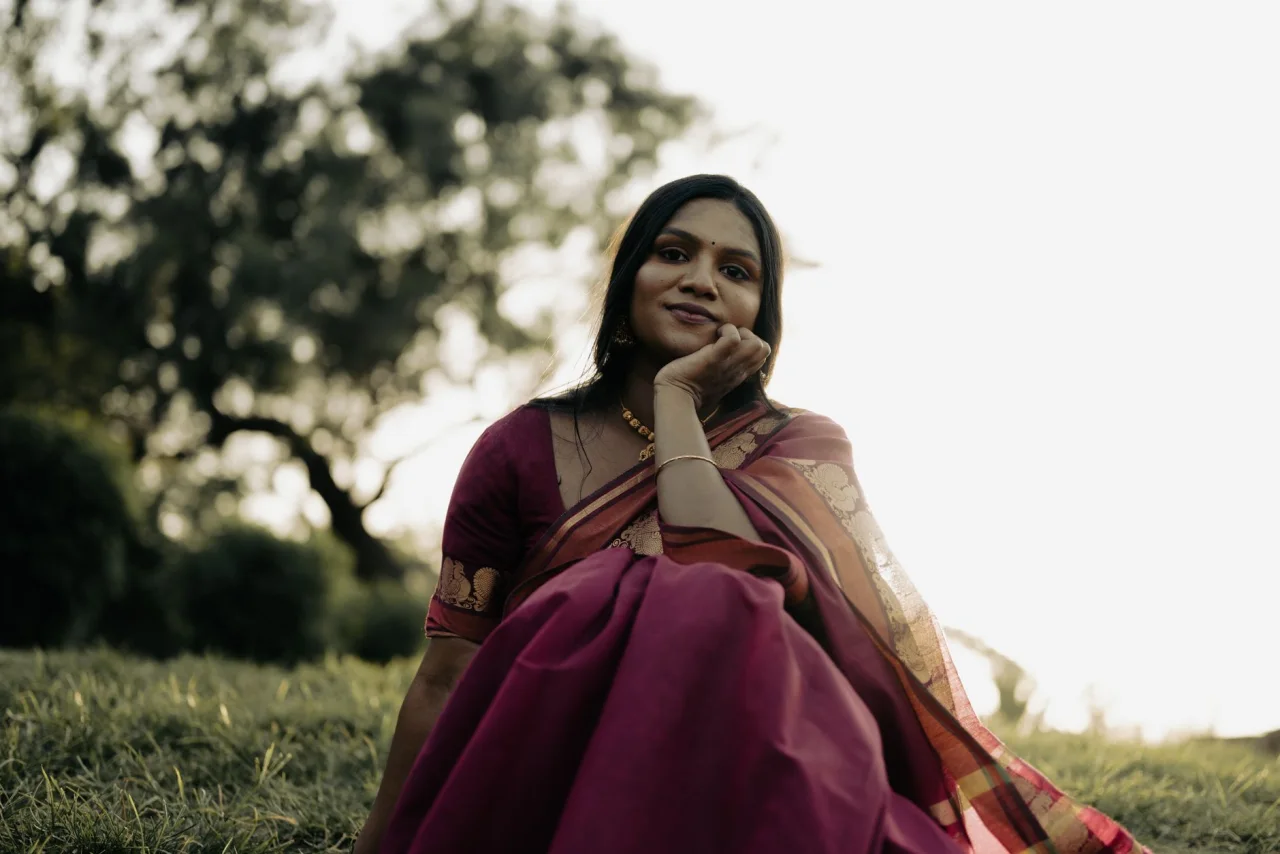
Ethnic fashion is traditional wear worn with modern intent: the saree, the lehenga choli, the shalwar kameez and the anarkali, along with the handloom weaves and hand embroidery that make them. In 2026 the mood leans toward heritage and craft over costume and flash. This is an honest look at what is rising, what is fading, and how to wear it well.
The short version
- Heritage weaves and hand embroidery are the headline, valued for craft and depth rather than shine.
- Classic silhouettes stay strong: the saree, lehenga choli, anarkali and shalwar kameez, cut cleanly and worn with restraint.
- Styling is getting lighter, with fewer matched accessories so the garment and its craft can lead.
- Buy fewer, better pieces you can re-wear, and judge the weave and stitching before the label.
What ethnic fashion means in 2026
Ethnic wear is the traditional dress of a region, worn today as fashion rather than folklore. Across South Asia that means the draped saree, the two-piece lehenga choli, the flowing anarkali and the everyday shalwar kameez, which is the national dress of Pakistan and widely worn across the subcontinent according to its Wikipedia entry. What sets 2026 apart is a renewed respect for the craft behind these garments, and a move away from treating tradition as a costume.
If you want the market-specific angle, our companion piece on Pakistani fashion trends covers lawn and pret in detail, while this guide keeps the broader ethnic lens across the region.
What is in: directions gaining ground
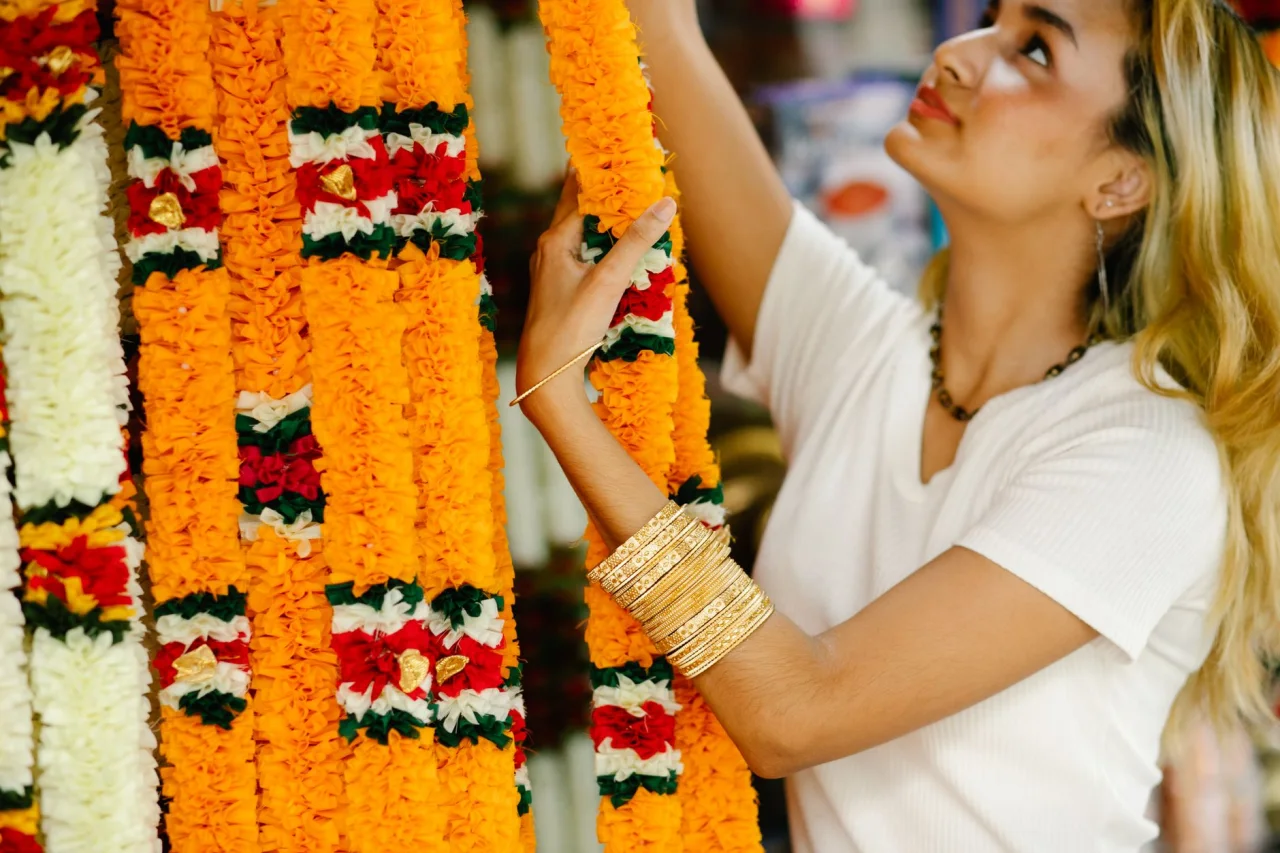
- Heritage handloom weaves: banarasi, jamdani and other traditional silks are prized again for their craftsmanship. Banarasi saris, woven in Varanasi with gold and silver zari and intricate floral and foliate motifs, can take weeks or months to make by hand, as their Wikipedia entry notes.
- Hand embroidery over machine sparkle: chikankari, zardozi, gota and mirror work carry more weight than flat sequins.
- Clean, classic silhouettes: a well-draped saree, a structured lehenga choli or a floor-length anarkali, styled simply.
- Tonal and traditional palettes: ivory, deep reds, forest greens and gold, worn with confidence rather than clashing brights.
- Re-wearable occasion pieces: ethnic wear designed to be restyled across events rather than worn once.
What is out: quietly fading
- Costume-y over-styling: matching every accessory to one shade until the outfit reads like fancy dress rather than fashion.
- Heavy synthetic sparkle: stiff, all-over sequinned bases that neither breathe nor drape well.
- Printed imitations of hand craft: flat digital prints pretending to be embroidery, which look uniform and lifeless up close.
- Single-use showpieces: expensive pieces so specific they can only be worn once.
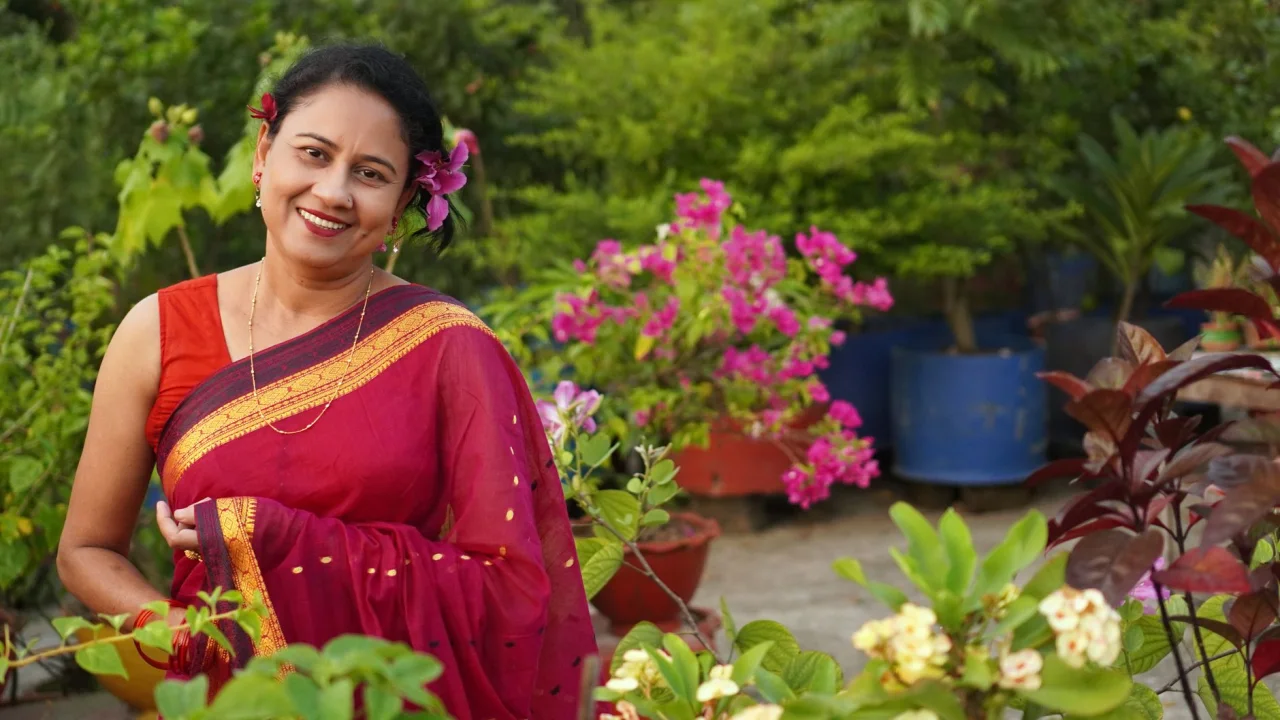
Styling note: The fastest way to make ethnic wear look modern is to remove something. A rich banarasi saree needs only simple jewellery and a clean blouse. Let one element, the weave, the embroidery or the drape, be the focus, and keep everything else quiet.
Craft is the real luxury
The defining shift in ethnic fashion is that craft, not embellishment, now signals quality. Genuine hand embroidery shows subtle irregularities, depth and shadow that machine work and prints cannot copy. Our guide to spotting quality chikankari shows what to look for, and our overview of embroidery types explains how techniques like gota, dabka and resham differ.
The same logic applies to fabric. A pure silk or a real handloom weave feels and falls differently from a synthetic lookalike. If you are learning to tell them apart, our explainer on silk properties and care is a good foundation.
Ethnic silhouettes to know
- Saree: the draped classic, endlessly variable through blouse and drape choices.
- Lehenga choli: a fitted blouse, flared skirt and dupatta, the go-to for weddings and big occasions. See our lehenga choli guide.
- Anarkali: a fitted bodice flaring into a long frock, graceful and covered. See the anarkali explained.
- Shalwar kameez: the versatile daily and festive staple, from crisp cotton to embellished formals.
How to wear ethnic without looking costume-y
- Let the garment lead: if the piece is richly worked, keep jewellery, bag and shoes simple.
- Fit the blouse and drape: a well-fitted blouse and a neat drape do more than any accessory.
- Mix eras lightly: a heritage saree with a contemporary blouse, or a classic lehenga with modern jewellery, feels current without losing tradition.
- Choose one focal point: a statement weave or a bold neckline, not both at once.
For occasion dressing, the dupatta is often the difference between good and great. Our step-by-step on styling a dupatta like an expert covers drapes that suit ethnic looks.
Buying ethnic wear thoughtfully
Prices for ethnic wear swing widely and depend on fabric, the amount and type of hand work, and finishing, far more than on branding. As a rough, region-dependent guide, simple printed cottons sit at the affordable end, mid-range covers better fabrics and light machine work, and the premium bracket is where real handloom weaves and hand embroidery live. These ranges vary by fabric, work and retailer, so confirm current pricing before you buy. For the fit and quality checks that matter, our lehenga buying guide breaks them down in detail.
A note on respect and honesty
Ethnic garments carry real cultural and regional meaning, and this guide treats them as living traditions rather than props. There is also no single authority on what "all ethnic fashion" is wearing in a given year, so read any confident forecast, including this one, as informed observation. The reliable signals are timeless: genuine craft, honest fabric and clothes you will wear again. For the wider seasonal picture, see our overview of desi fashion trends in 2026.
Frequently asked questions
What is ethnic fashion?
Ethnic fashion is traditional regional dress worn as contemporary fashion. Across South Asia that includes the saree, lehenga choli, anarkali and shalwar kameez, along with the handloom weaves and hand embroidery that define them. In 2026 the emphasis is on heritage craft rather than costume-like styling.
What ethnic wear trends are in for 2026?
Heritage handloom weaves such as banarasi and jamdani, hand embroidery like chikankari and zardozi over machine sparkle, clean classic silhouettes, tonal and traditional palettes, and re-wearable occasion pieces are all gaining ground. Craft, not embellishment, is the main signal of quality.
How do I wear ethnic clothes without looking like I am in costume?
Let the garment lead and remove excess. If a piece is richly worked, keep jewellery and accessories simple, fit the blouse and drape well, and choose one focal point rather than matching everything to one shade. Restraint is what makes ethnic wear look modern.
Are handloom weaves worth the higher price?
Often yes, if the weave is genuine. Real handloom pieces like banarasi saris are labour-intensive, sometimes taking weeks or months to make, and they feel and drape differently from synthetic lookalikes. Judge the weave, the zari and the finishing rather than the label, and confirm current pricing before buying.
How can I tell hand embroidery from machine or print?
Genuine hand embroidery shows subtle irregularities, depth and shadow, while machine work is very uniform and prints look flat and lifeless up close. Checking the reverse of the fabric and the texture of the stitches helps. Our embroidery guides walk through the specific signs to look for.
More on Fashion Trends
Have a question or a topic to suggest?
We read every message. Tell us what you would like to see next in the journal.
Get in touch