What Is an Anarkali? History & Styles
From the Mughal-court legend to gowns, capes and everyday cotton frocks: the story of the anarkali and the styles worn now.
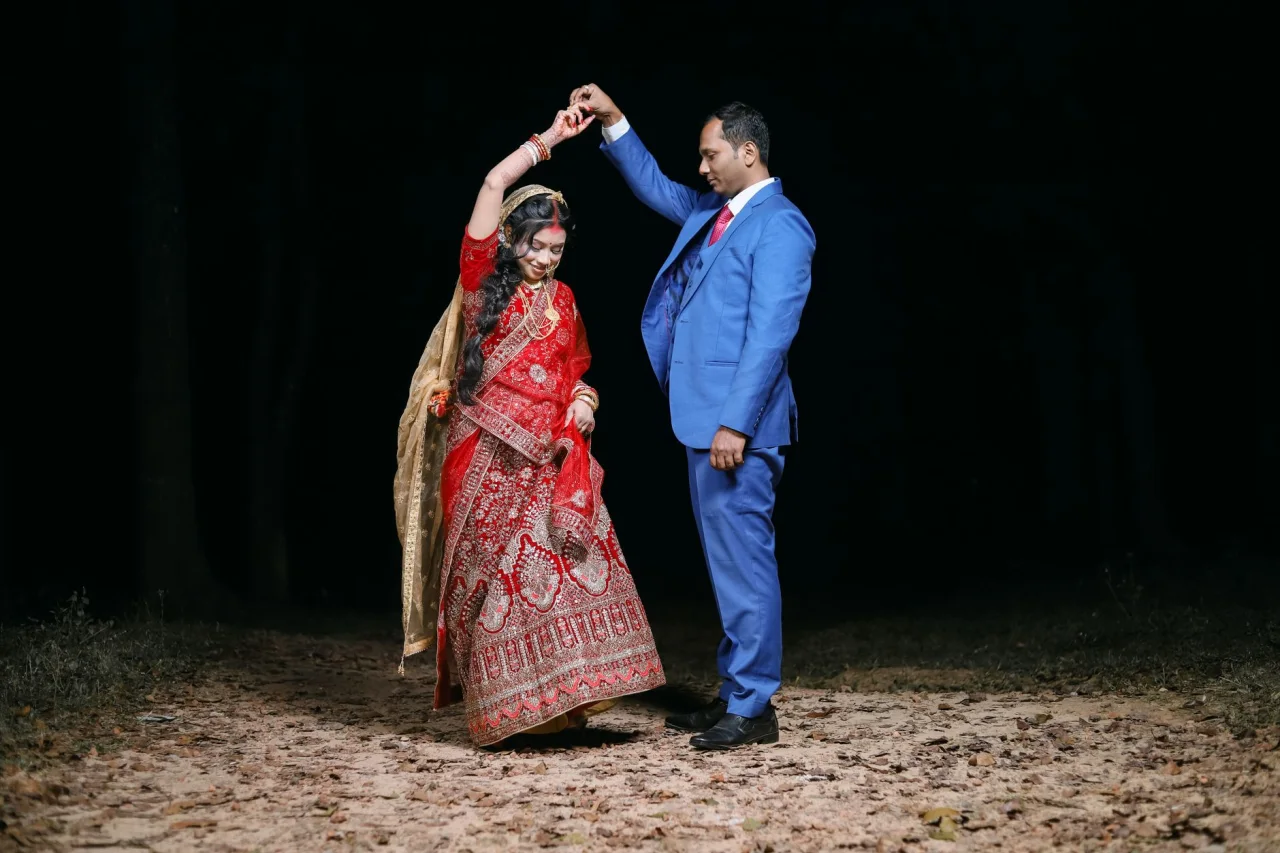
Few silhouettes carry as much romance as the anarkali: a fitted bodice that opens into a long, sweeping frock, named after a legend from the Mughal court. This piece traces where the anarkali actually comes from, separates the history from the folklore, and walks through the modern styles you will meet in shops and on runways right now. Think of it as the story behind the shape, plus a practical read on how it is being worn today.
The short version
- An anarkali is a long, frock-style kameez fitted through the bust and torso, then flared into a full skirt, worn with a slim bottom and a dupatta.
- It is named after the legendary Anarkali of Emperor Akbar's court, though her real existence is unverified and the tale is largely folklore.
- The cut faded and returned across eras, revived strongly through cinema in the twentieth century, and is now a wardrobe staple.
- Modern versions run from cotton daywear to floor-length bridal frocks, plus fusion cuts like gowns, jackets and cape anarkalis.
What an anarkali actually is
Strip away the drama and the anarkali is defined by one thing: its shape. It is a women's suit built on a long, frock-style top that fits closely through the chest and torso, then flares dramatically into a full skirt. According to Wikipedia, the garment varies in length from knee length to floor length, and the volume in the skirt is built from joined triangular fabric panels called kalis. The bottom is usually a churidar, and a dupatta completes the set.
That places the anarkali firmly inside the wider salwar kameez family, sharing the tunic-plus-trouser-plus-dupatta logic. What sets it apart is the exaggerated flare rather than any specific fabric or embroidery. If you want the full anatomy, panel counts and body-fit advice, our complete anarkali guide goes deeper. This article stays with the history and the modern styles.
The legend behind the name
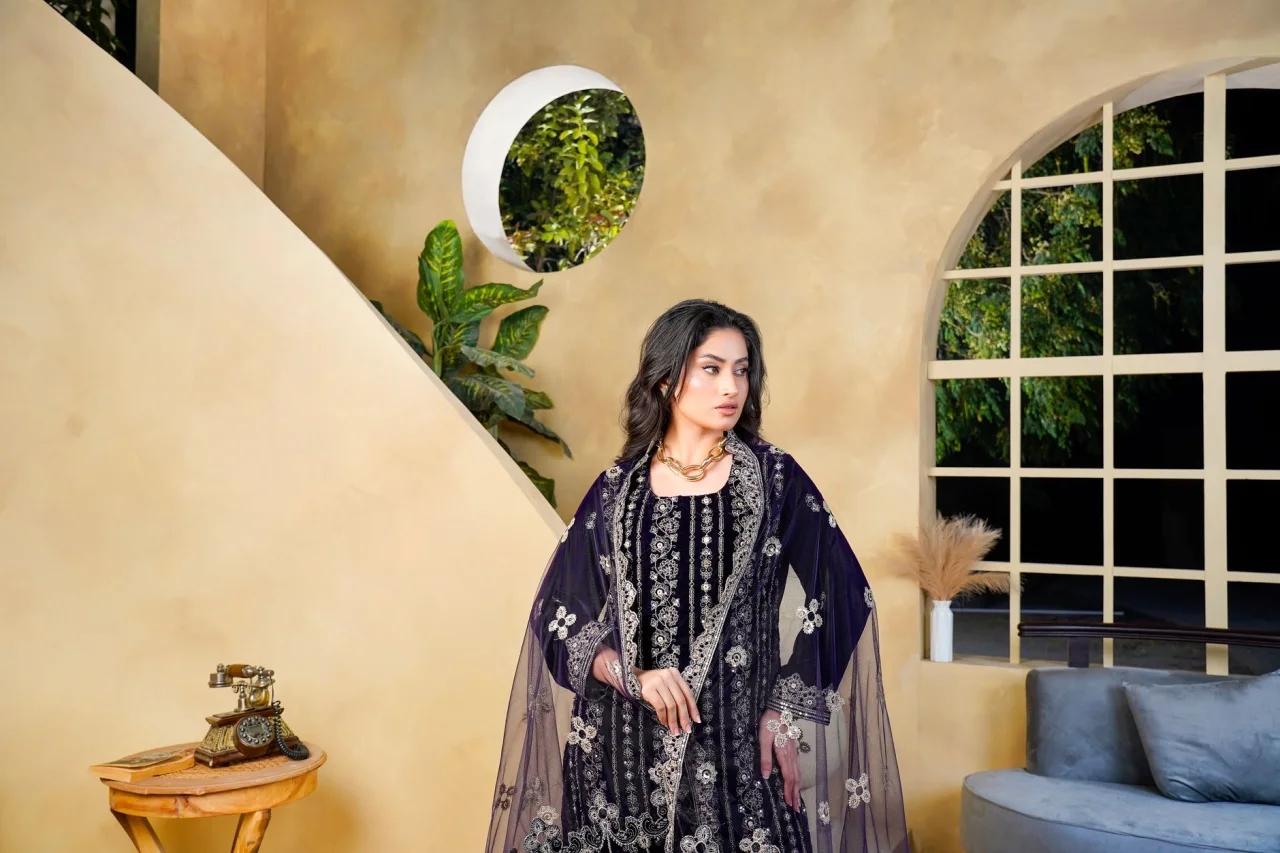
The anarkali takes its name from Anarkali, remembered in legend as a courtesan in the court of Mughal Emperor Akbar. The popular story tells of a forbidden romance with Crown Prince Salim, who later ruled as Emperor Jahangir, a love that ended in tragedy. The word itself is poetic: anarkali means the delicate bud of the pomegranate blossom, an image of softness and youth.
Honesty matters here, because the tale is often repeated as fact. Historians note that Anarkali's historical existence remains unverified, and no contemporary Mughal record documents the romance. What is safe to say is that noblewomen of the Mughal era did wear long, flared court frocks with fitted bodices, and that later retellings, especially cinema, cemented both the legend and the garment's regal aura in the popular imagination.
From Mughal courts to the modern wardrobe
The flared court frock was associated with the elegance of Mughal-era nobility, worn in rich fabrics with layered dupattas and heavy metalwork embroidery. Over the following centuries the silhouette moved in and out of fashion as tastes shifted between fuller and slimmer lines.
Its biggest modern revival came through twentieth-century film and popular culture, which returned the anarkali to the spotlight as a symbol of grace and grandeur. From there it became a fixture of festive and bridal wardrobes across South Asia and the diaspora. The through-line is consistent: whenever fashion wants romance and volume, the anarkali comes back.
What has changed over time is not the core idea but the details around it. Early modern anarkalis leaned heavy, floor-sweeping and richly worked, built for a formal court context. Later revivals experimented with length, dropping to knee and calf cuts for daywear, and with fabric, using lighter, more fluid cloth that a wider range of people could wear comfortably. The silhouette proved elastic enough to absorb each new decade's taste without losing its identity, which is exactly why it has survived where many trend garments faded. Today it sits equally at home in a fusion wardrobe and a traditional one.
Styling note
The point at which the flare begins changes the whole effect. A flare that starts just under the bust, on an empire line, lengthens the body and reads soft. A flare that starts at the natural waist reads more structured and formal. Pick by the mood you want, not by a rule.
Anarkali versus other flared silhouettes
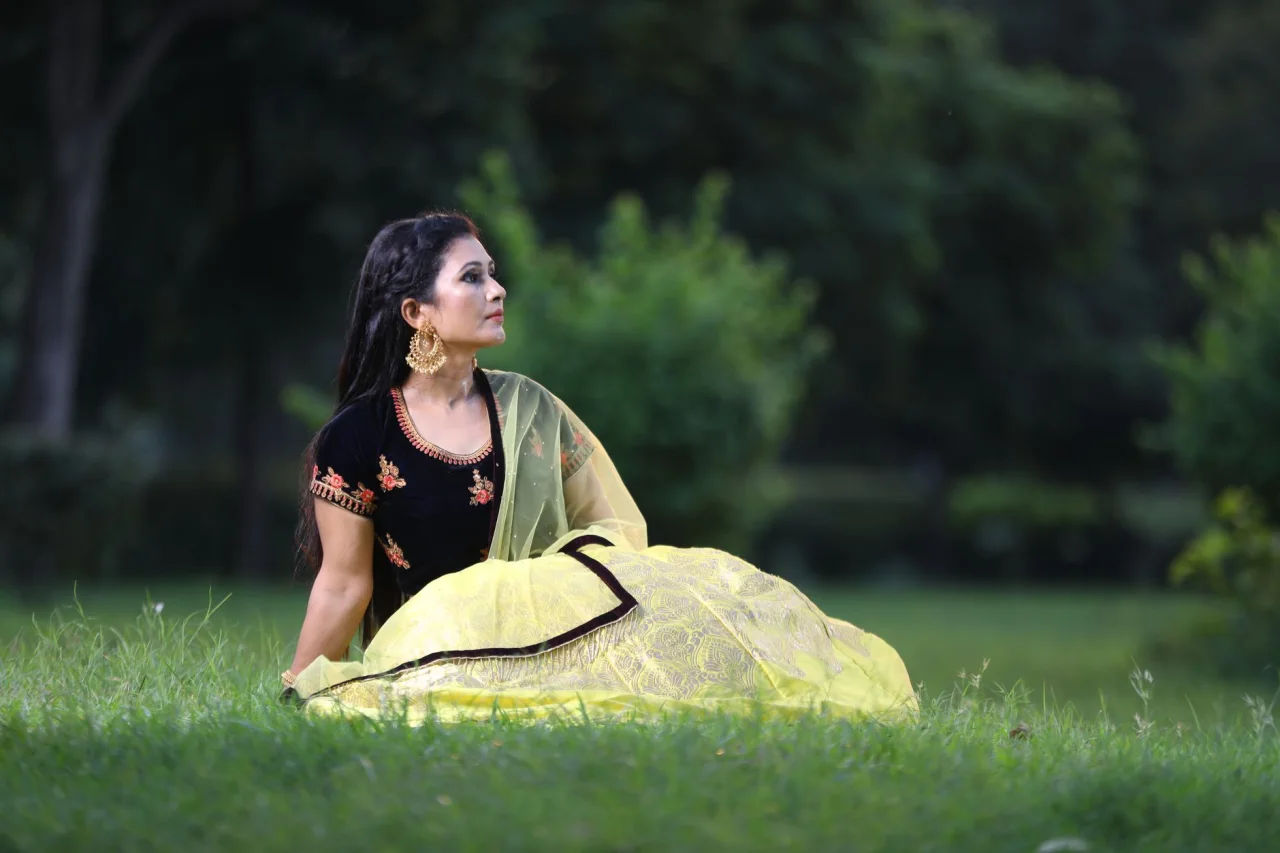
Shops often blur the labels, so a quick side-by-side helps you shop with confidence.
| Garment | Where the volume sits | Key giveaway |
|---|---|---|
| Anarkali | In the top, a single stitched frock | Flows unbroken from bust or waist, no separate skirt |
| Lehenga | In a separate skirt | Distinct blouse and a visible waistline |
| Gharara | In the trousers, from the knee | Shorter top, wide legs with an embroidered knee joint |
| Sharara | In the trousers, from the waist | Shorter top, continuous flare with no knee seam |
For the full split on the two trouser silhouettes, see our comparison of the difference between sharara and gharara, and for the skirt-based option read what a lehenga is.
Modern anarkali styles you will see now
Once you know the silhouette, current variations are mostly about length, layers and closure. These are the cuts dominating rails and lookbooks.
- Floor-length anarkali: the full sweep to the ankles, the most formal and photogenic option.
- Knee to calf length: a shorter, easier flare that works for daywear and semi-formal events.
- Gown anarkali: a fusion cut with a fitted or flowing gown line, sometimes with a trail, popular for receptions.
- Jacket and cape anarkali: a long jacket or cape layered over the frock for a structured, regal finish.
- Angrakha anarkali: an overlapping, side-tied front borrowed from the classic angrakha, giving a soft asymmetric wrap.
- Layered or double-flare anarkali: two or more tiers of flare for extra movement.
For a visual sweep of current colour stories and cuts, browse our roundup of anarkali designs for 2026.
Fabrics and embroidery that shape the look
Fabric decides how the flare behaves. Light, fluid cloth like georgette and chiffon gives a soft, floaty fall, while net and velvet add structure and richness for winter and bridal wear. Cottons and lawns keep an anarkali relaxed enough for everyday wear.
Surface work ranges from delicate to grand. You might find soft white-on-white chikankari from Lucknow on a summer piece, or heavy metallic embroidery on a bridal frock. If you want to understand the crafts, start with our guides to zari work and mirror work.
Colour and placement have also become part of the modern story. Where a classic anarkali often kept work concentrated on the yoke and hem to frame the flare, contemporary pieces play with all-over prints, panelled colour blocking and contrast borders. The dupatta has grown from an afterthought into a styling tool, sometimes matched to the frock, sometimes deliberately clashed for a fashion-forward look. None of this changes what an anarkali is, but it does explain why two frocks that share the same fitted-then-flared shape can look so different on the rail.
How to wear the anarkali today
Part of the anarkali's staying power is how adaptable it is across occasions. A cotton, lightly worked anarkali suits the office or a casual visit. A georgette piece with mid-weight embroidery is right for Eid and dinners. A floor-length, heavily worked frock in net or velvet becomes a genuine option for weddings and engagements. To match cut to occasion in detail, our anarkali styling guide breaks it down look by look, and the fit and price guide helps before you invest in a formal one.
Frequently asked questions
What is an anarkali?
An anarkali is a women's suit built on a long, frock-style top that fits through the bust and torso and then flares into a full skirt, worn over a slim bottom such as a churidar and paired with a dupatta. Lengths range from knee length to floor length.
Is the Anarkali love story true?
Most likely not as commonly told. Anarkali is remembered in legend as a courtesan in Emperor Akbar's court, but historians note that her real existence is unverified and no contemporary Mughal record documents the romance. The garment's royal aura was cemented largely through later retellings, including cinema.
How is an anarkali different from a lehenga?
An anarkali is one continuous stitched frock that flows from the bust or waist, so there is no separate skirt. A lehenga is a distinct flared skirt worn with its own blouse, which shows a clear waistline. The anarkali puts the volume in the top, the lehenga puts it in the skirt.
What are the modern types of anarkali?
Common current cuts include the floor-length anarkali, knee to calf length daywear versions, gown anarkalis with a fitted or flowing line, jacket and cape anarkalis, angrakha anarkalis with a side-tied wrap front, and layered double-flare styles for extra volume.
Can everyday and formal both use an anarkali?
Yes. A cotton or lawn anarkali with light work suits casual and office wear, a georgette piece with mid-weight embroidery works for Eid and dinners, and a floor-length frock in net or velvet with heavy work suits weddings and engagements.
More on Buying Guides
Have a question or a topic to suggest?
We read every message. Tell us what you would like to see next in the journal.
Get in touch