How to Style an Anarkali Suit
Balance the frock against dupatta, jewellery and shoes and one anarkali takes you from the office to a wedding. Here is how, occasion by occasion.
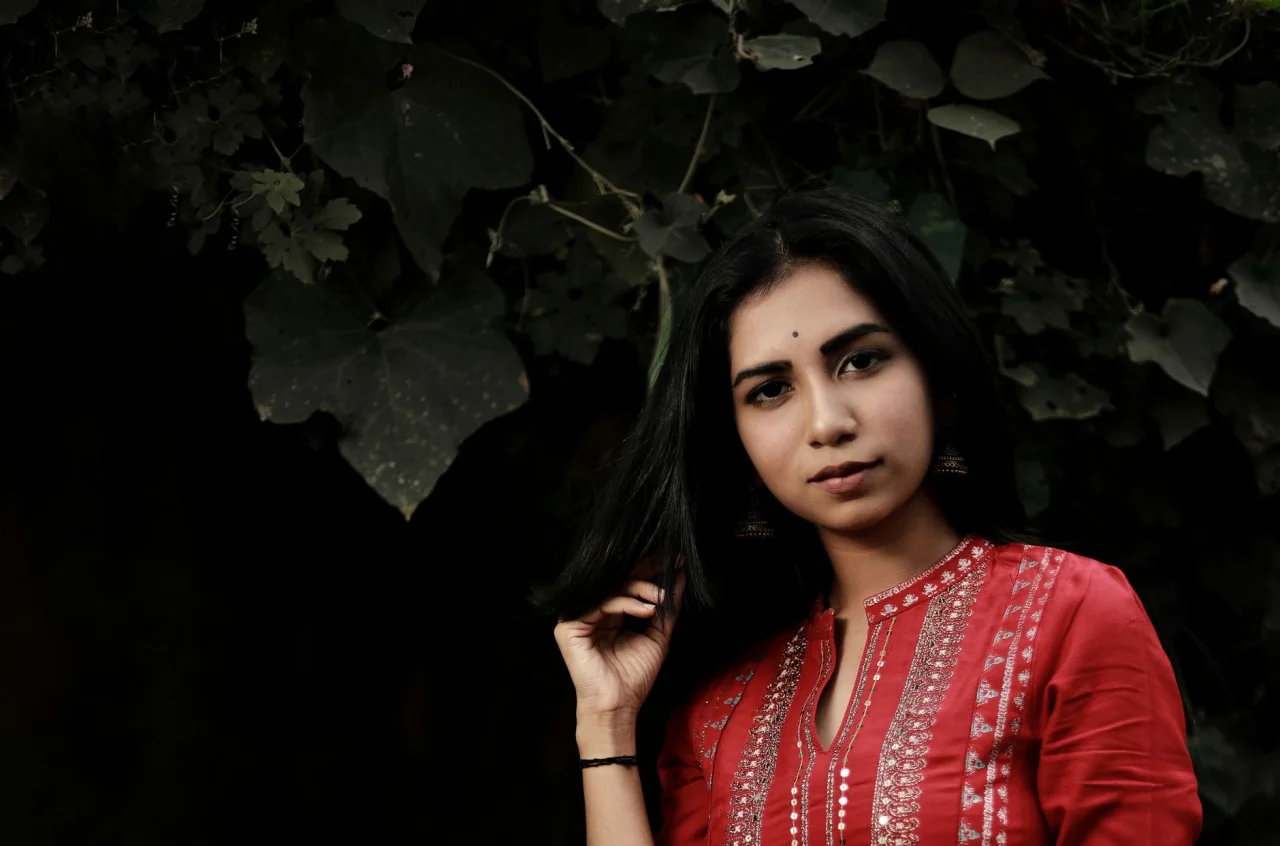
An anarkali does a lot of the work for you: the silhouette is already dramatic, so styling is mostly about restraint and the right supporting pieces. Get the dupatta drape, jewellery weight, footwear and hair balanced against how heavy the frock is, and the same suit can carry you from the office to a wedding. This guide breaks it down occasion by occasion, with specific pairings you can copy.
The short version
- Balance is everything: heavy frock means light jewellery and a plain dupatta, plain frock means you can go bigger on both.
- The dupatta drape sets the tone: one-shoulder for movement, double-pinned for formal, cape or belt for modern.
- Footwear controls the mood: flats and juttis for day, heels for evening, and always check the hemline clears the floor.
- Match jewellery to the neckline, not just the outfit: high necks want long earrings, wide necks want a statement necklace.
Start with the frock, then build outward
Before choosing a single accessory, read your anarkali. How heavy is the embroidery, how long is the flare, and what is the neckline doing? A floor-length zardozi frock is already saying a lot, so it wants quiet partners. A plain cotton anarkali is a blank canvas that can take a loud dupatta and bold jewellery. If you are not sure what type you own, the anarkali explainer covers the main cuts, and Wikipedia notes the frock fits snugly through the torso before flaring, which is exactly the proportion your styling has to respect. This one rule, let the busiest element lead and keep the rest calm, prevents almost every styling mistake.
Casual and daytime looks
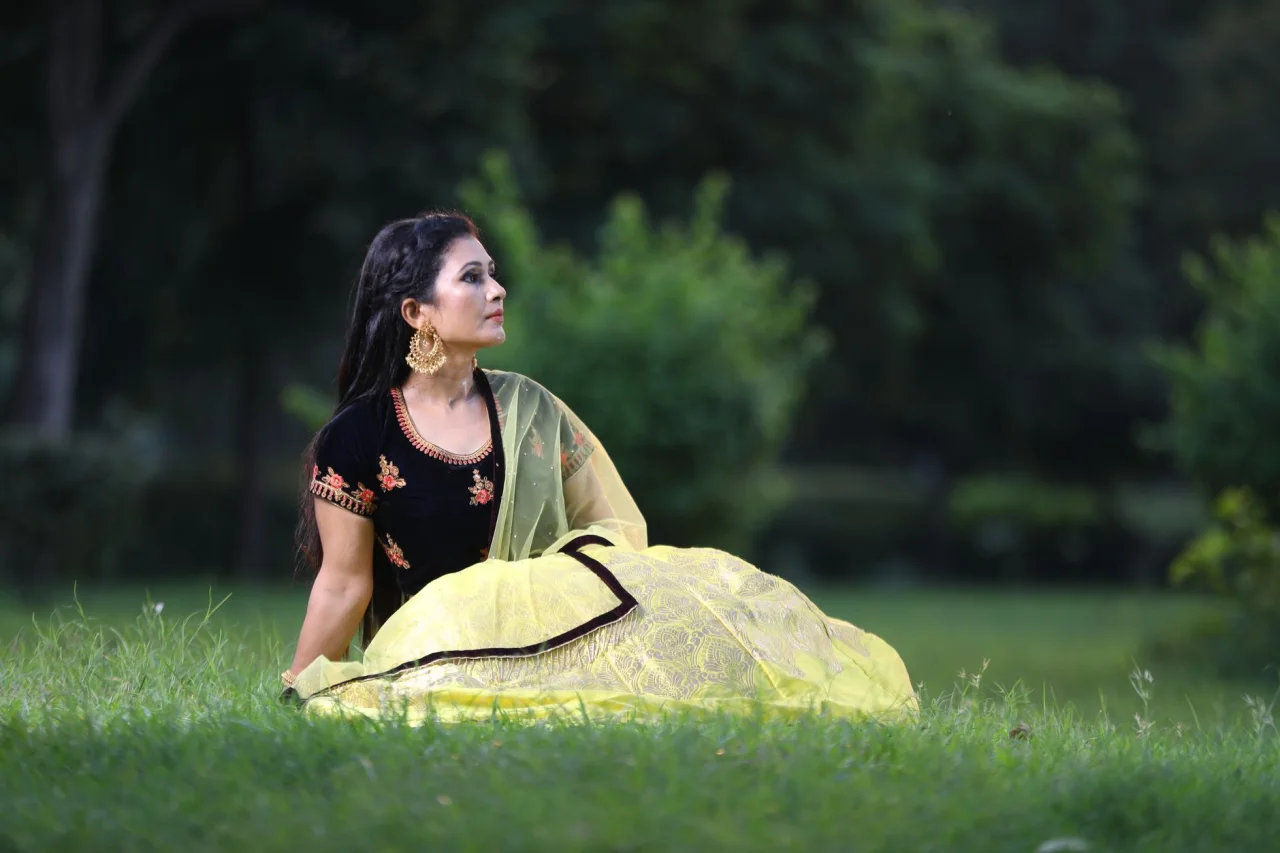
For everyday wear, comfort and ease come first. Reach for a cotton, lawn or light georgette anarkali in a print or solid colour.
- Dupatta: skip it entirely for a clean modern look, or drape a light cotton or mul dupatta loosely on one shoulder.
- Jewellery: small studs or light jhumkas, a couple of thin bangles, and stop there.
- Footwear: flat juttis, kolhapuris or simple sandals.
- Hair: a loose plait, low bun or open waves.
A calf-length anarkali is the easiest daytime length because it moves freely and does not need managing. Pair it with a canvas or leather sling bag and you have an effortless daily outfit.
Office and semi-formal looks
The anarkali reads as polished and professional when you tone down the shine. Choose muted solids or subtle prints in cotton, linen-blend or matte georgette, ideally knee to calf length so it is practical at a desk.
- Dupatta: neatly pinned on one shoulder, or a slim stole for a tailored look. Avoid heavy borders at work.
- Jewellery: one focal piece only, small hoops or a delicate pendant.
- Footwear: block heels, loafers or closed flats.
- Extras: a structured tote and a watch keep it businesslike.
For more workwear pairings across silhouettes, see our office wear ideas.
Dupatta draping cheat sheet
- One-shoulder pallu: easy, casual, keeps hands free.
- Double-pinned across both shoulders: formal and neat, good for photos.
- Cape style, pinned at the shoulders and left open: modern, replaces a jacket.
- Belted at the waist: adds shape to a very full flare and looks contemporary.
Festive looks for Eid and family functions
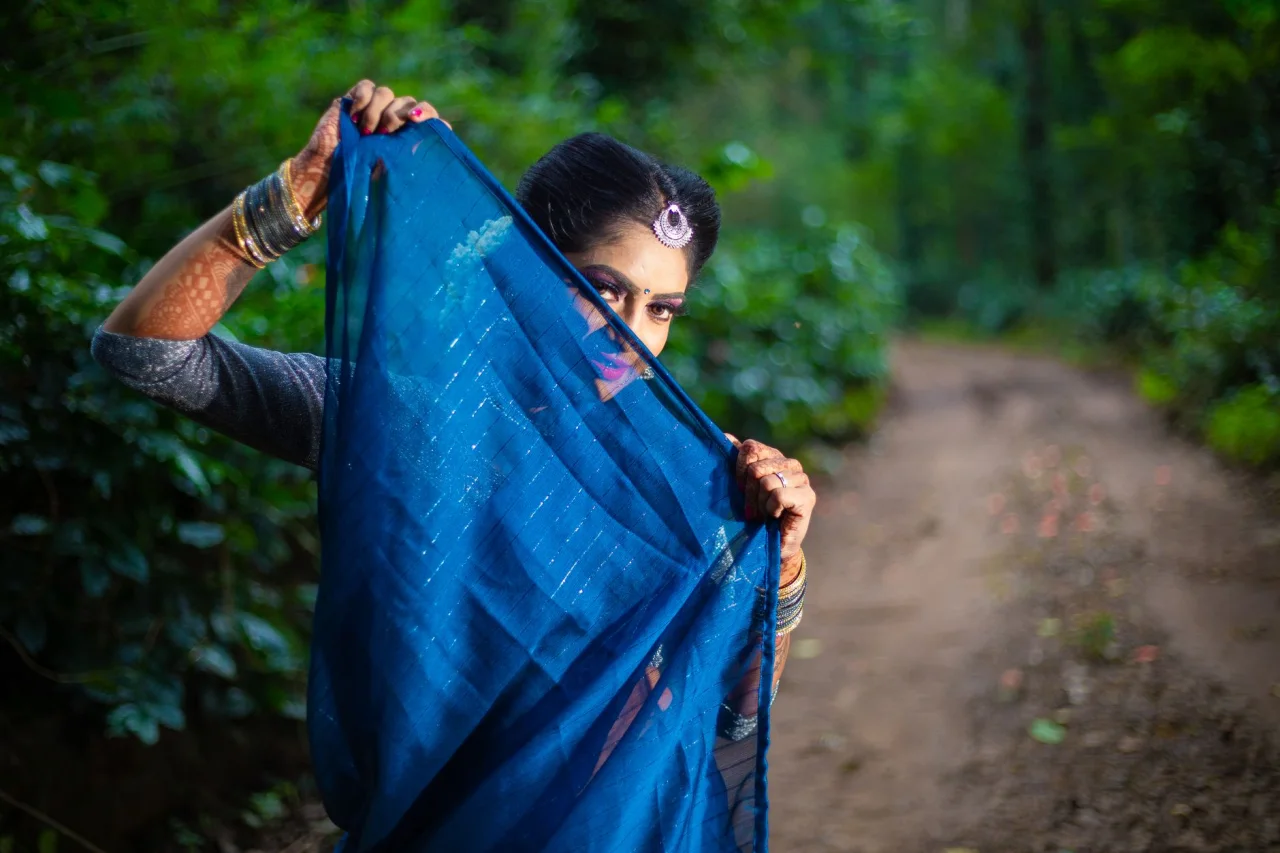
Festive dressing is where the anarkali shines without tipping into bridal territory. Pick a pastel or jewel-tone georgette or net anarkali with moderate work.
- Dupatta: a contrast or embroidered dupatta draped on one shoulder or over the head for a traditional touch.
- Jewellery: jhumkas plus a set of glass or metal bangles, or a light choker if the neckline is open.
- Footwear: embellished juttis or low heels.
- Hair and makeup: a soft blow-dry or a bun with fresh flowers, warm eyes and a bold lip.
For a full festive wardrobe plan, our Eid outfit ideas pair well with these anarkali looks.
Party and evening looks
For dinners, cocktails and receptions, lean into shine and a stronger silhouette. A floor-length net or velvet anarkali carries the evening beautifully.
- Dupatta: go cape-style or belted for a modern line, or drop the dupatta entirely if the frock has a cape or heavy sleeves.
- Jewellery: pick one hero, either statement earrings or a bold cuff, and keep the rest minimal.
- Footwear: heels lift the flare off the floor and lengthen the line. Confirm the hem clears them when you walk.
- Bag: a metallic or embellished clutch.
A velvet anarkali in a jewel tone is the classic winter party answer; learn why the fabric works so well in our velvet guide.
Wedding and bridal-party looks
At weddings, the anarkali can be a guest outfit or, in heavier bridal form, the main event. As a guest, choose a richly worked floor-length frock but leave the reddest, heaviest looks to the bride.
- Dupatta: a heavily embroidered dupatta, double-draped or over the head, is the centrepiece.
- Jewellery: a full set, earrings, necklace and maang tikka, matched to the neckline. A high neck wants long earrings and a tikka; a wide neck wants a statement necklace.
- Footwear: comfortable embellished heels or juttis, since you will be on your feet for hours. If you wear a churidar, its ankle gathers sit neatly above a heel.
- Hair: a decorated bun or side braid with hair accessories.
Coordinate the whole look with our wedding guest outfit guide, and for the bridal end of the scale see bridal dress ideas.
Jewellery, footwear and bag rules that always work
A few fail-safe principles cut through the guesswork.
- Match earrings to the neckline. Closed or high necklines free up your ears for jhumkas and chandbalis; open necklines call for a necklace and smaller earrings.
- Never compete with the frock. If the anarkali has heavy hand-work, choose jewellery in a similar metal tone rather than clashing stones.
- Mind the hemline and shoes. Buy or hem the anarkali to your chosen heel height so the flare skims the floor without dragging.
- Keep the bag small. A clutch or small sling suits the vertical, flowing line; a big tote breaks it (save totes for the office look).
Once you are confident with styling, use the buying guide to invest in the right frock, or browse fresh cuts in the 2026 anarkali design roundup.
Frequently asked questions
How do you style an anarkali suit for a wedding?
Choose a richly worked floor-length frock in net, velvet or silk, and make a heavily embroidered dupatta the centrepiece by double-draping it or wearing it over the head. Add a full jewellery set matched to the neckline, comfortable embellished heels or juttis, and a decorated bun, while leaving the reddest, heaviest looks to the bride.
Can you wear an anarkali suit to the office?
Yes, if you tone down the shine. Pick a muted solid or subtle print in cotton, linen-blend or matte georgette at knee to calf length, pin the dupatta neatly or use a slim stole, and keep to one small piece of jewellery with block heels or closed flats. That reads as polished and professional rather than festive.
What jewellery goes best with an anarkali?
Match the jewellery to the neckline. High or closed necklines pair well with long jhumkas or chandbalis and a maang tikka, while open necklines suit a statement necklace with smaller earrings. If the frock has heavy hand-work, stick to one metal tone and keep everything else minimal so nothing competes.
Should you wear a dupatta with an anarkali?
It is optional and depends on the occasion. For casual and modern looks you can skip it or drape it loosely on one shoulder, for formal events double-pin it across both shoulders or over the head, and for a contemporary line try a cape or belted drape. Heavier the occasion, more prominent the dupatta.
What shoes should you wear with a floor-length anarkali?
Heels are ideal because they lift the flare off the floor and lengthen the silhouette, but the key is to fix the hem to your chosen heel height so it skims rather than drags. For daytime or long events, embellished juttis or block heels give the same clean line with more comfort.
More on Styling Guides
Have a question or a topic to suggest?
We read every message. Tell us what you would like to see next in the journal.
Get in touch