Choosing the Perfect Anarkali Suit
Four decisions make or break an anarkali buy: cut, fabric, stitching and budget. This guide walks each one, plus the red flags to watch for.
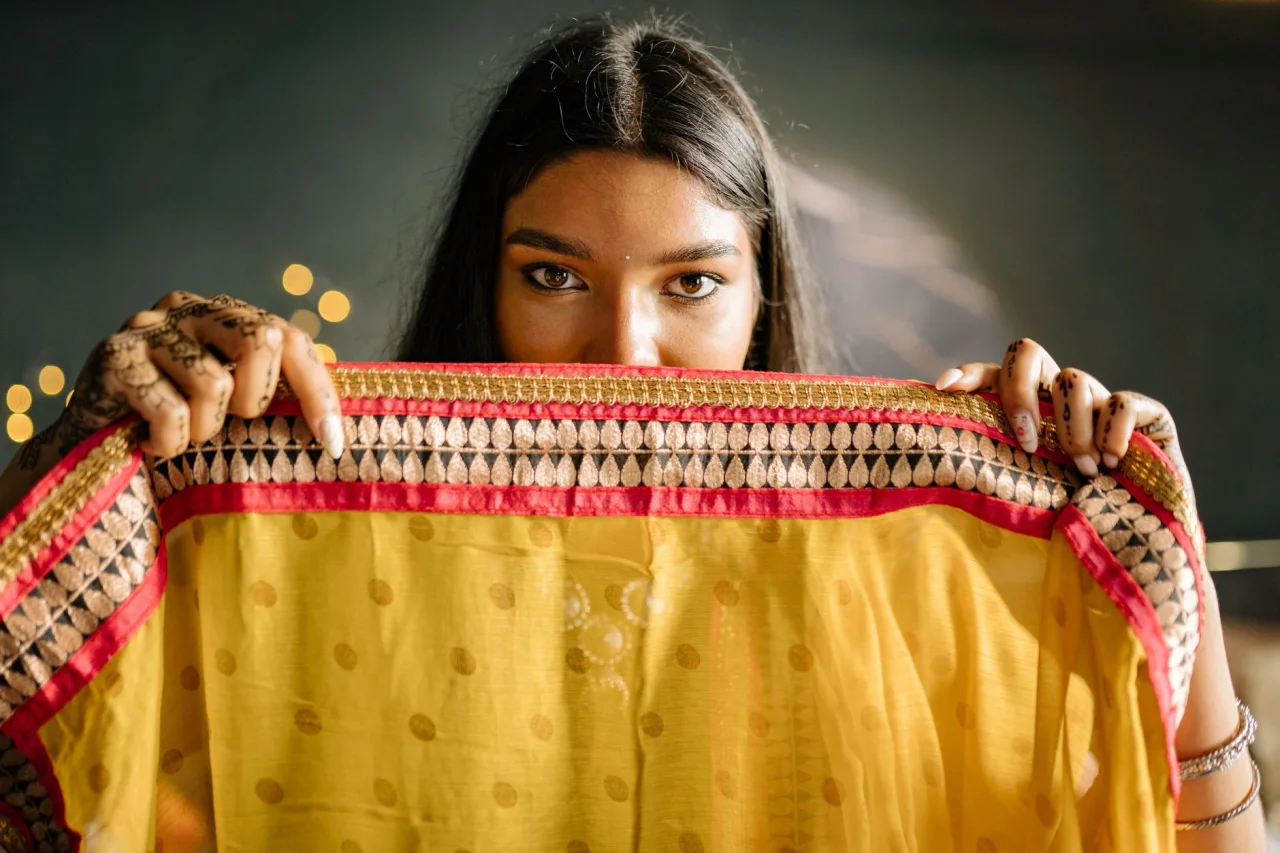
A great anarkali is a genuine wardrobe investment, but a badly chosen one hangs unworn because the flare sits wrong, the fabric is stifling or the work is stiff and scratchy. Choosing well comes down to four decisions: the cut for your body, the fabric for your season, stitched versus unstitched, and a realistic budget. This guide walks through each, plus the red flags that separate a good buy from a regret.
The short version
- Fit first: match where the flare begins and how full it is to your height and body shape.
- Fabric follows season: light georgette, cotton and chiffon for heat, net and velvet for winter and formal wear.
- Stitched is convenient; unstitched or made-to-measure gives the best fit if you have a reliable tailor.
- Set a budget by work type, not by picture, and inspect stitching, lining and embroidery before you pay.
Step one: choose the cut for your body
The anarkali flatters almost everyone, but the right variation depends on your frame. The two levers are where the flare starts (empire line versus waist) and how full it is.
- Petite: a flare that begins high, just under the bust, with a slim churidar keeps the line long. Avoid very heavy, stiff hems that can swamp a small frame.
- Tall: floor-length, heavily panelled kalidar anarkalis use your height and look regal.
- Fuller midsection: an empire-line flare falls straight over the tummy and hips and is usually the most comfortable and flattering.
- Broad shoulders or bust: a deeper V or scoop neckline balances the upper body; skip very structured, padded yokes.
- Slim and straight: a waist-flare with more panels adds curve and movement.
If you are still deciding between silhouettes altogether, our guide to what an anarkali suit is compares it with lehengas, ghararas and plain kameez, and Wikipedia confirms lengths run anywhere from knee to floor, so decide your length before anything else.
Step two: pick the fabric for your season and occasion
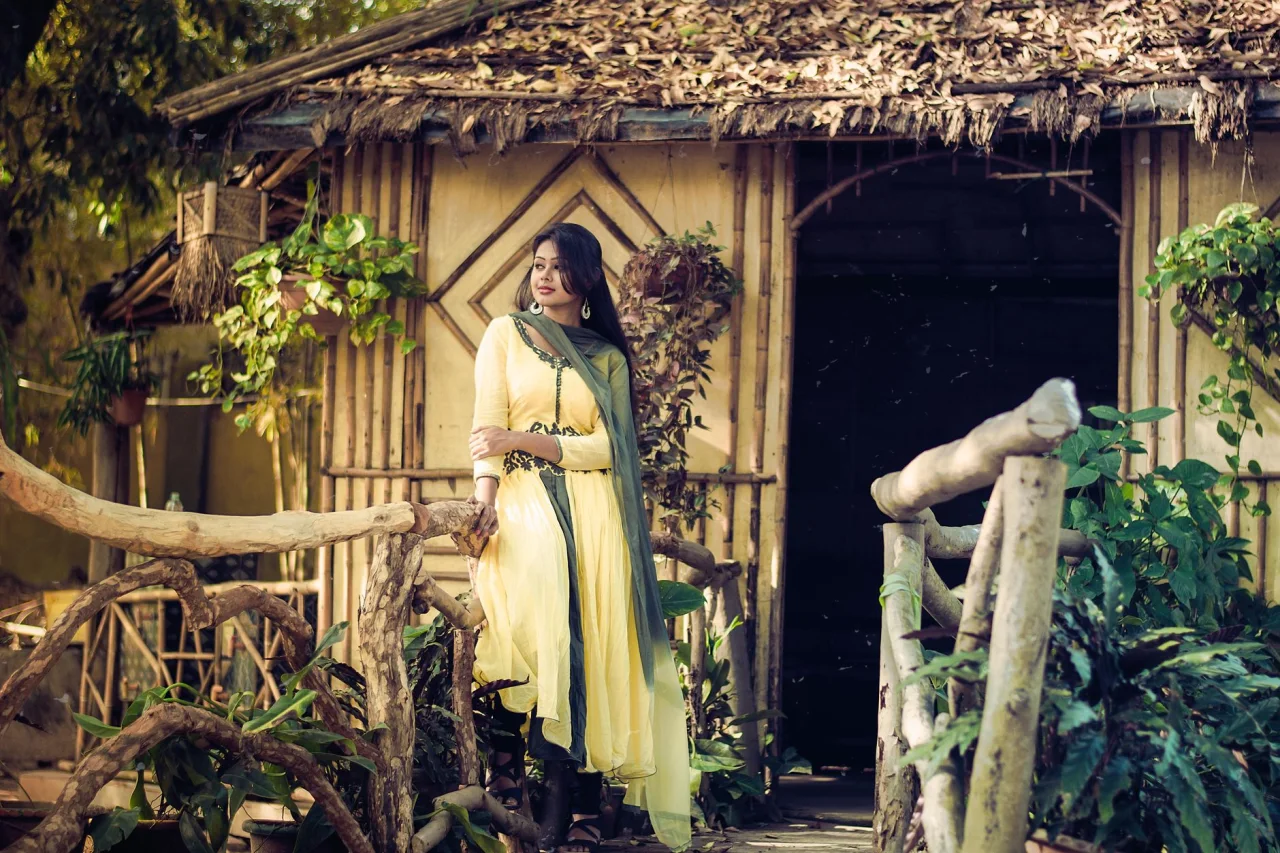
Fabric decides comfort, drape and how the flare moves. Get this wrong and even a perfect fit feels miserable.
- Summer and daywear: cotton, lawn and light chiffon breathe and stay cool.
- Festive and party: georgette gives a soft, flowing fall, while net holds a structured, embroidery-friendly flare.
- Winter and formal: velvet and raw silk add warmth and richness.
- Bridal: silk, velvet and heavy net carry the weight of dense hand embroidery without collapsing.
Also check the lining. A good anarkali is fully lined so the flare falls cleanly and the fabric does not turn sheer in daylight. A missing or skimpy lining is a common shortcut.
Fabric-weight tip
The heavier the embroidery, the sturdier the base fabric needs to be. Dense zardozi or mirror work on flimsy georgette drags the frock out of shape and puckers the flare. If the work is heavy, look for silk, velvet or a good-quality net base.
Step three: stitched, unstitched or made-to-measure
Anarkalis sell in three formats, and the right one depends on your fit needs and time.
- Ready stitched: convenient and instant, but standard sizing rarely nails the bust and flare position. Best when the fit is forgiving or you can get minor alterations.
- Unstitched suit set: you buy the fabric and embroidered panels and have them tailored. This gives the best fit if you have a reliable tailor, and lets you control length and neckline.
- Made-to-measure or designer stitched: tailored to your measurements from the start, the most reliable fit and the most expensive.
For formal and bridal anarkalis where fit is critical, unstitched or made-to-measure almost always beats off-the-rack. For casual daywear, ready stitched is perfectly fine.
Step four: set a realistic budget
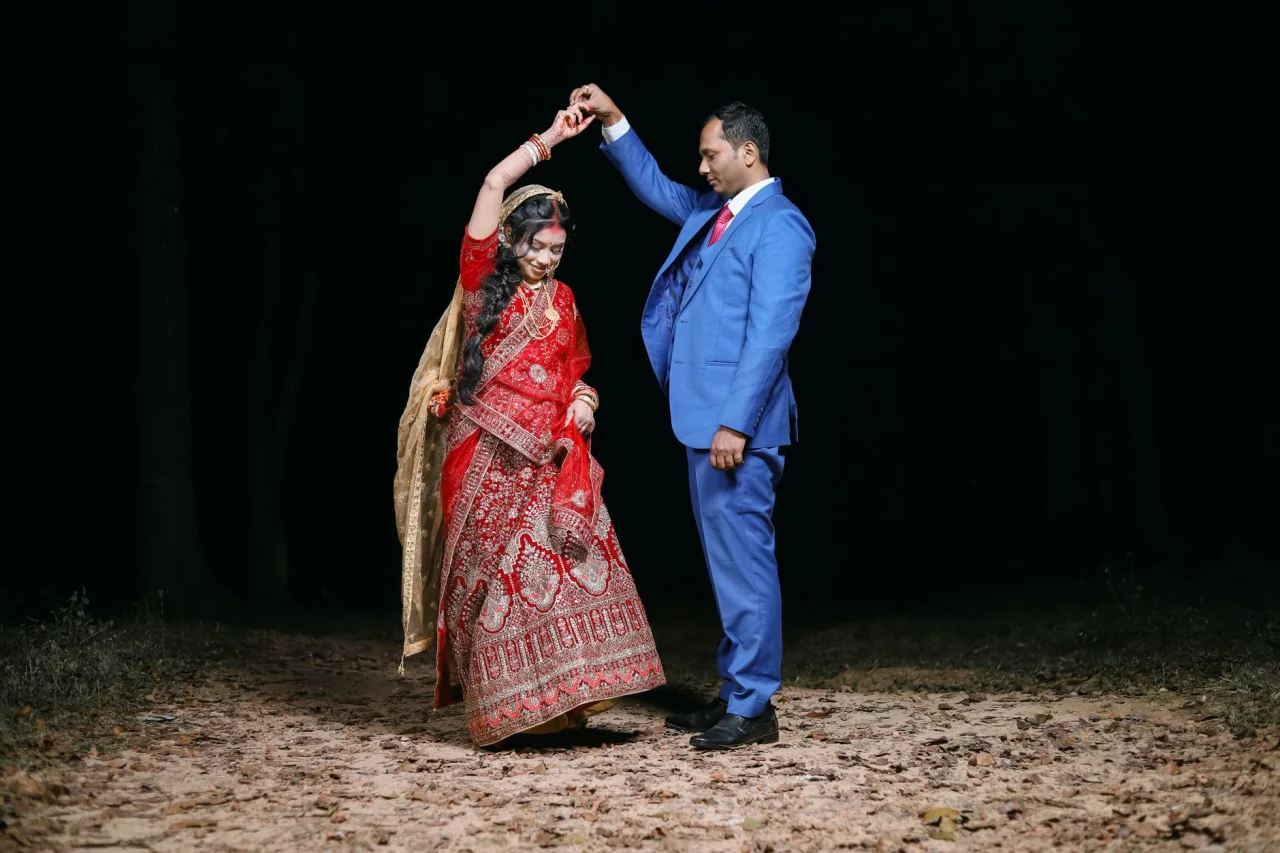
Anarkali prices swing enormously, and the single biggest driver is the embroidery: hand-work costs far more than machine-work. Rather than quote figures that will be wrong tomorrow, think in bands and confirm current pricing with the seller.
- Budget: machine embroidery or prints on cotton, lawn or light georgette. Great for daywear and everyday festive use.
- Mid-range: a mix of hand and machine work, better fabric and lining, suitable for parties and Eid.
- Premium: heavy hand embroidery such as zari or zardozi, silk or velvet bases, and designer labels for weddings.
Prices vary by fabric, amount of hand-work, brand and country, so treat these as ballpark bands and always verify the current price before buying. Genuine hand embroidery commands a premium for good reason: our hand versus machine embroidery guide shows how to tell what you are actually paying for.
Quality checks before you pay
Whether online or in store, run through this list.
- Flare and panels: the kali seams should be even and the hem should hang level all the way round, not dip on one side.
- Lining: present, neatly finished and not scratchy against the skin.
- Embroidery reverse: on hand-work, threads on the back are secured, not loose and messy. Loose threads shed and snag.
- Fastenings: zips and hooks lie flat and are stitched down firmly.
- Churidar length: the churidar is cut longer than the leg so it gathers into bangle-like folds at the ankle, so it should bunch without being tight at the calf.
- Colour transfer: for deep dyes, especially reds and maroons, ask about colour-fastness so it does not bleed on first wear.
Red flags to avoid
A few warning signs reliably predict disappointment.
- Heavy embroidery on very flimsy fabric with no proper lining: it will lose shape fast.
- Prices that look far too good for supposed hand-work: it is almost certainly machine embroidery labelled as hand.
- Online listings with no fabric composition, measurement chart or clear close-up of the work.
- No returns or alterations policy on a stitched formal piece, where fit problems are most likely.
- Strong chemical smell, which can signal poor dye fixing and future bleeding.
Once you have chosen well, the styling guide shows how to accessorise it, and the design roundup and wider designer suit guide help you compare options.
Frequently asked questions
How do I choose an anarkali suit for my body type?
Match where the flare begins to your frame. Petite bodies suit a high, empire-line flare with a slim churidar, taller frames carry floor-length panelled anarkalis well, and a fuller midsection is most comfortable in an empire flare that falls straight from under the bust. Adjust the neckline to balance broad shoulders or bust.
Which fabric is best for an anarkali suit?
It depends on the season and occasion. Cotton, lawn and light chiffon are best for summer and daywear, georgette and net suit festive and party wear, and velvet or raw silk work for winter and formal events. For bridal anarkalis with heavy embroidery, choose sturdy silk, velvet or heavy net so the base can carry the weight.
Is stitched or unstitched anarkali better?
Ready stitched is convenient and fine for casual daywear, but standard sizing rarely nails the bust and flare position. For formal and bridal anarkalis where fit matters most, an unstitched set tailored by a reliable tailor, or a made-to-measure piece, gives a noticeably better fit.
How much should I pay for an anarkali suit?
Budget by the type of work rather than by a photo. Machine-worked light-fabric anarkalis sit at the budget end, mixed hand and machine work is mid-range, and heavy hand embroidery, silk or velvet bases and designer labels are premium. Prices vary by fabric, work, brand and country, so always confirm the current price with the seller.
How can I tell if an anarkali is good quality?
Check that the kali seams are even and the hem hangs level, that it is properly lined and not scratchy, and that the back of any hand embroidery is neatly secured rather than loose. Also confirm the fastenings lie flat, the churidar gathers correctly at the ankle, and deep dyes are colour-fast so they do not bleed.
More on Buying Guides
Have a question or a topic to suggest?
We read every message. Tell us what you would like to see next in the journal.
Get in touch