What Is a Designer Suit?
What the designer label really means: ready to wear versus couture, how to spot quality and replicas, and whether the price is worth it.
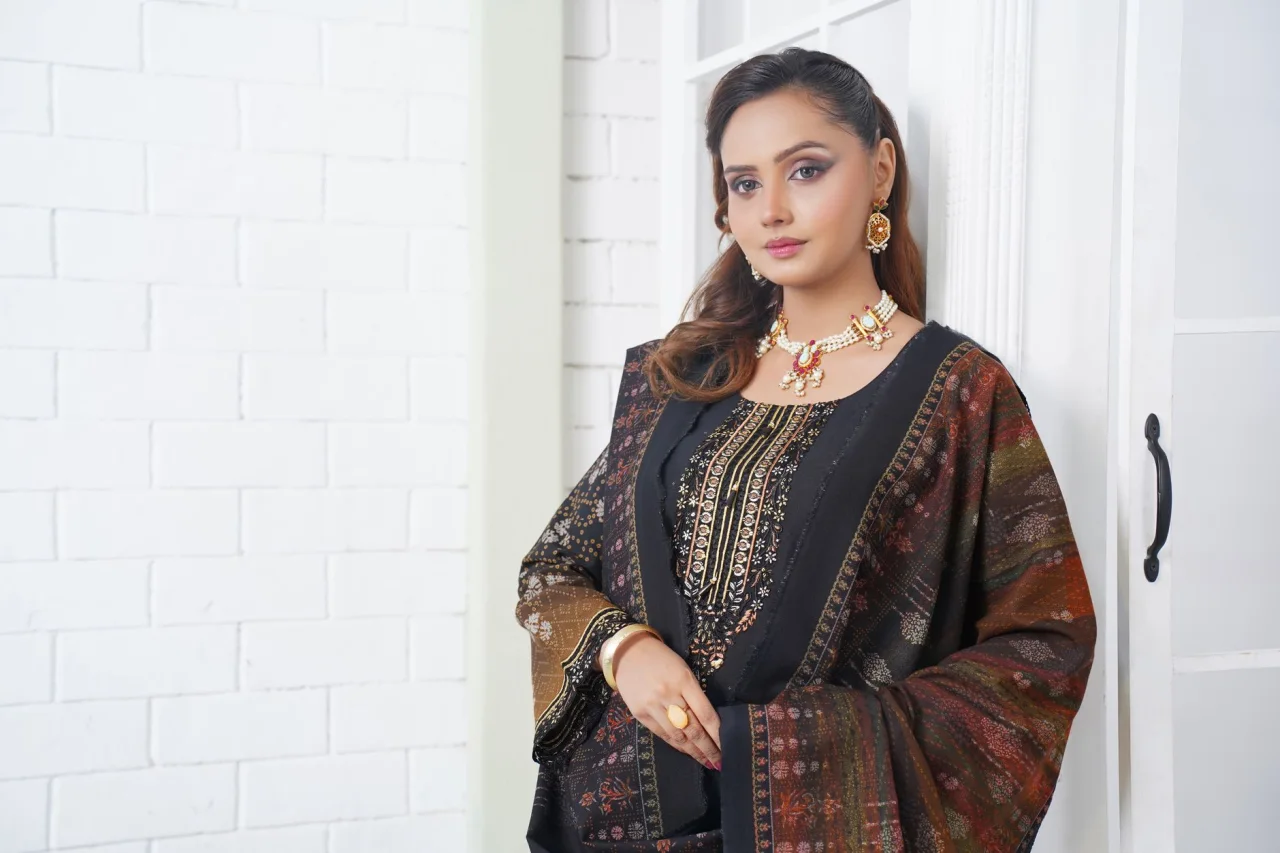
A designer suit is a South Asian salwar kameez or suit created by a named fashion label or couturier, where the value comes from the design vision, the quality of fabric and finish, and the craftsmanship, not simply from the fabric alone. The word designer signals a level of styling, tailoring and detailing rather than a specific silhouette. This guide explains what actually makes a suit designer, how it differs from an ordinary suit, who the notable names are and how to judge whether one is worth the price.
The short version
- A designer suit is defined by the label, design and finish, not by fabric type.
- It can be cotton, silk, net or velvet; the craftsmanship is what sets it apart.
- Ready to wear designer lines are more affordable; couture and bridal pieces are the most expensive.
- Judge fabric, tailoring, embroidery quality and finishing rather than the logo alone.
What makes a suit a designer suit
Every South Asian suit shares the same building blocks: a kameez, a lower and usually a dupatta. A designer suit is distinguished by who conceived it and how it is made. It carries a design signature: a particular silhouette, colour story, print or embroidery placement, and a standard of tailoring and finishing that a mass produced suit may not match. In short, the design and execution are the product, not just the cloth. Because of this, a designer suit can be made in humble cotton or in rich velvet; what matters is the vision and the quality behind it. For the base garment itself, see our guide to the salwar kameez.
Designer, embroidered and cotton: how the terms overlap
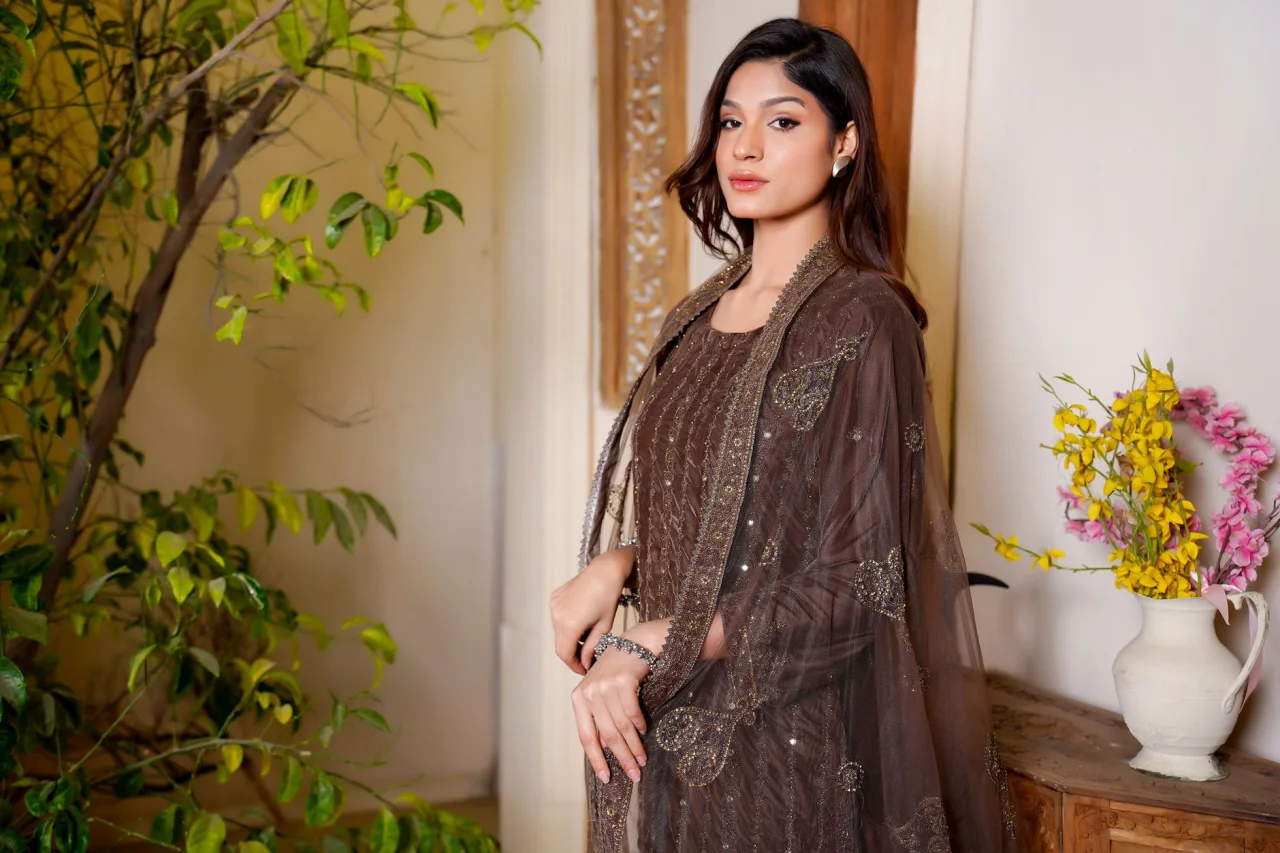
These labels describe different things and often overlap on the same suit:
- Cotton describes the fibre. A designer suit can be cotton. Our cotton suit guide covers the fabric.
- Embroidered describes the decoration. Many designer suits are heavily embroidered, but embroidery alone does not make a suit designer. See the embroidered suit guide.
- Designer describes the label and level of finish. It sits on top of the other two: you can have a designer cotton suit or a designer embroidered suit.
Ready to wear versus couture
Designer suits come at very different levels:
- Diffusion and ready to wear lines: a label's more affordable, standard sized range. You get the design sensibility at a lower price.
- Made to order: a design adjusted to your measurements and preferences.
- Couture and bridal: one off or highly customised pieces with the most intensive craftsmanship, and the highest prices.
Notable designers and labels
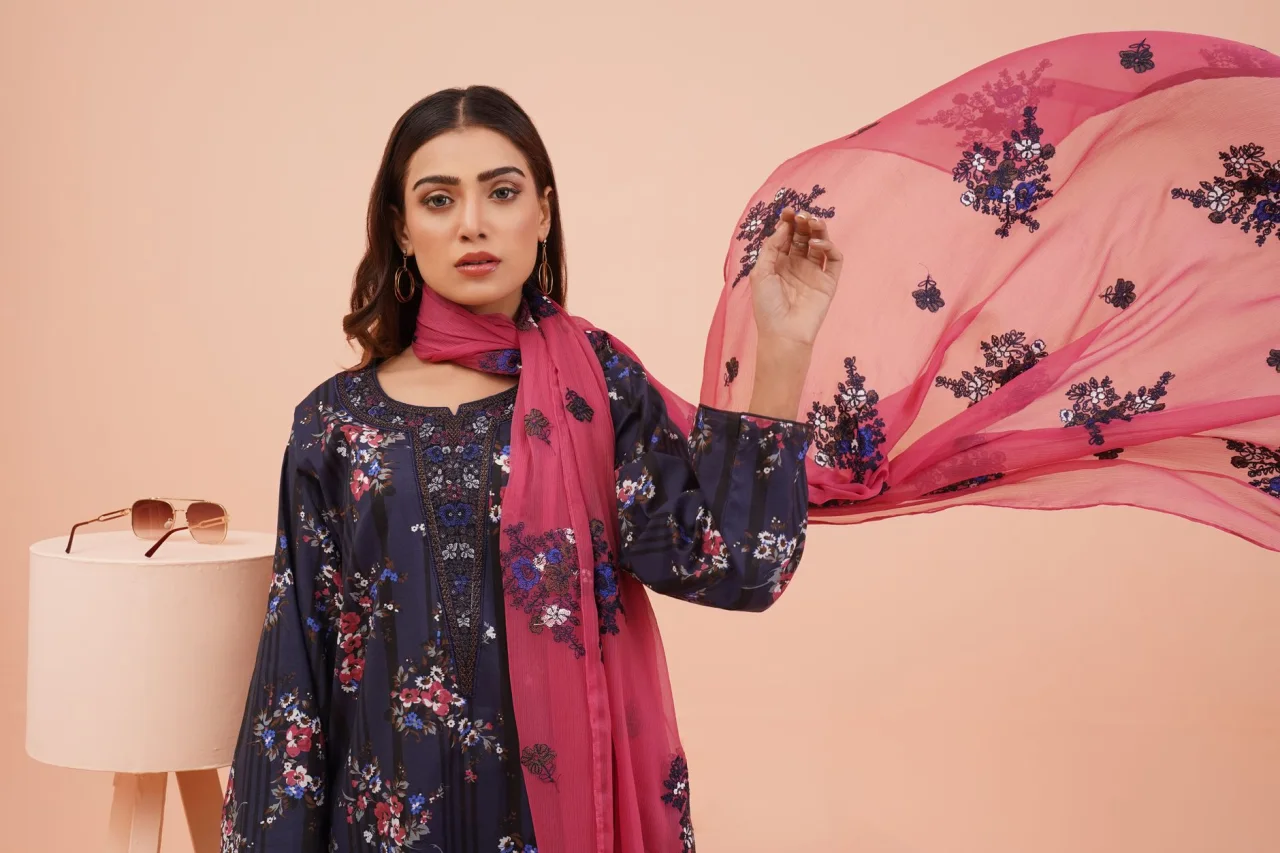
South Asia has a deep bench of designers. A few verified examples show the range of what designer means:
- Sabyasachi Mukherjee is an Indian fashion designer and couturier born in Kolkata in 1974 who established his eponymous label in 1999. As his Wikipedia profile notes, his work centres on bridal wear and haute couture and draws on classical Indian textile methods such as bandhani, gota work and block printing.
- Anita Dongre is an Indian fashion designer and the founder of the House of Anita Dongre, which includes her signature label alongside brands such as AND and Global Desi, a boho chic line inspired by the folk tales of India, per her Wikipedia entry. She is also known for not using leather or cashmere in her designs.
These are illustrative, not a ranking, and there are many other respected labels across India and Pakistan. Prices, collections and availability change constantly, so always check a brand's official channels for current pieces and pricing.
Buyer tip
A designer signature is not a guarantee on its own. Inspect the actual suit: even seams, clean finishing inside, secure embroidery with no loose threads, and a fabric that feels right for the price. Good execution is what you are really paying for.
Who is a designer suit for?
Designer suits suit anyone who wants a distinctive look and is willing to pay for design and finish, whether for a wedding, a milestone event or simply as a wardrobe investment. Ready to wear designer lines make the aesthetic accessible for everyday and festive wear, while couture is reserved for weddings and headline occasions. If you are dressing for a big event, our bridal dresses guide and wedding guest ideas help you decide how much to invest.
Designer suits versus the high street and replicas
Between true designer pieces and basic suits sits a large middle ground, and it pays to understand it. High street and high volume brands offer designer inspired suits at accessible prices, giving you current silhouettes and prints without the couture cost or the individual attention. Separately, the market is full of replicas, described as designer inspired or as copies of a named collection. These can look similar in a photograph but often use cheaper fabric, thinner lining and machine embroidery that flattens quickly. There is nothing wrong with buying an affordable inspired piece if it is sold honestly, but be wary of replicas presented as the genuine article at a suspiciously low price. When authenticity matters, buy from the brand directly or an authorised stockist, and treat the finishing, not the label print, as your evidence.
How a designer suit differs from a regular suit
- Design originality: a considered silhouette, colour and detailing rather than a generic template.
- Fabric and finish: better quality cloth and neater construction and lining.
- Craftsmanship: often finer or hand done embroidery and careful placement.
- Price and exclusivity: higher cost, sometimes limited runs or made to order.
The flip side is that not everything marketed as designer earns the name. The word is sometimes used loosely, which is why inspecting the garment matters more than the label.
How to judge if a designer suit is worth it
- Check the fabric: does it feel appropriate for the price and drape well?
- Turn it inside out: are the seams clean, finished and lined where needed?
- Inspect embroidery: is it secure, even and free of loose or trailing threads?
- Assess the cut: does the silhouette look intentional and flatter the body?
- Confirm authenticity and current pricing directly with the brand or an authorised seller.
What does a designer suit cost?
Prices span a very wide range. Diffusion and ready to wear designer lines sit at the more accessible end, made to order pieces cost more, and couture or bridal work reaches the top of the market. The exact figures depend on the label, the fabric, the amount and type of embroidery and whether the piece is customised, and they shift by season and region. Never rely on a quoted number without checking the brand's current pricing. For a structured way to weigh fit, fabric and price together, see our buying guide.
Caring for a designer suit
A designer suit is an investment, so treat it accordingly. Follow the label's care instructions rather than assumptions, since fabric and embroidery vary widely between pieces. Dry clean heavily embellished, metallic or couture suits to protect the work, and store them in a breathable garment bag with tissue between embroidered layers so beads and sequins do not snag. Air the suit after wearing before putting it away, keep it out of direct sunlight to preserve colour, and address loose threads or beads promptly before they spread. Good care keeps a well made designer piece looking its best for years, which is part of what justifies the higher price in the first place.
Frequently asked questions
What is a designer suit?
A designer suit is a South Asian suit created by a named fashion label or couturier, where the value comes from the design vision, quality of fabric and finish, and craftsmanship rather than from the fabric alone. It signals a level of styling and tailoring, not a specific silhouette.
What is the difference between a designer suit and a normal suit?
A designer suit offers original design, better fabric and finishing, finer craftsmanship and often limited availability, at a higher price. A normal suit follows more generic templates and mass production. Inspecting the actual garment matters more than the label.
Are designer suits always embroidered?
No. Many designer suits are embroidered, but some rely on cut, print, fabric and finish instead. Embroidery describes decoration, while designer describes the label and level of finish, so the two are separate qualities.
Are designer suits worth the money?
They can be, when the fabric, tailoring and embroidery genuinely match the price. Check the seams, lining, stitching and cut, and confirm authenticity and current pricing with the brand. A logo alone does not guarantee quality.
Can a designer suit be made of cotton?
Yes. Designer refers to the label and craftsmanship, not the fibre, so designer suits are made in cotton, silk, net, velvet and blends. A well made designer cotton suit can be both comfortable and distinctive.
More on Clothing Types
Have a question or a topic to suggest?
We read every message. Tell us what you would like to see next in the journal.
Get in touch