What Is Georgette? A Guide
The drapey crepe fabric behind flowing saris and gowns: how it is made, what it does best, and how to keep it.
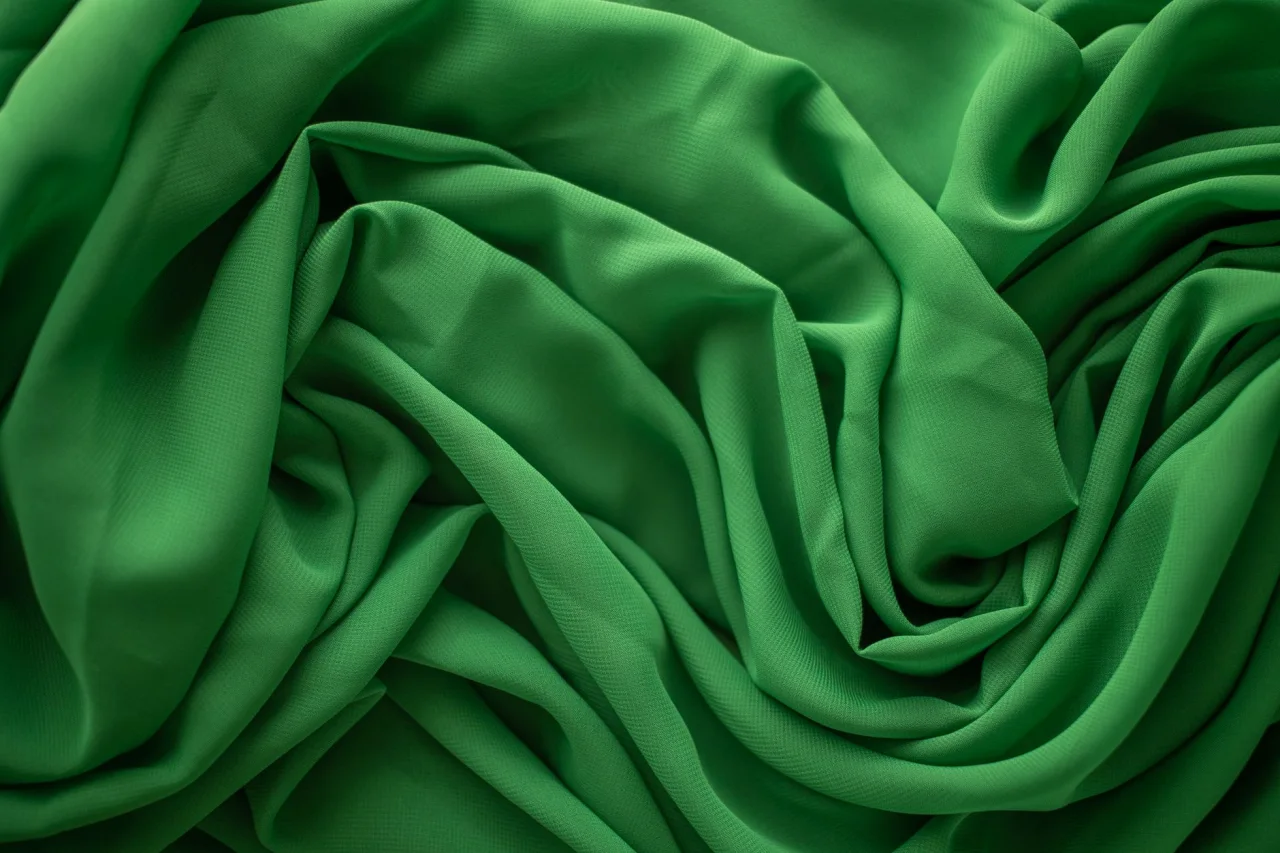
Georgette is the fabric behind that effortless, liquid drape you see on saris, gowns, and flowing dupattas. It moves with the body, hides lumps and bumps, and takes bold prints beautifully, which is why it is a wardrobe workhorse for both everyday and dressy desi wear. This guide explains what georgette is, how its crinkled crepe surface behaves, where it shines, and how to keep it looking its best.
The short version
- Georgette is a sheer, lightweight crepe with tightly twisted yarns that give it a slightly grainy, crinkled surface.
- It drapes fluidly and has a soft, dull finish, less shiny than chiffon but with more body.
- It suits flowing styles: saris, gowns, dupattas, and gathered kameez rather than structured tailoring.
- It is fairly forgiving to care for, but synthetic versions still need gentle washing and low-heat ironing.
What georgette actually is
Georgette is a sheer, lightweight, dull-finished crepe fabric. What sets it apart is the yarn: it is woven from highly twisted yarns, with the twists alternating in S and Z directions in both the warp and the weft. Those tightly twisted threads pull against each other slightly once woven, creating georgette's signature crinkled, faintly grainy surface and its springy, elastic hand.
That crepe construction is why georgette drapes the way it does, in soft, fluid folds rather than crisp pleats, and why it appears less lustrous than the closely related chiffon. It is a subtle, matte fabric with movement, not a shiny one. You can read the documented background on Wikipedia's georgette page.
Where the name comes from
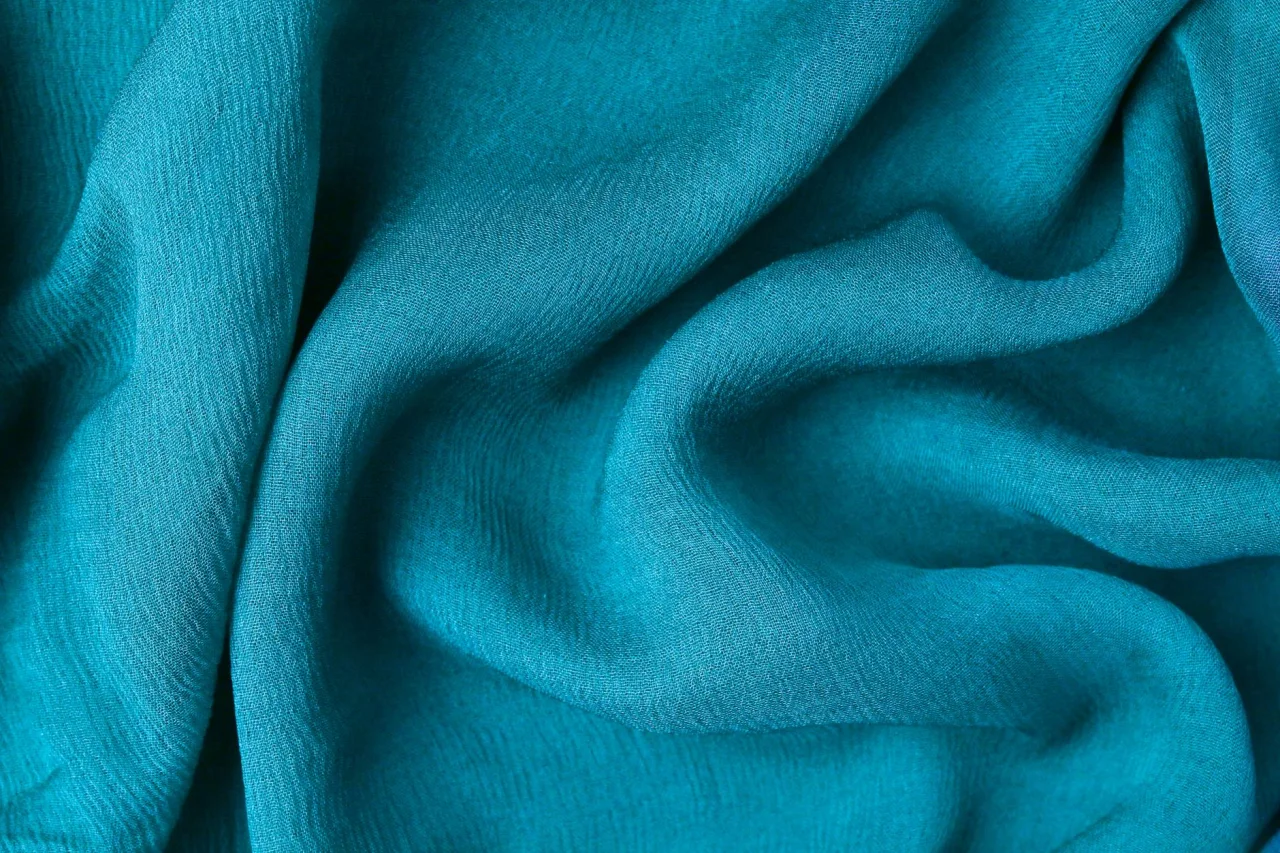
Georgette is named after Georgette de la Plante, an early twentieth-century French dressmaker. The fabric became popular in Western fashion from the 1920s onward, appearing in blouses, dresses, and evening gowns, and it travelled easily into South Asian dress, where its drape made it a natural fit for saris and flowing formals. Understanding that lineage helps explain why georgette sits so comfortably in both Western gowns and desi silhouettes today.
The fibres georgette is made from
Georgette is defined by its crepe weave of twisted yarns, not by a single fibre, so what it is made of affects softness, price, and durability.
- Silk georgette: The original and the most luxurious, with a soft hand and a gentle glow. It is delicate and carries a higher price.
- Polyester and synthetic georgette: Now very common. Synthetic versions offer greater durability and are more affordable and colour-fast, which makes them the everyday choice.
- Viscose and blends: A middle ground, softer than pure polyester with a fluid drape.
Buying tip: Scrunch a corner of the fabric in your fist and release it. Good georgette springs back with few creases thanks to its twisted yarns, whereas a limp, heavily creasing cloth is a lower grade. Hold it to the light too: georgette is sheer, so you will see how much it needs lining.
How georgette behaves on the body
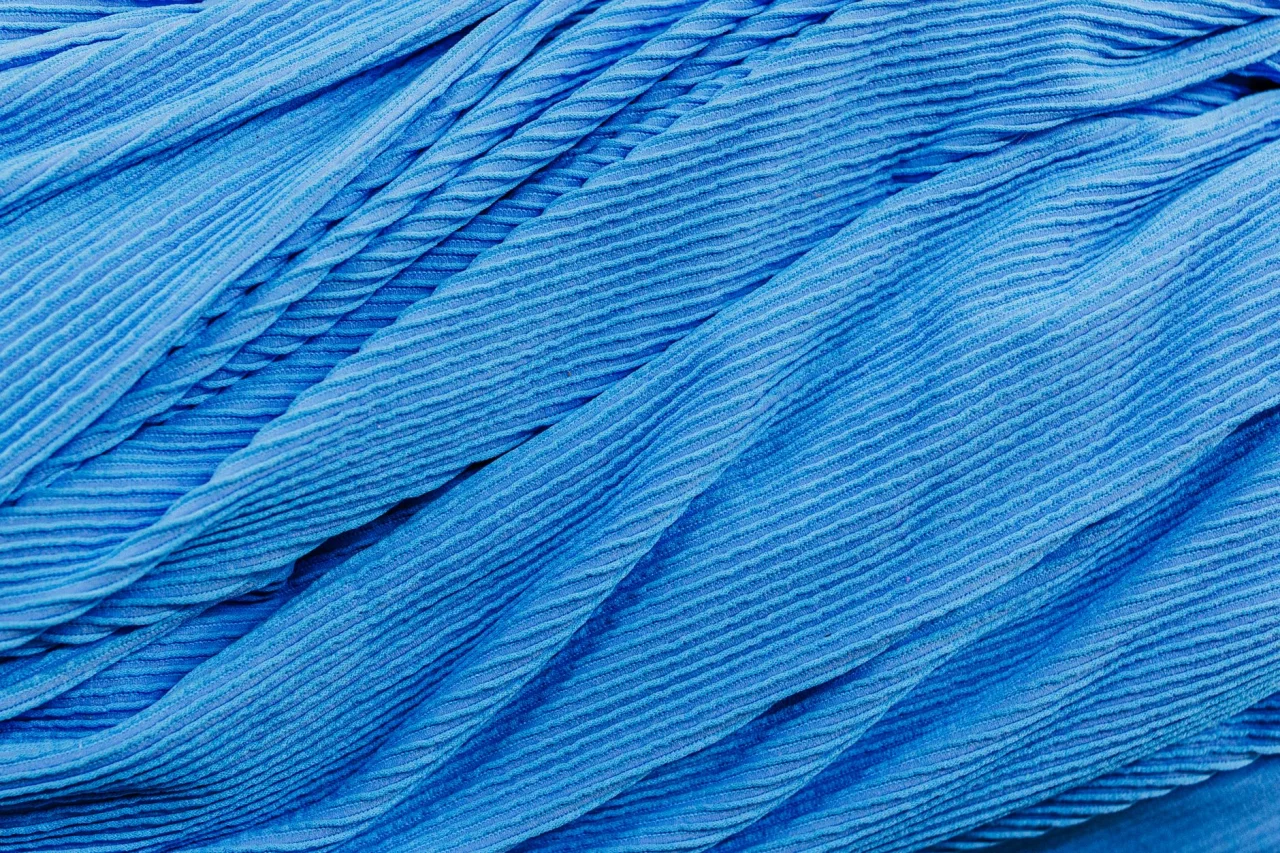
Georgette has a very light, drapey hand. It is sheer and flows in soft folds, so it skims the body and creates graceful movement rather than holding a rigid shape. Its slightly crinkled surface gives it a little more body and grip than silky-smooth chiffon, which makes it a touch easier to drape and stitch. Because it is see-through, georgette garments are usually lined or worn over a slip.
The fabric is also forgiving to wear. Its fluid drape glides over the figure and its matte, textured surface is flattering in photographs. Its lightweight, flowing properties make it far better suited to loose, gathered garments than to structured, tailored pieces.
Where georgette shines in Pakistani wear
Georgette is versatile, at home in both daily and dressy wear thanks to its drape and its appetite for print.
- Saris and sari gowns: Georgette's fluid fall makes it a classic sari fabric that pleats and drapes beautifully.
- Flowing gowns and maxis: Its drape suits full-length gowns and anarkalis that need graceful movement.
- Dupattas: A printed or embroidered georgette dupatta is light, easy to drape, and endlessly versatile.
- Gathered and A-line kameez: Georgette flatters softly gathered shirts and flared frocks.
- Printed daywear: The matte surface holds digital and block prints crisply, making it a favourite for printed suits.
For a full walk through of silhouettes and embellishments, see our companion guide on georgette outfits and what sews and styles best.
Georgette versus chiffon
The comparison you will hear most is georgette against chiffon, because the two are close cousins. Both are sheer crepes made from twisted yarns, but georgette is slightly heavier, more textured, and less shiny, with a bit more grip, while chiffon is lighter, smoother, and more transparent. Our chiffon vs georgette comparison covers exactly when to pick each, and if you want the chiffon fundamentals first, read what chiffon is, its properties, uses, and care. For a crisper sheer with body rather than drape, look instead at organza.
Why georgette is a printer's favourite
One of georgette's quiet strengths is how well it carries print, which is a big reason it dominates ready-to-wear suits and dupattas. Its matte, faintly textured surface holds colour without the glare of a shiny fabric, so digital prints, block prints, and floral motifs read crisply rather than washing out under light. The fluid drape then keeps those prints moving on the body, so a printed georgette dupatta or kameez looks alive rather than flat.
The crepe surface also hides minor imperfections. Small creases, seam lines, and the everyday wrinkles that would show on a smooth satin tend to disappear into georgette's grain, which is part of why it travels and wears so well. For printed daywear and easy festive pieces, that combination of print clarity and low-maintenance surface is hard to beat.
Georgette across the seasons
Georgette is one of the more season-flexible fabrics in the desi wardrobe, though the fibre matters.
- Summer and warm evenings: Its lightweight, drapey hand keeps fabric off the skin, which helps in heat. Silk and viscose georgette breathe better than pure polyester, so favour those for hot daytime wear.
- Transitional weather: A georgette kameez or sari suits mild spring and autumn days beautifully, layered or worn alone over a light slip.
- Winter formals: Georgette is thin, so for cold-weather events it is often used as a flowing top layer over warmer linings, or reserved for indoor, heated settings.
How to care for georgette
Georgette is more forgiving than delicate silks, but it still rewards gentle handling, especially in its silk and finer forms.
- Dry clean silk and embellished georgette. Silk georgette and any piece with beadwork or heavy embroidery is safest at a trusted dry cleaner.
- Hand wash synthetic georgette gently. Use cool water and a mild detergent, swish rather than scrub, and never wring, which distorts the twisted yarns. Press water out gently.
- Iron on low with a cloth. Synthetic georgette can scorch or melt under high heat. Use a low setting, ideally with a pressing cloth, or steam lightly. The crepe surface hides minor creases anyway.
- Dry in shade. Hang it to dry away from direct sun, which can fade colours and weaken fibres over time.
- Store on hangers. Georgette resists creasing well, so hanging keeps drapey pieces ready to wear.
Styling note: Because georgette is sheer and fluid, let it flow. Choose soft, draped silhouettes over stiff structured cuts, plan a well-matched lining, and add a defined waist or a border if you want a little shape without fighting the fabric's natural fall.
Frequently asked questions
What is georgette fabric?
Georgette is a sheer, lightweight, dull-finished crepe fabric woven from highly twisted yarns that alternate in S and Z directions. Those twists give it a slightly crinkled, grainy surface, a soft matte finish, and a fluid drape. It was originally made from silk and is now widely produced in synthetics too.
What is the difference between georgette and chiffon?
Both are sheer crepes made from twisted yarns, but georgette is slightly heavier, more textured, and less shiny, with a bit more grip and body. Chiffon is lighter, smoother, and more transparent. Georgette is a little easier to drape and stitch, while chiffon feels more delicate and airy.
Is georgette see-through?
Yes, georgette is sheer, so garments made from it are usually lined or worn over a slip. Its crinkled crepe surface makes it slightly less transparent than smooth chiffon, but it still needs an underlayer for coverage in most outfits.
Is georgette good for summer?
Georgette is lightweight and drapes away from the body, which helps in warm weather, but synthetic versions are less breathable than natural fabrics like cotton or lawn. Silk and viscose georgette breathe better. For peak heat, lighter natural fabrics are cooler, though georgette works well for dressy summer occasions.
How should I wash georgette?
Dry clean silk or embellished georgette. For synthetic georgette, hand wash gently in cool water with a mild detergent, avoid wringing, iron on low with a pressing cloth or steam lightly, and dry in shade. The twisted-yarn crepe surface resists creasing, so it stays neat with minimal effort.
More on Fabrics
Have a question or a topic to suggest?
We read every message. Tell us what you would like to see next in the journal.
Get in touch