Desi Fashion Trends 2026: In and Out
The craft, cuts and colours winning in 2026, the ones fading, and how to follow them affordably.
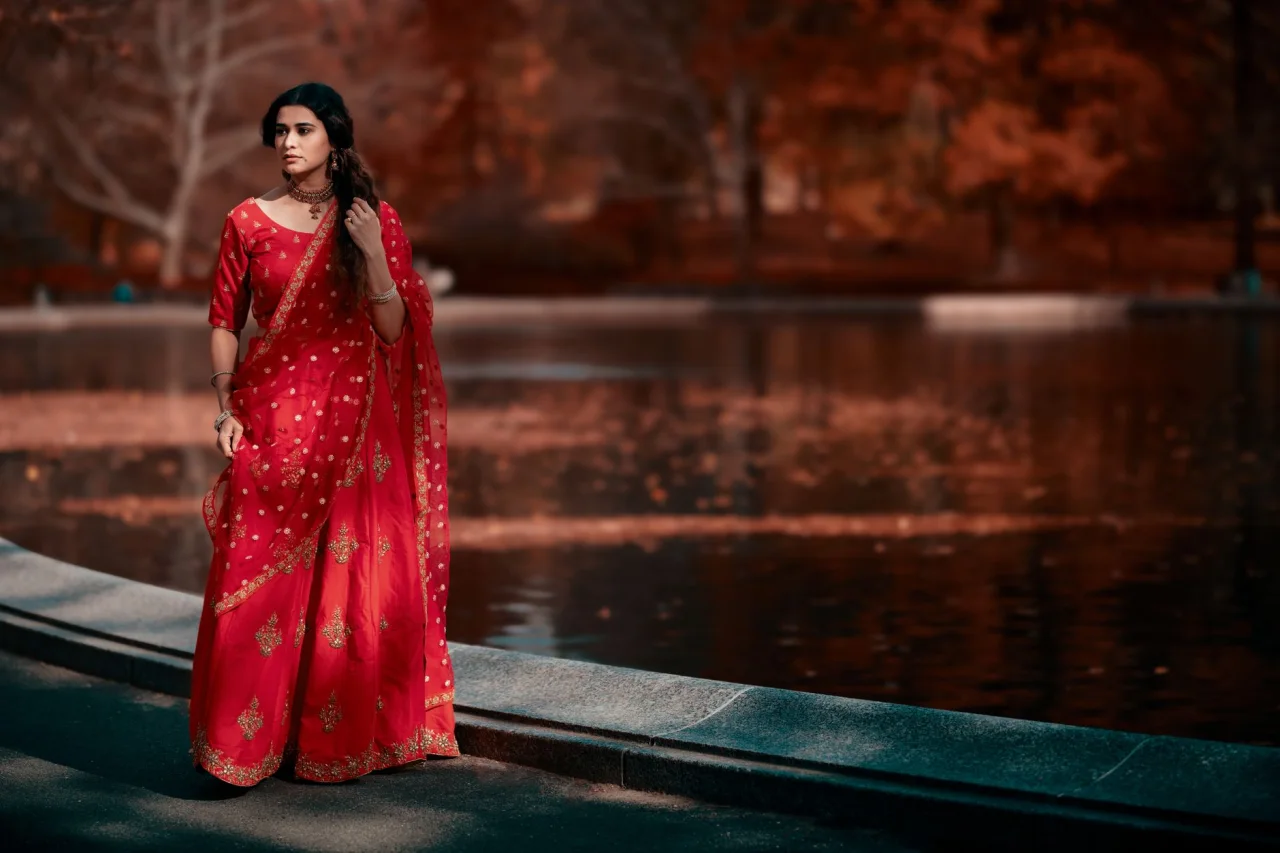
Desi fashion is the shared wardrobe of South Asia and its diaspora: the sarees, lehengas, shalwar kameez, kurtas and anarkalis that shift with each season without ever losing their roots. This 2026 read is an honest trend map, not a leaderboard. It tracks the directions gaining real ground, the ones quietly fading, and how to wear any of them without overspending.
The short version
- Craft is the headline: handloom weaves, chikankari and thread work are winning over flat, mass-produced sparkle.
- Silhouettes are getting fluid and comfortable: relaxed anarkalis, co-ord sets and easy straight cuts over stiff, structured shapes.
- Colour is confident but wearable, with tonal and earthy palettes sharing space with a few bold statement brights.
- The smartest way to follow a trend is to borrow one element, not a whole look, and build it around clothes you already own.
What "desi fashion" covers in 2026
Desi fashion is an umbrella, not a single style. It stretches across India, Pakistan and Bangladesh, and travels with families to the UK, the Gulf, North America and beyond. Under that umbrella sit regional traditions that rarely go out of style: the drape of a saree, the flare of a lehenga choli, the everyday ease of the shalwar kameez, which is the national dress of Pakistan and widely worn across the subcontinent according to its Wikipedia entry.
Because the base garments are so enduring, "trends" here are less about reinventing the wheel and more about which cuts, fabrics, colours and craft techniques feel current this year. If you want the sharper, market-specific view, our companion piece on Pakistani fashion trends zooms in on lawn, luxury pret and local labels, while this guide keeps the wider desi lens.
What is in: directions gaining real ground
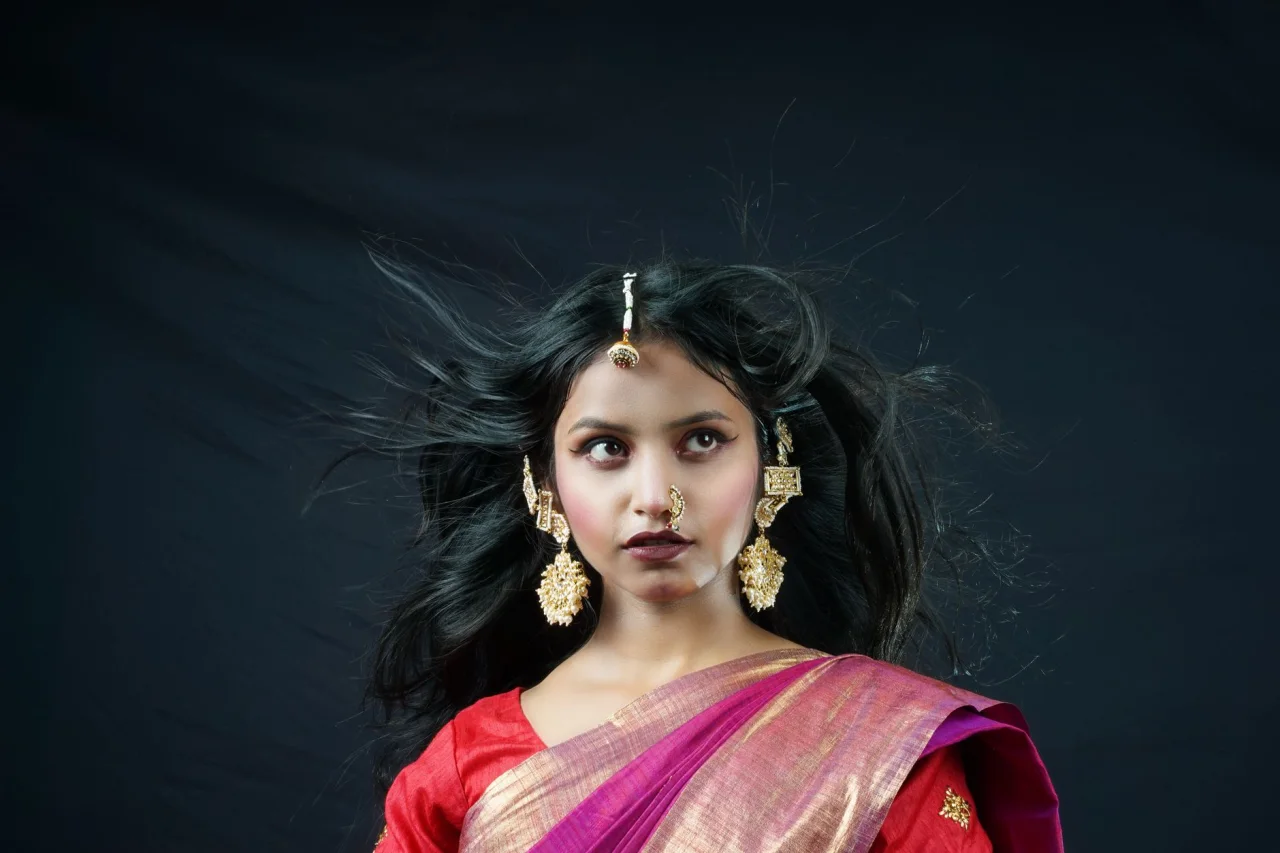
These are the moves showing up consistently on runways, on well-dressed people and in what stores are actually stocking, rather than one-off gimmicks.
- Handwork you can trace with a fingertip: chikankari, resham thread work, gota and mirror accents are edging out heavy machine sequins. The appeal is texture and depth rather than shine.
- Relaxed, fluid silhouettes: softer anarkalis, straight kurtas, palazzo and sharara pairings, and unstructured co-ord sets that move with you.
- Tonal and earthy palettes: ivory, sand, olive, rust and muted jewel tones, styled head to toe, alongside a single confident statement brights per outfit.
- Fusion done lightly: a kurta with tailored trousers, a saree with a shirt-style blouse, or a lehenga skirt with a simple top, kept balanced rather than costume-y.
- Repeatable festive dressing: occasion clothes designed to be re-worn and restyled instead of single-use showpieces.
What is out: quietly fading
Nothing here is a hard rule, and personal taste always wins. But these are the looks losing momentum in 2026.
- All-over heavy sequins on synthetic bases: the flat, mass sparkle that photographs loud and feels stiff to wear.
- Over-accessorising a traditional look: matching every jewellery piece, bag and shoe to one shade so the outfit reads as a costume rather than a wardrobe.
- Ultra-tight, restrictive tailoring: gowns and kurtas so fitted they limit movement, giving way to cuts you can actually sit and dance in.
- Fast, throwaway festive pieces: low-quality embroidery that sheds and seams that fail after one wear.
Styling note: A trend fades fastest when it is loud and hard to re-wear. When you are unsure whether something will date, ask whether you would happily wear it a second and third time. If the answer is no, it is probably a passing novelty rather than a real trend.
Fabrics and craft leading the shift
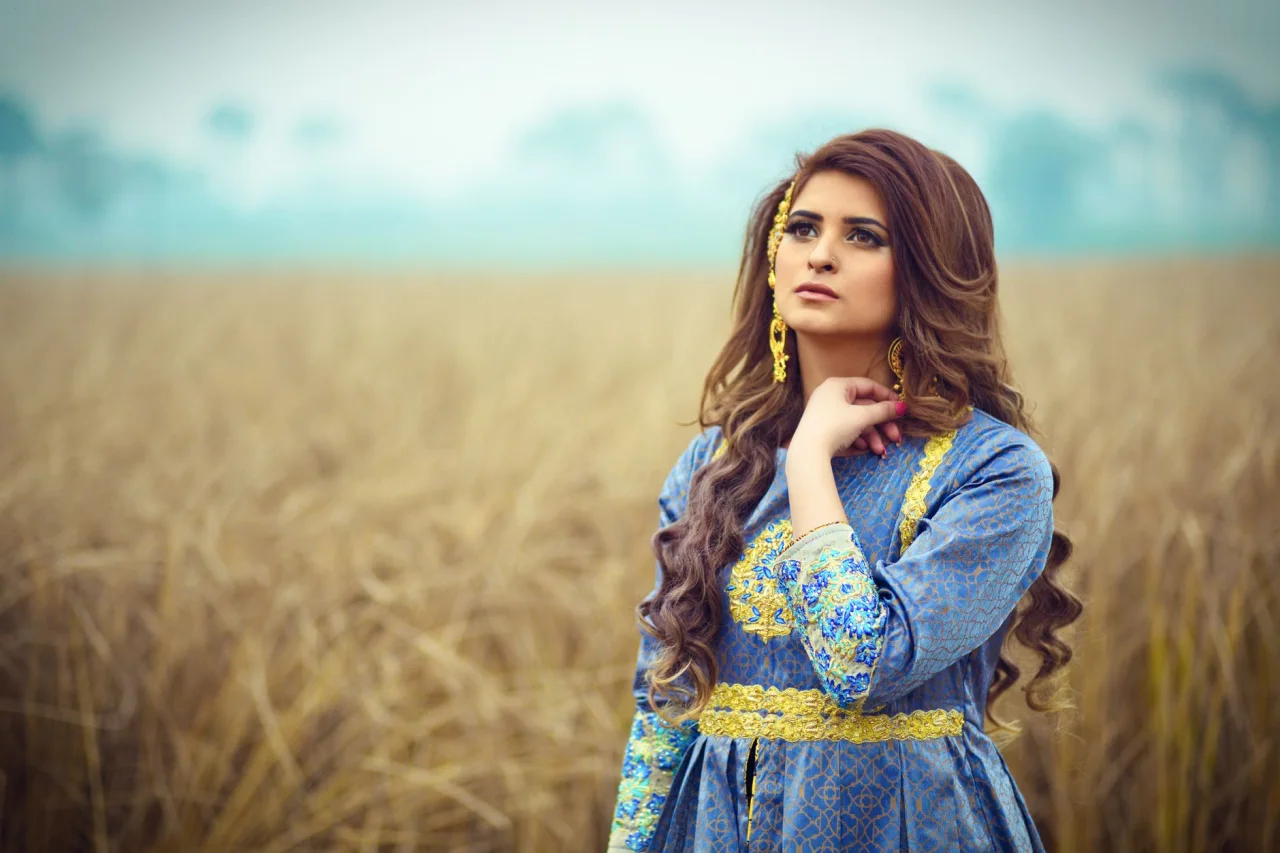
The clearest signal of the 2026 mood is a move toward natural fabrics and traceable craft. Cotton, lawn, linen, khaddar and pure silks are favoured for how they breathe and age, while heavy synthetics feel increasingly dated. On the surface, hand embroidery is the quiet luxury of the moment.
Chikankari is a good example of craft over flash. Genuine hand chikankari uses many distinct stitches to create shadow and open-work effects that printed imitations cannot match, as our guide to spotting quality chikankari explains. If you are building a fabric-first wardrobe, our roundup of the best fabrics for hot weather is a useful starting point.
Silhouettes to watch
If you shop by shape, these are the cuts carrying the year.
- Soft anarkali: a flowing, floor-skimming frock silhouette that flatters most bodies and needs little accessorising.
- Co-ord sets: a matched top and bottom, often with a light dupatta, that reads as a considered outfit with zero effort.
- Straight and A-line kurtas: the everyday backbone, easy to dress up or down.
- Sharara and gharara pairings: flared and pleated leg shapes that bring drama without a heavy skirt.
For a deeper look at two of these, our explainers on the anarkali suit and the co-ord set break down cut, styling and occasion.
How to adopt a trend affordably
You do not need a new wardrobe to look current. The most sustainable way to follow desi trends is to add one on-trend element to clothes you already own.
- Restyle before you shop: a new dupatta drape or a tonal colour pairing can refresh an old kurta for free. Our guide to styling a dupatta like a fashion expert is a good place to start.
- Buy the base, not the gimmick: invest in a well-cut, good-fabric piece and let accessories carry the trend.
- Choose unstitched when it makes sense: having fabric tailored to your measurements often gives a better fit than off-the-rack, as our comparison of ready to wear versus unstitched explains.
- Judge quality over branding: check stitching, embroidery density and fabric hand before the label.
Trends by occasion
Trends land differently depending on where you are going.
- Everyday: breathable cotton and lawn kurtas in solids and small prints, styled with minimal jewellery.
- Office: tailored straight kurtas and co-ords in muted tones with quiet self-textures.
- Festive: craft-led pieces such as chikankari, gota and thread work over flat sequins.
- Weddings: for the bigger events, our 2026 wedding trends guide covers bridal and guest directions in detail.
A note on honesty about trends
Trend reports are easy to fake with invented statistics and fabricated bestseller lists. This one deliberately avoids that. There is no single authority on what "all of desi fashion" is wearing, so treat any confident year-by-year forecast, including this one, as informed observation rather than fact. The most reliable signals are simple: what quality makers are producing, what breathes and lasts, and what you feel good wearing more than once. For the street-level view of how these ideas actually get worn, our take on street style in 2026 is a helpful companion.
Frequently asked questions
What are the biggest desi fashion trends for 2026?
The clearest directions are craft-led surfaces such as chikankari and thread work over heavy sequins, fluid and comfortable silhouettes like soft anarkalis and co-ord sets, tonal and earthy palettes, and light fusion pairings. Natural fabrics that breathe and age well are strongly favoured over stiff synthetics.
What desi fashion looks are going out of style?
All-over heavy sequins on synthetic bases, over-matched accessorising that makes an outfit look like a costume, ultra-tight restrictive tailoring, and low-quality throwaway festive pieces are all losing momentum. Personal taste still matters most, so wear what suits you.
How can I follow desi trends without spending a lot?
Add one on-trend element to clothes you already own rather than buying whole new outfits. Restyle with a new dupatta drape or colour pairing, invest in a well-cut base piece, consider unstitched fabric tailored to your measurements, and judge quality over branding.
Are natural fabrics really trending, or is that just marketing?
There is a genuine, ongoing shift toward cotton, lawn, linen, khaddar and pure silks because they breathe, soften with wear and feel better than heavy synthetics. It aligns with wider slow-fashion thinking, though no fabric or brand is automatically sustainable, so judge each piece on its own merits.
Should I trust "trending in 2026" lists?
Treat them as informed observation, not fact. No single source speaks for all of desi fashion, and lists with precise sales figures or ranked bestsellers are usually invented. The reliable signals are what quality makers produce, what lasts, and what you would happily wear more than once.
More on Fashion Trends
Have a question or a topic to suggest?
We read every message. Tell us what you would like to see next in the journal.
Get in touch