What Is a Co-Ord Set?
What a co-ord set is, where the matched-set idea comes from, the main types, and how to choose and wear one with confidence.

A co-ord set is one of the easiest ways to look pulled together without any styling effort, because the outfit is already coordinated for you. This complete guide explains what a co-ord set is, where the matched-set idea comes from, the main types you will see, how it differs from a kurta set or a salwar kameez, and how to choose and wear one with confidence.
The short version
- A co-ord set is two or more separate pieces, usually a top and a bottom, made to be worn together in matching or deliberately paired fabric, colour or print.
- Unlike a stitched dress, the pieces come apart, so you can also mix each one into the rest of your wardrobe.
- Desi co-ords range from relaxed cotton lounge sets to embroidered festive kurta-and-pant duos and structured office pairings.
- Price varies widely by fabric, work and retailer, so treat any figure as a rough range and confirm current pricing before you buy.
What a co-ord set actually is
Co-ord is short for coordinate, and a co-ord set simply means a group of garments designed to be worn as a unit. The most common version is a two-piece: a top paired with trousers, a skirt or shorts, cut from the same fabric or built around the same colour story and print. The defining feature is that the pieces are separate. You put on a top and a bottom rather than stepping into a single stitched dress.
That separateness is the whole point. Because a co-ord arrives pre-matched, you skip the guesswork of pairing colours and proportions, yet each piece can also be split off and restyled on its own. A printed co-ord top can go with plain jeans, and the matching trousers can sit under a solid kurti another day. In desi fashion the format spans everything from breezy summer cotton to heavily embroidered occasion wear.
Where the matched-set idea comes from
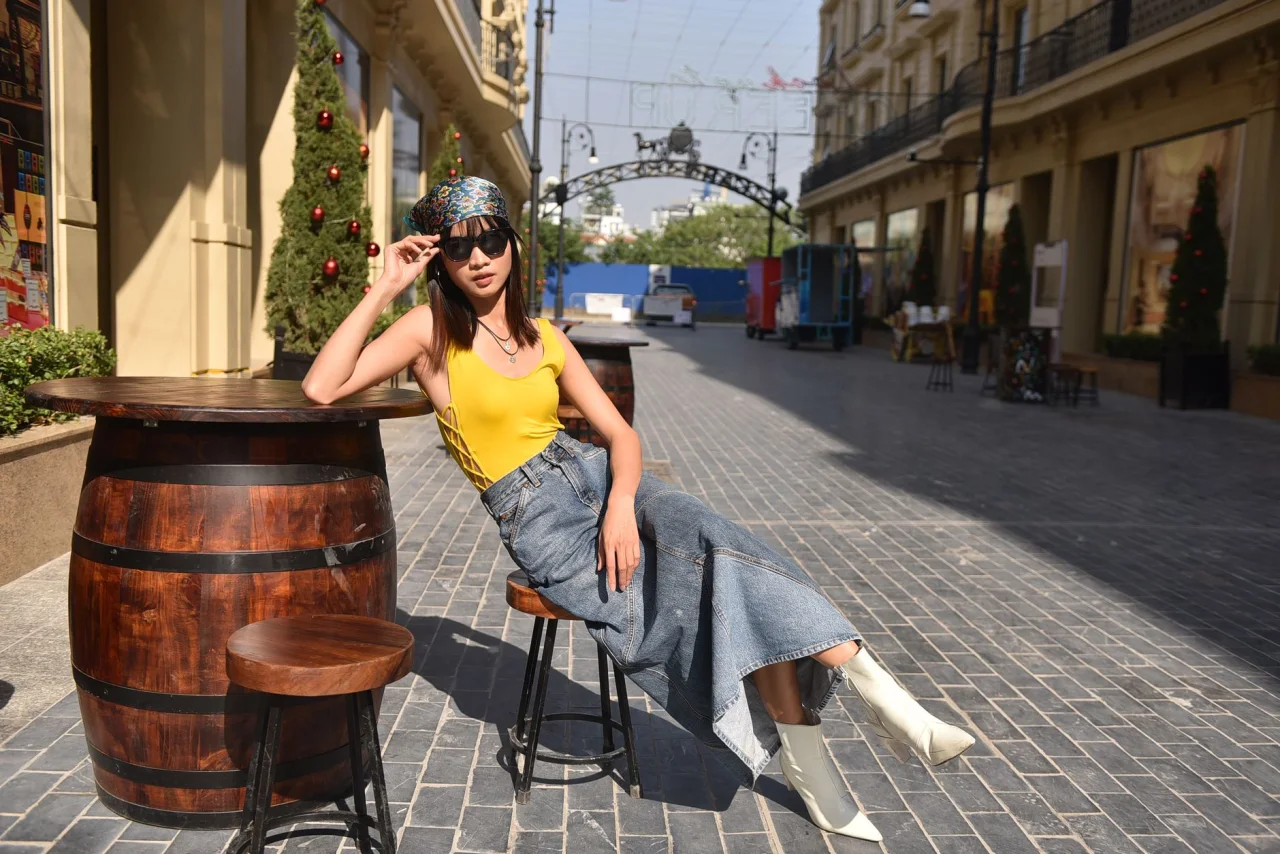
Matching a top and a bottom is not a new idea in South Asia. The shalwar kameez, worn across Pakistan, India and Afghanistan, pairs a long tunic (kameez) with loose trousers (shalwar) as a deliberate set, often in coordinated fabric. The kurta worn with matching bottoms follows the same logic. So while the word co-ord feels modern and Western, the desi wardrobe has treated coordinated separates as normal for a very long time.
What is genuinely newer is the label and the wider range of shapes. Contemporary co-ord sets borrow relaxed silhouettes, crop-and-trouser proportions and lounge-friendly fabrics from global fashion, then fold them back into desi prints and embroidery. The result is a category that sits comfortably between traditional stitched suits and casual Western separates.
The anatomy of a co-ord set
Most co-ord sets are built from a small, predictable set of parts. Knowing the vocabulary makes shopping far easier.
- The top: this can be a short kurti, a crop top, a shirt, a peplum or a longer tunic, depending on how covered or relaxed you want the look.
- The bottom: commonly straight or wide trousers, cigarette pants, palazzos, a skirt or occasionally shorts for casual sets.
- A third piece (optional): some festive co-ords add a matching dupatta, jacket or shrug, nudging the set closer to a full suit.
- The unifying element: a shared print, a repeated colour or the same fabric ties everything together and makes it read as one outfit.
Styling note: The fastest way to tell a co-ord from random separates is the deliberate link between pieces. If the print, trim or fabric clearly repeats top and bottom, it is a co-ord.
The main types of co-ord set
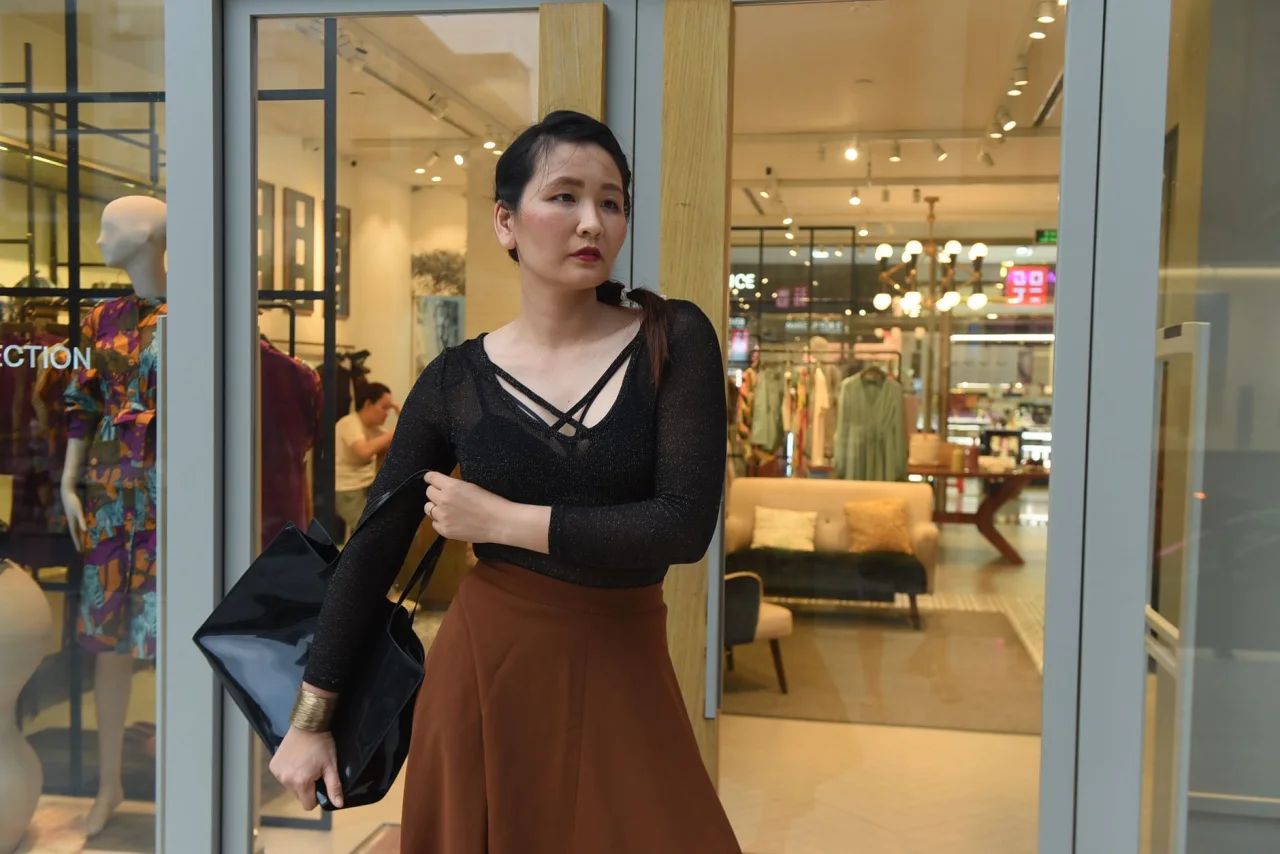
Co-ords are usually grouped by how dressy they are and by silhouette. These are the categories you will meet most often.
- Casual cotton co-ords: breathable everyday sets in cotton or lawn, often a short kurti with straight pants, ideal for heat and daytime wear.
- Lounge and travel co-ords: soft, relaxed sets in knit or viscose that feel like loungewear but look intentional enough to leave the house.
- Office and smart co-ords: structured sets in a tailored top and clean trousers, a low-effort way to look polished at work.
- Festive and embroidered co-ords: richer fabrics with zari, thread or mirror work, sometimes with a dupatta, for Eid, parties and small celebrations.
- Crop-and-skirt or crop-and-palazzo co-ords: younger, more fashion-forward proportions that show a sliver of waist or lean into volume.
For a visual, occasion-by-occasion walk through current looks, see our companion roundup of co-ord set designs trending in 2026.
Co-ord set vs kurta set vs salwar kameez
These three overlap, which causes plenty of confusion. Here is a simple way to keep them apart.
- Co-ord set: the broadest and most modern term. Any deliberately matched top and bottom, in traditional or Western silhouettes, from lounge to festive.
- Kurta set: specifically a kurta or kurti worn with a coordinated bottom, and sometimes a dupatta. Every kurta set is effectively a co-ord, but not every co-ord is a kurta set.
- Salwar kameez: the traditional three-part outfit of kameez, salwar and usually a dupatta, with a defined regional heritage.
If you want to go deeper on those neighbours, read what a kurta set is and what a salwar kameez is. Thinking of a co-ord as the umbrella and those two as specific members of the family keeps things clear.
Who co-ord sets suit and how to wear one
One of the best things about co-ords is that there is a flattering version for almost everyone; the trick is matching the silhouette to your shape and comfort.
- If you like definition: choose a fitted or peplum top with straight or cigarette trousers to mark the waist.
- If you prefer relaxed lines: a longer tunic top with palazzos or wide pants drapes gently and skims rather than clings.
- For height: keeping the top and bottom in one colour family creates a long, unbroken line that visually lengthens.
- For balance: pair a voluminous bottom with a slimmer top, or a fuller top with a narrow trouser, so the volume sits on one half.
Because the outfit is already coordinated, keep accessories simple: one pair of statement earrings, a neat sandal or heel, and a bag that does not fight the print. If you want a work-ready spin, our guide to office wear ideas shows how a smart co-ord slots straight into a professional wardrobe.
Fabrics, care and what to spend
Fabric decides how a co-ord feels and where it belongs. Light cottons, lawn and linen suit heat and daily wear, while georgette, chiffon, silk blends and velvet carry embroidery well for occasions. Knit and viscose sit in the middle for lounge and travel sets. Always check the care label, since embroidered and delicate fabrics usually prefer gentle hand washing or dry cleaning, and matched dyes can bleed if you are careless in the first wash.
On price, treat any number as a broad range rather than a fixed rate. Simple unstitched or ready cotton co-ords are the most affordable, structured office sets sit in the middle, and heavily embroidered festive co-ords with a dupatta cost the most. Work, brand and retailer all move the figure a great deal, so compare a few sellers and confirm current pricing before buying. If you are new to the format, our roundup of the kurti is a useful companion, since a kurti is the top half of many desi co-ords.
Frequently asked questions
What is a co-ord set?
A co-ord set, short for coordinate, is two or more separate garments, usually a top and a bottom, designed to be worn together in matching or deliberately paired fabric, colour or print. The pieces come apart, so each can also be styled on its own, which is what distinguishes a co-ord from a single stitched dress.
What is the difference between a co-ord set and a kurta set?
A kurta set is a specific kind of co-ord: a kurta or kurti worn with a coordinated bottom and sometimes a dupatta. Co-ord is the broader term and also covers Western silhouettes like crop tops with trousers or skirts. Every kurta set is essentially a co-ord, but not every co-ord is a kurta set.
Are co-ord sets formal or casual?
Both, depending on the fabric and detailing. Cotton and lawn co-ords are casual and daytime friendly, structured tailored sets read as smart or office appropriate, and embroidered co-ords in richer fabrics work for festivals and parties. The silhouette stays similar while the fabric sets the tone.
Can you wear the pieces of a co-ord set separately?
Yes, and that is one of the format's biggest advantages. A printed co-ord top pairs well with plain jeans or trousers, and the matching bottom can sit under a solid kurti or shirt. Splitting the set effectively gives you several outfits from one purchase.
How do I choose the right co-ord set for my body type?
Match the silhouette to what you want to highlight. Fitted or peplum tops with straight trousers define the waist, longer tunics with wide or palazzo bottoms create relaxed drape, and keeping both pieces in one colour family lengthens the line. Balancing a fuller half against a slimmer half usually flatters most shapes.
More on Clothing Types
Have a question or a topic to suggest?
We read every message. Tell us what you would like to see next in the journal.
Get in touch