Wedding Trends 2026: In and Out
Lighter danceable bridals and softer palettes rise while heavy, single-use looks fade across the shaadi season.
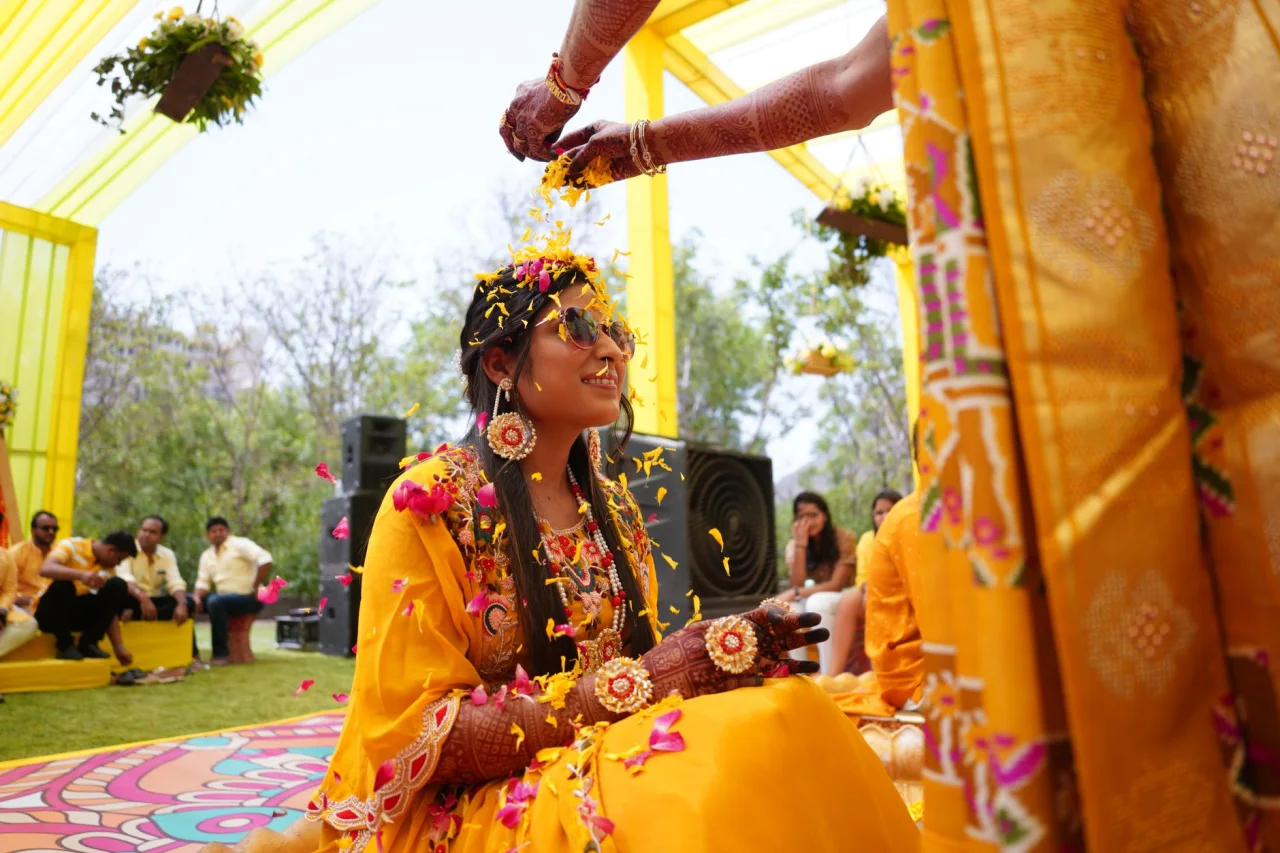
Shaadi season sets the pace for the entire desi fashion calendar, and 2026 is bringing a shift toward lighter, more wearable bridal and guest dressing without losing the drama. Brides are choosing pieces they can actually move and dance in, guests are dressing sharper with less effort, and the multi-event structure of a Pakistani wedding is shaping smarter, more repeatable outfits. Here is an honest look at what is trending, what is fading, and how to dress for every function affordably.
The short version
- Lighter, danceable bridal silhouettes are in; ultra-heavy, immovable lehengas are cooling off.
- Soft and unexpected color palettes are rising alongside the classic reds, especially for daytime events.
- Guests are favouring elegant, re-wearable formals over one-time statement outfits.
- Dress for the specific function: a mehndi, a nikah and a walima each call for a different energy.
How Pakistani weddings shape the trends
A Pakistani wedding is not one event but a sequence: dholki and mayun, mehndi, baraat or nikah, and walima, each with its own mood and dress code. That structure is the real driver of wedding fashion, because it means brides and guests need several distinct looks rather than a single showpiece. If you are new to the sequence, our explainer on Pakistani wedding events from mayun to walima maps what each function traditionally involves, and the overview of marriage traditions in Pakistan confirms how ceremonies like nikah, mehndi and walima are structured.
The trends below reflect that reality. The strongest 2026 direction is versatility: outfits that look spectacular but can be restyled, re-worn or dressed up and down across functions.
Bridal trends that are in
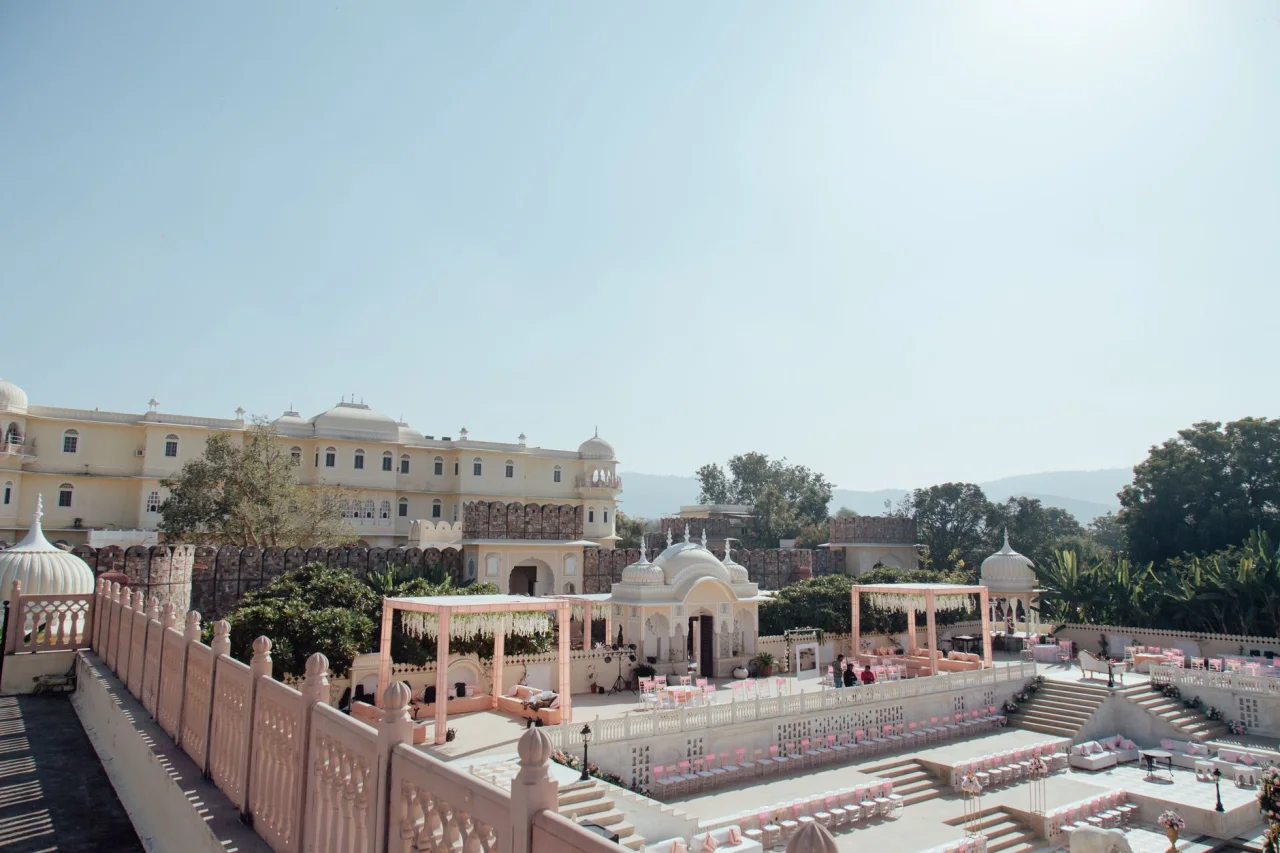
Brides in 2026 are prioritising comfort and movement alongside impact. The showstopper is still expected, but not at the cost of being able to sit, eat and dance.
- Lighter, danceable lehengas: Reduced weight through smarter embroidery placement rather than all-over heavy work, so the bride can actually enjoy her own baraat.
- Soft and non-traditional palettes: Alongside classic red, brides are choosing dusty rose, ivory, sage, deep wine and pastel golds, especially for daytime events.
- Separates that can be restyled: A bridal blouse or dupatta that can be worn again with a different skirt or trousers later.
- Handwork with meaning: Traditional techniques like zardozi, gota and tilla remain highly valued when done well.
Choosing the centrepiece is the hardest part, so our step-by-step guide on how to choose the perfect bridal lehenga is worth reading before you commit. For broader inspiration, browse bridal dress outfit ideas for 2026.
Bridal looks that are on their way out
Trends never make a beloved outfit wrong, but a few bridal choices are appearing less often in 2026.
- Extremely heavy, immovable lehengas: Outfits so weighted the bride cannot move comfortably are losing favour.
- Strictly-red-only thinking: Red is timeless, but the assumption that a bride must wear it is fading.
- Single-use everything: Buying pieces that can never be worn again is giving way to smarter, restylable choices.
- Overpowering, matchy jewellery loads: A curated set now reads more modern than wearing every heavy piece at once.
Styling note
If your budget is tight, invest in one hero outfit for the main function and rent or restyle for the smaller events. A striking blouse paired with different bottoms and dupattas can carry two or three functions convincingly.
Guest and family trends for 2026
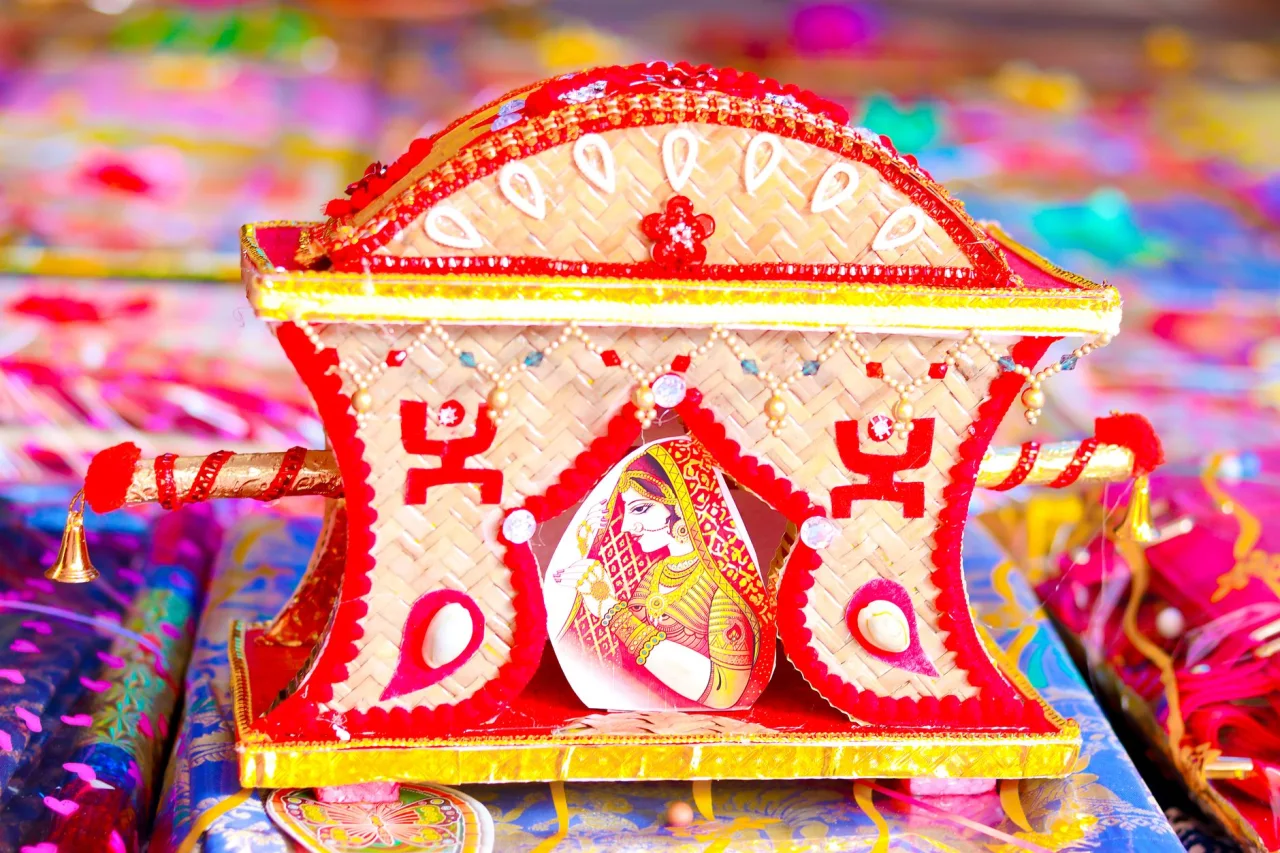
Wedding guests are dressing with more intention and less waste. The mood is elegant and re-wearable rather than loud and disposable.
- Refined formals over costume-level drama: A beautifully cut anarkali, sharara or saree that can return to your wardrobe.
- Tonal and jewel-tone palettes: Emerald, sapphire, plum and champagne photograph beautifully under event lighting.
- Considered accessorising: One statement piece rather than a full matched set.
Guests often stress most about hitting the right note, so our practical guides to what to wear to a Pakistani wedding as a guest and wedding guest outfit ideas for 2026 cover exactly this.
Colors and fabrics leading the year
Traditional Pakistani bridal dress has long centred on an embroidered, brightly colored shalwar kameez, sari or lehenga, as documented in the record of Pakistani clothing and culture. The color story for 2026 weddings is softer and more varied than the all-red default. Expect dusty rose, ivory, sage, wine, champagne and muted metallics for daytime, with richer jewel tones for evening functions. For fabric, the balance is shifting toward pieces that drape and move: georgette, chiffon, organza and lighter silks for flow, reserving heavier velvets and raw silk for winter functions.
If you are shopping a designer wedding line, our comparison of luxury lawn and formal brands and the 2026 wedding collection best picks can help you spot value.
What wedding outfits realistically cost
Wedding wear spans an enormous range, and prices vary widely by fabric, the amount and type of handwork, whether it is stitched or unstitched, the designer and the retailer. As a rough guide, guest formals sit far below bridal couture, while a heavily handworked designer bridal outfit reaches the top of the market. Rental and restyling can cut costs dramatically. Always confirm current pricing directly with the brand or boutique, because embroidery-heavy pieces in particular fluctuate with material and labour costs.
Money-saving tip
The single biggest saving is buying fewer, more versatile pieces. One well-chosen formal that works across two functions beats three single-use outfits, and it usually looks more considered too.
Dressing for each function
Because a Pakistani wedding is a sequence of events, the smartest approach is to plan a distinct energy for each rather than one outfit stretched across all of them. Here is how the 2026 trends map onto the main functions:
- Mayun and dholki: Relaxed and colourful, often yellow or floral for the bride. Guests can keep it light and comfortable, since these are lively, music-filled events where you will be sitting on the floor and dancing.
- Mehndi: The most playful function, built for movement. Think gota, mirror work and bright, festive palettes. Shararas and ghararas shine here because they photograph beautifully in motion.
- Baraat or nikah: The bride's showpiece moment. This is where the lighter, danceable lehenga trend matters most, letting her move through a long day comfortably. Guests dress formally but avoid competing with the bride.
- Walima: The reception is elegant and polished, often in softer or jewel tones. Refined formals in flowing fabrics suit the calmer, more sophisticated mood.
Matching your outfit to the function's energy is the single most reliable way to look right in every photo, and it naturally spreads spending across versatile pieces rather than one expensive misfire. If your budget only stretches to one standout outfit, put it on the function that matters most to you and your family, then lean on smart restyling, borrowing or renting for the rest of the events without anyone noticing the difference.
Jewellery and finishing for 2026
The accessory mood mirrors the clothing: curated over piled-on. For brides, a considered set that suits the outfit reads more modern than wearing every heavy piece at once. For guests, one statement, whether jhumkas, a choker or a striking cuff, does more than a full matched suite. Metallics are softening too, with antique gold, rose and mixed metals appearing alongside classic yellow gold. The goal is cohesion: pieces that support the outfit rather than crowd it. When in doubt, choose one focal point and keep everything else quiet.
How to use this trend report
Treat these lists as direction, not law. Weddings are deeply personal and cultural, and a design that carries family meaning outranks any trend. Use the "in" column to spot fresh options and the "out" column to avoid overspending on looks that are fading, then choose what genuinely suits you, the function and your budget. For the wider seasonal picture, see our roundup of Pakistani fashion trends in 2026.
Frequently asked questions
What are the biggest wedding fashion trends for 2026?
Lighter and more danceable bridal lehengas, softer and non-traditional color palettes alongside classic red, restylable separates and elegant re-wearable guest formals are the strongest 2026 directions. The theme throughout is versatility and comfort without sacrificing impact.
Do brides still have to wear red in 2026?
No. Red remains timeless and popular, but the assumption that a bride must wear it is fading. Dusty rose, ivory, sage, deep wine and pastel golds are all rising, especially for daytime functions.
What should wedding guests wear this year?
Refined, re-wearable formals such as a well-cut anarkali, sharara or saree in jewel or tonal shades, finished with one considered statement accessory rather than a full matched set. Match the formality to the specific function.
How much does a Pakistani wedding outfit cost?
Prices vary widely by fabric, amount of handwork, stitched versus unstitched, designer and retailer. Guest formals cost far less than bridal couture, and renting or restyling can reduce costs significantly. Always confirm current pricing directly with the brand.
How do I dress for multiple wedding functions on a budget?
Invest in one hero outfit for the main event and restyle or rent for smaller functions. A striking blouse or dupatta paired with different bottoms can convincingly carry two or three separate looks.
More on Fashion Trends
Have a question or a topic to suggest?
We read every message. Tell us what you would like to see next in the journal.
Get in touch