Pakistani Wedding Events Explained
What each ceremony means, and how the dress code shifts from one to the next.
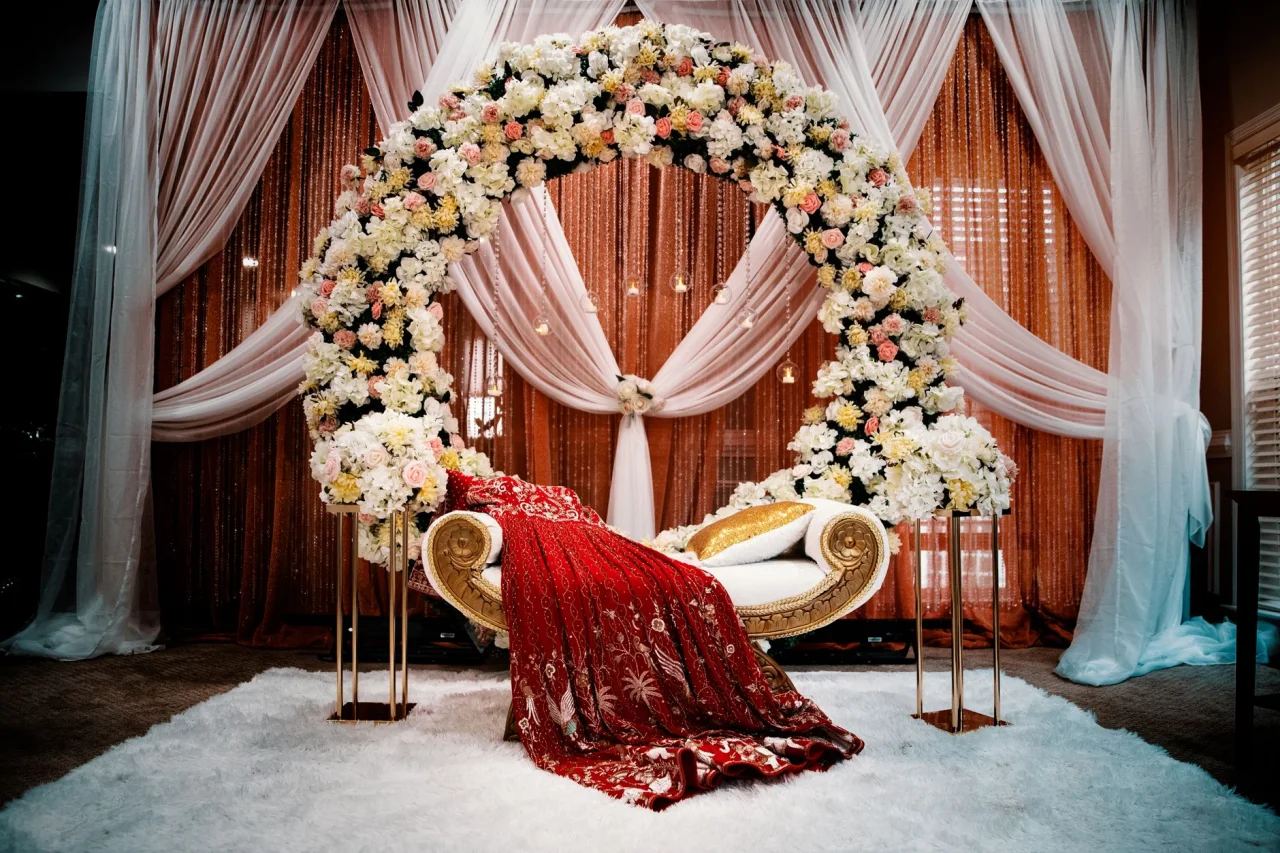
A Pakistani wedding is not a single day but a sequence of ceremonies, each with its own meaning, mood and dress conventions. If you have ever been confused about the difference between a mayun and a mehndi, or why the walima feels so much grander than the nikah, this explainer walks through the events in order. Understanding what each function is for makes it far easier to dress for it.
The short version
- Pakistani weddings run across several events: mayun, mehndi, nikah, baraat and walima are the common ones.
- Each ceremony has its own tone: the mayun and mehndi are intimate and colourful, the nikah is solemn, the baraat and walima are formal and grand.
- Dress conventions follow the mood: yellows and brights for mayun and mehndi, modest and refined for nikah, glamorous for baraat and walima.
- Customs vary by family, region and community, so treat these as widely observed traditions rather than fixed rules.
Why Pakistani weddings have so many events
Rather than compressing everything into one ceremony, Pakistani weddings spread the celebration across several distinct functions, often over a week. As the overview of Pakistani wedding customs describes, pre-wedding events such as the mehndi lead into the wedding-day nikah and end with the walima reception. Each event has a different host, mood and guest list, which is exactly why the dress code shifts from one to the next.
Keep in mind that customs vary widely by family, region, sect and community. Punjabi, Muhajir, Sindhi, Pashtun and Baloch families each have their own traditions, and not every wedding includes every event. What follows are the most commonly observed functions and their typical dress conventions.
Mayun: the start of the celebrations
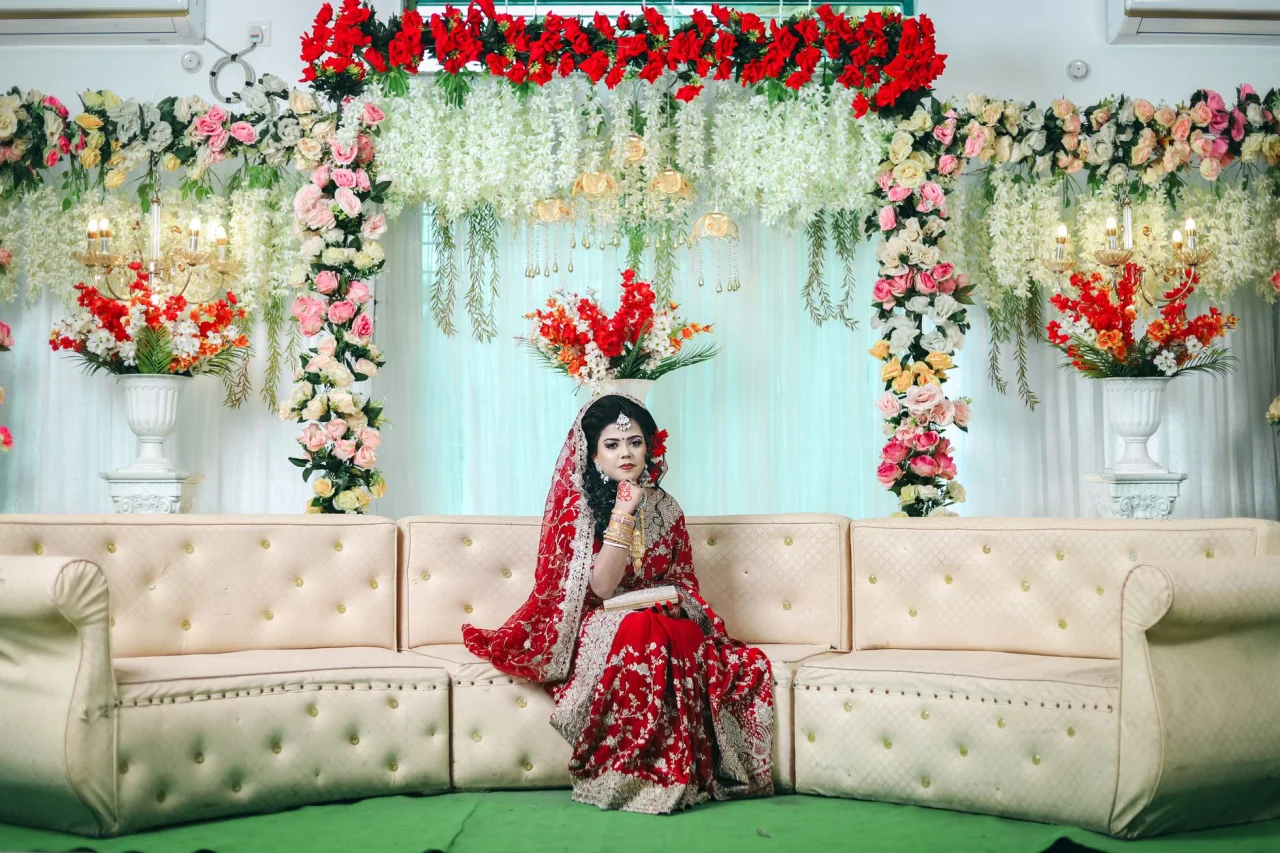
The mayun (sometimes called mayoun or maiyan) traditionally marks the point where the bride steps back from daily routines in the run-up to the wedding, often staying home while relatives prepare for the festivities. It is an intimate, family-centred event, frequently associated with the application of ubtan (a turmeric-based paste) to the bride for a glowing complexion.
Because turmeric is central, yellow is the signature colour. Brides and close family often wear yellow, orange or other bright tones in comfortable, informal fabrics, since the mood is relaxed and homely rather than formal. For complete looks, our mayun dress ideas and the mayun dress guide cover the palette and silhouettes.
Mehndi: henna, music and colour
The mehndi, or rasm-e-mehndi, is the henna celebration held a few days before the main wedding. It is one of the most joyful and colourful events, traditionally a night of singing, dancing and applying henna. The overview of Pakistani weddings notes that the bride typically wears a brightly coloured, embroidered outfit such as a shalwar kameez, saree or lehenga, while the mood for guests is festive and playful.
Expect a palette of yellows, oranges, greens and pinks, often with fresh-flower jewellery. Comfort matters because there is usually a lot of dancing, so gharara and sharara sets or embroidered kurtas are popular. Our mehndi dress ideas and the complete mehndi guide break the look down.
Styling note: dress to the mood, not just the guest list
- Mayun and mehndi reward bright, playful colour and comfortable, dance-friendly fabrics.
- Nikah calls for modest, refined silhouettes and softer tones.
- Baraat and walima are the moments for your most formal, worked outfits.
Nikah: the marriage contract
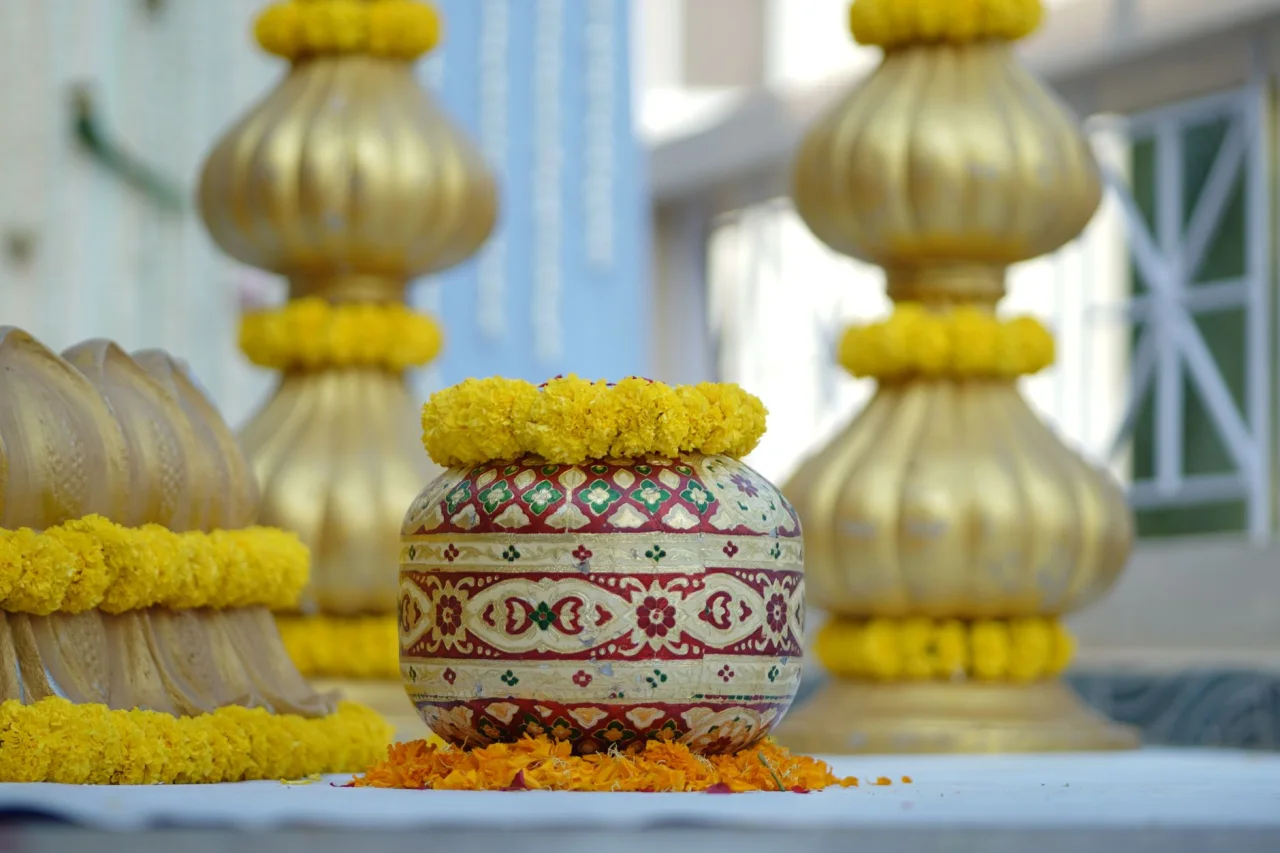
The nikah is the formal marriage ceremony, the moment the marriage becomes official. As the overview of the nikah explains, it centres on the marriage contract (nikahnama), the bride's acceptance and the presence of witnesses, along with the mahr, a mandatory gift from the groom to the bride. Because it is a religious ceremony, the tone is more solemn than the surrounding parties.
Dress conventions lean modest and refined: covered silhouettes such as an anarkali, a formal shalwar kameez, a saree or a simple lehenga, often in soft or pastel tones, with a dupatta that can be draped over the head. Brides frequently wear elegant pastels or classic reds depending on family tradition. Our nikah outfit ideas and the complete nikah guide cover coverage and colour.
Baraat: the main wedding gathering
The baraat is the main wedding event, traditionally associated with the groom's procession arriving at the wedding venue, and it is one of the largest and most formal functions. This is the classic moment for the bride to wear a heavily worked red or deep-toned lehenga, and for guests to bring out their most glamorous occasion wear.
Dress conventions here are grand: worked lehengas, heavy sarees, formal ghararas and sharara sets, and full jewellery. Since the bride usually wears red at the baraat, guests should avoid bridal red and maroon and choose jewel tones or metallics instead. If you want to understand the skirt silhouette that dominates this event, see our complete lehenga guide.
Walima: the reception that makes it public
The walima is the reception banquet that follows the marriage, hosted by the groom's side, and it is usually the most formal event of the week. As the overview of walima explains, it is widely regarded as a Sunnah, an encouraged practice, and functions to announce the marriage openly and celebrate it with the wider community.
Because it is the polished evening reception, the walima calls for the most finished outfits: full-length worked silhouettes, proper jewellery and evening styling. Brides often pivot away from the red of the baraat to pastels, metallics or jewel tones for a fresh look in the album. Our walima dress guide goes deeper on formality and colour.
How the events shape what everyone wears
Put together, the sequence tells a clear styling story. The celebrations open intimate and colourful (mayun, mehndi), pause for something solemn and refined (nikah), then build to two grand, formal peaks (baraat, walima). If you are attending several events, or you are in the wedding party, planning your outfits as a set means each function looks distinct and nothing repeats in the photos.
For guests trying to pitch each outfit correctly, our event-by-event Pakistani wedding guest guide gives a safe formula for every function, and the wedding guest outfit ideas assemble complete looks you can copy.
Quick guide to the events
- Mayun: intimate, home-based, yellow and ubtan, informal bright wear.
- Mehndi: henna and music, colourful and playful, dance-friendly outfits.
- Nikah: the marriage contract, solemn and modest, soft refined dressing.
- Baraat: the grand main event, formal, bridal reds and glamorous guest wear.
- Walima: the formal reception, the most polished evening of the week.
Frequently asked questions
What is the difference between a mayun and a mehndi?
The mayun is an intimate, family-centred event that often marks the bride stepping back from daily routines before the wedding and is associated with applying ubtan (a turmeric paste). The mehndi is the henna celebration a few days before the wedding, a livelier night of music, dancing and colourful outfits. Both favour bright, yellow-toned dressing.
What happens at the nikah?
The nikah is the formal Islamic marriage ceremony. It centres on the marriage contract, or nikahnama, the bride's acceptance, the presence of witnesses and the mahr, a mandatory gift from the groom to the bride. Because it is a religious ceremony, the tone is more solemn and the dress code more modest than the surrounding events.
Who hosts the walima?
The walima is traditionally hosted by the groom's side. It is the reception banquet that follows the marriage and announces it openly to the wider community. It is widely regarded as a Sunnah, an encouraged practice, and is usually the most formal event of the wedding week.
Do all Pakistani weddings include every event?
No. Customs vary widely by family, region, sect and community, so not every wedding includes a mayun, and some families combine or omit events. The mehndi, nikah, baraat and walima are the most commonly observed functions, but you should treat these as widely followed traditions rather than fixed rules.
Why is the baraat considered the main event?
The baraat is traditionally the largest wedding gathering, associated with the groom's procession arriving at the venue, and it is where the bride most often wears her heavily worked red or deep-toned lehenga. It is one of the two formal peaks of the week, alongside the walima reception.
More on Wedding & Occasion Fashion
Have a question or a topic to suggest?
We read every message. Tell us what you would like to see next in the journal.
Get in touch