Mayun Dress: 15+ Outfit Ideas 2026
Yellow-theme looks for the ubtan ceremony, from high-street lawn to boutique gharara, plus fabric and flower styling tips.
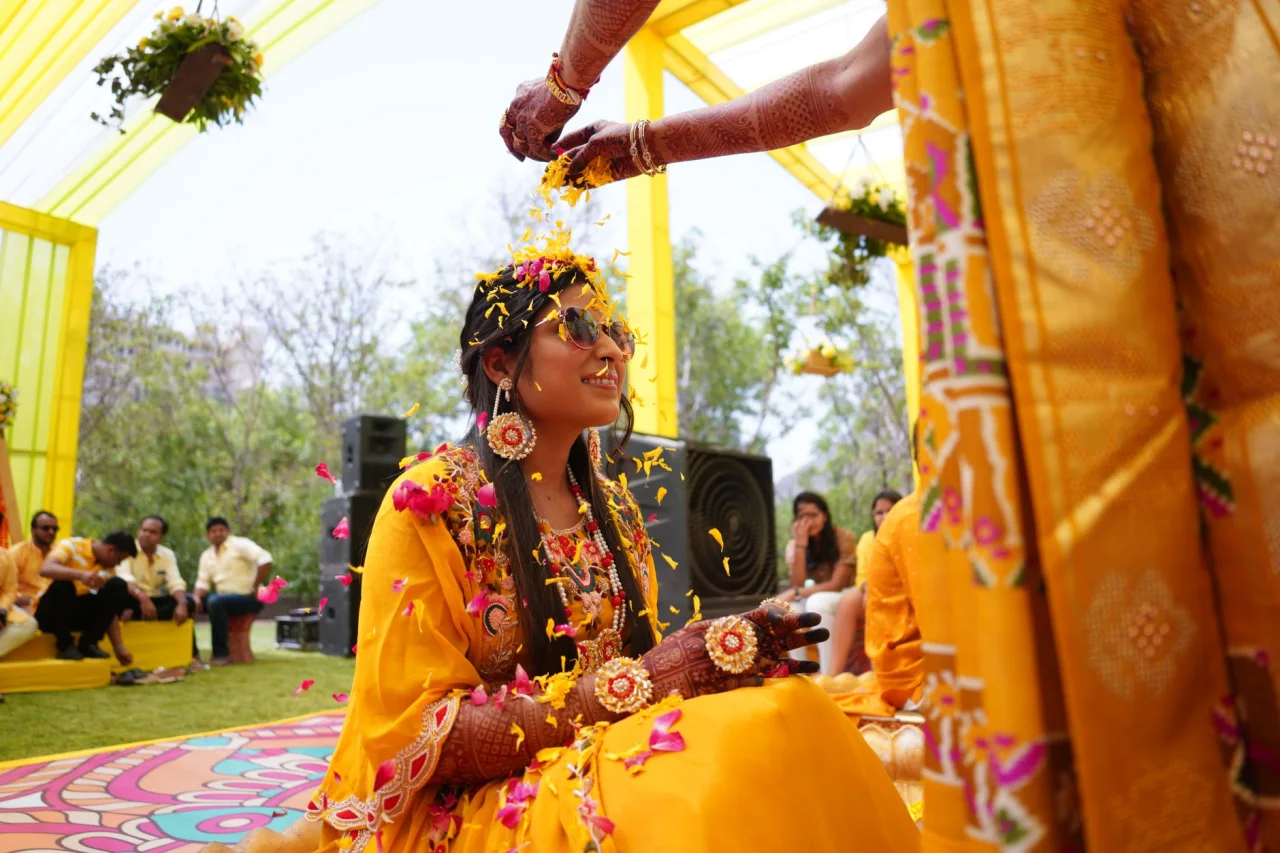
The mayun is the sunny, low-key start to the wedding week, the day the bride steps back from the world, sits for ubtan and lets the yellow theme take over. That relaxed brief is exactly why the dress is so fun to plan: comfortable enough to sit cross-legged for hours, photogenic enough for a garden full of marigolds. Here are more than fifteen mayun outfit ideas for 2026, sorted by budget and body type so you can find a look that fits the day and the wallet.
The short version
- Mayun leans casual and yellow. Think comfort, florals and fabrics you will not mourn if a little ubtan lands on them.
- Yellow is the anchor, but 2026 palettes widen it to marigold, mustard, lime, ivory and soft coral.
- You do not need heavy formals. A crisp cotton or lawn kurta set often beats a stiff gown for a sit-down ubtan.
- Flowers do the styling work: gjra, kalire and floral jewellery matter more than gold here.
What the mayun actually asks of your outfit
Mayun (also spelled mayoun or maiyan) is a pre-wedding ritual where family and friends apply ubtan, a turmeric and gram-flour paste, to the bride or groom for a natural glow before the big days. It sits within the wider sequence of a Pakistani wedding alongside the mehndi, nikah and walima. Because turmeric is the star, yellow became the traditional colour, and because the guest of honour sits for a long, hands-on ceremony, the dress code is deliberately relaxed. This is the one wedding event where comfort genuinely outranks grandeur.
That changes your whole shopping logic. A stiff, fully worked formal that photographs beautifully on a walima stage can be a poor choice for a floor-seated ubtan session. The looks below all keep movement, breathability and stain-forgiveness in mind, while still giving you something worth the camera. For a broader tour of the whole wedding week, our mehndi dress ideas pick up where mayun ends, and the sibling complete mayun dress guide covers the etiquette in detail.
The 2026 mayun colour story
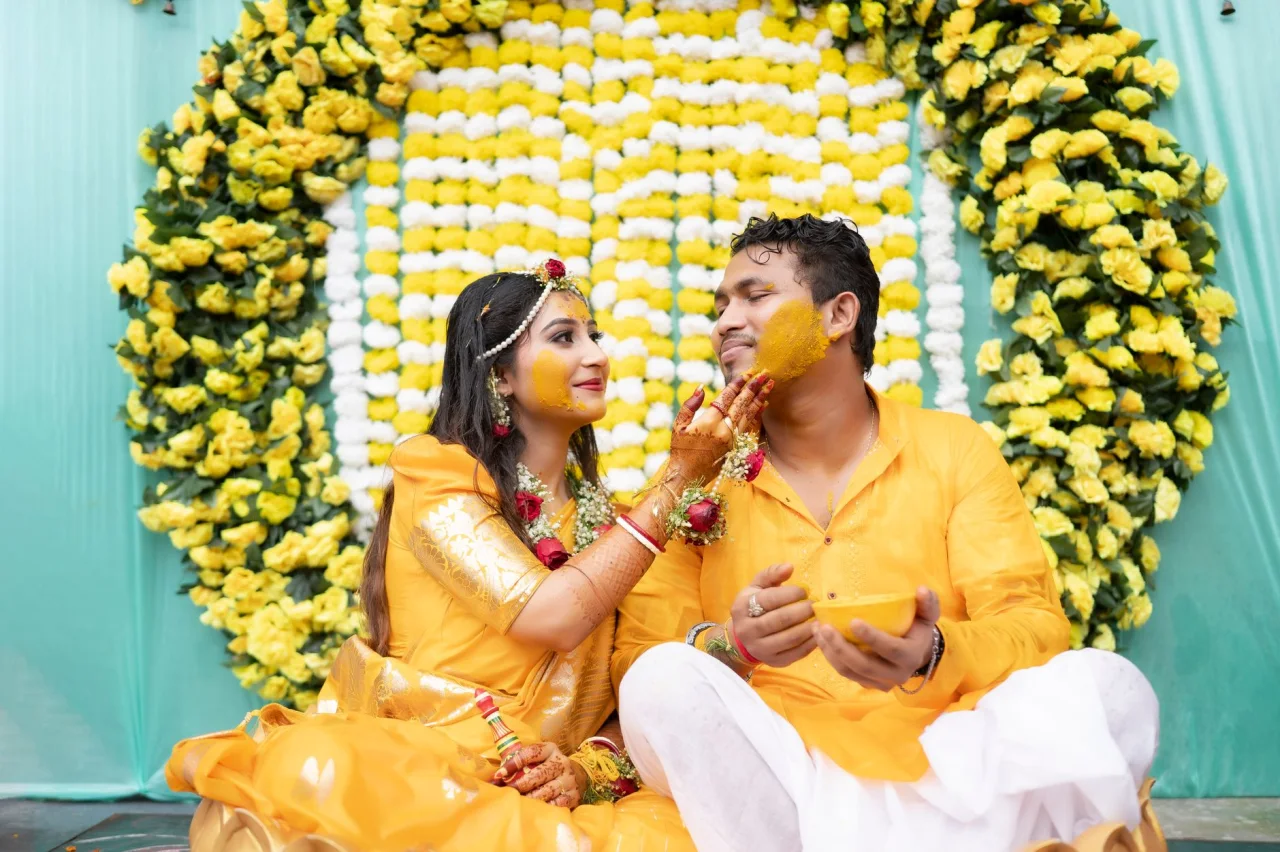
Yellow is still the heart of the mayun, but the definition has stretched. For 2026, stylists are pairing the classic turmeric shade with unexpected partners so it reads fresh rather than costume-like:
- Marigold and mustard for a deeper, autumnal take that suits warmer skin tones.
- Lemon and lime for a spring-garden mayun, especially with white gota or thread work.
- Ivory and cream with yellow accents if you want photographs that feel soft rather than saturated.
- Coral, peach and orange as a modern twist for brides who want yellow adjacent, not head to toe.
Budget-friendly mayun looks (high-street and ready-to-wear)
You do not need a designer piece for mayun. Ready-to-wear festive lines and a good tailor can carry the whole day.
- Yellow lawn kurta with a gota-edged dupatta. The most practical mayun look there is: breathable, washable and easy to sit in. Add a gota border for festive lift.
- Mustard cotton shalwar kameez with block prints. Great for a daytime garden mayun and forgiving if ubtan lands.
- Lemon short kurti with white palazzo. Youthful, cool and easy to move in for the cousins helping with the ceremony.
- Ivory kurta with yellow floral embroidery. Softer than solid yellow and very photogenic against greenery.
- Printed yellow maxi. A single flowing piece is the fastest way to look pulled together. See our maxi dress designs for cuts that flatter.
Mid-range and boutique mayun looks
If you want a step up in fabric and finish without heavy formalwear, this is the sweet spot.
- Yellow organza kurta with mirror work. Light, slightly sheer and luminous in daylight. Read up on organza before you buy, as it creases.
- Marigold cotton-silk angrakha. The wrap silhouette is comfortable to sit in and reads a little regal.
- Two-tone gharara in lemon and white. The gharara, a flared-leg garment rooted in the Awadh region, brings festivity while a light fabric keeps it airy. Our gharara designs roundup has more.
- Yellow kalidar frock with tilla accents. Twirl-friendly and still relaxed.
- Coral and yellow colour-block co-ord. A modern set for brides who want a break from tradition.
Styling note
For mayun, let the flowers be the jewellery. A fresh gjra on the wrist or in the hair, floral kalire, and a simple floral maang tikka usually photograph better with yellow than heavy gold does. Save the polki and kundan for nikah and walima.
Statement and designer-level mayun looks
For brides who want the ceremony to feel elevated, or who are combining mayun and mehndi into one event, these carry more weight.
- Handworked yellow gharara with zari. Traditional and rich; keep the top light so you can still move.
- Sharara set in marigold silk. The wide-leg drama suits taller brides especially well. Compare cuts in our sharara designs guide.
- Yellow lehenga with a light choli. A soft lehenga gives a bridal feel without a heavy blouse to sit in.
- Ivory anarkali with yellow floral thread work. Elegant, flowy and flattering on almost everyone.
- Ombre yellow-to-orange dupatta over a solid kurta. One statement piece does all the talking.
- Raw-silk kurta set in mustard. Structured and photogenic for an evening mayun.
Flattering mayun picks by body type
The right silhouette matters more than the price tag. A few pointers:
- Petite: shorter kurtis, gharara or straight palazzo, and vertical prints keep the frame from looking swamped.
- Tall: lean into sharara, kalidar frocks and long anarkalis that show off the length.
- Curvier builds: A-line and angrakha cuts skim rather than cling, and a well-placed dupatta adds soft structure.
- Apple shape: empire-line frocks and flowing maxis draw the eye up and away from the midsection.
Fabrics that survive an ubtan ceremony
Turmeric stains, and it stains permanently. That single fact should steer your fabric choice more than any trend.
- Choose: cotton, lawn, cambric and cotton-silk, all washable and breathable for a long sit.
- Be careful with: pure silk, heavy zardozi and delicate net, which are hard or impossible to clean if paste lands on them.
- If you love a rich look: keep the heavy piece as a dupatta or jacket you can remove before the ubtan starts.
New to festive fabrics? Our primer on cotton lawn explains why it is the workhorse of Pakistani summer occasion wear.
Budget and price expectations
Prices vary widely by fabric, amount of handwork and where you shop, so treat these as broad brackets and confirm current pricing with the retailer or tailor:
- High-street and ready-to-wear festive: roughly PKR 4,000 to 15,000 for a printed or lightly worked kurta set.
- Boutique and semi-formal: roughly PKR 15,000 to 45,000 for organza, gharara or embroidered pieces.
- Designer and heavily handworked: PKR 60,000 and upward, driven mostly by the embroidery hours.
A skilled local tailor can often recreate a boutique silhouette for a fraction of the price, which is worth remembering when the same body sits through several events in one week.
Groom, siblings and coordinating the family
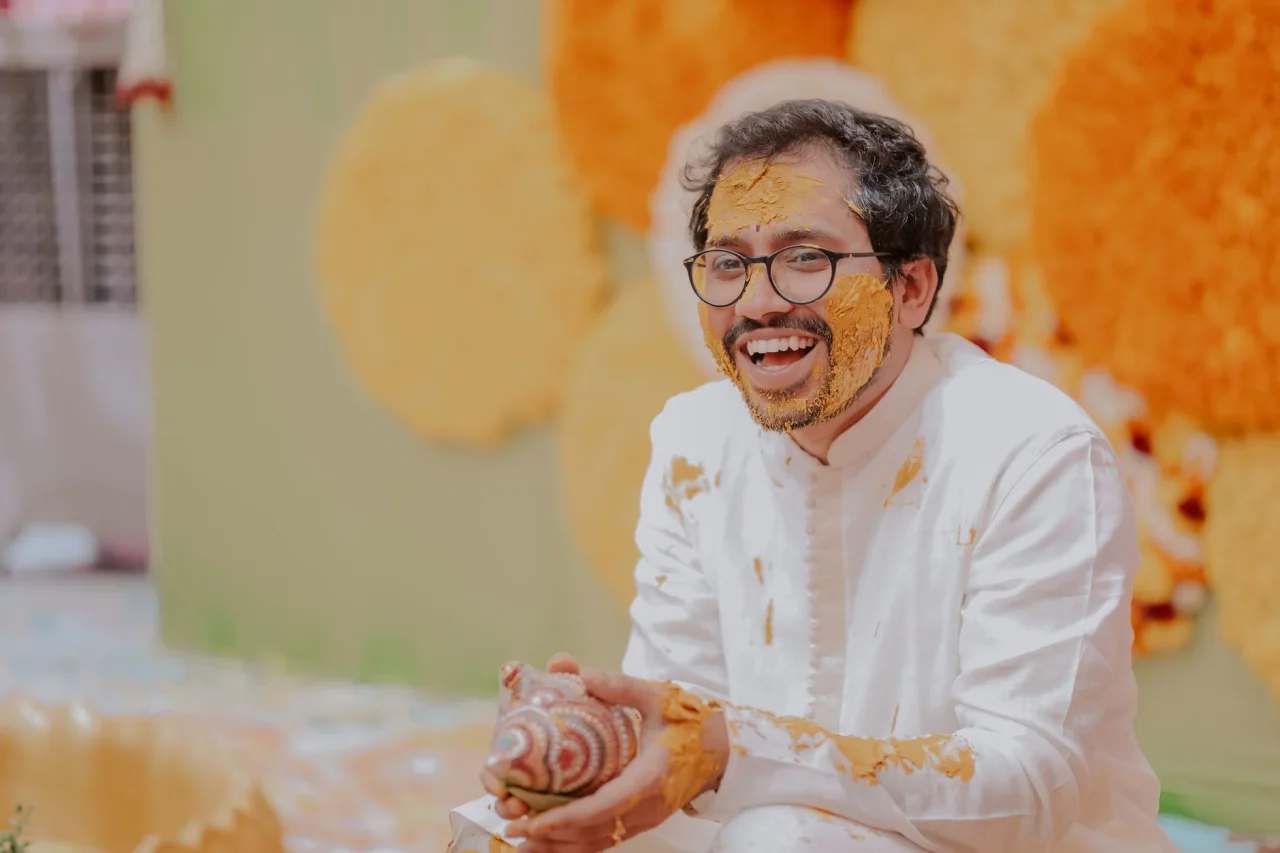
The bride is not the only one dressing for the mayun. The groom traditionally sits for his own ubtan, so his outfit follows the same comfort-first logic: a yellow, white or ivory kurta or shalwar kameez, often with a light waistcoat, in a fabric he will not mind getting a little turmeric on. Cream with yellow embroidery is a popular middle ground for grooms who do not want head-to-toe yellow.
Siblings and close cousins usually coordinate rather than match exactly. The most photogenic approach is a loose family palette, say yellow with one shared accent like white, green or coral, so the group reads as a set without everyone wearing the identical shade, which tends to flatten group photographs. If relatives will be applying the ubtan, it is worth reminding them to wear something they do not mind staining, or to keep a spare dupatta over the outfit while they work. A little planning here saves a favourite piece from an accidental yellow handprint.
Common mayun outfit mistakes to avoid
- Wearing a stain-magnet fabric. Pure silk or heavy zardozi near the ubtan is the most common regret; keep those pieces removable.
- Overdressing. A stiff formal you cannot sit on the floor in fights the whole spirit of the ceremony.
- Going full bridal red. Deep red reads as a barat or walima colour and can look out of place at a casual yellow event.
- Skipping the flowers. A yellow outfit with no floral styling can look flat; a simple gjra changes everything.
- Guests outshining the bride. Stay festive but leave the spotlight, and the heaviest yellow, to the guest of honour.
Frequently asked questions
Do you have to wear yellow to a mayun?
Yellow is traditional because the ceremony centres on turmeric ubtan, but it is not a strict rule. Marigold, mustard, lime, ivory with yellow accents, and even coral or peach all read as on-theme for a modern mayun.
Should the mayun outfit be formal or casual?
Casual to semi-formal. The bride or groom sits for a hands-on ubtan ceremony, often on the floor, so comfort and movement come first. A crisp cotton or lawn kurta set usually beats a stiff, heavily worked formal.
What fabric is safest for a mayun?
Washable, breathable fabrics like cotton, lawn, cambric and cotton-silk. Turmeric stains permanently, so avoid pure silk, heavy zardozi and delicate net unless you keep them as a removable dupatta or jacket.
What jewellery works best for mayun?
Fresh flowers do most of the styling: gjra, floral kalire, a floral maang tikka and light earrings. Heavy gold, polki and kundan are better saved for the nikah and walima.
How is mayun different from mehndi?
Mayun centres on the turmeric ubtan ritual and a yellow theme, and is usually the most relaxed event. Mehndi is the henna celebration, often more colourful and higher energy, so outfits there tend to be brighter and more festive.
More on Wedding & Occasion Fashion
Have a question or a topic to suggest?
We read every message. Tell us what you would like to see next in the journal.
Get in touch