Sharara Designs: 20+ Ideas for 2026
A style menu of everyday, party, festive and bridal sharara shapes worth saving this year.
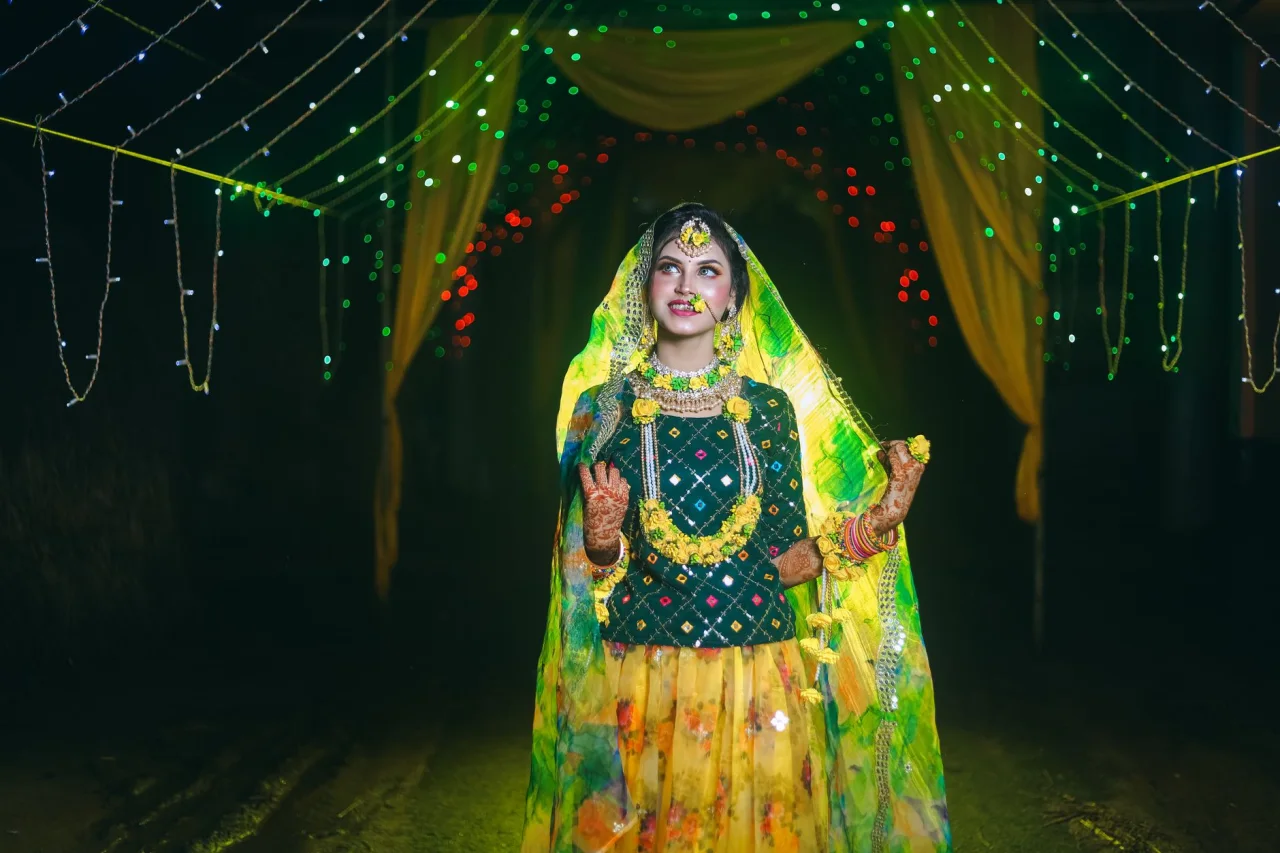
The sharara keeps reinventing itself: one season it is minimal and pastel, the next it is drenched in metallic embroidery. This roundup gathers more than twenty sharara design directions worth saving for 2026, organised by occasion and budget so you can find a look that fits both your event and your wallet. Think of it as a style menu, not a leaderboard, since the best design is always the one that suits your colouring, your budget and the occasion you are dressing for.
The short version
- Twenty-plus sharara ideas grouped into everyday, party, festive and bridal.
- Silhouette trends: cropped and peplum tops, gored panels, and short-front kameez.
- Colour directions run from soft pastels to deep jewel tones and classic ivory-and-gold.
- Match the fabric and embellishment to the occasion, then keep everything else simple.
How to read these design ideas
A sharara design is really a set of choices: the flare of the trousers, the length and cut of the top, the fabric, the colour and the embroidery. Change any one and the mood shifts, which is why the same basic silhouette can read as breezy daywear or grand bridal couture. The silhouette itself carries centuries of history, tracing to the courtly dress of the Awadh region around Lucknow, as Wikipedia's overview of the gharara family describes. Below, the ideas are grouped by occasion so you can jump to the level of formality you need, from easy printed daywear right up to heavily embroidered bridal sets. If you are still deciding what a sharara is and how it differs from a gharara, start with our complete sharara guide, then come back here to pick a look.
Everyday and semi-casual sharara (ideas 1 to 5)
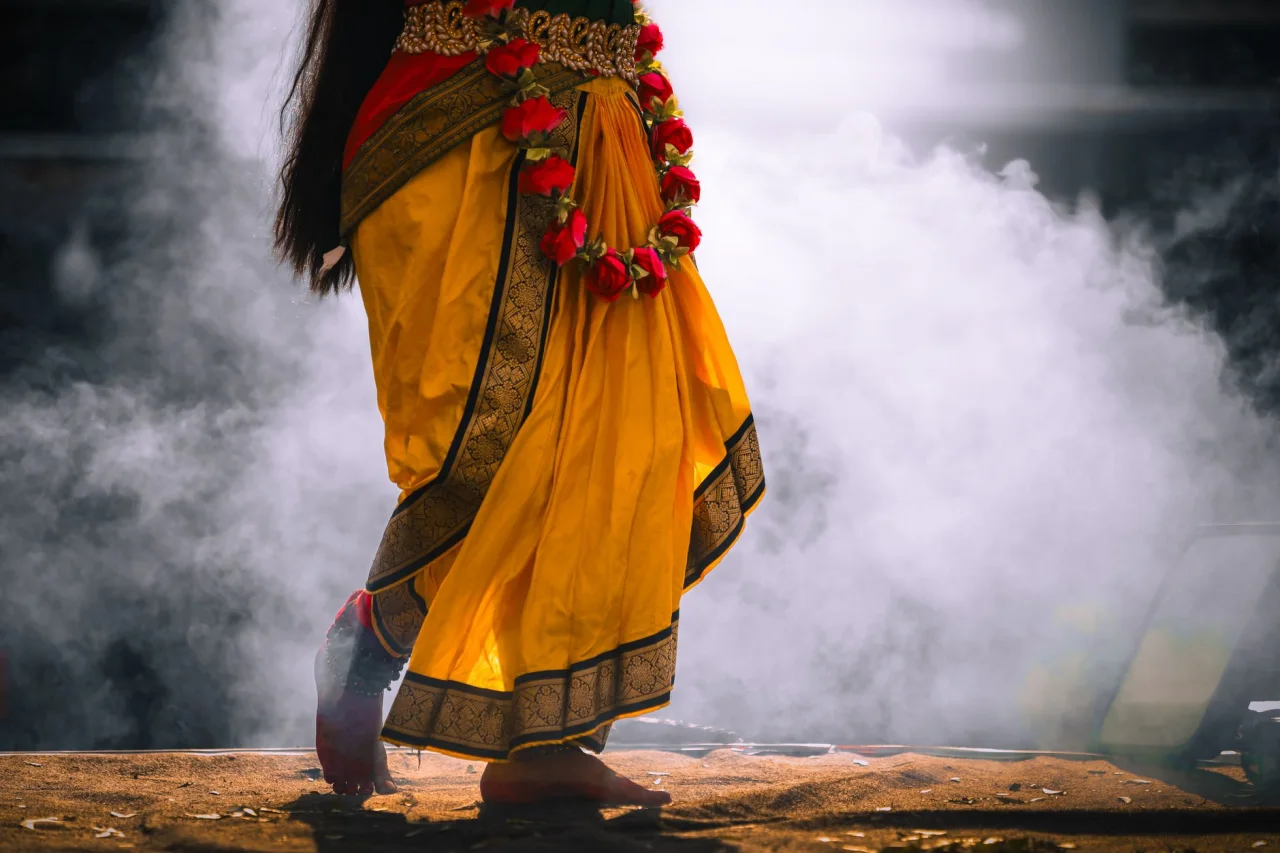
Lightweight and low on embellishment, these are the versions you can actually wear on an ordinary day. The trick with casual sharara is to lean on print, colour and a good cut rather than embroidery, so the outfit stays comfortable and easy to launder. A well-chosen daytime sharara reads as put-together without any fuss, and it moves the silhouette out of the strictly formal box.
- Lawn print sharara set: a floral or geometric printed lawn sharara with a matching short kurti, ideal for warm-weather daywear.
- Solid cotton sharara with contrast dupatta: a plain sharara in a muted shade lifted by a printed or bordered dupatta.
- Chikankari kurti sharara: white-on-white or pastel chikankari on a light kurti over a plain sharara for understated daytime elegance.
- Cropped tie-front top sharara: a shorter, knotted top for a relaxed, contemporary line.
- Cambric or khaddar winter sharara: a heavier cotton weave for cooler days, in earthy tones.
Party and evening sharara (ideas 6 to 11)
Here fabrics get fluid and colours get bolder. These sit comfortably at dinners, receptions and mehndi celebrations. Evening light rewards a little shine, so this is the level where scattered sequins, light mirror work and metallic borders start to earn their place. The aim is movement: a party sharara should catch the light and swish as you walk, without tipping into full bridal weight.
- Georgette sharara in a jewel tone: emerald, sapphire or wine, with light sequin scatter.
- Peplum top sharara: a flared peplum kameez that echoes the volume below for a dressy, structured look.
- Ombre sharara: a graded colour on the trousers, pale at the waist deepening to the hem.
- Sharara with cape or jacket: a sheer organza cape over the kurti adds drama without weight.
- Mirror-work sharara: scattered mirror work that sparkles under evening light.
- Monochrome tonal sharara: top, trousers and dupatta in one shade, with texture rather than contrast doing the work.
Styling note
- Let one element lead. If the sharara is heavily worked, keep the top and dupatta quiet.
- Fluid fabrics like georgette and chiffon flatter a fuller flare; stiff net holds a sculpted shape.
Festive and Eid sharara (ideas 12 to 16)
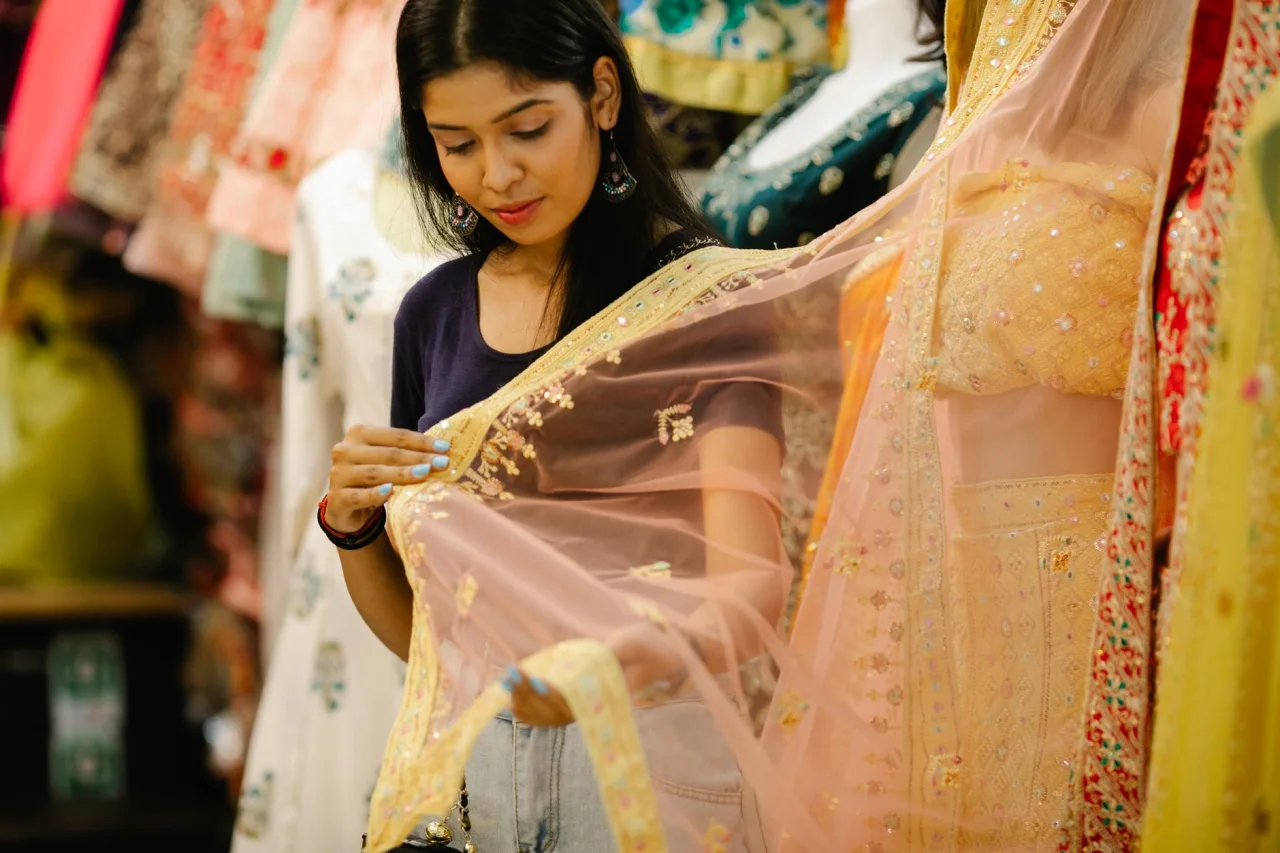
Festival dressing loves the sharara's celebratory swish. These lean richer than party wear but stop short of bridal, which makes them some of the most versatile pieces you can own. A festive sharara in a flattering colour with tasteful gold work can carry you through Eid mornings, family gatherings and evening dinners across a whole season, which is why many shoppers treat this tier as their main investment.
- Gota-border sharara: gold gota edging on the trouser hem and dupatta for classic festive shine.
- Pastel Eid sharara: mint, blush or lilac with tone-on-tone thread work for a soft morning look.
- Angrakha-style top sharara: a wrap-front tunic over the flared trousers for an old-world silhouette.
- Bright colour-block sharara: a confident pairing such as fuchsia with orange or teal with mustard.
- Short front, long back kameez sharara: a high-low top that shows the flare while keeping coverage.
For more festival-specific outfit planning, see our Eid outfit ideas.
Bridal and wedding sharara (ideas 17 to 22)
These are the show-stoppers: heavier fabrics, denser embroidery and formal palettes. Expect the most work and the highest prices. At this level the sharara is often custom made, with the embroidery placed by hand and the flare lined and structured so it holds its shape through a long day of photographs. Because these pieces are worn for hours, comfort and weight matter as much as beauty, so many brides balance a heavily worked sharara with a lighter blouse.
- Ivory and gold zari sharara: timeless nikah and walima styling with zari borders, the fine gold and silver thread that rose to prominence in the Mughal era.
- Deep red raw-silk bridal sharara: structured flare in raw silk for a classic bridal statement.
- Velvet winter bridal sharara: rich velvet for cold-season weddings, kept regal with metallic work.
- Net sharara with dabka and pearl work: sheer layered net panels heavy with dabka and beading.
- Pastel organza bridal sharara: a lighter, modern bride's alternative to red, in powder blue or sage.
- Full-gher heavy sharara with trailing dupatta: maximum volume and a long, worked dupatta for a grand entrance.
If you are dressing for the celebration itself, our mehndi dress ideas and walima dress ideas pair well with these shapes.
Colour and fabric directions for 2026
Across price points, a few directions feel current: soft pastels for daytime and Eid, saturated jewel tones for evening, and the enduring ivory-and-gold for formal occasions. On fabric, fluid georgette and chiffon dominate party wear, while organza, net and raw silk carry the heaviest festive and bridal work. None of these are fixed rules. The sharara has cycled through minimalism and maximalism for decades, so treat trend talk as inspiration and choose what genuinely flatters you. A colour that suits your skin tone and an embroidery level that fits the occasion will always look better than whatever a given season declares fashionable. Our sharara buying guide explains how fabric weight changes the flare.
Turning a design into an outfit
Once you have a design in mind, the finishing details decide whether it works. Keep jewellery in scale with the embellishment, choose a heel height that lets the hem clear the floor, and make sure the top and trouser volumes balance. A design that looks stunning on a hanger can fall flat if the proportions are off on the body, so try to see how the flare hangs and how the top sits at the waist before committing. Our step-by-step guide on how to style a sharara walks through jewellery, footwear and dupatta pairings for each occasion, and if you are shopping from scratch, the buying guide covers fit and fabric so the design you love actually suits you.
Frequently asked questions
What sharara styles are popular for 2026?
Popular directions include cropped and peplum tops, gored full-flare trousers, ombre and tonal colouring, and short-front high-low kameez. Pastels lead daytime and Eid looks, jewel tones lead evening wear, and ivory-and-gold remains the classic choice for weddings. These are style directions rather than fixed rules, so pick what flatters you.
Which sharara design is best for a wedding?
For weddings, heavier fabrics and denser embroidery work best: ivory-and-gold zari sharara, deep red raw-silk sets, velvet for winter, and net sharara with dabka and pearl work. Pastel organza is a modern alternative for brides who prefer a lighter palette.
Are cropped tops suitable with a sharara?
Yes. Cropped and peplum tops are a current, flattering choice because they highlight the flare of the trousers and keep the upper line neat. Balance the fullness below by keeping the top relatively fitted or structured.
What is the most budget-friendly sharara design?
Printed lawn and solid cotton sharara sets with light or no embroidery are the most affordable, since fabric and embellishment are the main cost drivers. A plain georgette sharara lifted by a bordered dupatta is an easy way to look dressier without heavy work.
How do I keep a sharara design from looking overdone?
Let one element lead. If the sharara trousers are heavily embellished, keep the top and dupatta simple, and match jewellery to the level of work rather than layering more. Choosing a single colour family also keeps a busy design looking intentional.
More on Clothing Types
Have a question or a topic to suggest?
We read every message. Tell us what you would like to see next in the journal.
Get in touch