Gharara Designs: 20+ Ideas for 2026
More than twenty gharara ideas by occasion and budget, from pastel organza festive sets to velvet and brocade bridal looks.
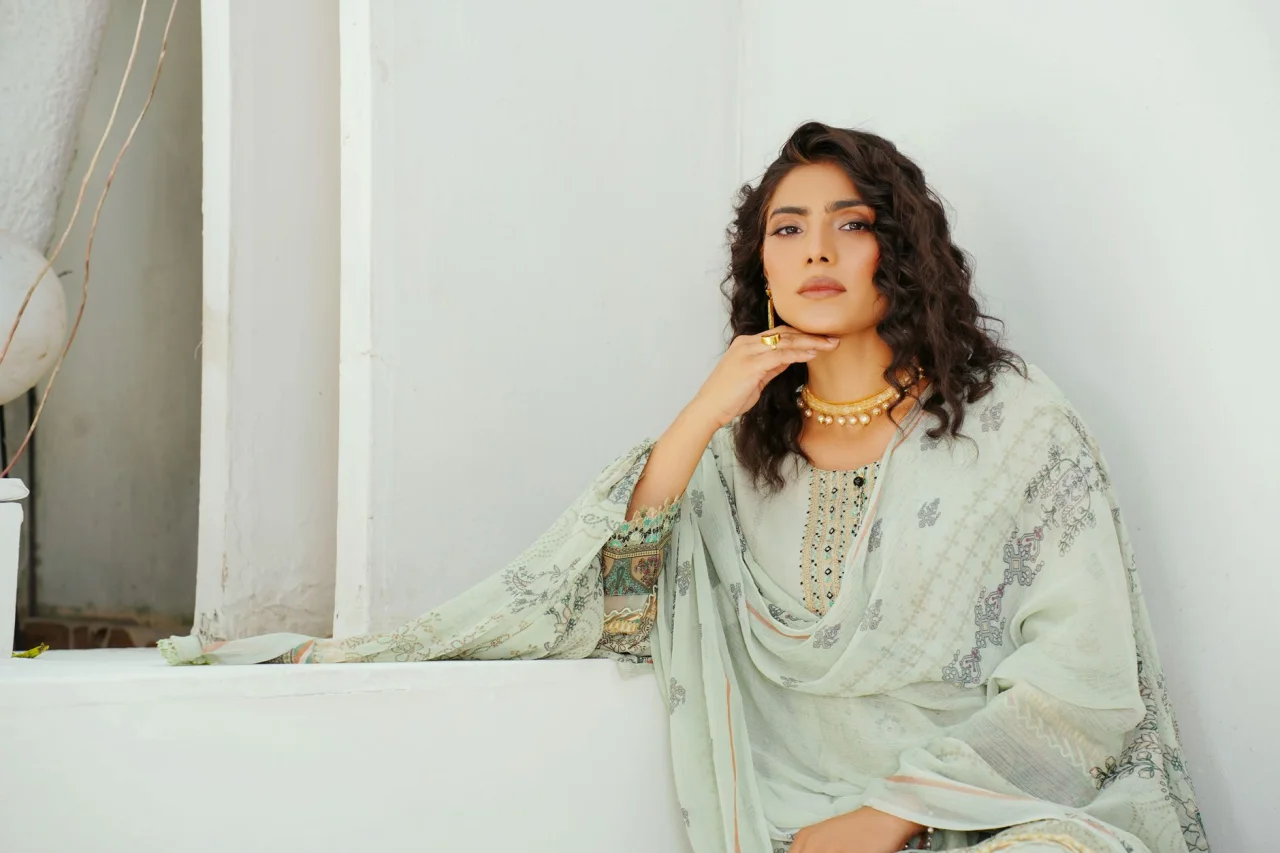
The gharara is having a real moment again, and 2026 is proving to be one of its richest seasons in years. From feather-light organza sets for a summer nikah to deeply worked velvet ghararas for a winter wedding, this roundup gathers more than twenty design ideas, sorted by occasion and by budget, so you can find the direction that fits your event and your wallet.
The short version
- We have grouped 20+ gharara ideas by occasion (bridal, festive, party, day) and by budget so they are easy to browse.
- The biggest 2026 directions: pastel organza, monochrome tone-on-tone, revived silk brocade, and pared-back minimal ghararas.
- The gota (knee joint) remains the design focal point, so most trends play out there and along the flared hem.
- These are honest style directions, not a ranked leaderboard: pick what suits your body, occasion and comfort.
What is driving gharara design in 2026
Before the ideas, a quick orientation. The gharara's structure is fixed: trousers fitted to the knee, then a dramatic flare from the decorated knee joint known as the gota, worn with a kurti and dupatta. This is a Lucknowi garment rooted in the Awadh region during the Nawab era, as documented on Wikipedia. If the construction is new to you, our complete guide to the gharara explains the anatomy in detail.
Because the silhouette is set, design innovation happens in three places: the fabric, the colour story, and the placement of embroidery around the gota and hem. Every idea below is a variation on one of those three levers. Think of this as a menu of directions rather than a countdown of winners. And remember that a trend is only right for you if it flatters your body and suits your occasion, so read the ideas as options to try, not rules to follow.
One more thing worth knowing before you browse. The gharara sits in a small family of wide-legged garments, and the design language often crosses over between them. A colour or embroidery idea trending on ghararas this year will usually show up on shararas and farshi shalwars too, so if you love a direction here but want a different flare, the same look often translates across the family.
Bridal gharara ideas
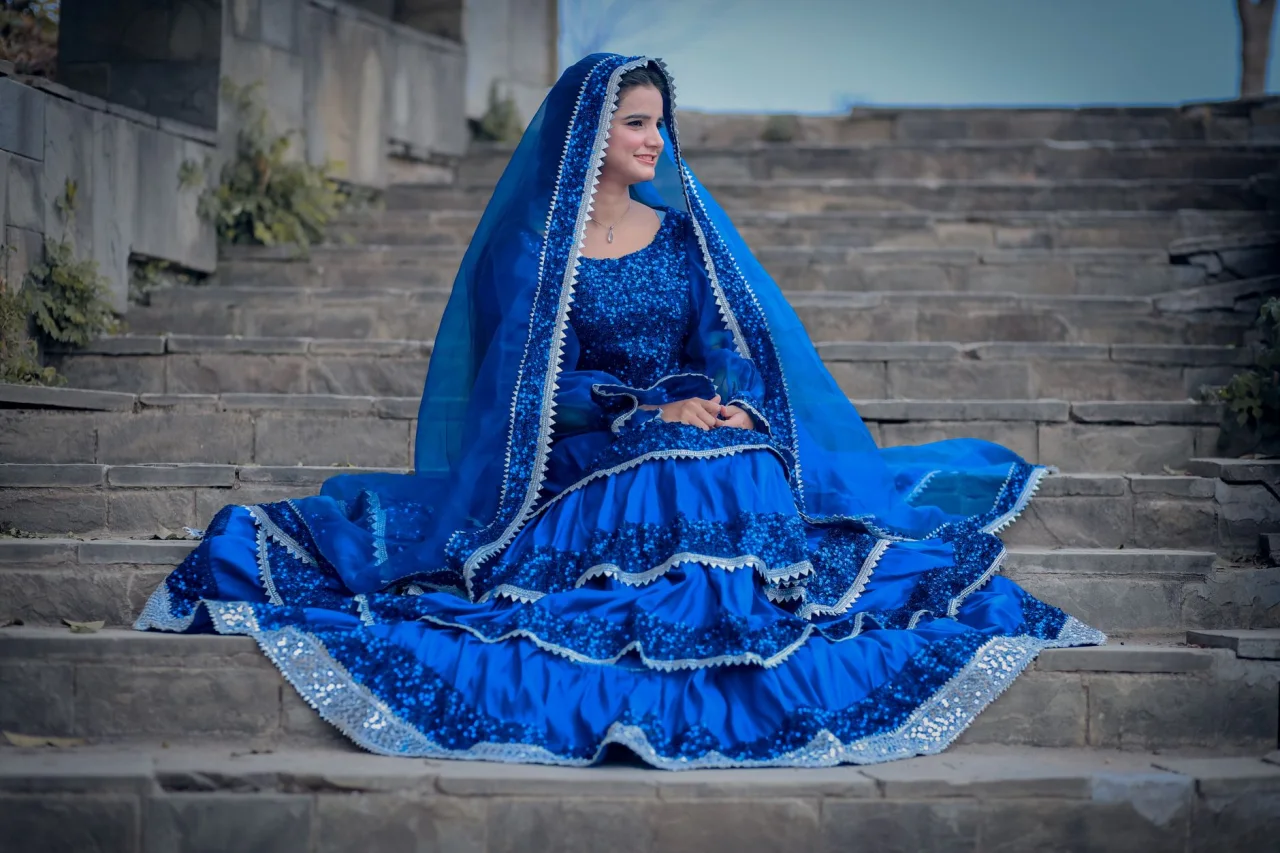
Bridal ghararas are where the garment shows off its full heritage. These lean on structured, luxurious fabrics that hold the flare.
- Classic red silk brocade: the timeless choice, with dense zari at the gota and a heavy border. Read up on the metal-thread craft behind it in our zari guide.
- Deep maroon velvet gharara: ideal for a winter walima, with tonal dabka and a scalloped hem.
- Antique gold zardozi: a muted metallic gharara that photographs beautifully under warm lighting. The gold-thread craft behind it has signalled status in this region since the Mughal era, as noted on Wikipedia's zardozi page.
- Blush and ivory: a softer bridal palette for brides who want romance over drama.
- Firozi (turquoise) and gold: a bold regional-inspired combination for a statement entrance.
Styling note
For a bridal gharara, let the trousers carry the heaviest work and keep the kurti a touch lighter so the gota stays the hero. Balance the volume below with a structured neckline above.
Festive and Eid gharara ideas
Festive ghararas dial the formality down a notch and the wearability up, which makes lighter fabrics ideal.
- Pastel organza gharara: a leading 2026 direction, airy and modern; see our organza fabric guide for care.
- Chikankari-inspired white gharara: cool, elegant and perfect for a daytime Eid.
- Mint and silver: fresh and light for a summer festive lunch.
- Mustard and rust: a warm palette that suits both Eid and mehndi events.
- Printed lawn gharara: the most casual reading, breathable for hot climates.
These festive picks pair naturally with the outfit ideas in our Eid outfit roundup if you are still weighing silhouettes.
Party and reception gharara ideas
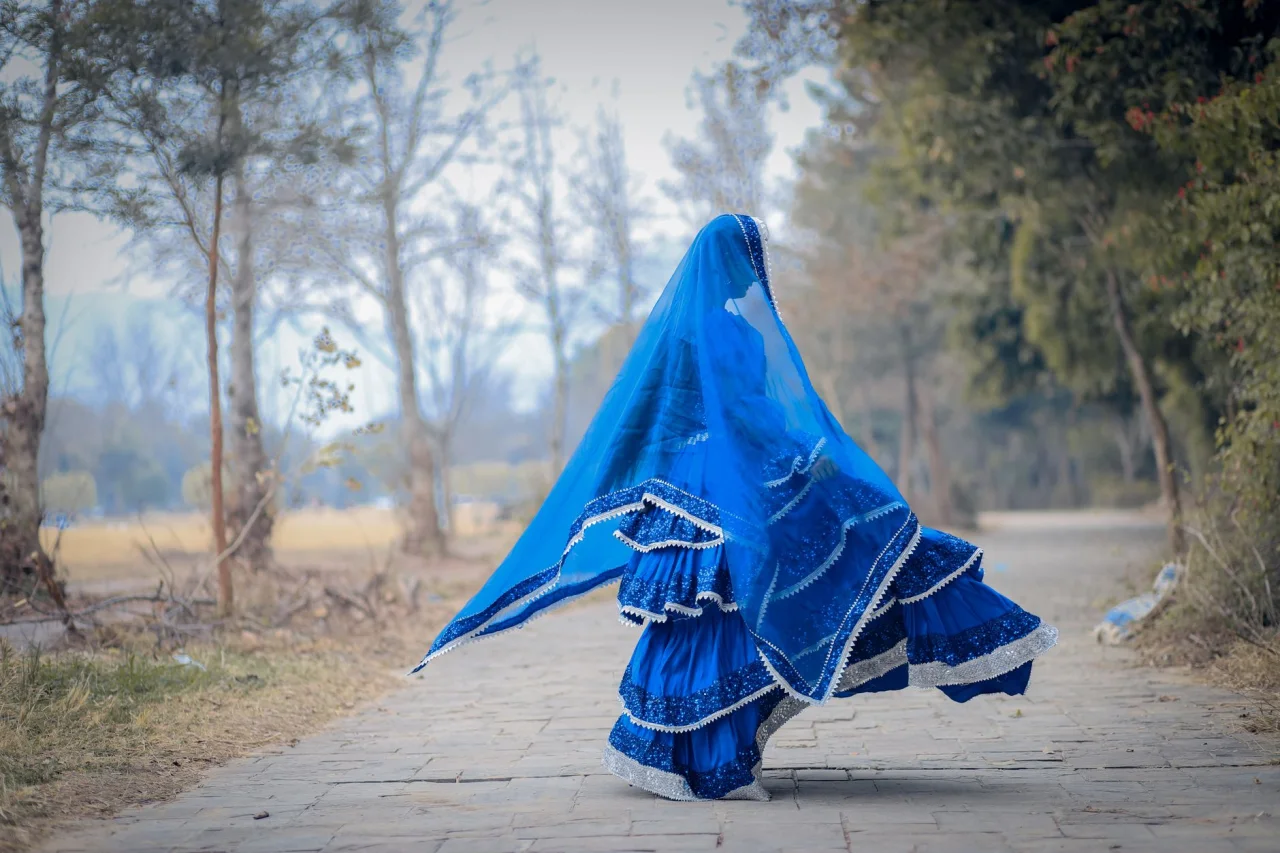
For engagements, receptions and formal dinners, party ghararas favour sheen, drama and a modern edge.
- Black and gold: the most versatile evening combination, endlessly flattering.
- Emerald green net gharara: jewel tones with a light net flare for movement.
- Wine and rose gold: a rich, contemporary palette for receptions.
- Ombre gharara: a graded colour from waist to hem, very photogenic on the flare.
- Sequin-flecked gharara: subtle shimmer rather than full embellishment, for a modern party look.
For complete outfit formulas built around these, our gharara styling guide breaks down jewellery and footwear pairings.
Daytime and minimal gharara ideas
A quieter trend for 2026 is the pared-back gharara, proof that the silhouette does not need to shout. These suit intimate nikahs, family functions and daytime events.
- Monochrome tone-on-tone: a single colour head to toe with self-coloured embroidery, understated and chic.
- Cotton and lawn gharara: breathable and comfortable, with light gota detailing.
- Solid pastel with a contrast dupatta: minimal on the outfit, interest on the drape.
- Thread-embroidered gharara: resham and thread work instead of heavy metal, softer and lighter to wear.
- Ivory with a single colour accent: clean and modern for a nikah.
Trends organised by budget
Design ideas are only useful if they match what you can spend. Prices vary widely by fabric, amount of hand work and retailer, so treat these as broad brackets and always confirm current pricing before you buy.
- Entry budget: printed lawn, cotton or lightly worked net ghararas with machine embroidery. Great for festive day events.
- Mid budget: organza, georgette or jacquard ghararas with a mix of machine and light hand work at the gota.
- Premium budget: silk brocade, raw silk or velvet with substantial hand embroidery such as zardozi and dabka, usually for bridal and reception wear.
Where your money goes matters as much as how much you spend. Our gharara buying guide covers price brackets and red flags in detail.
Buying tip
Hand embroidery costs more but reads richer up close and lasts longer than glued or heavily machined work. If your budget is tight, spend it on a smaller area of genuine hand work at the gota rather than spreading thin machine work everywhere.
Fabric and embroidery pairings that work
Some combinations simply photograph and drape better than others. A few reliable pairings for 2026:
- Velvet plus zardozi: classic winter bridal, rich and structured.
- Organza plus light thread work: airy festive, best kept minimal so the sheer fabric stays elegant.
- Raw silk plus dabka: a textured, matte-luxe look for receptions; see our raw silk guide.
- Net plus sequins: lightweight party glamour with movement in the flare.
If you want to compare the base cousin garment, our roundup of sharara designs for 2026 shows how the same trends translate to a hip-flared silhouette.
How to pick the right idea for your event
With more than twenty directions above, the risk is choosing with your eyes rather than your calendar. A few questions cut through the noise and point you to the right shortlist:
- What is the event, and how formal is it? A daytime nikah calls for a lighter, minimal gharara, while an evening reception can carry a heavy velvet or brocade look.
- What is the weather? Match fabric to season first, then colour. A gorgeous velvet gharara is the wrong choice for a summer afternoon no matter how good it looks.
- Will you wear it again? If yes, a monochrome or lightly worked gharara is far more re-wearable than a heavily bridal one.
- What flatters your frame? Keep the flare proportionate to your height and let the fabric weight do the shaping.
Work through those four and you will usually be left with two or three ideas rather than twenty, which is a much easier decision to make.
Refresh note
Trends move, but the gharara's core appeal does not. Classic palettes like red brocade and maroon velvet return season after season, so if you are unsure, a well-made version of a timeless look will outlast any single year's fashion.
Frequently asked questions
What gharara colours are popular for 2026?
Soft pastels in organza, monochrome tone-on-tone palettes, and revived classics like red silk brocade and deep maroon velvet are all strong directions for 2026. Jewel tones such as emerald and wine remain popular for evening and reception ghararas.
Which gharara fabric is best for a summer wedding?
For hot weather, lighter fabrics like organza, net and cotton lawn are the most comfortable while still holding a flattering flare. Save heavier silk brocade and velvet for cooler months or air-conditioned indoor events.
Are minimal ghararas actually in style?
Yes. Alongside heavily embroidered bridal ghararas, pared-back monochrome and thread-embroidered ghararas are a genuine 2026 direction. They suit intimate nikahs and family functions and are easier to wear more than once.
How do I pick a gharara design for my body type?
Keep the flare proportionate to your height, choose a kurti length that ends near the knee joint so the gota stays visible, and let structured fabrics do the shaping. Our buying guide covers body-type fit advice in more detail.
Is machine embroidery on a gharara worth it?
Machine embroidery keeps costs down and works well for festive and budget ghararas. For bridal and premium pieces, hand embroidery such as zardozi and dabka reads richer and lasts longer, so it is usually worth prioritising if the budget allows.
More on Clothing Types
Have a question or a topic to suggest?
We read every message. Tell us what you would like to see next in the journal.
Get in touch