The Complete Nikah Outfit Guide
The modest dress code, colours to wear and avoid, the dupatta and head-covering, and a checklist for brides and guests.
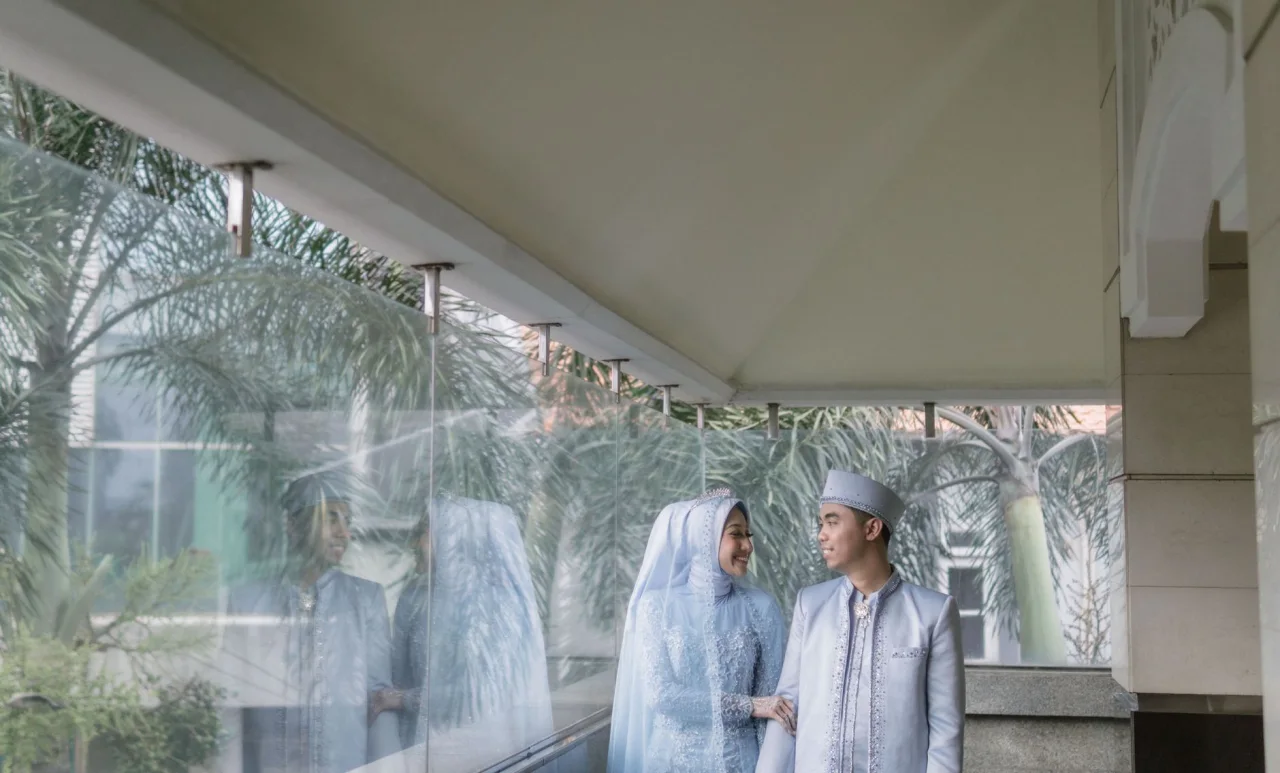
The nikah is the one wedding event where getting the tone right matters as much as looking good. It is a sacred contract, often held at a mosque or at home, so the outfit should read as graceful and respectful, not as a party look. This guide covers the etiquette of the nikah outfit: the right level of coverage, colours to wear and avoid, the all-important dupatta, and a checklist to shop from, for brides and guests alike.
The short version
- Nikah dress code is modest and elegant. Aim for grace and coverage over sparkle and skin.
- Soft, luminous colours suit the mood: ivory, pistachio, powder blue, blush and champagne.
- The dupatta is essential and often covers the head during the ceremony, so choose one that drapes easily.
- Guests should stay refined and avoid heavy bridal red that competes with the bride.
What a nikah is, and why the dress code is what it is
A nikah is the Islamic marriage contract: the bride accepts the mahr, two witnesses are present, and the nikahnama is signed. Because it is the solemn, religious core of the wedding rather than a reception, the outfit is expected to feel dignified. That usually means covered arms, modest necklines, a dupatta ready for the head, and embellishment that is fine rather than flashy. None of this rules out beauty; the most memorable nikah looks are quietly luxurious. For a visual list of pieces that fit the brief, pair this with our nikah outfit ideas for 2026.
It also helps to picture how the day actually unfolds. A nikah usually involves sitting for the recitation and the signing, rising to greet elders, and posing for close, intimate photographs rather than a big stage entrance. That means your outfit is seen up close, so the quality of the fabric, the neatness of the tailoring and the ease of your dupatta matter far more than the amount of embroidery. Dressing for the flow of the ceremony, not just the mirror, is what separates a comfortable, elegant nikah look from a beautiful one you spend the whole day adjusting.
How modest should a nikah outfit be?
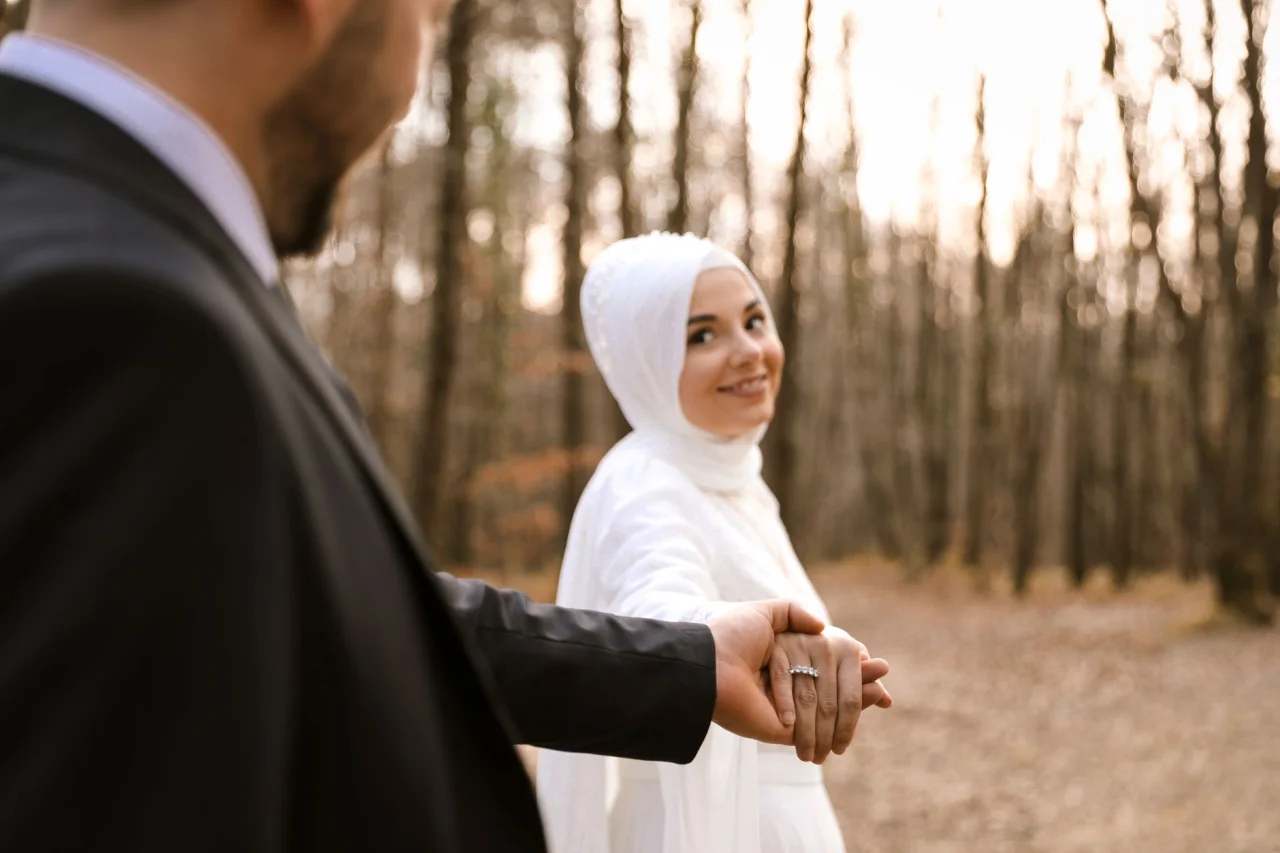
Modesty expectations vary by family, region and how religious the setting is, so the safest approach is to match the household hosting the ceremony. As general guidance:
- Coverage: full or three-quarter sleeves and a higher neckline are the comfortable default, especially if the nikah is at a mosque.
- The head: keep a dupatta ready to drape over the head during the ceremony, even if you do not wear it covered the rest of the day.
- Silhouette: flowing anarkalis, farshi shalwar, ghararas and well-cut suits all give coverage without sacrificing elegance.
- When unsure: ask the host family. It reads as respectful, not awkward.
Colours to wear, and which to skip
The nikah palette favours soft and luminous over loud:
- Wear: ivory, champagne, pearl, pistachio, sage, powder blue, lilac, blush and dusty rose.
- Wear with awareness: deep red and maroon, which many brides save for the barat; a bride may choose red for her nikah, but guests should generally avoid it.
- Skip as a guest: anything that reads as a competing bridal look, and very heavy sequin or mirror work that overwhelms a graceful ceremony.
The dupatta makes or breaks the look
Choose a dupatta you can drape over your head with one hand and keep in place. Soft net, organza and silk-chiffon behave best. Stiff or very slippery fabrics fight you at exactly the moment the cameras are on you. If your outfit has a fine dupatta only for show, carry a second, more drapeable one for the ceremony itself.
Choosing the silhouette
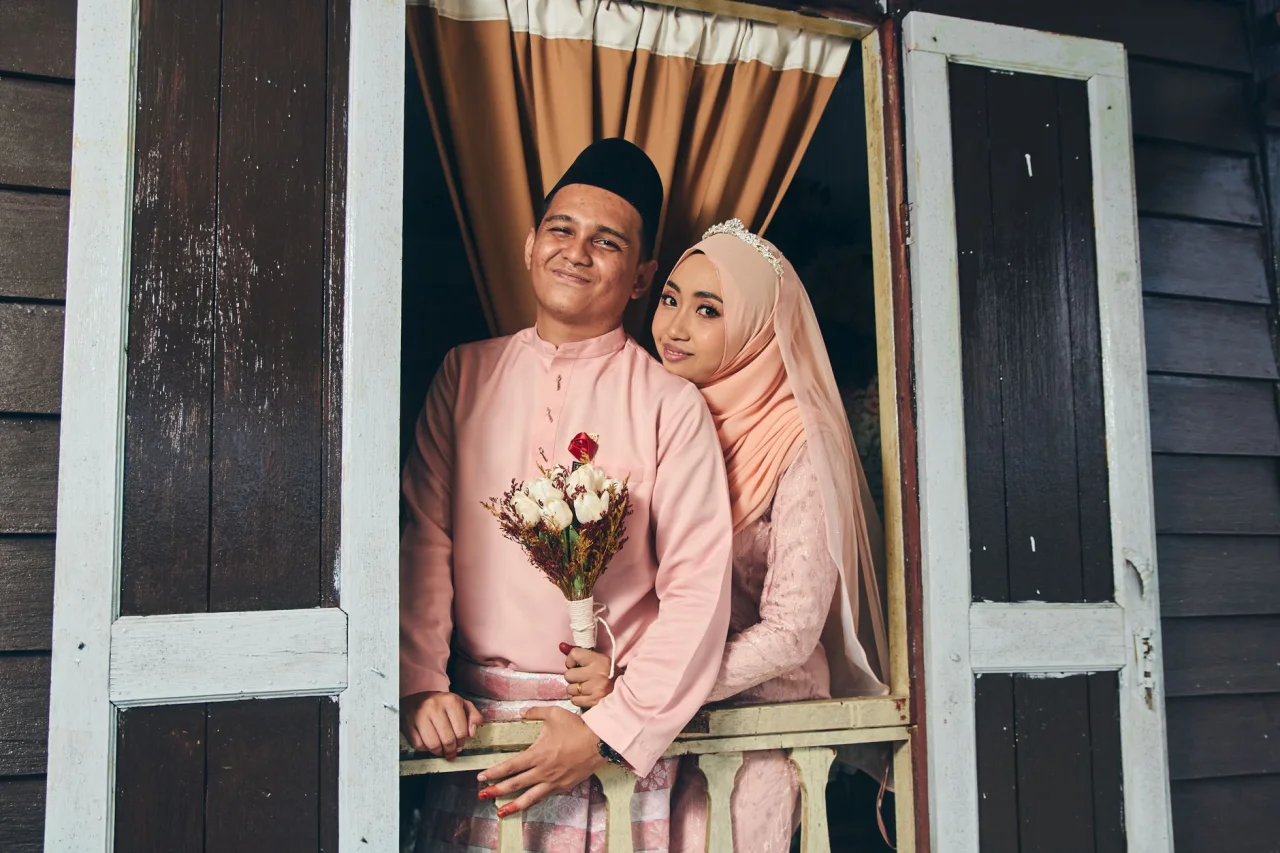
The best nikah silhouettes combine coverage with grace:
- Anarkali and anarkali gowns: flowing, forgiving and naturally modest. See how to wear them in our anarkali styling guide.
- Farshi shalwar: a regal, heritage choice for a formal nikah. Our farshi shalwar guide explains the drape.
- Gharara and straight suits: festive but refined, easy to cover up in.
- Angrakha sets: the wrap front adds elegance and coverage at once.
Jewellery, hair and finishing touches
- Jewellery: polki, kundan or fine gold suits the occasion; a maang tikka, jhumkas and a delicate necklace work beautifully under a covered head.
- Hair: a low bun or soft waves sit neatly under a dupatta and stay tidy for photographs.
- Make-up: soft, luminous and timeless rather than heavy, to match the graceful mood.
- Footwear: comfortable heels or khussas, since a nikah often involves sitting on the floor and rising for greetings.
A small practical point that saves a lot of stress: do a full dress rehearsal before the day. Put on the outfit, drape the dupatta over your head the way you will during the ceremony, and check that you can sit, stand and reach comfortably. This is the moment you discover that a blouse is too tight to raise your arms, that a dupatta slides off, or that a heel is impossible on grass. Fixing these quietly at home is far easier than realising mid-ceremony, and it lets you spend the nikah present in the moment rather than managing your clothes.
A quick nikah dress checklist
- Coverage matches the host family and setting (sleeves and neckline considered).
- A drapeable dupatta is ready for the head during the ceremony.
- Colour is soft and luminous; guests avoid heavy bridal red.
- Embellishment is fine and refined, not overwhelming.
- Silhouette is graceful and comfortable to sit and rise in.
- Jewellery and make-up stay elegant rather than heavy.
Budget and where to shop
Prices vary widely by fabric, handwork and retailer, so confirm current pricing before you buy. As broad brackets:
- High-street and ready-to-wear formals: roughly PKR 8,000 to 25,000.
- Boutique and semi-formal: roughly PKR 25,000 to 80,000.
- Designer or bridal-level: PKR 120,000 and upward, mostly reflecting hand embroidery.
Because the nikah, mayun and walima each want a different mood, planning them together helps you spread the budget sensibly. Our walima dress guide covers the reception end of that plan.
How family, region and setting change the brief
There is no single nikah dress code, because expectations shift with family, region and how religious the setting is. A nikah held in a mosque or in a more observant household usually calls for fuller coverage and a head-covering throughout, while a home or hotel nikah in a less formal family may be relaxed about sleeve length and the dupatta. Urban and diaspora weddings often blend styles, so a fusion gown with a modest cut can be entirely appropriate at one nikah and out of step at another.
The reliable move is to take your cue from the hosts. If you are the bride, your own family and the groom's will usually signal the expected level of formality and modesty. If you are a guest, a quick, polite question to someone in the family removes all guesswork and reads as considerate. When in doubt, err toward more coverage and a softer colour; it is far easier to feel comfortable slightly modest than slightly underdressed at a sacred ceremony.
Common nikah dress mistakes to avoid
- A show-only dupatta. If your dupatta is too stiff or slippery to drape, carry a second, softer one for the ceremony.
- Too much sparkle. Heavy sequin and mirror work can clash with the dignified mood; keep embellishment refined.
- Bridal red as a guest. It can read as competing with the bride, so soft, elegant shades are safer.
- Mismatching the setting. A mosque nikah usually wants more coverage than a home ceremony.
- Leaving comfort out. A nikah involves sitting on the floor and rising often, so choose footwear and a silhouette you can move in.
Frequently asked questions
Do you have to cover your head for a nikah?
Practices vary by family and setting, but it is common and respectful to drape a dupatta over the head during the ceremony itself, particularly at a mosque. Keeping a soft, drapeable dupatta ready is the safest approach even if you do not stay covered all day.
What colour should a bride wear to her nikah?
Soft, luminous shades like ivory, champagne, pistachio, powder blue and blush are the modern favourites. Some brides do choose red for the nikah, while others save it for the barat, so it comes down to personal and family preference.
Can a guest wear red to a nikah?
It is best avoided. Deep red and maroon can read as bridal, so guests are safer in soft, elegant colours that clearly do not compete with the bride.
How formal is a nikah outfit compared with a walima?
A nikah look is graceful and modest, often in soft colours, while the walima is the glamorous reception where richer colours, heavier embroidery and gowns or lehengas come out. The nikah is dignified; the walima is celebratory.
What should the groom wear to a nikah?
A sherwani, an achkan or a well-tailored kurta with a waistcoat are all classic. Ivory, cream and soft neutrals are popular for the nikah, with richer tones often saved for later events.
More on Wedding & Occasion Fashion
Have a question or a topic to suggest?
We read every message. Tell us what you would like to see next in the journal.
Get in touch