Wedding Collection 2026: Best Picks
How to match each outfit to its event, from mehndi to walima, with guidance for brides, grooms and guests.
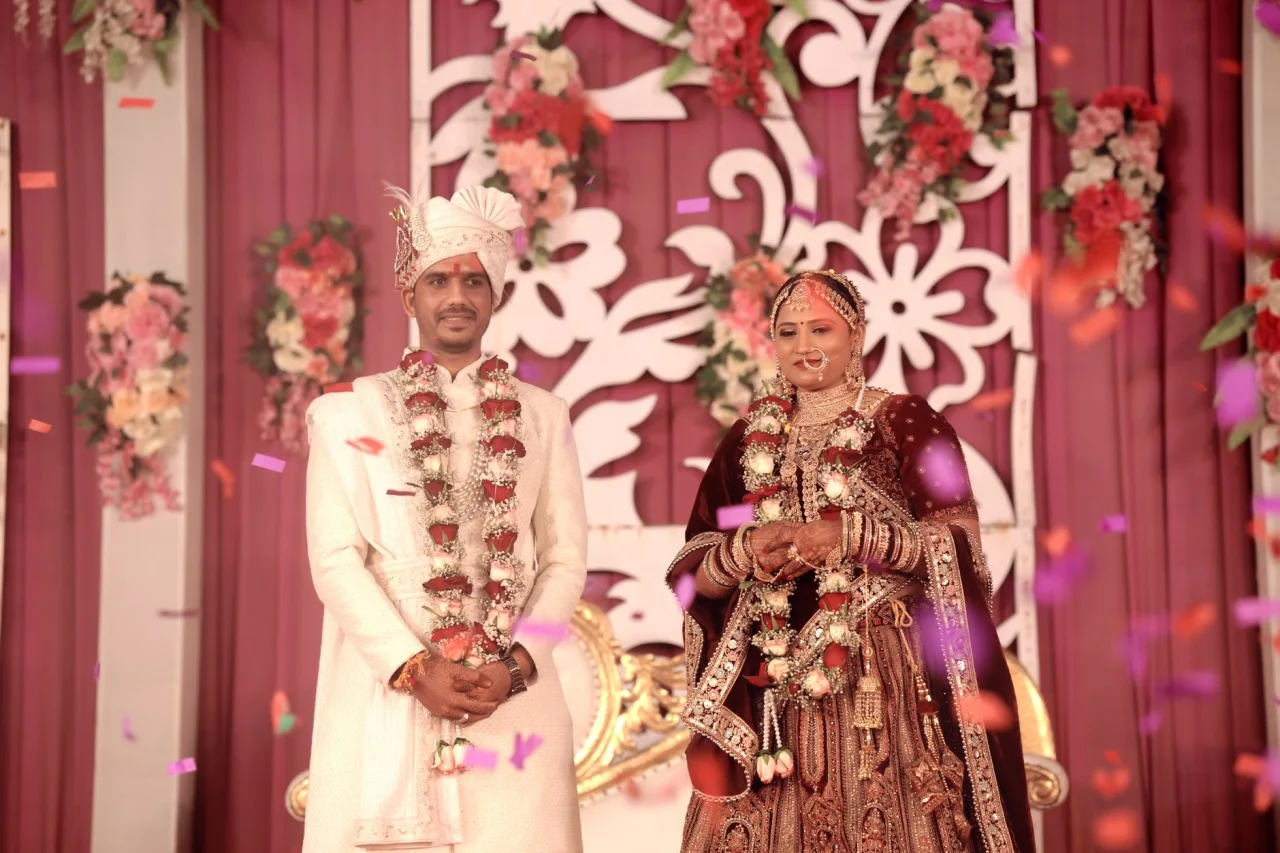
Wedding collections are the most elaborate, most expensive and most emotionally loaded pieces any label makes, whether you are the bride, the groom or a well-dressed guest. This guide explains what to look for in a 2026 wedding collection, how to choose the right outfit for each event from mehndi to walima, and the styling decisions that make heavy occasion wear feel like you rather than a costume.
The short version
- Wedding wear spans a whole event series, so match each outfit to its function: playful for mehndi, formal for nikah, grand for the main day, elegant for walima.
- For brides, fit and comfort matter as much as embellishment, because you will wear it for many hours.
- Guests should aim for festive and respectful, never white-bridal or louder than the couple.
- Bridal and formal prices vary enormously by fabric, hand-work and house, so treat online figures as starting points and confirm current pricing.
Why wedding collections need their own thinking
A desi wedding is not one event, it is a sequence, and a wedding collection is built to dress that sequence. Understanding the events is the first step to shopping well, so if the calendar is new to you, read our explainer on Pakistani wedding events from mayun to walima before you spend anything. Each function has its own mood, and dressing to that mood is what makes an outfit feel right.
The stakes are high here because these are the most costly clothes most people buy. A clear plan of who wears what, and when, prevents the classic mistake of over-buying grandeur for the wrong moment.
How to read a 2026 wedding collection
Wedding lines usually organise around the classic silhouettes, and each maps to a moment in the celebration.
- The bridal lehenga. A skirt, blouse and dupatta, and the traditional choice for the main day. The lehenga became popular in the 16th century across the subcontinent and remains the definitive bridal silhouette, according to Wikipedia. Our guide on how to choose the perfect bridal lehenga covers fit and fabric in detail.
- The formal gharara or sharara set. Wide, flared trousers with an ornate top, a nostalgic and richly festive choice for nikah and mehndi.
- The heavy formal suit or gown. An embellished long silhouette that suits engagements, walimas and dressier guest duty.
- The sherwani. The groom's counterpart, a fitted long coat that falls below the knee and is famous as wedding wear across South Asia, per Wikipedia.
Styling note: let the outfit breathe
Heavy embellishment needs quiet around it. If the lehenga or sherwani is fully worked, keep jewellery, dupatta and footwear more restrained so the eye has somewhere to rest. Piling maximal on maximal is how a beautiful outfit ends up looking overloaded in photos.
Best wedding picks for 2026, by event
Match each outfit to its function and you will look right at every event without over-spending on any single one.
- Mehndi. Bright, playful colour with mirror or gota-style work, in fabrics you can dance in. Yellow, green, orange and fuchsia all suit the mood.
- Nikah. Elegant and slightly more covered, often in soft pastels, ivory or classic reds, with refined rather than heavy embellishment.
- The main day, or baraat. The grandest outfit: a fully worked lehenga or gharara for the bride, a rich sherwani for the groom.
- Walima. Sophisticated and often lighter than the main day, in jewel tones or metallics, favouring drape and elegance over sheer weight.
For a broader look at silhouettes across all these events, browse our wedding wear design ideas for 2026 and our bridal dress ideas.
Fabrics and colours for wedding wear
Wedding fabrics lean rich: raw silk, velvet, jamawar, organza and heavy net all carry embellishment and hold their shape through a long event. Because most desi weddings fall in the cooler months, warmer fabrics like velvet and raw silk are practical as well as luxurious. The one rule that never fails is to test the weight and movement before you commit, since fully worked pieces can be surprisingly heavy to wear for hours.
Colour still leans toward the classics for the main events: deep reds, maroons and gold for brides, ivory and jewel tones for other functions, with pastels increasingly popular for nikah and walima. There is no single right choice, so let the event, your complexion and your comfort guide it rather than a passing trend.
Designer versus mid-range wedding collections
Wedding wear is where the gap between tiers is most visible, mainly in the density and quality of hand-work, the fabric and the fit. Established Pakistani houses run dedicated bridal and formal lines each year. As a real example to research, Sana Safinaz was founded in 1989 by Sana Hashwani and Safinaz Muneer, is based in Karachi and is known for its bridal couture as well as its lawn lines, per Wikipedia. Our Sana Safinaz brand guide covers where it sits.
If a couture budget is out of reach, a skilled tailor working from good fabric can produce a beautiful, well-fitted result. For wedding wear especially, fit and finishing are what read as expensive, far more than any label.
Planning tip: start months, not weeks, ahead
Bridal and heavily worked formals need long lead times for stitching, embroidery and fittings, and the best tailors and designers book out early in wedding season. Begin shopping and commissioning several months before the events, and schedule at least two fittings so nothing is rushed at the end.
Dressing as a wedding guest
Most people attend far more weddings than they host, and guest dressing has its own etiquette. Aim for festive and celebratory without upstaging the couple, avoid full bridal white or red on the main events unless the family invites it, and lean on versatile formals you can restyle across several weddings. Our Pakistani wedding guest guide walks through the do's and don'ts in detail.
Pulling your wedding looks together
The winning approach is one outfit per function, each matched to its mood, with embellishment balanced by restraint elsewhere. Prioritise fit and comfort, start early, and remember that the most beautiful wedding photos come from people who look at ease in what they are wearing. For the wider festive dressing that surrounds wedding season, our festive collection guide for 2026 is a useful companion.
Frequently asked questions
How many outfits do I need for a wedding season?
It depends on your role. A bride or groom typically needs a distinct outfit for each major event, from mehndi and nikah to the main day and walima. Guests can manage a full season with two or three versatile formals restyled with different dupattas and jewellery, so there is no need to buy something new for every wedding.
What should a bride prioritise when choosing wedding wear?
Fit and comfort matter as much as embellishment, because you will wear the outfit for many hours through a long, emotional day. Test the weight and movement of heavily worked pieces before buying, schedule proper fittings, and choose fabric and a silhouette that flatter you rather than simply following the most elaborate option in the collection.
What can guests wear to a Pakistani wedding?
Aim for festive and respectful: dressy formals, saris, lehengas or gharara sets in rich colours work well. Avoid full bridal white or red on the main events unless the family invites it, and try not to outshine the couple. Versatile formals you can restyle across several weddings are the smartest guest investment.
When should I start shopping for wedding outfits?
Start several months ahead, not weeks. Bridal and heavily worked formals need long lead times for stitching, embroidery and multiple fittings, and the best designers and tailors book out early in wedding season. Beginning early also gives you time for alterations so nothing is rushed at the end.
How much does wedding wear cost?
Wedding and bridal prices vary enormously by fabric, density of hand-work and the house you buy from, ranging from mid-market formals to high couture. Any figure you see online should be treated as a starting point rather than a fixed price, so confirm current pricing directly with the designer or retailer before committing.
More on Fashion Trends
Have a question or a topic to suggest?
We read every message. Tell us what you would like to see next in the journal.
Get in touch