Festive Collection 2026: Best Picks
Best picks by event plus a capsule styling method that makes one hero outfit work all season.
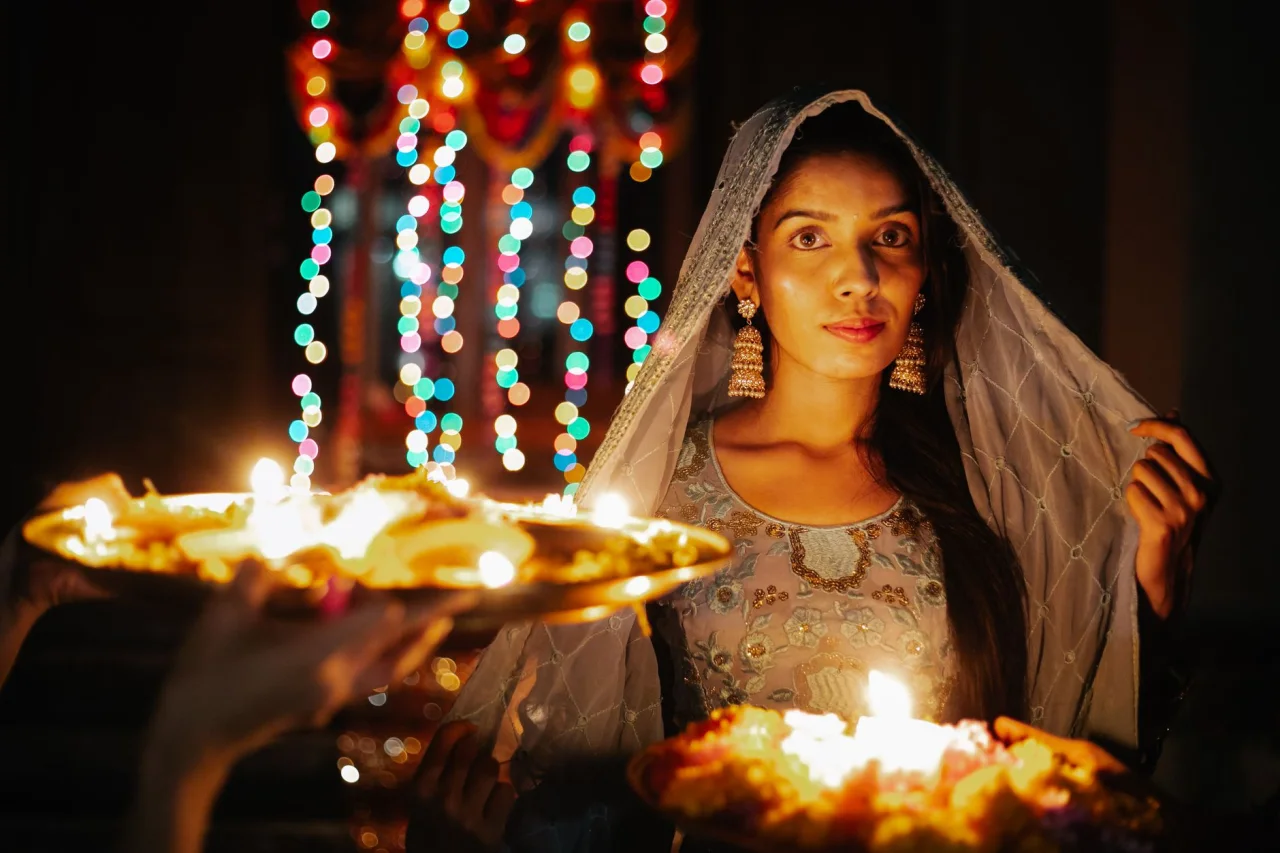
Festive collections are the pieces you reach for when there is somewhere to be: an engagement dinner, a Diwali or Eid party, a milad, a family celebration. This guide explains what to look for in a 2026 festive collection, how to pick one hero outfit that stretches across several events, and the styling moves that make a mid-range festive suit look genuinely special.
The short version
- Festive wear sits between everyday and full bridal: dressy, celebratory and embellished, but still comfortable enough to sit, eat and dance in.
- One versatile hero outfit, restyled with different jewellery and dupattas, beats buying a new piece for every event.
- Semi-formal chiffon, organza, raw silk and lightly worked velvet are the fabrics that carry most festive occasions.
- Prices vary widely by fabric, hand-work and retailer, so treat online figures as starting points and confirm current pricing.
What counts as festive wear
Festive wear is the dressed-up middle of your wardrobe. It is more embellished and celebratory than daily clothing, but lighter and more wearable than bridal couture. Think of it as event dressing: the suits, saris, lehengas and formal kurta sets you wear to other people's celebrations rather than your own wedding. For the full definition and history, our complete guide to festive wear lays it out, and our festive wear design ideas for 2026 show the range of cuts.
The reason festive collections deserve their own thinking is that they carry the heaviest social calendar of the year, and buying badly here is expensive. A little planning turns one or two smart purchases into a whole season of looks.
How to read a 2026 festive collection
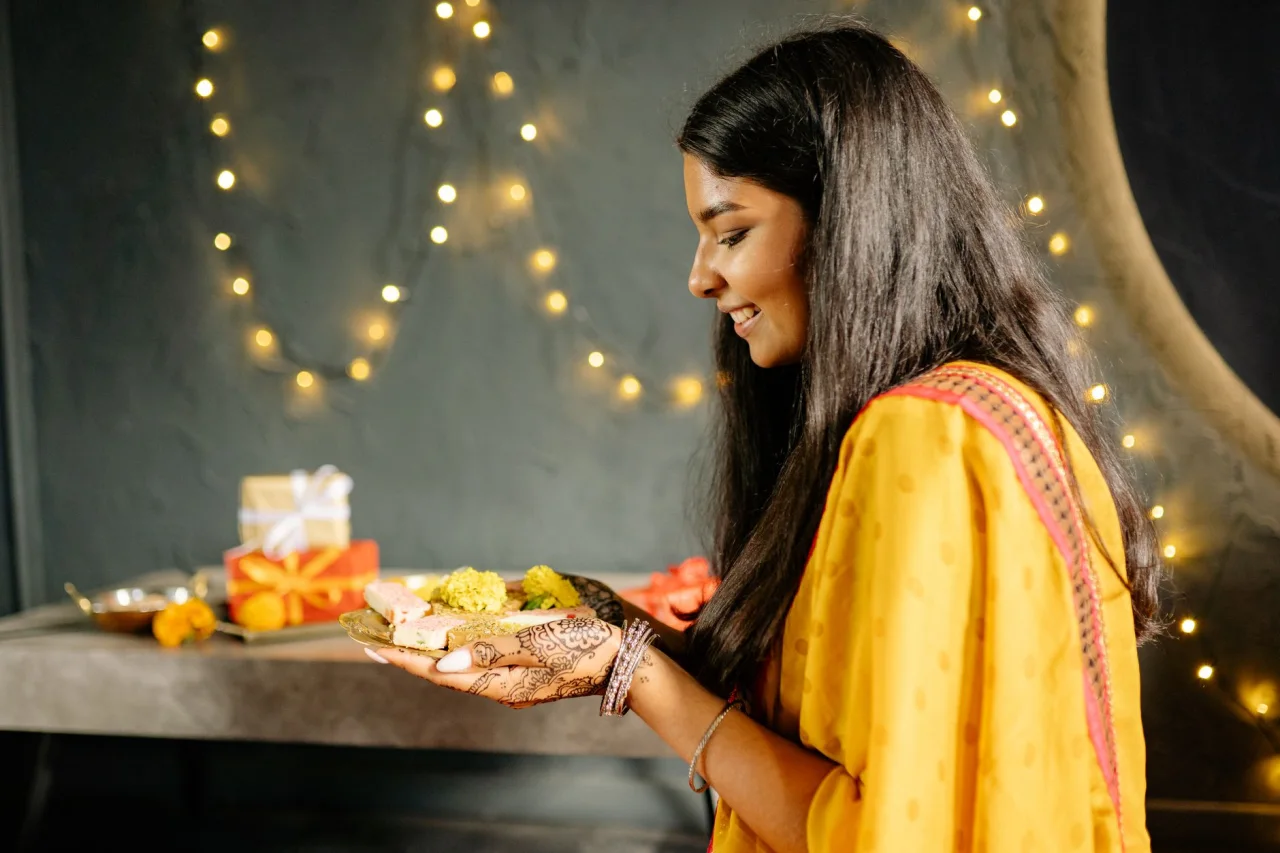
Festive drops usually blend a few silhouettes, and knowing them helps you shop with intent rather than by impulse.
- The formal suit. An embroidered kameez with a worked dupatta and coordinating trousers or a churidar. The most versatile festive buy.
- The anarkali or gown. A long, flared silhouette that flatters almost everyone and instantly reads as occasion wear.
- The lehenga or sharara set. A skirt or wide-leg trouser paired with a short top for the dressier, more playful end of festive dressing.
- The festive saree. A silk or organza saree with a contrast blouse, elegant and grown-up for those who prefer draping.
Choose the silhouette that suits both your body and your event before you fall for a specific print. A cut that flatters you will always outperform a beautiful one that fights your frame.
Styling note: build a capsule, not a pile
Buy one strong festive suit, then invest in two dupattas in different tones, one statement jewellery set and a pair of neutral heels. With those extras you can restyle a single outfit for three or four events and no one will notice it is the same base.
Best festive picks for 2026, by event
Match the outfit to the occasion, and the shopping gets much simpler.
- Daytime functions and mehndis. Bright, playful colour in lighter fabrics, with mirror work or gota-style embellishment for a celebratory but breathable look.
- Dinners and parties. A semi-formal chiffon or raw-silk suit in a jewel tone, or a floor-length anarkali, styled with statement earrings.
- Engagements and dressier evenings. A lightly worked lehenga or a formal saree, with the embellishment turned up but still under bridal level. Our engagement dress ideas go deeper here.
- Wedding-guest duty. When the festive season overlaps the wedding season, a versatile formal doubles perfectly. See what to wear to a Pakistani wedding as a guest.
Fabrics and colours that carry the season
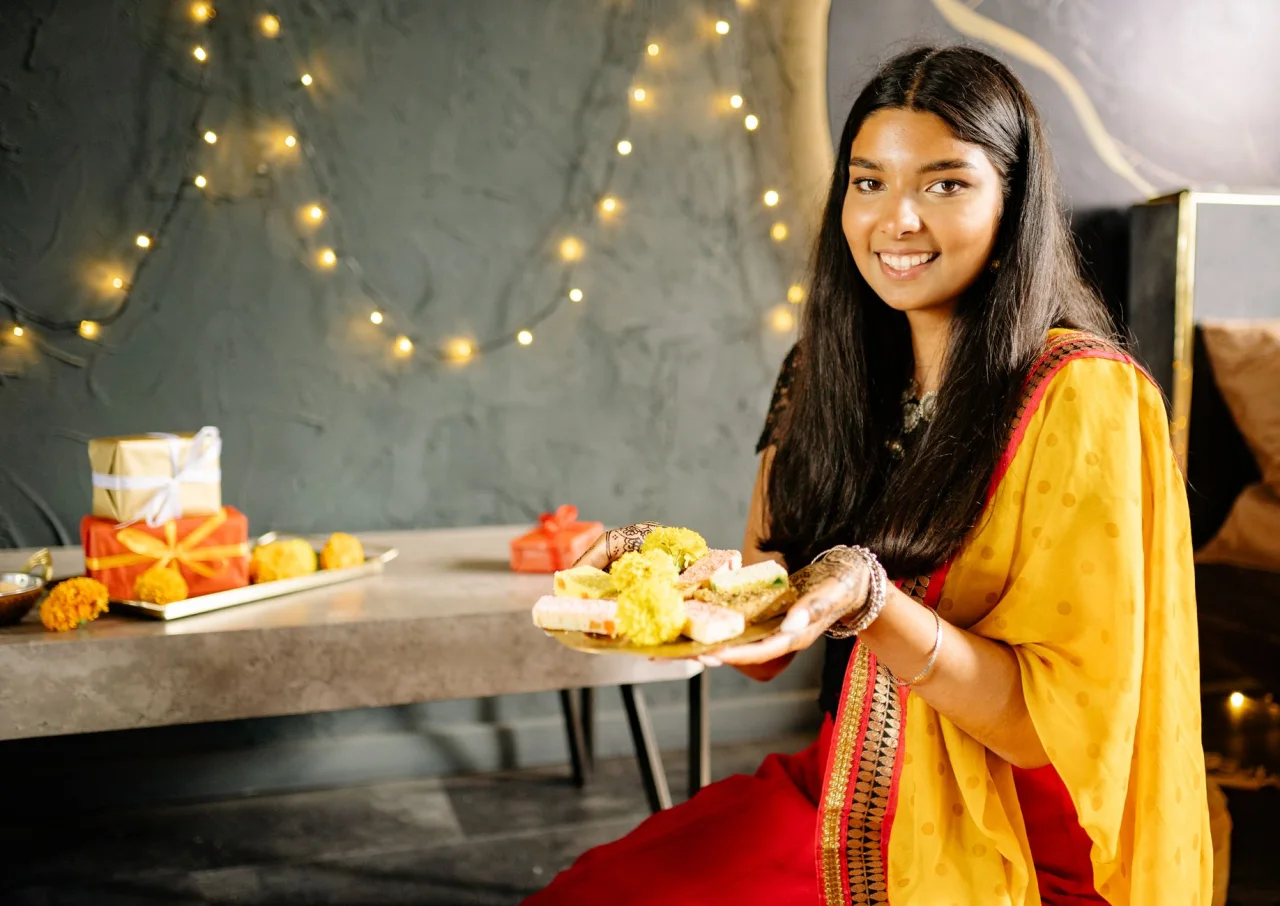
Festive fabrics balance shine and comfort. Chiffon and organza bring lightness and a soft sheen, raw silk adds structure and richness, and lightly worked velvet suits cooler-weather events. The key is choosing fabric you can genuinely move in, because festive occasions mean hours of sitting, eating and dancing.
On colour, festive dressing rewards richness: emerald, ruby, sapphire, plum, gold and copper all photograph beautifully in event lighting, while blush, ivory and champagne offer a softer festive route. As a rule, the heavier the embroidery, the more you can let the colour stay classic, and the plainer the fabric, the bolder your colour can be.
Designer versus high-street festive collections
Both tiers produce lovely festive wear, and the honest differentiator is fabric quality, hand-work and fit rather than the logo. Established Pakistani textile houses run large festive lines every year across price points. As a real example to research, Gul Ahmed traces back to a textile business begun in the early 1900s and was incorporated as Gul Ahmed Textile Mills in 1953, and is headquartered in Karachi, per Wikipedia. Our Gul Ahmed brand guide covers where it sits on price and style.
Whichever tier you shop, a tailor is your best friend for festive wear. Getting the fit of a formal exactly right is what separates an outfit that looks bought from one that looks made for you.
Buying tip: check the work up close
On embellished festive pieces, inspect the embroidery from the inside as well as the front. Neat, secure thread-work and well-finished seams signal quality that will survive a full night of wear, while loose or scratchy work will fray and irritate after a few hours.
Where festive fits the seasonal calendar
Festive dressing peaks around the big celebration windows and overlaps heavily with Eid and wedding season. The wardrobe logic carries across all three, so it is worth reading them together. Our Eid collection guide for 2026 covers the religious-festival end, while the wedding collection guide handles the dressiest events. When the calendar quietens and warms up, the spring collection guide shifts you back to lighter fabrics and prints.
Pulling your festive look together
The winning approach is a capsule mindset: buy one versatile hero outfit in a flattering silhouette and a rich, wearable colour, then extend it with dupattas, jewellery and shoes. Add one clear focal point per look, keep the fabric comfortable, and you will have a festive season sorted without a cupboard full of single-wear regrets.
Frequently asked questions
What is the difference between festive wear and bridal wear?
Festive wear is dressy, celebratory and embellished, but it is meant for attending events rather than being the centre of one. Bridal wear is heavier, more elaborate and built around a single wedding moment. Festive pieces prioritise versatility and comfort so you can wear them to several occasions, while bridal is usually a one-off statement outfit.
How do I make one festive outfit work for several events?
Treat it as a capsule. Buy one strong festive suit or formal, then invest in two dupattas in different tones, one statement jewellery set and neutral heels. Swapping those accessories restyles the same base for three or four occasions, and most people will never notice it is the same outfit.
What fabrics are best for festive occasions?
Semi-formal fabrics that balance shine and comfort work best: chiffon and organza for lightness, raw silk for structure and richness, and lightly worked velvet for cooler-weather events. The most important thing is choosing fabric you can genuinely sit, eat and dance in, because festive events run for hours.
What colours suit festive collections in 2026?
Rich, saturated colours photograph beautifully in event lighting, so emerald, ruby, sapphire, plum, gold and copper all work well, while blush, ivory and champagne offer a softer route. As a guide, the heavier the embroidery the more classic your colour can stay, and the plainer the fabric the bolder you can go.
How much should I expect to spend on festive wear?
Festive prices span a wide range, from affordable semi-formal suits to heavily embellished designer pieces, and they vary by fabric, hand-work and retailer. Treat any figure you see online as a starting point, and confirm current pricing directly with the seller before you buy.
More on Fashion Trends
Have a question or a topic to suggest?
We read every message. Tell us what you would like to see next in the journal.
Get in touch