What Is Festive Wear?
What festive wear means, the silhouettes and fabrics that define it, and how it sits between casual and wedding dressing.
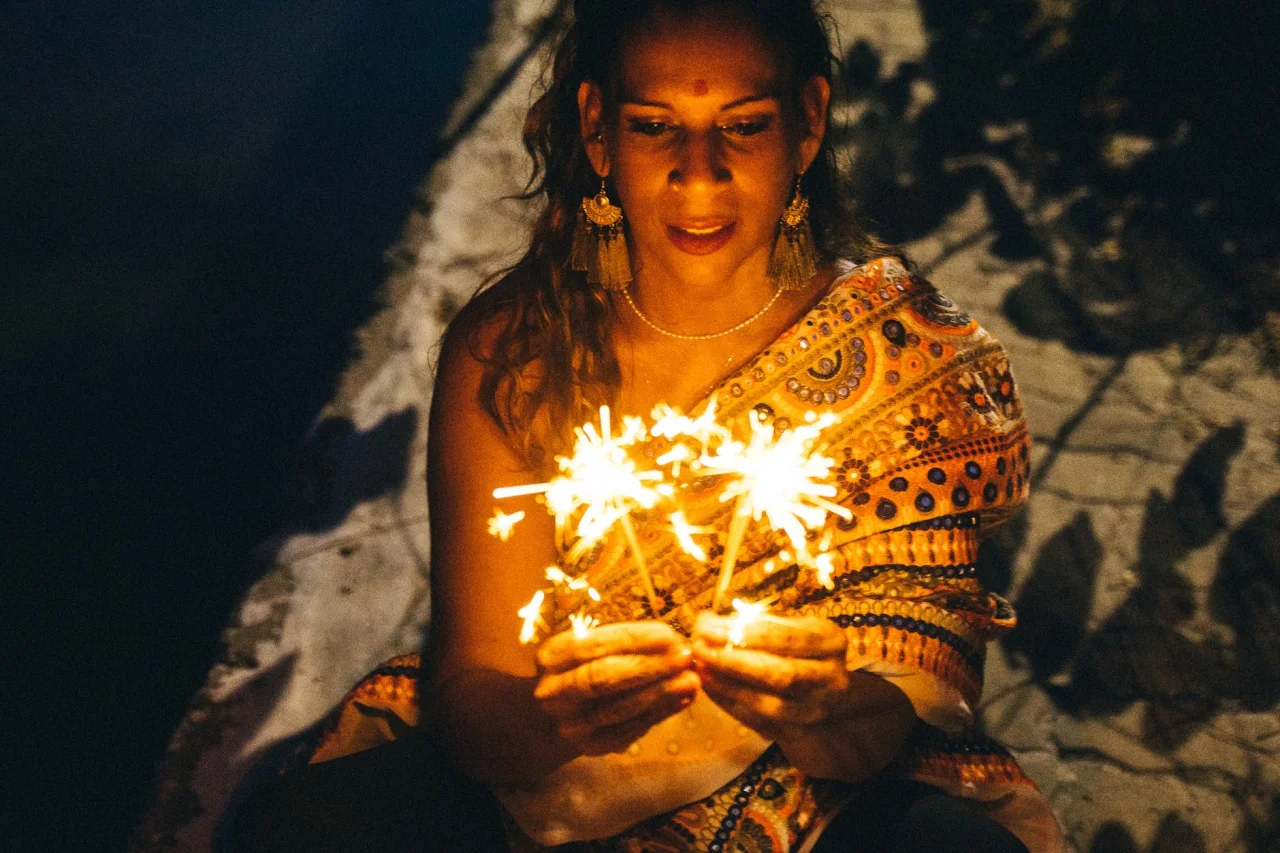
Festive wear is the umbrella term for the dressier South Asian outfits we save for Eid, Diwali, family functions and celebrations that sit a notch above everyday clothes but stop short of full bridal formality. It is less a single garment than a category defined by richer fabric, more visible embellishment and a clear sense of occasion. This guide explains what festive wear actually means, who it suits and how to tell it apart from casual and wedding dressing.
The short version
- Festive wear is occasion dressing for festivals and family celebrations, brighter and more embellished than daily clothes.
- It spans many silhouettes: kurta sets, anarkalis, lehengas, shararas, saris and lawn or chiffon suits.
- The markers are fabric quality, embroidery and finish, not one fixed cut or colour.
- It sits between casual and wedding wear, so it is dressy without the weight and price of full bridal couture.
What festive wear actually means
There is no single garment called "festive wear." The phrase describes intent rather than shape. When a family dresses up for Eid morning, a Diwali dinner, a Navratri night or a cousin's engagement, they reach for pieces that read as celebratory: a little shine, a little embroidery and colours that photograph well against fairy lights. That is festive wear, whether it takes the form of a flared anarkali, a lehenga, a crisp kurta set or a draped sari.
The category is broad on purpose. South Asia hosts dozens of religious and regional festivals across the year, and dress codes shift with each one. What unites them is the step up from routine clothing: better cloth, more deliberate styling and accessories that finish the look. Understanding festive wear as a spectrum, rather than a checklist, makes it far easier to shop for.
The occasions festive wear is made for
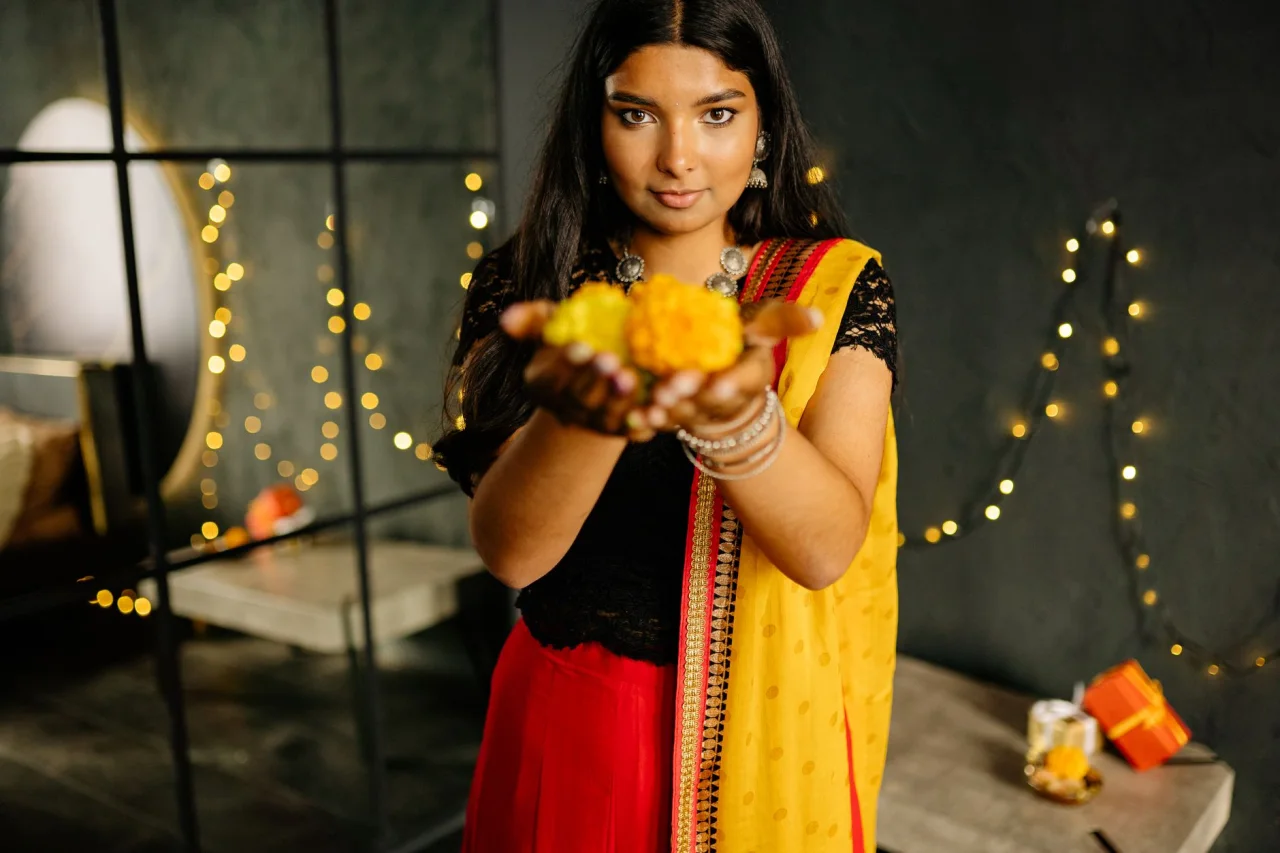
Different celebrations pull festive wear in slightly different directions. Knowing the occasion first makes the outfit choice obvious.
- Eid al-Fitr and Eid al-Adha: fresh, well-finished suits and kurta sets, often in pastel or jewel tones, with modest embroidery for morning prayers and dressier pieces for the visits that follow.
- Diwali and Navratri: warm, luminous colours, mirror work and lehengas or ghagra cholis, especially for garba and dandiya nights in western India.
- Family functions: engagements, birthdays, anniversaries and dinners where you want to look polished without upstaging a bride or host.
- Milad and religious gatherings: covered, graceful silhouettes in quieter palettes that stay respectful of the setting.
If you are dressing specifically for a celebration meal, our roundup of festive wear designs trending in 2026 breaks the ideas down by occasion and budget.
Common festive wear silhouettes
Because the category is so wide, it helps to know the recurring shapes you will meet while shopping:
- Kurta and kurta sets: the most versatile festive base, easy to dress up with embroidery, a dupatta and jewellery.
- Anarkali: a long, flowing frock-style top over a fitted or churidar bottom, elegant and forgiving. The Anarkali silhouette is a festive-season favourite for its floor-sweeping drama.
- Lehenga and ghagra choli: a pleated skirt, fitted blouse and dupatta, the go-to for Navratri and dressier evenings.
- Sharara and gharara: flared and pleated trouser sets with festive weight and movement.
- Sari: timeless drape that suits almost every festival with the right fabric and blouse.
- Lawn and chiffon suits: lighter festive options popular across Pakistan for daytime celebrations.
To go deeper on any one shape, our guides to the lehenga and the salwar kameez cover fit and styling in detail.
The fabrics that signal "festive"
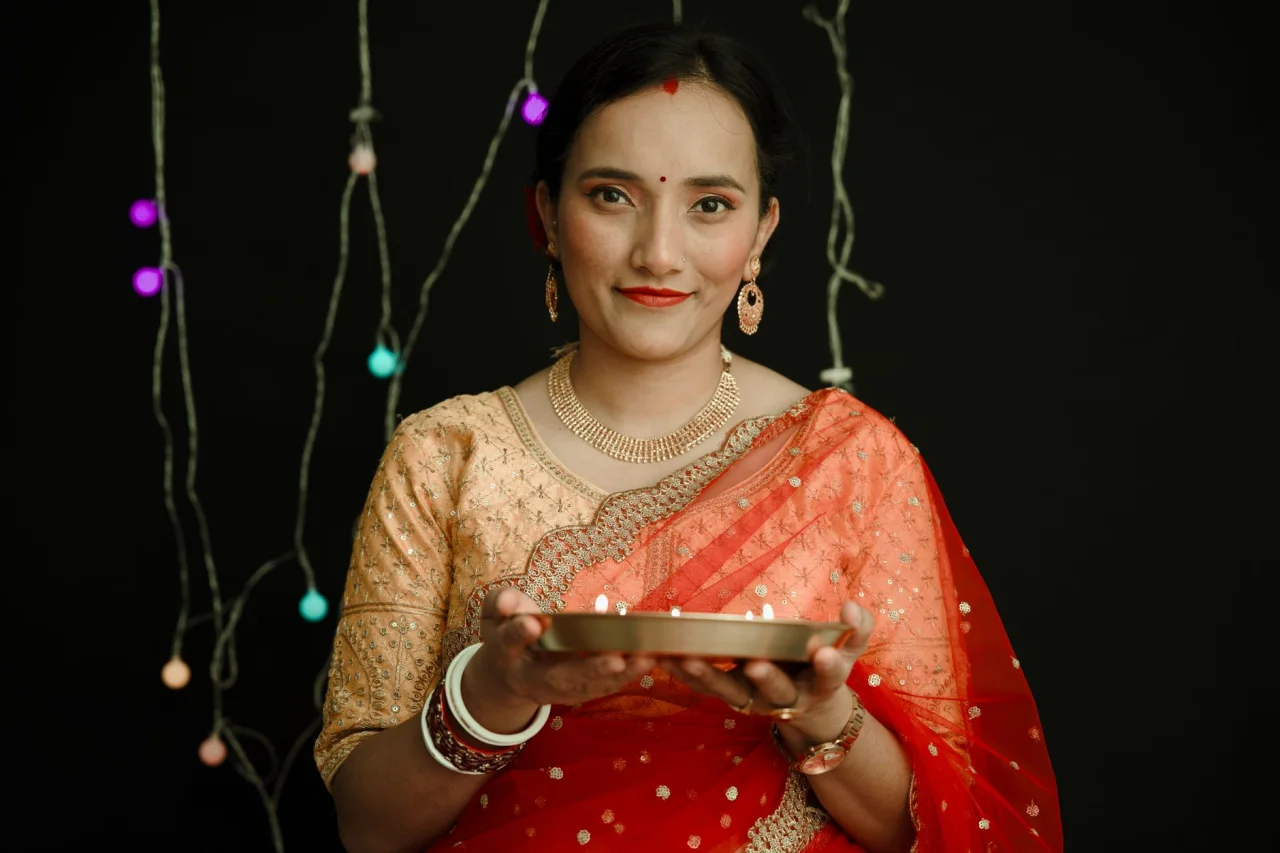
Fabric does most of the work in lifting an outfit from everyday to festive. Lightweight festive dressing leans on chiffon, georgette, organza and fine lawn, which drape softly and catch the light. Cooler-weather celebrations bring in raw silk, velvet, jacquard and net, which hold structure and carry heavier embroidery. Silk in particular has long been the material of celebration across the subcontinent, from the gold-shot Banarasi weaves of Varanasi reserved for special occasions to lustrous festive suits.
If you are unsure which cloth suits your climate and event, browse our fabric explainers on organza and silk before you buy.
Styling note
For festive wear, let one element lead. If the outfit carries heavy embroidery, keep jewellery and makeup restrained. If the fabric is plain, add impact with statement earrings, a contrast dupatta or a bold lip. Balance stops a celebratory look from tipping into costume.
Embroidery and embellishment
Surface work is what most people picture when they think of festive clothing. The classic techniques include zari and tilla metallic thread, dabka and gota, resham thread work and mirror work. Metal embroidery such as zardozi, which flourished under the Mughal courts and uses gold and silver toned wire on silk, satin or velvet, remains the benchmark for luxurious festive detailing. For lighter looks, delicate chikankari and thread embroidery add texture without weight. Reading the embroidery tells you a lot about an outfit's quality and how formal it is meant to be.
Festive wear versus casual and wedding wear
The clearest way to place festive wear is to bracket it between two neighbours.
- Versus casual wear: casual clothes prioritise comfort and plainness. Festive wear keeps comfort but adds shine, embroidery and richer colour for a celebratory mood.
- Versus wedding wear: wedding outfits, especially bridal ones, go heavier still, with dense hand embroidery, luxury fabrics and prices to match. Festive wear is dressy but wearable more than once, and it should never compete with a bride.
If your celebration is actually a wedding, start with our complete guide to wedding wear instead, which covers the multi-event dressing that festivals do not require.
Colour, season and the mood of a festival
Colour choice in festive wear is rarely arbitrary; it tracks the season and the spirit of the occasion. Bright, warm tones such as red, orange, fuchsia and mustard suit high-energy celebrations like Navratri and Diwali, where they read joyful under evening lights. Softer pastels and ivories feel right for daytime Eid gatherings and spring functions. Jewel tones like emerald, sapphire and wine carry weight for cooler-weather evenings, while metallics such as antique gold and copper flatter almost every skin tone and photograph beautifully. Matching your palette to both the weather and the tone of the event is an easy way to look considered rather than simply dressed up. For occasion-specific inspiration, our roundups of Eid outfit ideas translate these ideas into complete looks.
Who festive wear suits and how to choose
Festive wear works for every age, body type and budget because the category is so elastic. The trick is matching silhouette to occasion and comfort. Anarkalis and A-line kurtas flatter most frames and allow easy movement; lehengas suit those happy to carry more volume; straight kurta sets read modern and fuss-free. Choose fabric for the weather, embroidery for the formality of the event, and colour for the season and the celebration.
On price, be realistic and flexible. High-street lawn and cotton festive suits are affordable, mid-market embroidered anarkalis and lehengas cost more, and designer or couture festive pieces climb steeply. Ranges vary widely by fabric, amount of hand work and retailer, so always confirm current pricing before you commit rather than trusting a fixed figure.
Buying tip
Buy festive wear you can restyle. A well-cut kurta or anarkali in a versatile colour can reappear across several festivals with different dupattas and jewellery, which makes even a slightly higher spend worthwhile over the year.
Frequently asked questions
What is festive wear?
Festive wear is South Asian occasion clothing worn for festivals and family celebrations such as Eid, Diwali and engagements. It is dressier than everyday clothes, marked by richer fabric, embroidery and celebratory colour, but it is not as heavy or formal as bridal wear. It spans many silhouettes, including kurta sets, anarkalis, lehengas, shararas and saris.
What is the difference between festive wear and wedding wear?
Festive wear is dressy but wearable more than once and suits festivals and functions. Wedding wear, especially bridal, is heavier, uses denser hand embroidery and luxury fabrics, costs considerably more and is built around a series of ceremonies. Festive wear should also never outshine a bride at an actual wedding.
Which fabrics are best for festive wear?
For warm weather, chiffon, georgette, organza and fine lawn drape well and stay comfortable. For cooler seasons and heavier looks, raw silk, velvet, jacquard and net hold structure and carry embroidery. Silk is the traditional celebration fabric across the subcontinent.
Can I wear festive wear more than once?
Yes. That is one of its advantages over bridal wear. A versatile anarkali, lehenga or kurta set in a flattering colour can be restyled across several festivals with different dupattas, jewellery and footwear, which makes it a practical wardrobe investment.
How much does festive wear cost?
Prices range widely, from affordable high-street lawn and cotton suits to mid-market embroidered anarkalis and lehengas, up to designer and couture pieces that cost far more. The figure depends on fabric, the amount of hand embroidery and the retailer, so always confirm current pricing before buying.
More on Clothing Types
Have a question or a topic to suggest?
We read every message. Tell us what you would like to see next in the journal.
Get in touch