Festive Wear Designs: 20+ Ideas
Twenty-plus festive design ideas grouped by occasion and budget, plus fabric, colour and accessory directions for the year.
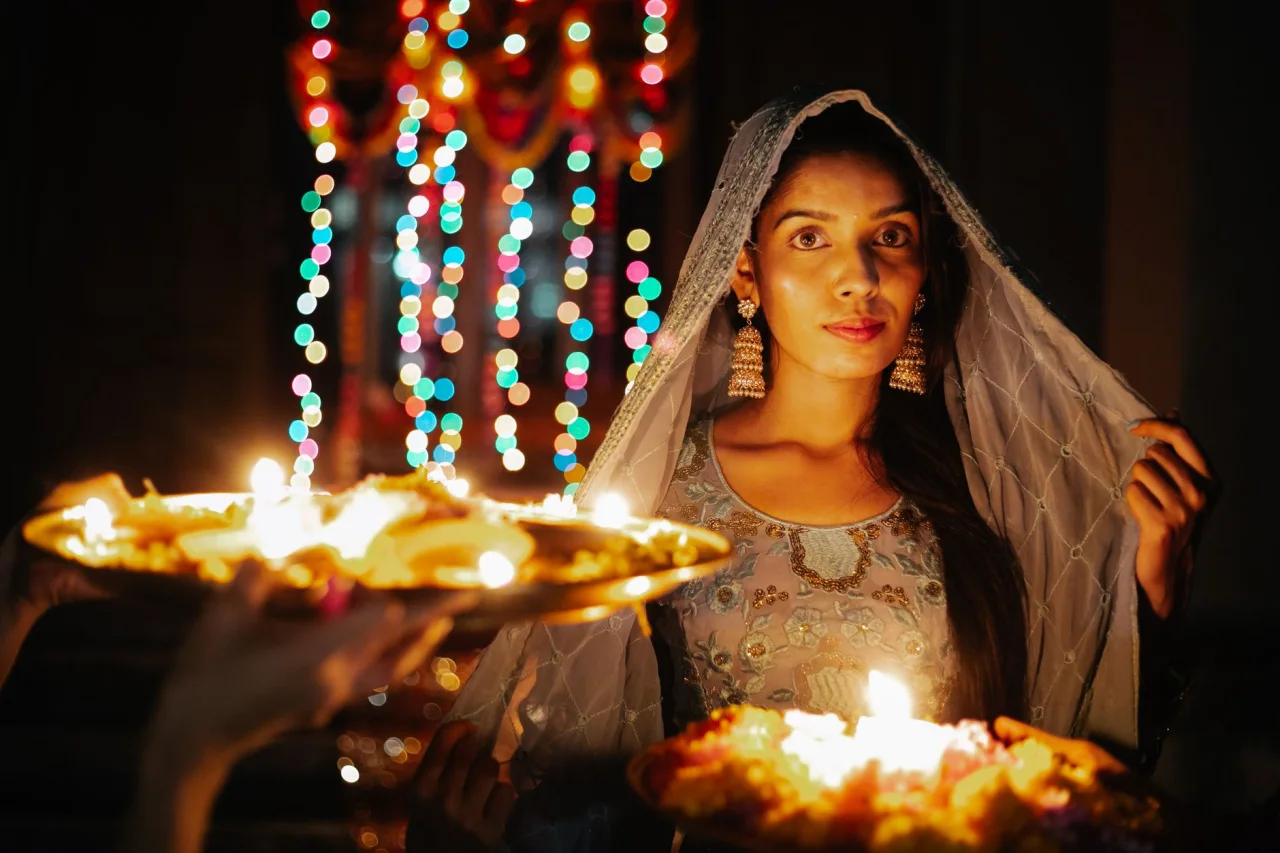
Festive dressing in 2026 is leaning into two ideas at once: fuss-free, wearable silhouettes for the day, and richly textured statement pieces for the evening. Below are more than twenty festive wear design ideas, grouped by occasion and by budget so you can find something that fits your celebration and your spend. Treat this as an inspiration menu, not a rulebook.
The short version
- Daytime festive looks favour light fabrics, pastels and delicate embroidery.
- Evening looks bring in velvet, organza, mirror work and metallic thread.
- We group ideas by occasion (Eid, Diwali, functions) and by budget tier.
- These are style directions to adapt, not a ranked or sales-based trend list.
How to read this list
There is no official leaderboard of festive designs, and any site claiming exact sales rankings is guessing. What follows are silhouettes and details that stylists, designers and shoppers keep returning to, organised so you can match them to a real occasion. Pick the section that matches your event, then adjust fabric, colour and embroidery to your climate and budget. For the wider context on what counts as festive dressing, start with our complete guide to festive wear.
Eid festive designs
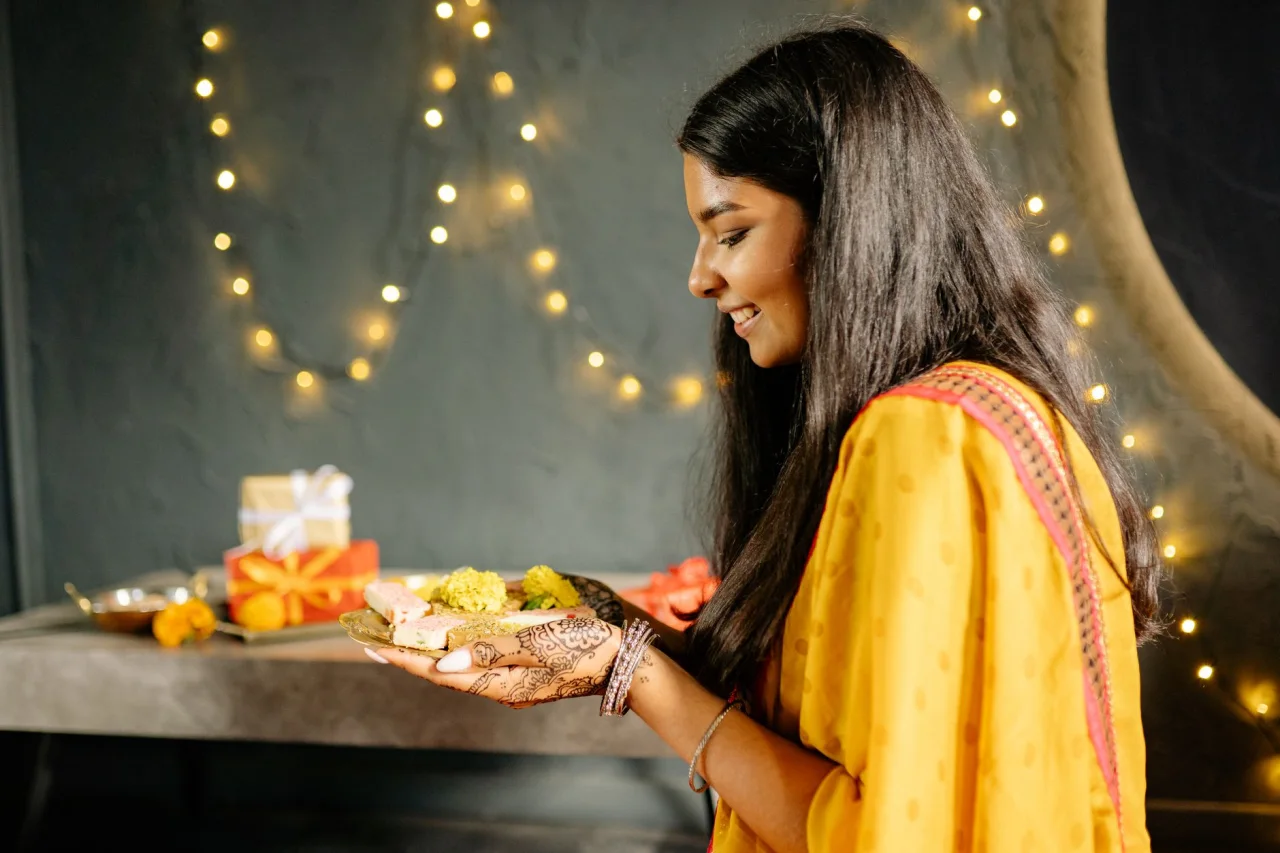
Eid dressing rewards freshness and finish over heaviness, especially for morning prayers and daytime visits.
- Pastel embroidered lawn suit: mint, powder blue or blush lawn with fine thread work, ideal for Eid al-Fitr mornings.
- Chikankari kurta set: airy white or pastel chikankari for understated elegance in the heat.
- Straight-cut chiffon suit with tilla: a clean silhouette lifted by metallic tilla borders.
- Short anarkali with churidar: a knee-length flared top for movement and grace.
- Monochrome kurta and palazzo: tonal dressing that reads modern and polished.
For fabric help in warm months, our note on the best fabrics for hot-weather dressing pairs well with these ideas.
Diwali and Navratri designs
These celebrations invite warmer, more luminous colour and, for Navratri garba nights, plenty of movement.
- Mirror-work ghagra choli: the classic Navratri twirl piece, bright and full-skirted.
- Jewel-tone velvet anarkali: emerald, wine or sapphire velvet for cooler Diwali evenings.
- Organza sari with sequin border: lightweight shine that photographs beautifully by candlelight.
- Bandhani or leheriya kurta set: traditional tie-dye prints in festive reds and yellows.
- Gota-work lehenga: the lehenga or ghagra choli in a festive skirt-and-blouse pairing with metallic gota edging.
Styling note
For twirl-heavy nights like garba, prioritise a skirt with real flare and a secure blouse fit over dense embroidery. You want movement and comfort first; the shine can come from the dupatta and jewellery.
Family function and party designs
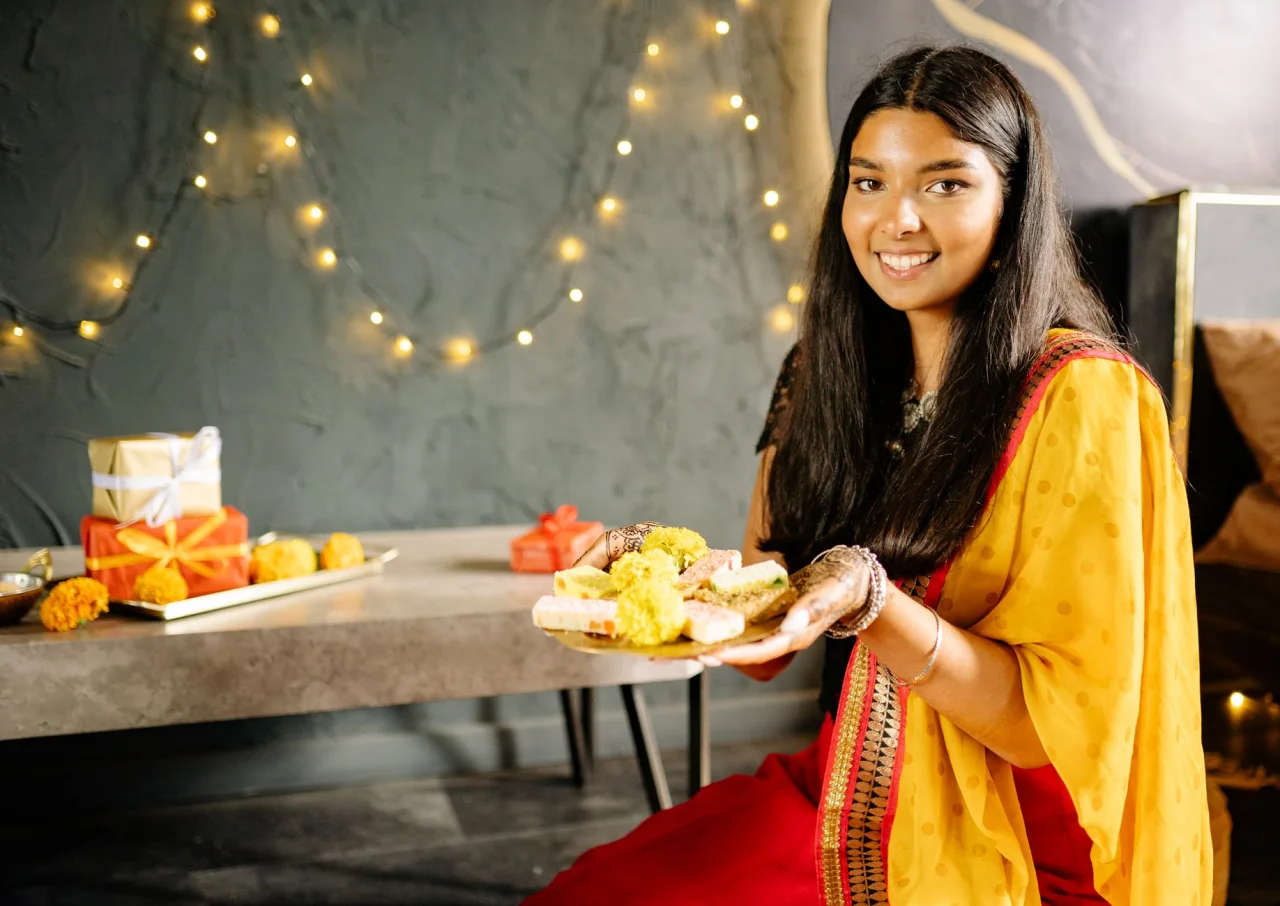
Engagements, dinners and milestone celebrations call for dressy pieces that stop short of bridal drama.
- Floor-length anarkali gown: a single sweeping piece that needs little styling.
- Sharara set with embroidered kameez: flared, festive and full of movement.
- Contemporary drape sari: pre-pleated or ready-drape styles for an easy modern finish.
- Cape-style kurta set: a layered silhouette that feels current without heavy embroidery.
- Peplum top with lehenga skirt: a fusion pairing popular for evening functions.
To style any of these confidently, see our guides to styling an anarkali and styling a lehenga.
Designs by budget
Festive wear exists at every price point. Rather than quote fixed figures, which shift constantly by fabric, work and retailer, here is how to think in tiers and always confirm current pricing before you buy.
- Entry level: unstitched or ready-to-wear lawn and cotton suits with print or light embroidery. Best value for everyday festive needs.
- Mid range: embroidered chiffon and organza anarkalis, sharara sets and machine-plus-hand-worked lehengas.
- Premium and designer: velvet, raw silk and heavily hand-embroidered pieces with zardozi or dense dabka. Costs climb steeply with hand work.
- Budget: printed lawn kurta set with contrast dupatta.
- Budget: single-colour cotton anarkali dressed up with jewellery.
- Mid: sequinned organza sari with a stitched blouse.
- Mid: georgette sharara set with resham embroidery.
- Premium: velvet anarkali with zardozi yoke.
- Premium: raw silk lehenga with hand embroidery.
A useful rule when you shop across tiers: spend on the fabric and fit at the lower end, and on the hand embroidery at the higher end. A well-tailored budget suit in good lawn often photographs better than a poorly fitted expensive one, so do not assume the priciest option is automatically the most flattering.
Fabric and embroidery directions for 2026
Two texture stories are driving festive design this year. The first is lightweight luminosity: organza, fine chiffon and tissue that let colour and shine do the talking without weight. The second is tactile richness for evening: velvet, raw silk and structured net carrying metallic embroidery. On the surface, expect a continued appetite for gold and silver thread work rooted in the zardozi tradition, alongside softer gota, sequin and mirror detailing for younger, playful looks. For the drape and behaviour of the season's favourite sheers, our chiffon and organza explainers are worth a read.
Accessories that finish a festive look
The outfit is only half the picture; how you accessorise decides whether a festive look reads polished or unfinished. A few reliable moves carry across almost every silhouette on this list.
- Jewellery: jhumkas and chandbali earrings suit heavier ethnic looks, while delicate studs and a fine chain keep lighter pieces modern. Let the outfit's embroidery decide how bold to go.
- Dupatta styling: a contrast or embellished dupatta transforms a plain kurta or anarkali. Drape it over one shoulder for ease or across both for a more formal finish.
- Footwear: embroidered khussas and juttis feel festive and comfortable for long events, while block heels add height without the pain of stilettos on a dance floor.
- Bags and hair: a small potli or embellished clutch and a neat braid, bun or soft waves keep the look intentional rather than fussy.
The principle is restraint: pick one or two statement accessories and keep the rest quiet, so the eye has somewhere to rest.
Choosing a design for your body and comfort
The most flattering festive design is the one you can move, sit and celebrate in comfortably. Anarkalis and A-line silhouettes skim the body and suit almost every frame, while structured lehengas reward those happy to carry volume. Straight kurta sets and shararas read modern and are easy to wear for hours. If an event involves a lot of standing, dancing or floor seating, prioritise breathable fabric and a forgiving cut over the heaviest embroidery. Trying the silhouette on and doing a quick sit-and-reach test tells you more than any trend note. When in doubt, our guide on choosing the perfect anarkali walks through fit, fabric and finishing.
Colour palettes worth trying
Colour is the easiest way to feel current without buying into a whole new silhouette.
- Soft neutrals: ivory, oat, sand and blush for daytime elegance.
- Jewel tones: emerald, ruby, sapphire and amethyst for evening depth.
- Warm metallics: antique gold, copper and bronze that flatter most skin tones.
- Fresh brights: coral, fuchsia and turquoise for festive energy.
If you want a design that feels current without a full wardrobe change, start with colour and accessories rather than a brand-new silhouette. A trusted anarkali or lehenga in a fresh seasonal shade, restyled with a different dupatta and jewellery, will read as new far more affordably than buying a whole new outfit for every function. For occasion-specific ideas, our roundups of Eid outfit ideas and wedding guest outfits extend this list into specific celebrations.
Buying tip
Choose one hero piece per festive season and rotate it. A well-made anarkali or lehenga in a versatile colour can headline several events with fresh dupattas and jewellery, which spreads the cost across the whole calendar.
Frequently asked questions
What festive wear designs are popular for 2026?
Popular directions include pastel embroidered lawn and chikankari for daytime, mirror-work ghagra cholis and velvet anarkalis for evenings, organza saris with sequin borders, sharara sets and fusion pieces like peplum-and-lehenga pairings. These are style directions to adapt to your occasion and budget rather than a ranked list.
What should I wear for Eid versus Diwali?
Eid dressing favours fresh, light and well-finished pieces such as pastel lawn suits, chikankari kurta sets and straight chiffon suits. Diwali and Navratri lean into warmer, more luminous colour with mirror-work ghagra cholis, velvet anarkalis and organza saris, plus full-skirted pieces for garba dancing.
How do I choose festive wear on a budget?
Think in tiers. Entry-level lawn and cotton suits offer the best everyday value, mid-range embroidered chiffon and organza pieces add polish, and premium velvet or hand-embroidered designs cost far more. Prices vary widely by fabric, embroidery and retailer, so always confirm current pricing before buying.
Which fabrics are trending for festive wear?
Two directions dominate: lightweight, luminous fabrics like organza, fine chiffon and tissue for daytime shine, and richer velvet, raw silk and structured net for evening looks that carry metallic embroidery.
Are these designs based on official trend rankings?
No. There is no official sales-based ranking of festive designs. This list gathers silhouettes and details that designers and shoppers keep returning to, organised by occasion and budget so you can adapt them to your own celebration.
More on Clothing Types
Have a question or a topic to suggest?
We read every message. Tell us what you would like to see next in the journal.
Get in touch