What Is Wedding Wear?
The ceremonies, silhouettes and fabrics of wedding wear, plus how to dress by role without overspending.
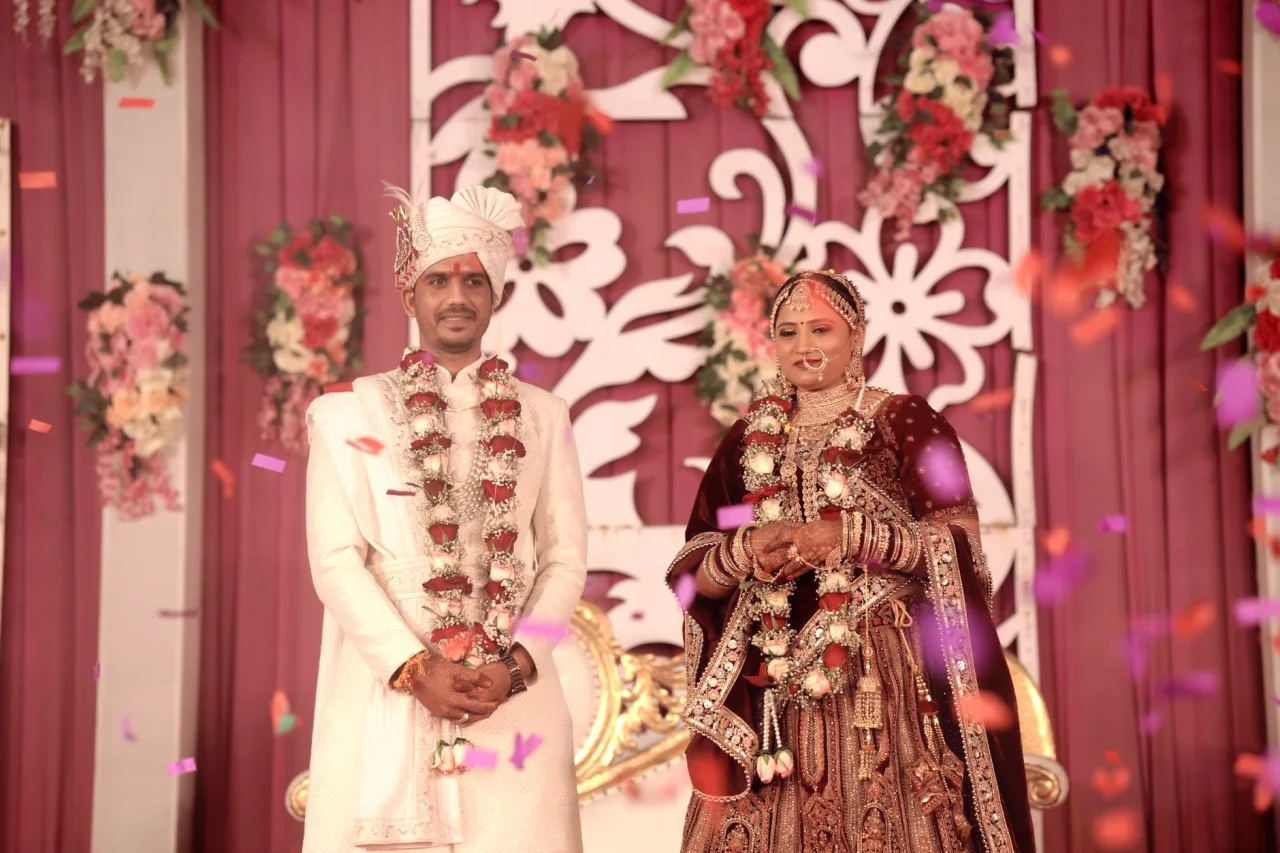
Wedding wear is the category of South Asian clothing made for the many ceremonies that make up a subcontinental wedding, from the mehndi and nikah to the walima or reception. It is the most formal tier of ethnic dressing: heavier fabric, denser hand embroidery and a clear hierarchy between the couple, their families and the guests. This guide explains what wedding wear covers, how it differs by role and event, and how to choose without overspending.
The short version
- Wedding wear spans a series of events, each with its own tone and dress expectations.
- It is the most formal ethnic dressing, defined by luxury fabric and dense hand embroidery.
- Silhouettes include the lehenga, sharara, gharara, heavy sari and the sherwani for men.
- What you wear depends on your role: bride and groom, close family or guest.
What wedding wear really covers
A South Asian wedding is rarely a single day. It is a sequence of functions, often spread across a week, and wedding wear is the clothing built for all of them. That makes it a broad category rather than one dress. It includes the bride's and groom's ceremonial outfits, the coordinated finery of close family, and the dressy but deferential clothes worn by guests. The unifying feature is formality: this is the occasion South Asian dressing takes most seriously.
Because the category is defined by events and roles, the smartest way to approach it is to identify your place in the celebration first, then choose the garment. A guest at a friend's reception and the sister of the bride at a mehndi are dressing to very different briefs, even if both are technically wearing wedding wear. The couple aim to stand out, close family aim to look coordinated and rich, and guests aim to look celebratory while leaving the spotlight to the hosts. Keeping that hierarchy in mind from the start saves both money and awkwardness.
The ceremonies and what they ask for
Each function in a wedding sets a different mood, and wedding wear follows suit.
- Mehndi and mayun: playful, colourful and often floral, with yellows, greens and oranges and lighter, movement-friendly outfits.
- Nikah: the formal marriage ceremony, calling for elegant, often modest and refined dressing.
- Baraat or main wedding day: the most opulent looks, with the bride and groom at their most formal.
- Walima or reception: polished, glamorous evening dressing, frequently in richer or cooler tones.
Our occasion guides go deeper on each, including the mehndi dress, the nikah outfit and the walima dress.
Wedding wear silhouettes for women
The formal end of ethnic fashion offers a set of recurring bridal and occasion shapes:
- Lehenga choli: the definitive modern bridal silhouette. The lehenga or ghagra choli pairs a long embroidered skirt, a fitted blouse and a dupatta, and is the favourite for weddings across North and West India.
- Sharara and gharara: flared and pleated trouser sets with deep heritage in Muslim wedding dressing.
- Heavy silk sari: the timeless choice, from gold-shot Banarasi to Kanjeevaram weaves.
- Anarkali and gown: floor-length flared silhouettes for receptions and lighter functions.
For fit and styling detail, see our full guides to the lehenga choli and the sharara.
Wedding wear for men
Men's wedding wear is anchored by the sherwani, a long, fitted, button-front coat that falls below the knee and evolved in the 19th century from earlier forms like the angarkha. It is now the definitive groom's outfit across India, Pakistan and Bangladesh, usually paired with churidars in India or a shalwar in Pakistan, and finished with detailed embroidery. Kurta sets, embroidered waistcoats and the bandhgala or Jodhpuri suit round out the men's formal wardrobe, giving grooms and male guests a clear scale from restrained to opulent.
Etiquette note
As a guest, avoid heavy reds and full bridal looks that could read as competing with the bride, and steer clear of the exact colour scheme the couple has chosen if you know it. Dress richly, but leave the spotlight where it belongs.
Fabrics and embroidery that define wedding wear
Wedding wear is where the most luxurious materials appear: raw silk, pure silk, velvet, heavy net, organza and jacquard, chosen to carry weight and hold structure. The embroidery is the real signature. Dense hand techniques such as zardozi metal work, which flourished under the Mughal courts using gold and silver toned wire, along with dabka, tilla, gota and mirror work, distinguish bridal pieces from everyday festive ones. The amount and quality of hand embroidery is also the single biggest driver of price. To understand the cloth first, browse our explainers on silk and velvet.
Wedding wear versus festive wear
The two categories overlap but are not the same. Festive wear is dressy, wearable more than once and made for festivals and functions. Wedding wear is heavier, more formal, built around a sequence of ceremonies and, in the case of bridal outfits, often worn only once. If your event is a festival rather than a wedding, our complete guide to festive wear is the better starting point. As a rule, wedding wear sits at the top of the formality ladder, with festive wear a comfortable step below.
Jewellery and accessories complete the picture
Wedding wear is never just the garment. The jewellery and finishing details are integral, and they follow the same hierarchy as the clothes. Brides build the traditional picture with pieces like the maang tikka, matha patti, statement necklaces, nose ring and chooda, balanced so no single element overwhelms the face. Grooms lift a sherwani with a brooch, a kalgi on the turban and a well-tied safa or pagri. Close family accessorise richly but a notch below the couple, and guests keep to one or two tasteful statement pieces. Footwear matters too, since ceremonies run long: embroidered khussas, juttis and comfortable block heels save the day more often than delicate stilettos. Planning jewellery alongside the outfit, rather than after it, is what makes a wedding look feel complete and intentional.
How to choose wedding wear without overspending
Cost is the anxious part of wedding dressing, so approach it by role and by tiers rather than fixed prices. Bridal couture with heavy hand embroidery sits at the top and climbs steeply. Close-family outfits occupy a rich mid-to-premium band. Guests can look excellent in mid-range embroidered lehengas, shararas, saris or sherwanis. Because figures shift constantly with fabric, hand work and retailer, treat any quoted number as indicative and confirm current pricing before you buy.
- Match spend to role: invest most where you are most central to the day.
- Rent or re-wear: heavy pieces you will use once are strong candidates for rental or restyling.
- Prioritise fit: good tailoring elevates even a mid-range outfit more than extra embroidery does.
Colour also plays a role in spending wisely. Traditional bridal reds and heavy golds concentrate the most expensive craft, but pastel and jewel-tone pieces for secondary events can be lighter and more re-wearable, spreading your budget across the calendar. Deciding early which single event deserves your showpiece outfit, and dressing the rest more moderately, keeps the whole wardrobe affordable without anyone looking underdressed.
Buying tip
Order and fit wedding wear well ahead of the date. Hand-embroidered pieces need time to make and alter, and last-minute tailoring is where most wedding outfits go wrong. Build in weeks, not days.
Frequently asked questions
What is wedding wear?
Wedding wear is the most formal tier of South Asian clothing, made for the sequence of ceremonies in a subcontinental wedding, such as the mehndi, nikah, main day and walima. It is defined by luxury fabrics and dense hand embroidery, and includes lehengas, shararas, heavy saris and gowns for women and the sherwani for men.
How is wedding wear different from festive wear?
Festive wear is dressy but wearable more than once and suits festivals and functions. Wedding wear is heavier, more formal and built around a series of ceremonies, and bridal pieces are often worn only once. Wedding wear sits at the top of the formality ladder, with festive wear a step below.
What do men wear to a South Asian wedding?
The sherwani is the definitive men's wedding outfit, a long fitted button-front coat worn with churidars or a shalwar. Kurta sets, embroidered waistcoats and the bandhgala or Jodhpuri suit provide a range from restrained to opulent for grooms and male guests.
What should a wedding guest wear?
Guests should dress richly but avoid competing with the couple. That means steering clear of full bridal looks, heavy reds and the couple's known colour scheme. Mid-range embroidered lehengas, shararas, saris or sherwanis are ideal, finished with tasteful jewellery.
How much does wedding wear cost?
It varies enormously by role, fabric and embroidery. Bridal couture with heavy hand work is the most expensive and climbs steeply, close-family outfits sit in a premium band, and guests can look excellent in mid-range pieces. Always confirm current pricing before buying, as figures shift with fabric, hand work and retailer.
More on Clothing Types
Have a question or a topic to suggest?
We read every message. Tell us what you would like to see next in the journal.
Get in touch