Wedding Wear Designs: 20+ Ideas
Twenty-plus wedding design ideas by ceremony, role and budget, plus accessories and fabric directions for the year.
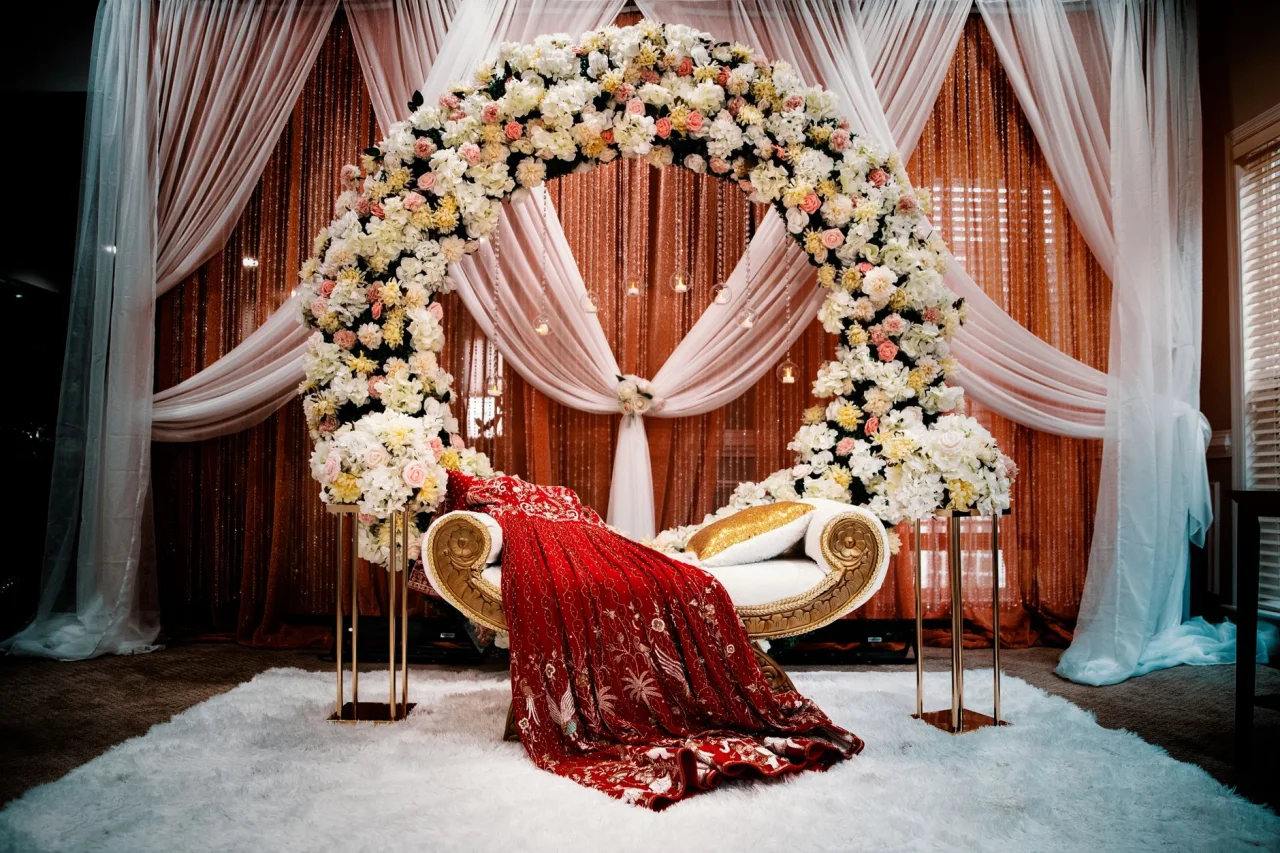
Wedding dressing in 2026 balances heritage craft with lighter, more wearable construction. Brides and grooms want statement embroidery that still lets them move and dance, and guests want elegance without excess. Below are more than twenty wedding wear design ideas, organised by ceremony, by role and by budget, so you can find a direction that fits your place in the celebration. Read it as inspiration, not a ranking.
The short version
- Bridal looks lean into lehengas, shararas and heirloom silks with hand embroidery.
- Grooms centre on the sherwani, with lighter and coloured variations trending.
- Guest looks stay rich but deferential, avoiding bridal reds and the couple's palette.
- Ideas are grouped by ceremony and budget tier, not by any sales-based leaderboard.
How to use this list
No one publishes a verified ranking of wedding designs, and figures for what is "number one" are guesswork. What follows are silhouettes and details that designers and couples keep choosing, arranged so you can match them to a real ceremony and role. Decide where you sit in the wedding first, then adapt fabric, colour and embroidery to your budget. A design that is perfect for a bride can be entirely wrong for a guest, and a groom's showpiece is not what a brother of the bride needs, so role is the filter that makes every other choice easier. For the bigger picture, start with our complete guide to wedding wear.
Bridal designs
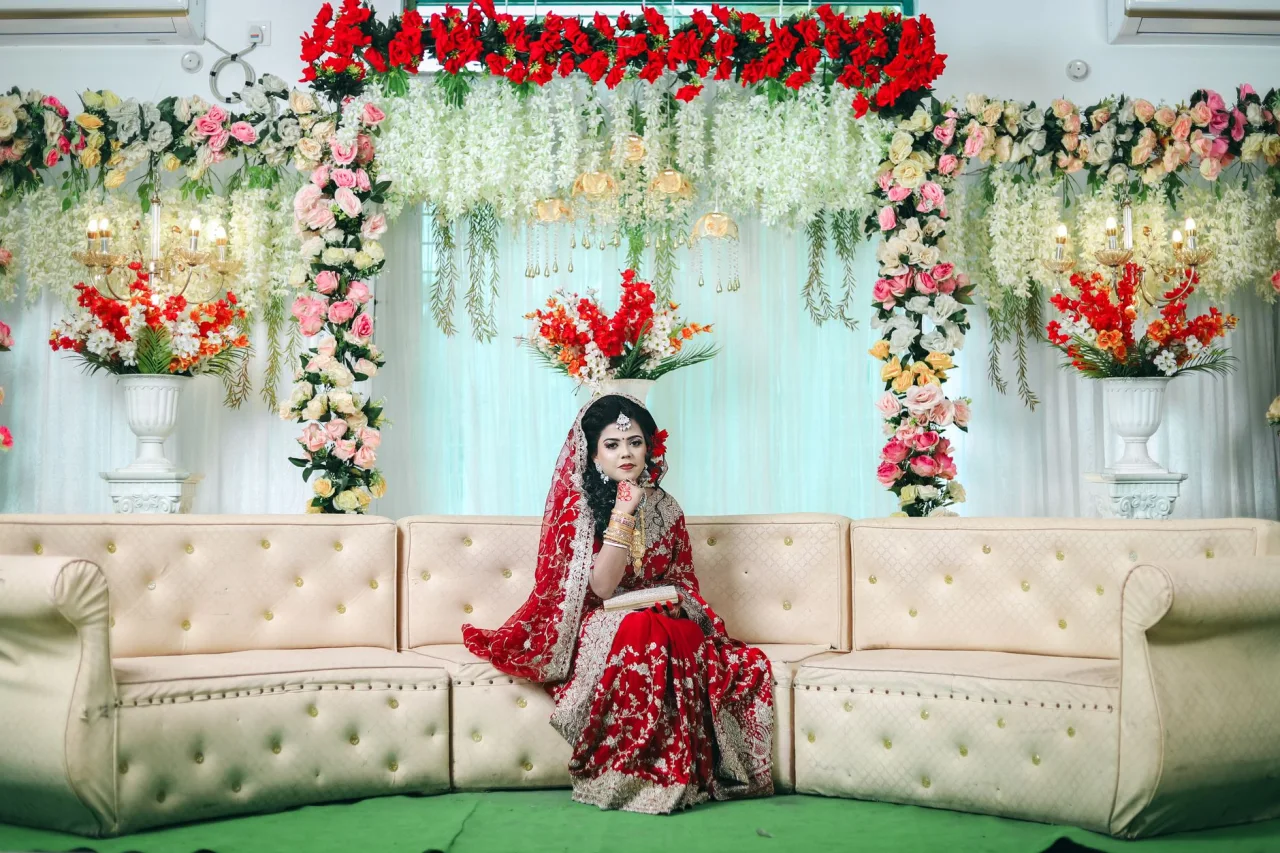
The bride's looks carry the most craft and are usually spread across events.
- Hand-embroidered lehenga choli: the classic bridal centrepiece, with zardozi or dabka on a full skirt.
- Heirloom Banarasi sari: the gold-shot Banarasi silk from Varanasi, a timeless choice for the main day or nikah.
- Regal sharara set: flared and pleated with a heavily worked kameez, rooted in Muslim bridal tradition.
- Pastel reception lehenga: ivory, blush or sage with delicate work for a modern evening look.
- Floor-length embroidered gown: a fusion option for the walima or reception.
For fit and draping detail, see our guides to the lehenga choli and the sharara.
Groom and men's designs
Men's wedding wear is centred on the sherwani, with more colour and lighter tailoring in demand.
- Classic ivory sherwani: the sherwani in cream with tonal embroidery, worn with churidars or a shalwar.
- Jewel-tone sherwani: emerald, wine or midnight blue for grooms wanting colour.
- Embroidered bandhgala or Jodhpuri suit: a sharper, structured alternative.
- Kurta and waistcoat set: lighter dressing for mehndi and daytime events.
- Contrast dupatta and brooch styling: finishing details that lift a plain base.
Styling note
Grooms should fit the sherwani shoulders and length precisely, since it is a structured coat where tailoring shows. Save colour and heavy embroidery for the main day and keep mehndi looks lighter so you can move.
Ceremony-by-ceremony ideas
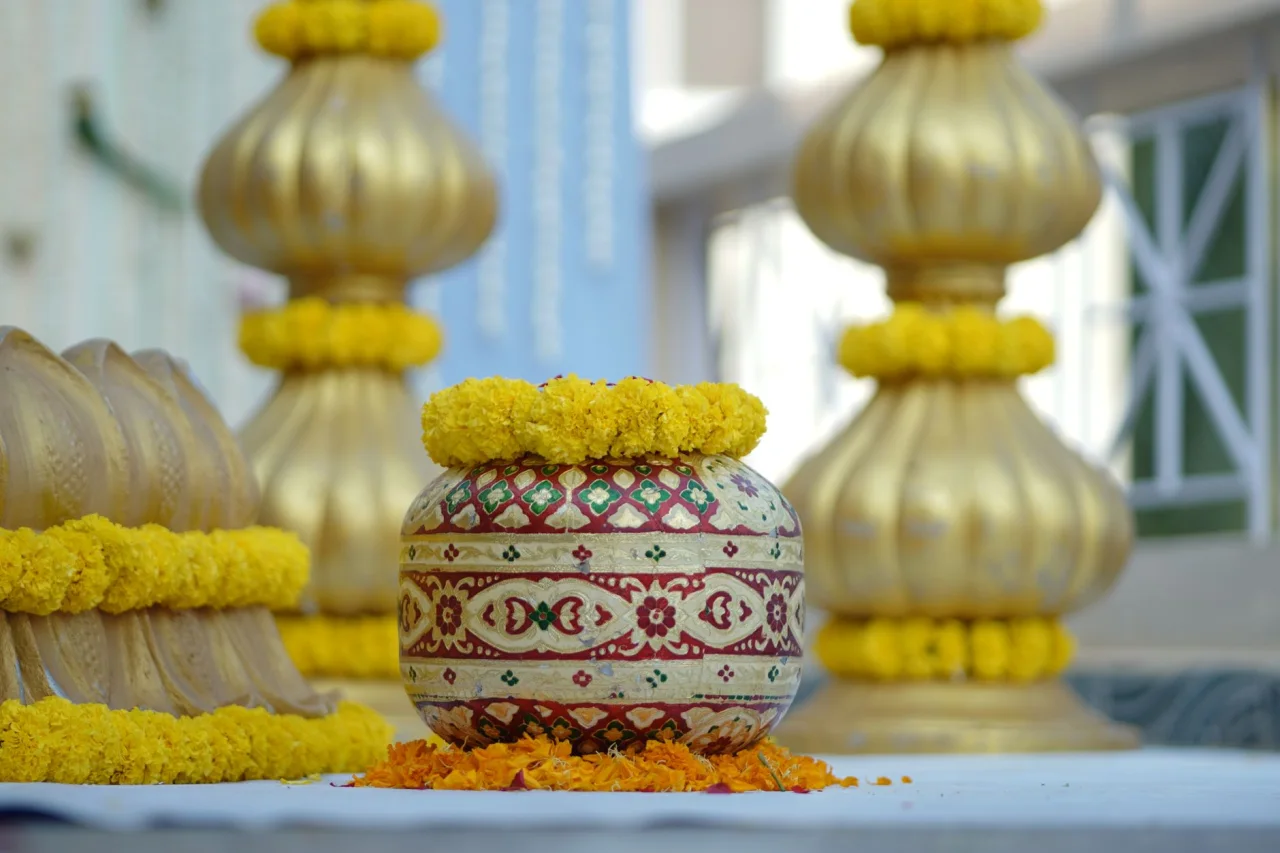
Matching the outfit to the function is what makes wedding dressing feel considered.
- Mehndi: floral yellows and greens, gota-work kurta sets and light shararas.
- Nikah: refined, often modest pieces in soft or classic tones.
- Baraat and main day: the most opulent lehengas, silks and sherwanis.
- Walima and reception: glamorous evening dressing in richer or cooler palettes.
Our event guides cover each in detail, including the mehndi dress and the walima dress.
Guest designs
Guests should look festive and rich without stepping on the couple's spotlight. The guiding etiquette is simple: dress well, but never in a way that reads as bridal. Avoid the heavy solid reds and golds associated with brides, skip full ghoonghat-style veils, and if you know the couple's chosen colour scheme, choose a different palette so you do not blend into the wedding party by accident. Within those bounds, there is plenty of room to look striking.
- Mid-weight embroidered lehenga: celebratory but clearly not bridal.
- Organza or silk sari: elegant and easy to accessorise.
- Anarkali gown: a single graceful piece that needs little styling.
- Sharara or gharara set: festive movement for evening functions.
For inspiration tailored to guests, see our complete wedding guest outfits guide.
Designs by budget
Wedding wear spans every price point. Rather than quote fixed figures, which change constantly by fabric, hand work and retailer, work in tiers and confirm current pricing before you buy.
- Guest budget: ready-to-wear embroidered lehengas, saris and sherwanis in mid-range fabrics.
- Family premium: richer silks and heavier machine-plus-hand embroidery.
- Bridal couture: dense hand embroidery on luxury fabric, the steepest tier by far.
- Value: georgette sari with a stitched blouse and light zari.
- Mid: net lehenga with sequin and resham work.
- Premium: raw silk bridal lehenga with hand zardozi.
- Premium: velvet sherwani with dabka and tilla detailing.
Two money-saving strategies work especially well for wedding wear. First, consider renting the pieces you will genuinely wear only once, such as a heavy bridal lehenga or an ornate sherwani, which frees budget for jewellery and photography. Second, favour separates you can restyle: a well-made lehenga skirt can reappear with a different blouse and dupatta at a later function, and a good sherwani can serve several weddings. Spending on versatile, well-fitted pieces almost always beats buying disposable outfits for every event.
Accessories and finishing for wedding looks
At a wedding, the jewellery and finishing often carry as much visual weight as the outfit, so plan them together rather than as an afterthought.
- Bridal jewellery: maang tikka, matha patti, statement necklaces and chooda or bangles build the traditional bridal picture. Balance the load so the neckline and face are not competing with equal intensity.
- Groom finishing: a brooch, a contrast pocket square or a kalgi on the turban lifts a plain sherwani, while a well-tied safa or pagri completes the look.
- Guest restraint: one strong piece, statement earrings or a bold cuff, keeps a guest look polished without tipping into bridal territory.
- Footwear and bags: embroidered khussas, juttis or comfortable block heels matter for long ceremonies, paired with a small potli or embellished clutch.
The unifying idea is hierarchy: the couple's accessories should be the richest in the room, family a step below, and guests tasteful but clearly secondary.
Choosing a design for your role and comfort
Weddings are long, physical events, so comfort is not a compromise but a requirement. Brides wearing heavy lehengas should check the skirt weight and blouse fit before the day, since hours of standing and dancing expose a poor fit quickly. Grooms should confirm sherwani shoulder and sleeve length, as a structured coat shows every tailoring flaw. Guests benefit from mid-weight fabrics that photograph well but still let them move through a full evening. Whatever your role, do a seated and arms-raised test in any outfit before committing. For a deeper walkthrough of fit and fabric, our guide to choosing the perfect lehenga is a practical companion.
Fabric and embroidery directions for 2026
Two ideas define the season. First, lighter construction: designers are using softer nets, organza and unlined panels so heavy embroidery sits on more wearable bases. Second, heritage craft with restraint, where hand techniques like zardozi gold and silver work, dabka and tilla are placed as focused statements rather than covering every inch. Pastels and jewel tones share the stage, and re-wearable separates are increasingly popular. Sustainability and re-wearability are also shaping choices, with more couples and guests choosing separates and lighter formals they can wear again rather than single-use showpieces. To understand the cloth behind the looks, our silk and raw silk explainers are a useful next read.
Buying tip
For anything hand-embroidered, order months ahead. Craft and alterations take time, and the most common wedding-outfit regret is rushed, ill-fitting tailoring. Prioritise fit and timeline over adding more embroidery.
Frequently asked questions
What wedding wear designs are trending for 2026?
Trending directions include hand-embroidered lehengas, heirloom Banarasi saris and regal shararas for brides, ivory and jewel-tone sherwanis for grooms, and lighter constructions overall, with heritage embroidery placed as focused statements. These are style directions to adapt, not a ranked leaderboard.
What should the bride wear to each ceremony?
Brides often wear floral, lighter pieces like gota-work kurta sets or shararas for the mehndi, refined and modest looks for the nikah, the most opulent lehenga or silk for the main day, and glamorous evening dressing for the walima or reception.
What is the groom's main wedding outfit?
The sherwani is the definitive groom's outfit, a long fitted button-front coat worn with churidars or a shalwar. Ivory and jewel-tone versions are popular, alongside the structured bandhgala or Jodhpuri suit and lighter kurta sets for daytime events.
How do guests choose wedding wear on a budget?
Guests can look excellent in mid-range ready-to-wear embroidered lehengas, organza or silk saris, anarkali gowns and shararas. Work in budget tiers and always confirm current pricing before buying, since figures vary widely by fabric, embroidery and retailer.
Are these design ideas based on official rankings?
No. There is no verified sales-based ranking of wedding designs. This list gathers silhouettes and details that designers and couples keep choosing, organised by ceremony, role and budget so you can adapt them to your own celebration.
More on Clothing Types
Have a question or a topic to suggest?
We read every message. Tell us what you would like to see next in the journal.
Get in touch