Modest Fashion: Pakistani Style Leads
How desi silhouettes solved the coverage-versus-style puzzle, and what the world keeps borrowing from them.
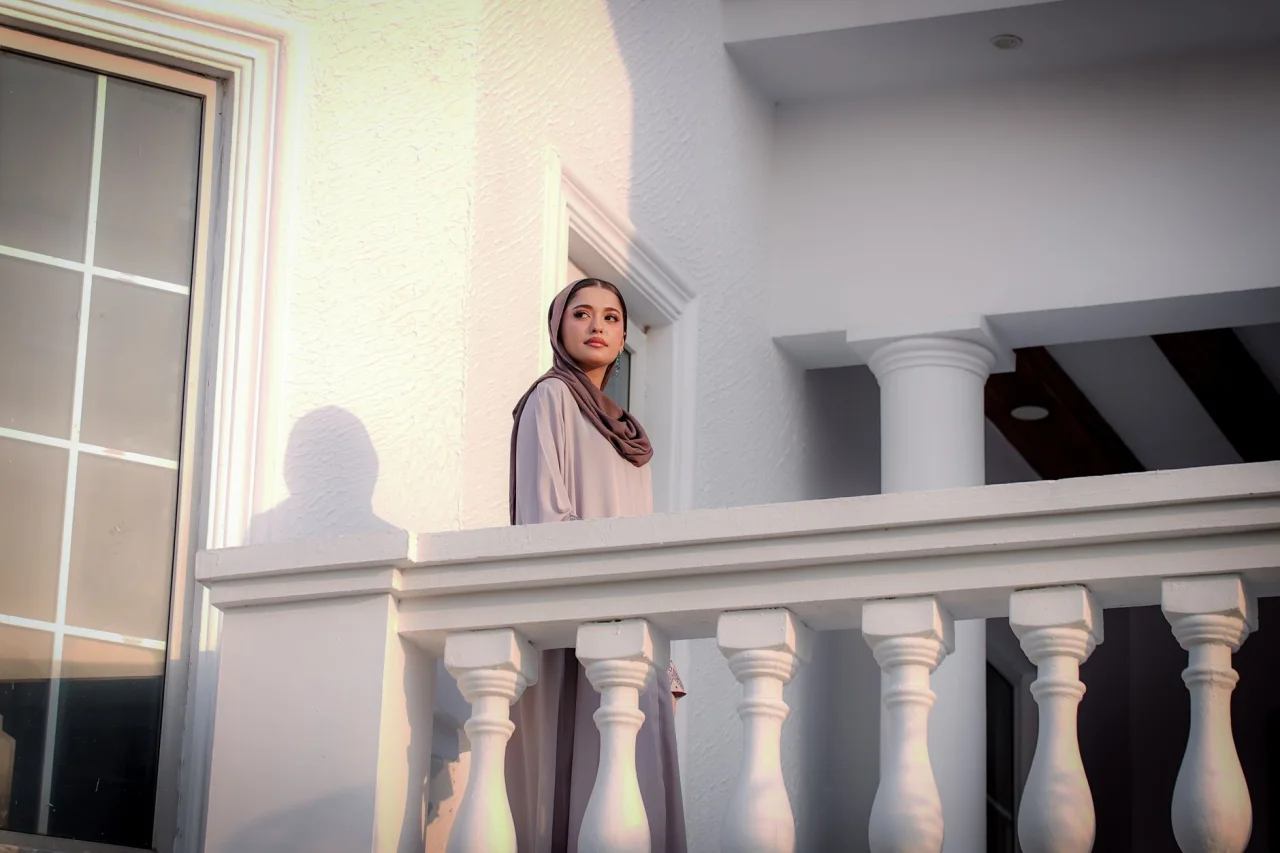
Modest fashion is no longer a niche. It is a global conversation about covering more skin without covering up your personality, and Pakistani style sits close to the centre of it. Long tunics, flowing trousers, and expressive dupattas have solved the coverage-versus-elegance puzzle for generations, which is exactly why the world keeps borrowing from them.
The short version
- Modest fashion means dressing with more coverage by choice, for reasons that can be spiritual, cultural, or purely personal.
- Pakistani silhouettes like the shalwar kameez, abaya, kaftan, and dupatta already balance full coverage with strong styling.
- The movement is mainstream: major global brands now design modest lines, and the sector has been valued in the hundreds of billions of dollars.
- You can build a modest wardrobe around layering, drape, proportion, and fabric rather than around rules that flatten your taste.
What modest fashion actually means
Modest fashion describes a preference for clothing that reveals less skin, chosen for spiritual, stylistic, or personal reasons. The important word is choice. Some women dress modestly because of faith, others because they simply prefer the silhouette, the comfort, or the polish it gives an outfit. There is no single uniform.
What counts as modest also shifts by culture and setting. As documented in the overview of modest fashion, the interpretation varies widely across countries and communities, shaped by local norms rather than one fixed rulebook. A look that reads as modest in Lahore, London, or Dubai may differ in the details, yet the underlying idea stays the same: coverage should not put a ceiling on style.
It is also worth saying clearly that modest dressing is not owned by any one religion. Head covering and fuller coverage appear across Christian, Jewish, and Muslim communities, among others, each with its own history and meaning. Pakistani fashion is one powerful expression of that broader idea, not the whole of it.
Why Pakistani style is a natural leader
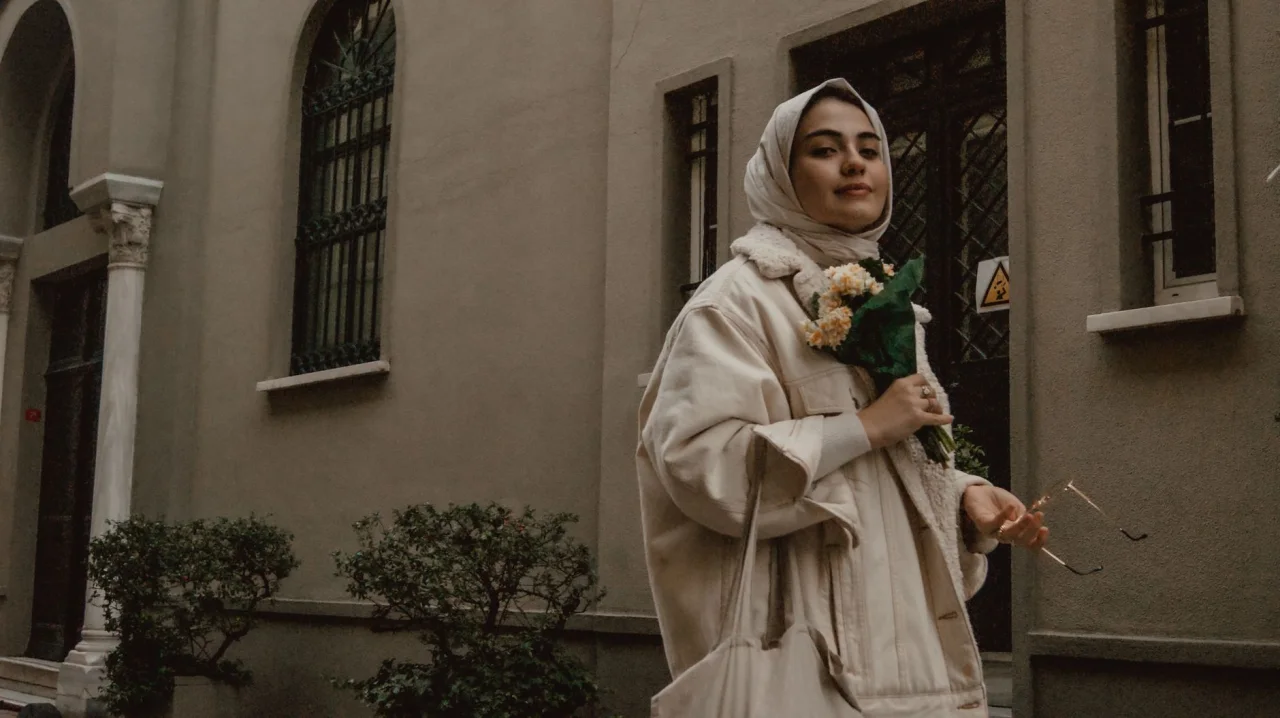
Pakistani everyday dress starts from a modest baseline and builds beauty on top of it, which is the opposite of most Western fashion that starts from revealing and adds coverage later. The national dress, the shalwar kameez, pairs a long tunic with wide-legged trousers, giving comfortable, breathable coverage that still moves gracefully. The dupatta then layers over the shoulders and softens the upper body's lines.
Because coverage is the default, designers here have spent decades competing on everything else: the fall of a fabric, the density of embroidery, the cut of a neckline, the drape of a dupatta. That is why a modest Pakistani outfit rarely feels like a compromise. If you want the deeper background, our complete guide to the shalwar kameez walks through the silhouette in detail.
The silhouettes doing the heavy lifting
A modest wardrobe rooted in desi fashion has a deep bench of shapes to draw from. Each one covers well and styles differently.
- Shalwar kameez: the workhorse. Regional cuts range from the very loose Peshawari shalwar to the fitted, cuffed Punjabi style, so you can dial the volume up or down.
- Abaya: a long, loose overgarment that layers cleanly over anything. See our abaya styling ideas for every occasion for ways to keep it fresh.
- Kaftan: relaxed, floor-skimming, and forgiving in the heat, covered further in our complete kaftan guide.
- Maxi and anarkali silhouettes: length and flare that read elegant without clinging.
- The dupatta: the flexible finishing layer that turns almost any outfit modest.
The dupatta: modesty as styling, not restriction
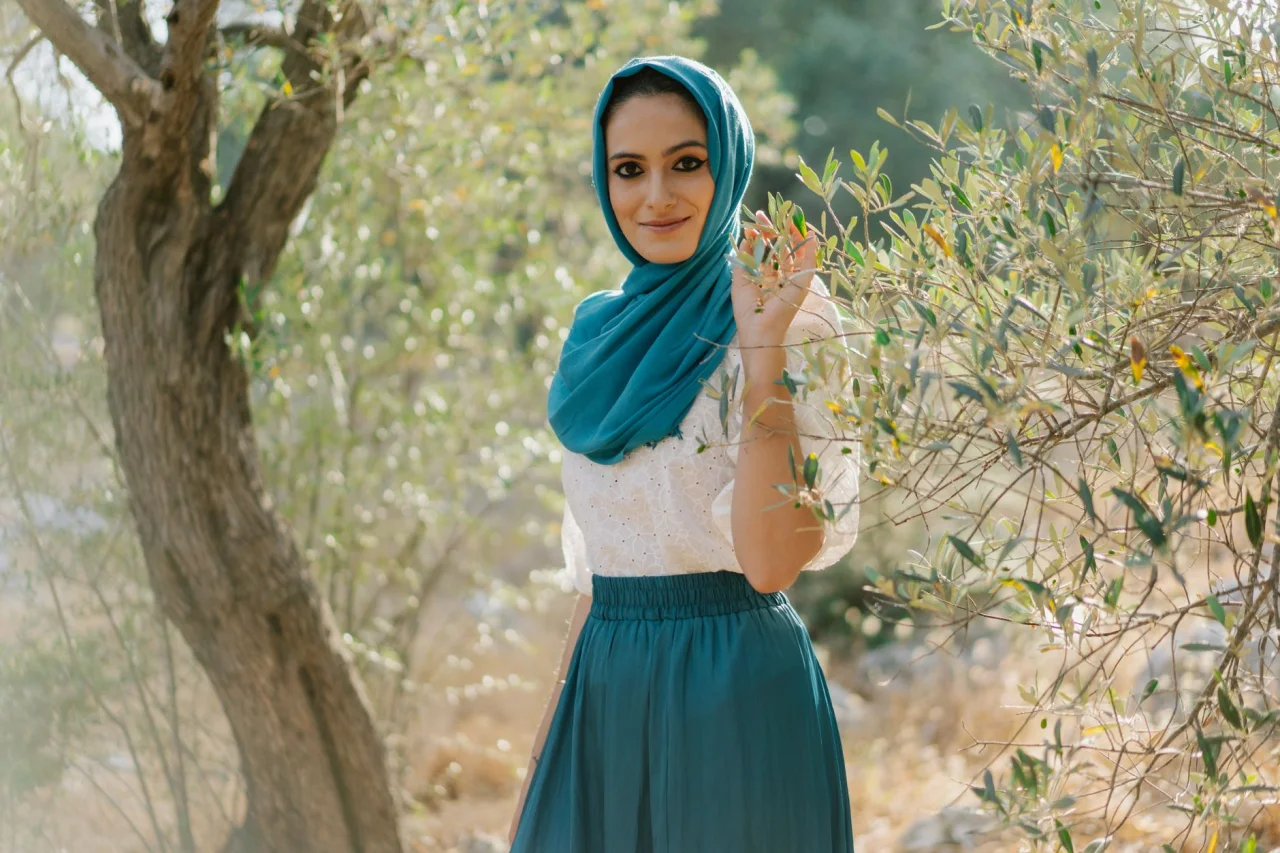
The dupatta is the clearest proof that coverage and creativity live together. Traditionally it passes over the shoulders and softens the upper body's contours, working as a gentler modesty layer than a chador or burqa. In practice it is one of the most versatile styling tools in any wardrobe.
You can drape it front-to-back for a formal look, wrap it as a shawl in winter, pin it as a hijab, or let it fall loose for everyday ease. The same two and a half metres of cloth can read festive, corporate, or casual depending on how you handle it. Our complete dupatta style guide and step-by-step dupatta tutorial break down the drapes.
Styling note
Modesty is mostly about proportion. If your top is fitted, balance it with a wide shalwar or palazzo. If your bottom is slim, let the kameez run long and easy. Getting one half loose keeps the whole look elegant rather than either tight or tent-like.
How the global movement caught up
Modest fashion has moved firmly into the mainstream. Around late 2018 the sector was valued at roughly 250 billion dollars, and it has kept growing as more women, across faiths and none, choose fuller coverage. Global names including Dolce and Gabbana, H&M, and Uniqlo have all introduced modest lines, and a 2015 international panel in Turin helped set shared reference points for the category.
What Pakistani design offers this wider movement is a ready-made vocabulary. The West has often had to invent modest silhouettes from scratch. Desi fashion simply had to keep refining shapes it already wore. That head start shows in the confidence of the styling, from luxury pret to everyday lawn.
You can see the crossover in both directions. International brands increasingly borrow the loose-tunic-and-trouser proportion that Pakistani wardrobes have used for generations, while Pakistani labels have learned to package that heritage in cuts and colour stories that travel well abroad. The result is a two-way exchange in which modest dressing feels current rather than dated, and in which a well-made shalwar kameez or abaya can look just as at home at a London office as at a Karachi dinner. That portability is a big part of why the category keeps expanding.
Building a modest desi wardrobe that still feels like you
You do not need a closet full of formalwear to dress modestly and well. A few flexible building blocks go a long way.
- Start with strong basics: a couple of well-cut lawn or cotton suits that fit properly. Fit matters more than embellishment.
- Add one or two statement pieces: an embroidered anarkali or a good abaya for occasions.
- Invest in dupattas: a plain cotton one, a chiffon one, and a heavier embellished one cover most needs.
- Think in layers: a long shrug or open abaya instantly modest-ifies a simpler base.
- Choose fabric for climate: breathable lawn and cotton for heat, khaddar and wool blends for winter.
For workday looks that stay covered and sharp, our office wear ideas are a useful starting point, and for the seasonal picture our modest fashion in 2026 trend guide tracks what is rising and fading.
Respect the meaning, not just the look
Because modest dressing carries real cultural and religious weight for many people, it deserves to be worn and discussed with respect. For some, coverage is an act of faith. For others, it is comfort or aesthetics. All of these are valid, and none of them should be treated as a costume. When you borrow a silhouette, borrow the craftsmanship and the elegance, and leave the stereotypes behind.
That respect is also good fashion sense. The outfits work best when they are understood, not just copied, which is why knowing the difference between an abaya, a kaftan, and a shalwar kameez helps you wear each one with intention.
Frequently asked questions
What is modest fashion?
Modest fashion is a preference for clothing that reveals less skin, chosen for spiritual, cultural, or personal reasons. What counts as modest varies by culture and setting, but the shared idea is that coverage should not limit your style.
Is modest fashion only for Muslim women?
No. Fuller coverage and head covering appear across Christian, Jewish, Muslim, and other communities, and many women dress modestly purely by personal preference. Islam is one important context for modest dress, but it is not the only one.
Why is Pakistani style considered a leader in modest fashion?
Pakistani everyday dress starts from a modest baseline. Silhouettes like the shalwar kameez, abaya, kaftan, and dupatta already balance full coverage with strong styling, so designers have spent decades refining elegance on top of coverage rather than inventing modest shapes from scratch.
How big is the modest fashion industry?
The sector has grown well beyond a niche. Around late 2018 it was valued at roughly 250 billion dollars, and major global brands including Dolce and Gabbana, H&M, and Uniqlo have launched modest lines since.
How do I start a modest wardrobe without it feeling boring?
Focus on proportion and fabric rather than rules. Build on well-fitted basics, add one or two statement pieces, invest in a few versatile dupattas, and use layering pieces like open abayas. Balancing a fitted half against a loose half keeps looks elegant and personal.
More on Fashion Trends
Have a question or a topic to suggest?
We read every message. Tell us what you would like to see next in the journal.
Get in touch