How to Choose an Abaya
Fit, fabric, construction and honest price brackets, plus the red flags that signal a poor abaya buy.

Buying an abaya well comes down to three questions: does it fit your frame, is the fabric right for your climate and occasion, and are you paying a fair price for the make. Get those three aligned and even a simple abaya will feel considered and last for years. This guide walks through fit, fabric, construction and realistic price brackets, plus the red flags that signal a poor buy.
The short version
- Fit is about shoulder placement, length and cut; the abaya should skim, not cling, and clear the floor by a small margin.
- Match fabric to climate: crepe, georgette and chiffon for heat; denser weaves and velvet for winter and formal wear.
- Prices vary widely by fabric, embellishment and retailer, so judge value by make and materials rather than a fixed number.
- Watch for uneven hems, loose embroidery threads, scratchy linings and stiff synthetic fabrics that trap heat.
Get the fit right first
An abaya is a loose over-garment, but loose does not mean shapeless. Good fit starts at the shoulders: on a classic front-opening or closed abaya, the shoulder seam should sit at your natural shoulder line so the fabric falls cleanly. If the shoulders droop, the whole garment looks borrowed. Kimono and batwing styles are more forgiving here because the sleeve flows from a dropped shoulder by design.
Length is the next priority. An abaya should clear the floor by a small margin so it does not drag or trip you, especially in heels. If you are between lengths, size to your tallest likely footwear and consider a small hem alteration. Sleeve length should reach the wrist bone, and the overall cut should skim your body with enough ease to move, sit and pray comfortably without clinging.
Choose the cut for your body and purpose
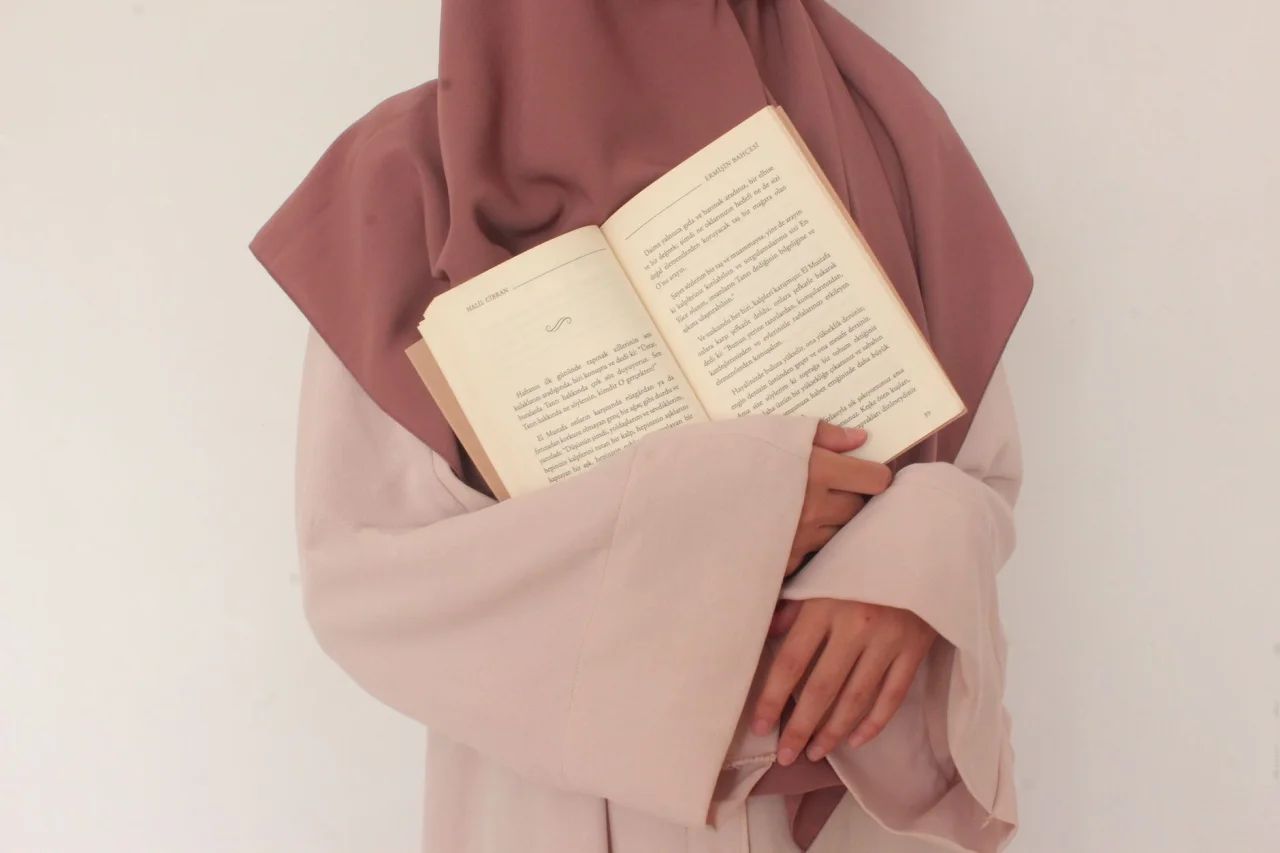
Different silhouettes flatter different frames and suit different occasions:
- Straight or closed abaya: a clean vertical line that suits most frames and works for office and everyday wear.
- A-line abaya: gently flared from the shoulder or bust, flattering if you prefer more room through the hip.
- Kimono-sleeve abaya: relaxed and forgiving through the arm, easy for casual days.
- Flared or kaftan-style abaya: a wide, dramatic sweep best kept for festive and formal occasions.
Fit tip
If you are petite, a straight cut with a defined placket keeps you from being swamped. If you are taller, you can carry fuller, more flared shapes easily. When in doubt, a straight or A-line abaya is the safest all-rounder.
Match the fabric to your climate and occasion
Fabric decides comfort more than any other single factor. Contemporary abayas often use light, flowing fabrics like crepe, georgette and chiffon, which drape softly and breathe well in warm weather, which is exactly why they dominate Gulf designs. For hot climates and daily wear, these are your best friends.
- Crepe: a slightly textured, matte fabric with good structure and minimal creasing, excellent for everyday and office abayas.
- Georgette: lightweight with a soft, flowing drape, ideal for festive styles and warm weather.
- Chiffon: a lightweight, sheer plain-woven fabric, delicate and beautiful for layered or occasion abayas, usually worn with a lining.
- Denser weaves and velvet: warmer and heavier, suited to winter and formal wear, and good at carrying embellishment.
To understand how these behave before you commit, read our explainers on chiffon and georgette, and our roundup of the best fabrics for hot summers.
Judge the construction and finish
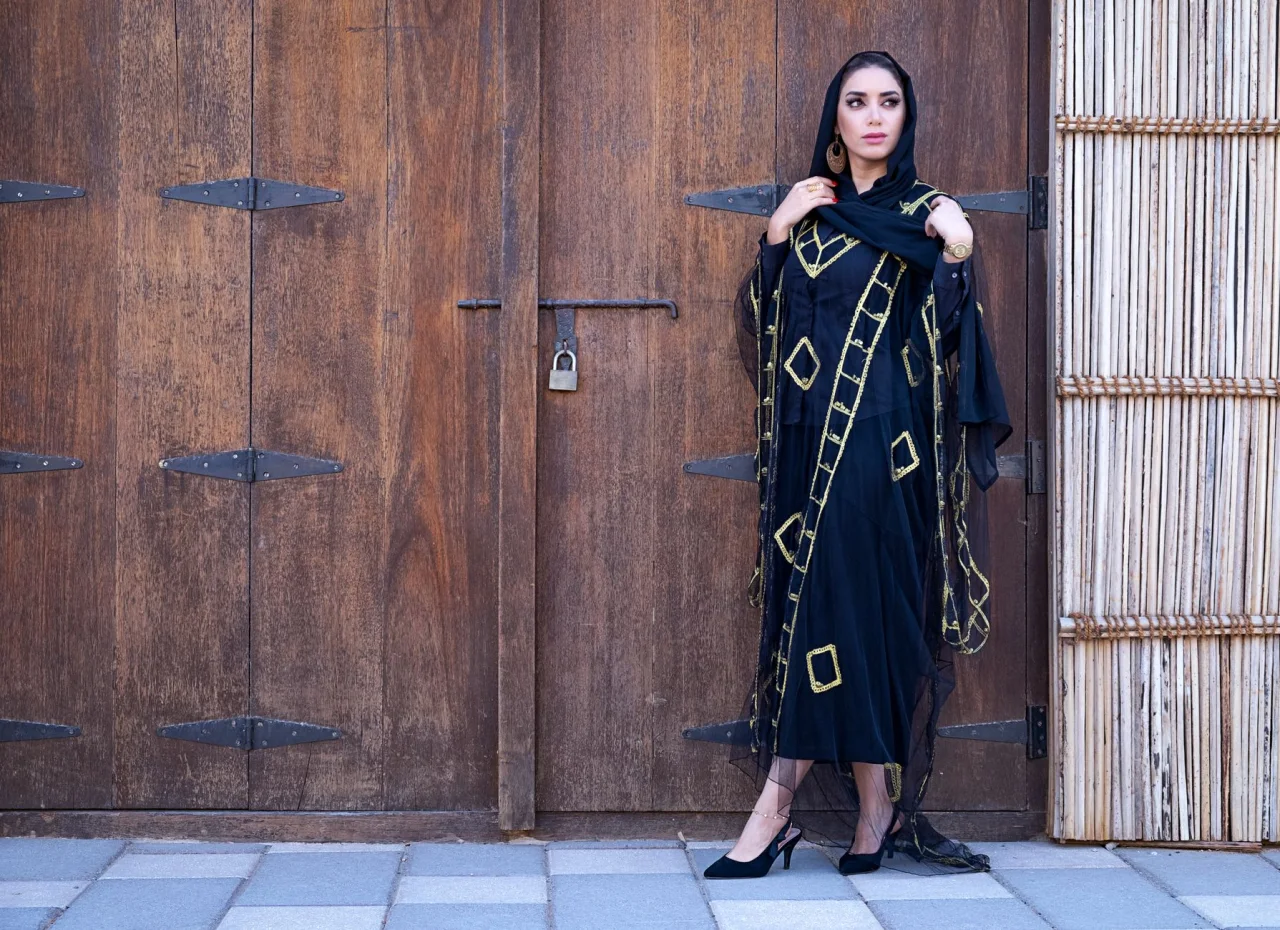
Once fabric and fit are sorted, the make separates a good abaya from a disappointing one. Turn the garment inside out and look closely.
- Seams: should be straight, flat and fully finished, with no fraying or skipped stitches.
- Hem: even all the way around; an uneven hem is hard to fix and signals rushed production.
- Embroidery and embellishment: threads should be secure and neatly finished on the reverse, with no loose beads or scratchy backing against the skin.
- Lining and inner finish: comfortable against the skin, especially on chiffon or embellished styles.
- Closures: zips, snaps or buttons that sit flat and work smoothly.
If you are buying an embellished abaya, it helps to know your craft. Our guides to zari work and telling hand from machine embroidery help you judge quality and value.
Understand price brackets and value
Abaya prices vary a great deal depending on fabric, the amount and type of embellishment, whether the work is machine-done or hand-finished, brand, and the retailer. Because of that spread, it is more useful to think in tiers than in exact figures. Always confirm current pricing directly with the seller, as it shifts with materials and season.
- Entry level: plain, machine-made abayas in basic synthetic crepe or polyester, fine for everyday wear if the finish is clean.
- Mid range: better crepe or georgette, neater construction, and light tone-on-tone embroidery, the sweet spot for most wardrobes.
- Premium: fine fabrics, more elaborate or partly hand-done embellishment, and designer labels, priced accordingly.
Value is about the ratio of make to money, not the lowest sticker. A well-cut mid-range crepe abaya you wear weekly is a better buy than a cheap one that pills after two washes or a heavily embellished piece you rarely reach for. It also helps to factor in cost per wear: a versatile everyday abaya worn dozens of times each year quietly earns its price, while an ornate occasion piece worn twice a year should be judged on how special it makes those occasions feel rather than on everyday value. Set your budget by how often you expect to wear the abaya, and you will rarely overpay.
Shopping online versus in person
Where you buy shapes how carefully you need to check. In a shop you can feel the fabric, test the drape against your body and inspect the finish before paying, which is the surest way to avoid disappointment. If you can shop in person for your first abaya from a new brand, do, because it teaches you what that maker's sizing and quality feel like.
Online shopping widens your choice enormously but shifts the risk onto you, so read carefully before you buy. Check the retailer's published measurements against your own rather than relying on generic sizes such as small or medium, since abaya sizing varies between sellers. Look for clear photographs of the fabric and embroidery, read the fibre content, and confirm the return policy in case the fit or colour is not what you expected. Reviews with real photos are especially useful for judging how a fabric drapes in life rather than in a styled studio shot.
- Save the seller's size chart and measure a well-fitting abaya you already own to compare.
- Order a single piece from a new online brand before committing to several.
- Keep tags on and packaging intact until you have tried the abaya with your usual footwear.
Red flags to avoid
A few warning signs reliably predict regret:
- Stiff, plasticky synthetic fabric that traps heat and does not drape, uncomfortable in warm climates.
- Uneven or puckered hems and seams, which rarely improve with wear.
- Loose embroidery threads or shedding beads, a sign the embellishment will not survive normal use.
- Scratchy linings or rough embroidery backing against the skin.
- A price that seems too good for the claimed fabric or hand-work, which usually means it is neither.
Once you know what to buy, explore our abaya design ideas for inspiration and our styling guide to wear it across occasions. For the full background on the garment, see our complete guide to the abaya.
Frequently asked questions
How long should an abaya be?
An abaya should clear the floor by a small margin so it does not drag or trip you, particularly in heels. Size to your tallest likely footwear, and if you are between lengths, a small hem alteration is usually straightforward. The sleeves should reach the wrist bone.
What is the best abaya fabric for hot weather?
Light, flowing fabrics such as crepe, georgette and chiffon are the most comfortable in heat because they drape softly and breathe well, which is why they are common in Gulf designs. Avoid stiff synthetic fabrics that trap heat and do not drape.
How much should I spend on an abaya?
Prices vary widely with fabric, embellishment, whether the work is hand-done, brand and retailer, so there is no single right figure. Think in tiers, entry, mid range and premium, and judge value by the quality of the make rather than the lowest price. Always confirm current pricing with the seller.
How do I know if an abaya is well made?
Turn it inside out and check the seams, hem and finish. Seams should be straight and fully finished, the hem even all around, embroidery threads secure and neatly backed, and the lining comfortable against the skin. Uneven hems, loose threads and scratchy backing are signs of poor construction.
Is a stitched or unstitched abaya better?
A ready-stitched abaya is convenient and lets you check the actual fit and finish before buying, which suits most people. An unstitched piece or made-to-measure option gives you control over length and fit, which is worth it if you are hard to fit off the rack or want a specific silhouette. Choose based on how standard your measurements are and how much you value a custom fit.
More on Buying Guides
Have a question or a topic to suggest?
We read every message. Tell us what you would like to see next in the journal.
Get in touch